Ad Promo Submission Requirements for Telehealth Brands
What platform review actually wants, what your medical review packet should contain, and how to ship more ads per week without rebuilding your compliance process every time you get flagged.
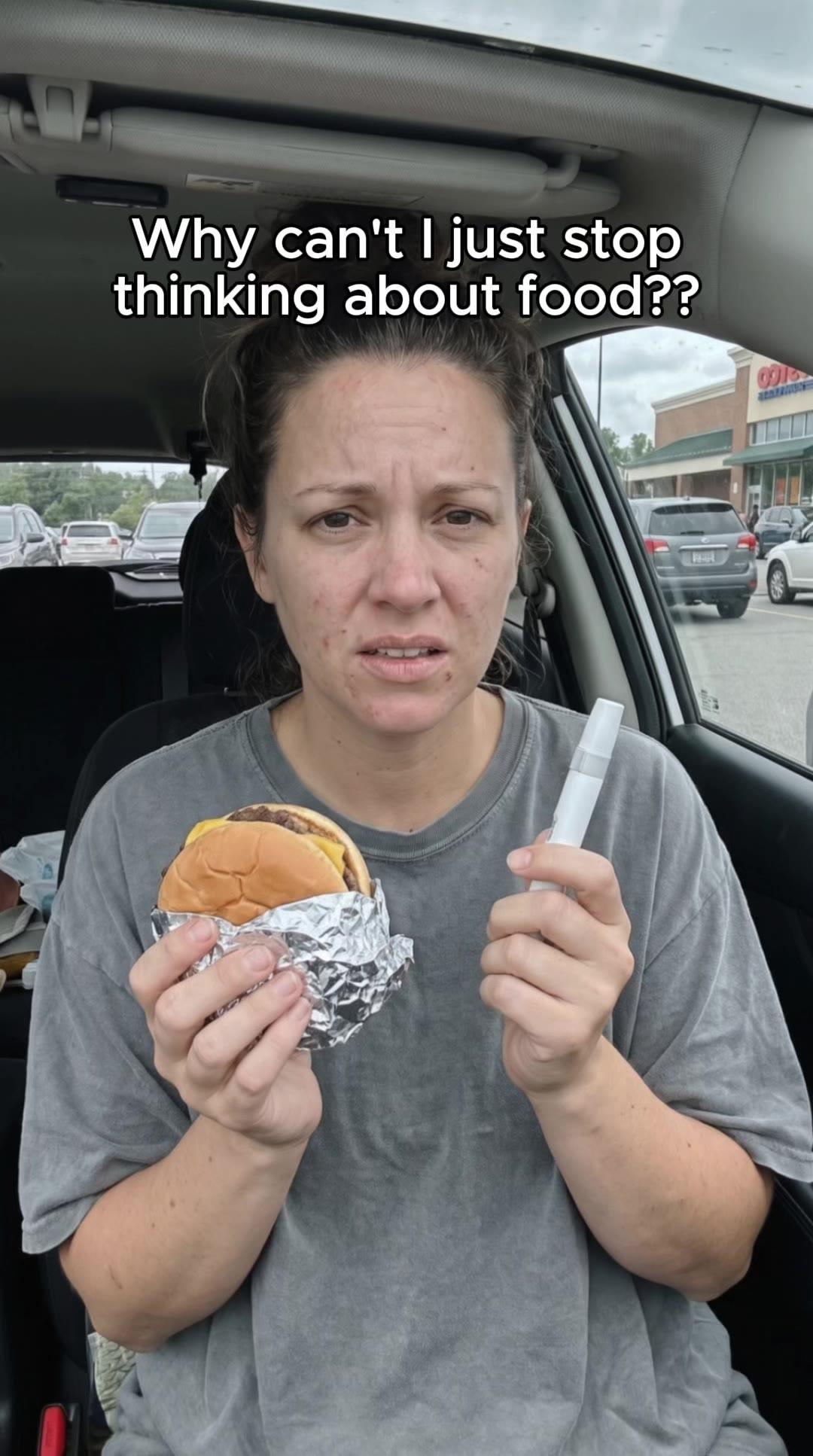
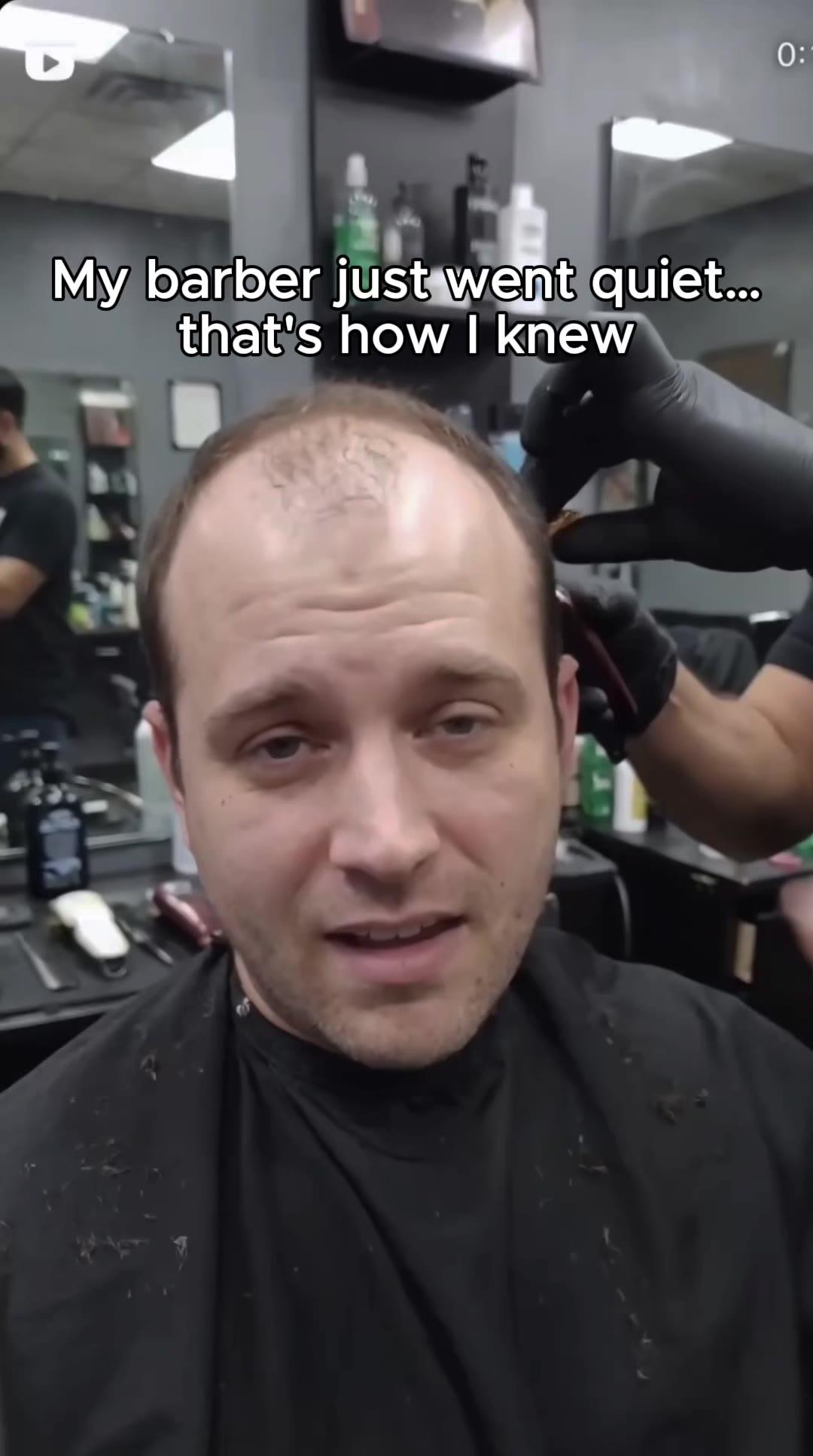
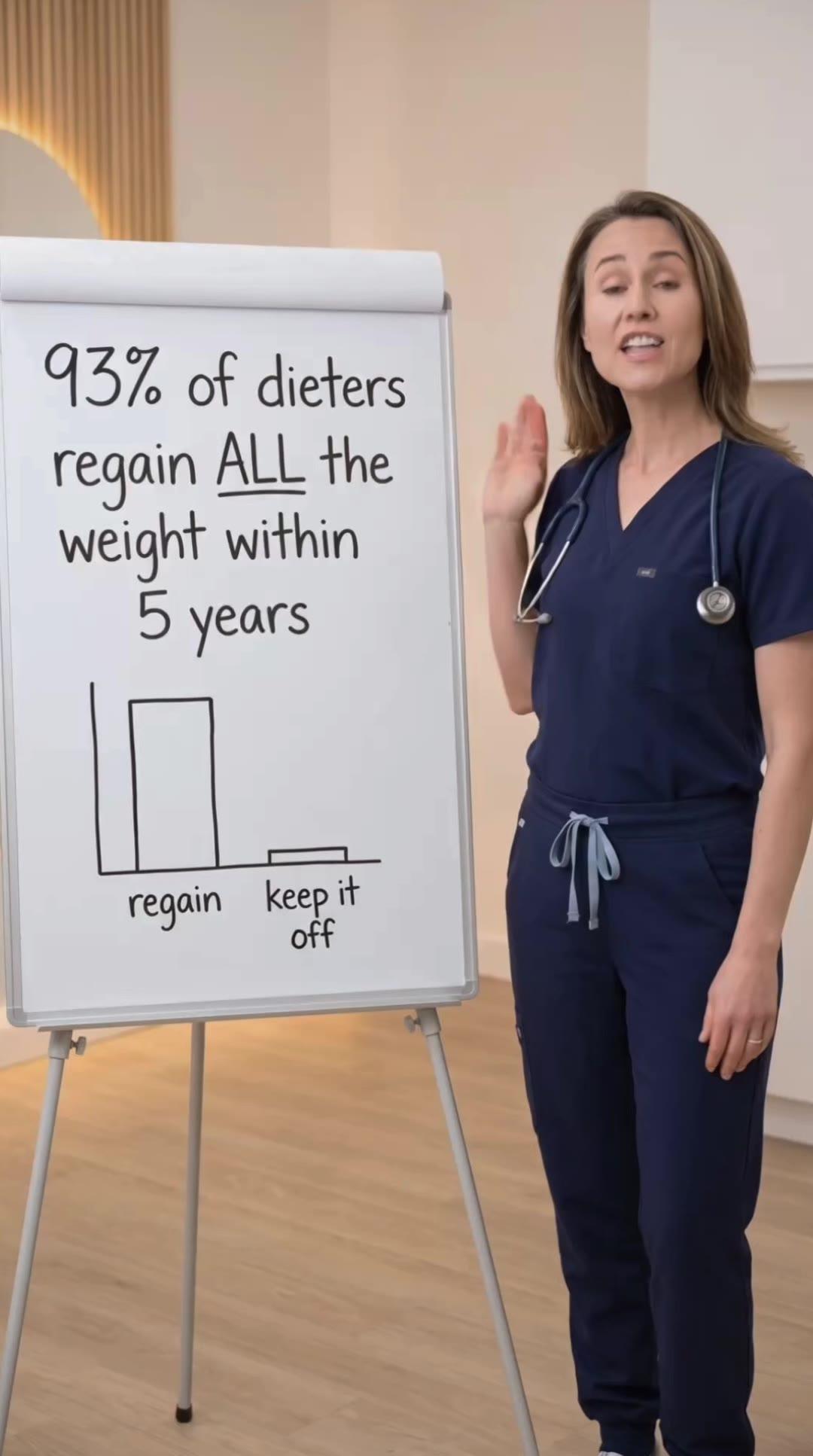
Concepts shown are internal creative studies, not client campaigns.






Ad promo submission requirements are the single biggest reason telehealth creative engines stall. Brands batch 40 ads, send them through medical review, hit two rejections, and the queue freezes for three weeks while the team rewrites copy and re-shoots. By the time anything ships, the original angle is stale and the platform has updated its review policy.
The fix is not "be more careful". The fix is treating submission as a documented workflow with defined inputs, predictable outputs, and a recovery path for the rejections that will happen. After running this loop across $50M+ in spend, here are the actual ad promo submission requirements telehealth brands face, by platform and by reviewer.
Two Different Reviewers, Two Different Submissions
Every telehealth ad goes through two distinct review processes that operators routinely conflate. Medical review (internal, conducted by your medical director or contracted medical reviewer) checks clinical accuracy, claim substantiation, and fair balance. Platform review (Meta, Google, TikTok) checks policy compliance, prohibited terms, personal attribute targeting, and prohibited categories.
These reviewers want different submission packets. Medical review needs the script, on-screen text, voice-over, citations, and disclaimer placement. Platform review needs the ad asset itself plus landing page, audience targeting, and the destination experience. Treating them as one packet wastes everyone's time and produces the kind of "approved everywhere except the ad account" outcome that drives ops teams to quit.
The Medical Review Packet
A complete medical review packet contains the final script (timestamped if it is a video), all on-screen text overlays, the disclaimer language and where it sits in the asset, citations for any clinical claim that goes beyond mechanism-of-action language, the qualification gate the ad assumes (BMI threshold, age range, contraindication screen), and the destination landing page.
Brands that submit just the script get a partial approval that breaks at the landing page step. Brands that submit the script and landing page but skip on-screen text get a green light that fails when the overlay contradicts the voice-over. The rule is: submit everything the reviewer needs to confirm internal consistency in one packet.
For the upstream framework, see our telehealth compliance review process and the pre-flight checklist we run before any submission.
Meta Ad Submission Requirements
Meta does not have a formal "promo submission" workflow for telehealth — every ad goes through automated review on launch, with a human review queue for flagged assets. The implicit requirements: no personal attribute targeting language, no before/after imagery for weight loss without strict compliance framing, no symptom checklists that imply diagnosis, and a landing page that matches the ad claim within reasonable interpretive distance.
What Meta actually rejects most often in 2026: implied weight-loss outcomes ("lose 30 pounds in 3 months"), unsubstantiated TRT claims ("restore your testosterone in 30 days"), pricing language that omits material terms, and personal-attribute hooks ("Are you struggling with..."). For the full Meta-specific framing, see Meta ad policies for telehealth.
Google Ads Submission Requirements
Google Ads has the most formal promo submission layer in mainstream paid media. Telehealth brands selling prescription medications must complete LegitScript certification before serving ads, then individual ad assets are reviewed against Google's healthcare policy. Submission requirements include LegitScript ID, the licensed pharmacy or provider entity, the medication classes advertised, and the geographic coverage of the service.
What Google rejects: missing LegitScript reference on landing pages, mismatched medication classes between certification and ad copy, and pricing claims that cannot be confirmed on the destination page. For the full Google framework, see Google Ads telehealth compliance.
This is what compliant telehealth creative looks like.
See the work →TikTok Ad Submission Requirements
TikTok's healthcare review is the strictest of the three major platforms and the least transparent. Submission requirements are not published; what you learn comes from rejections. Operative rules: no prescription medication imagery in creator-style content, no before/after for weight loss, no symptom-targeting hooks, and a landing page that omits direct prescribing pathways for the first paid social touch.
TikTok works for telehealth, but only with creative built specifically for TikTok submission rules. Brands that try to repurpose Meta-approved ads on TikTok hit a 60-80% rejection rate. Either invest in TikTok-native creative or do not budget TikTok aggressively.
Building a Submission-Friendly Asset
The principle: every asset should be reviewable in under five minutes. That means the script is timestamped, every claim has a citation key, every on-screen text element matches the voice-over, the disclaimer placement is documented, and the landing page is linked at the top of the packet.
Reviewers (medical and platform) reject ads that look like they were submitted in good faith but reveal a missing pre-check on inspection. The fix is to bake the pre-checks into the production brief, not the review step. For how this changes brief design, review compliant ad copy for telehealth.
Recovery Workflow for Rejections
Every telehealth ad engine will get rejections. The question is recovery speed. The discipline: log each rejection with the exact platform reason code, the asset variant, and the timestamp. After 20-30 rejections, patterns emerge — almost always the same 3-4 root causes are responsible for 80% of rejections.
Once the patterns are documented, push them upstream into the creative brief so future scripts cannot trigger them. This is what shifts a brand from 30% rejection rates to under 10% within two months. For diagnosis of the most common pattern set, see why telehealth ads get rejected on Meta.
Submission Cadence at Scale
At $50K monthly spend, expect to submit 20-30 ads per month. At $150K, 40-60 ads per month. At $300K+, 80-150 ads per month. The medical review queue has to clear at this rate or paid social will starve the creative engine that is already produced and waiting.
Brands routinely underestimate medical review throughput. A single medical reviewer can clear 30-50 telehealth ads per week with a well-built packet. Scaling beyond $150K monthly spend usually requires either a second reviewer or a delegated review framework where the medical director audits a sample rather than every asset.
The Operator Summary
Ad promo submission requirements are not the bottleneck most brands think they are. The actual bottleneck is the absence of a documented packet structure, the lack of upstream brief discipline, and the missing rejection-pattern log. Build those three and submission becomes a five-minute step instead of a three-week delay.
Related Articles
Meta Ad Policies for Telehealth Brands
How Meta policies actually apply to telehealth advertising in 2026.
FDA Rules for Telehealth Advertising
How FDA promotional rules apply to telehealth advertising in 2026.
Telehealth Compliance Review Process
Internal review workflows that keep telehealth ads compliant and shipping fast.
Telehealth Ad Compliance Checklist
The pre-flight checklist used before any telehealth ad goes to platform review.
Creative built to pass review, and convert anyway.
A 30-minute call. We audit your creative approach and show you exactly what a complete angle-format-hook system looks like for your vertical.