How to Market an Ozempic Alternative in 2026
A founder's guide to marketing an Ozempic alternative as a telehealth brand. Positioning, creative angles, and the compliance lines that decide whether the business stays online.
Concepts shown are internal creative studies, not client campaigns.
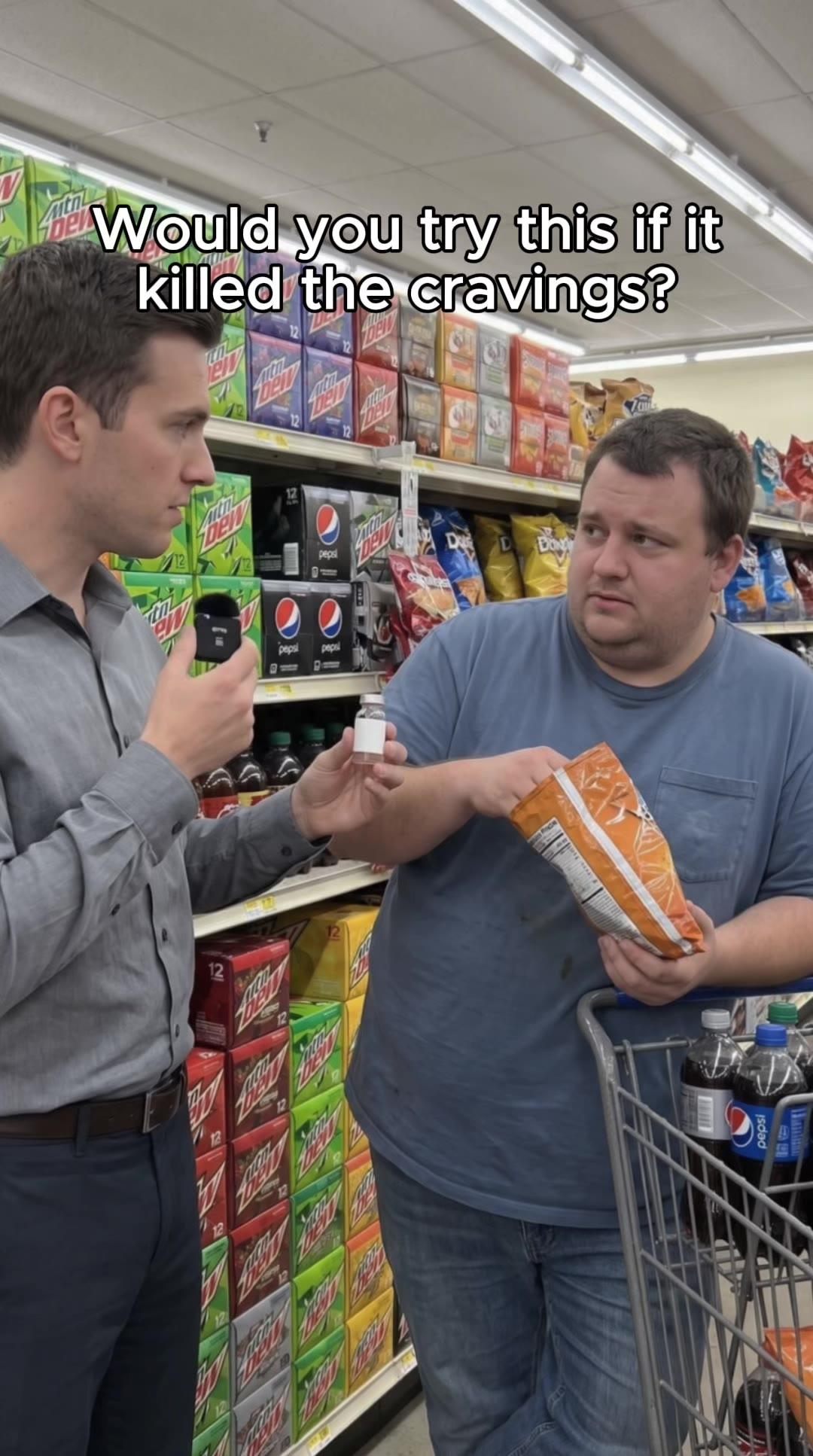
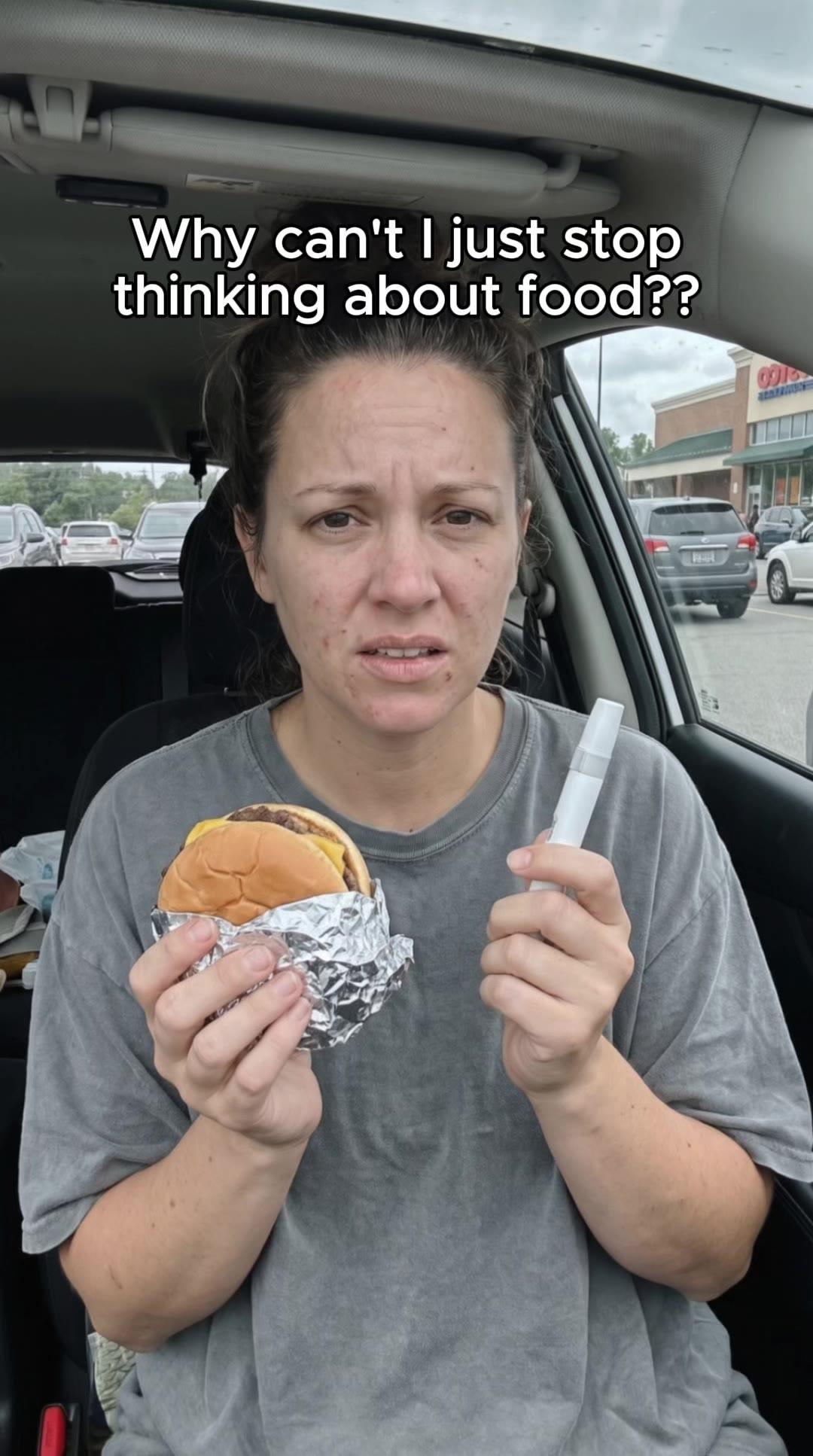

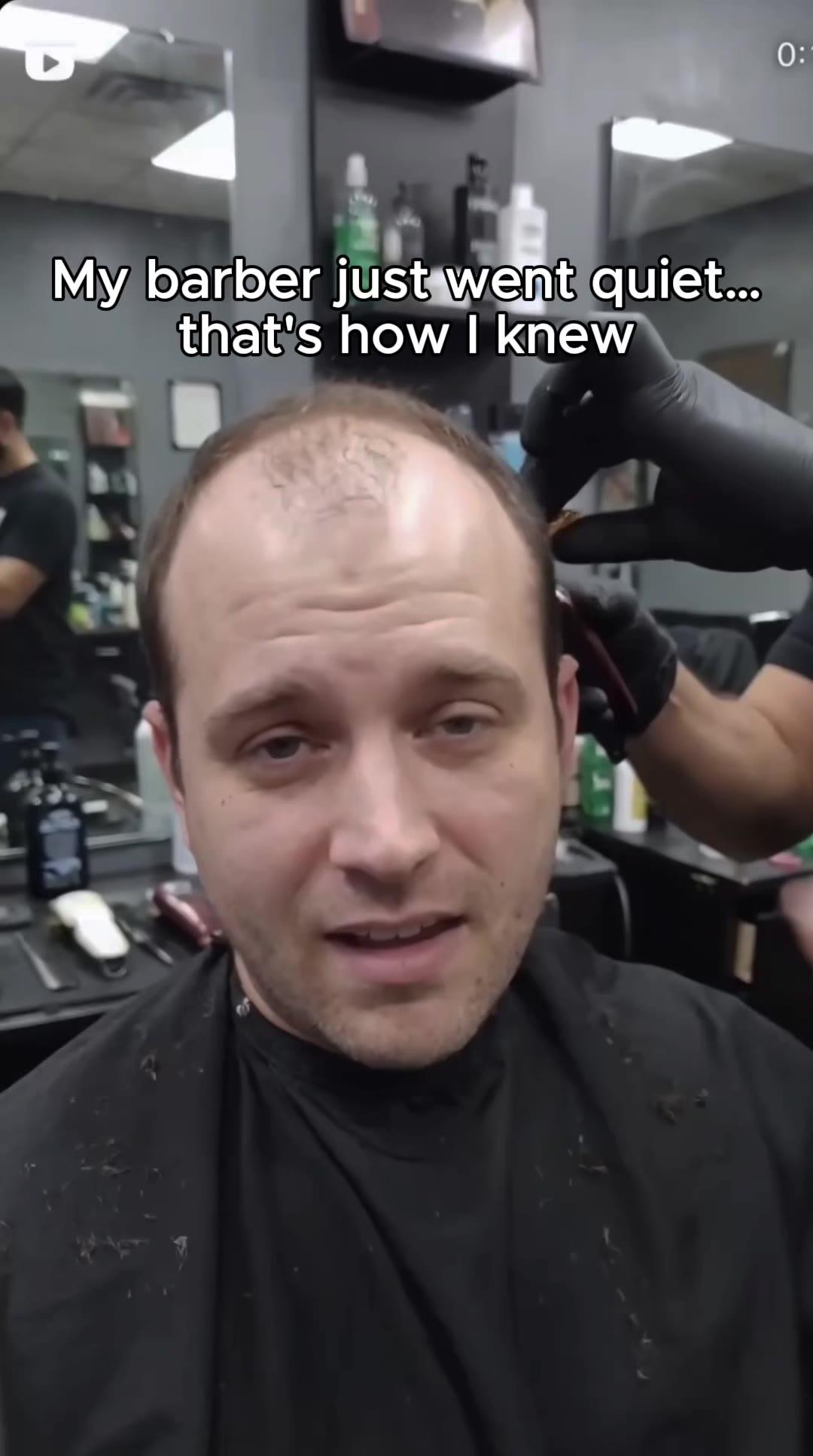



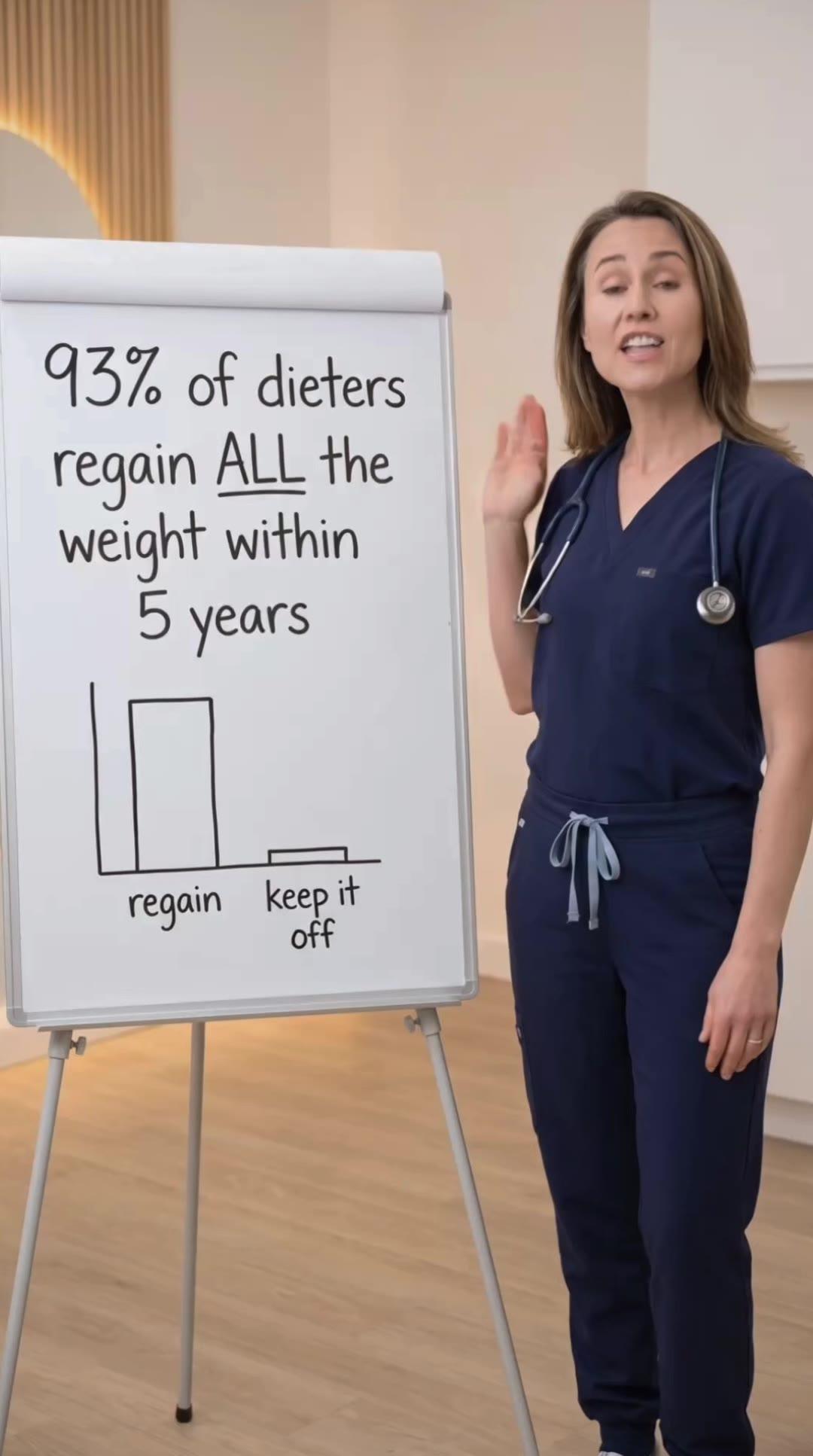
"Ozempic alternative" has become one of the largest commercial-intent search queries in telehealth. The audience knows the medication exists, has heard the buzz, and is looking for an accessible way to participate. For cash-pay compounded semaglutide brands, this is a meaningful demand pool. The question is how to market the offering without running afoul of FDA promotional rules, platform brand-name restrictions, or the equivalence-claim landmines that come with positioning anything as an Ozempic alternative.
Here is how to market an Ozempic alternative in 2026 in a way that scales.
What "Ozempic Alternative" Actually Means to the Audience
The audience searching for an Ozempic alternative is not looking for a different drug class. They are looking for a more accessible path to GLP-1 weight loss therapy. Cash-pay compounded semaglutide is the dominant fit. The marketing has to meet the audience where they are while staying inside the brand-promotion limits.
The framing that converts: "telehealth GLP-1 therapy with compounded semaglutide, available on a cash-pay subscription, no insurance navigation required." Specific, factual, no brand-name reliance.
What You Cannot Do
Position your compounded semaglutide as equivalent to Ozempic. Equivalence claims trigger FDA promotional concern and platform policy violations.
Use the Ozempic brand name as your headline. Even though the search term exists, leading creative with the trademarked name creates exposure.
Make outcome claims about weight loss. The same FDA promotional rules that apply to the brand-name product apply to your messaging.
For the deeper compliance picture, see can you advertise Ozempic online.
Positioning Frames That Work
"Telehealth GLP-1 therapy at a transparent monthly price." Centers on access and pricing, the actual buyer concerns, without leaning on the brand name.
"Compounded semaglutide prescribed through licensed providers." Mechanism and process framing without equivalence claim.
"For patients who do not want to navigate insurance for GLP-1." Acknowledges the alternative-to-brand-name positioning without making the brand comparison.
Creative Formats That Convert
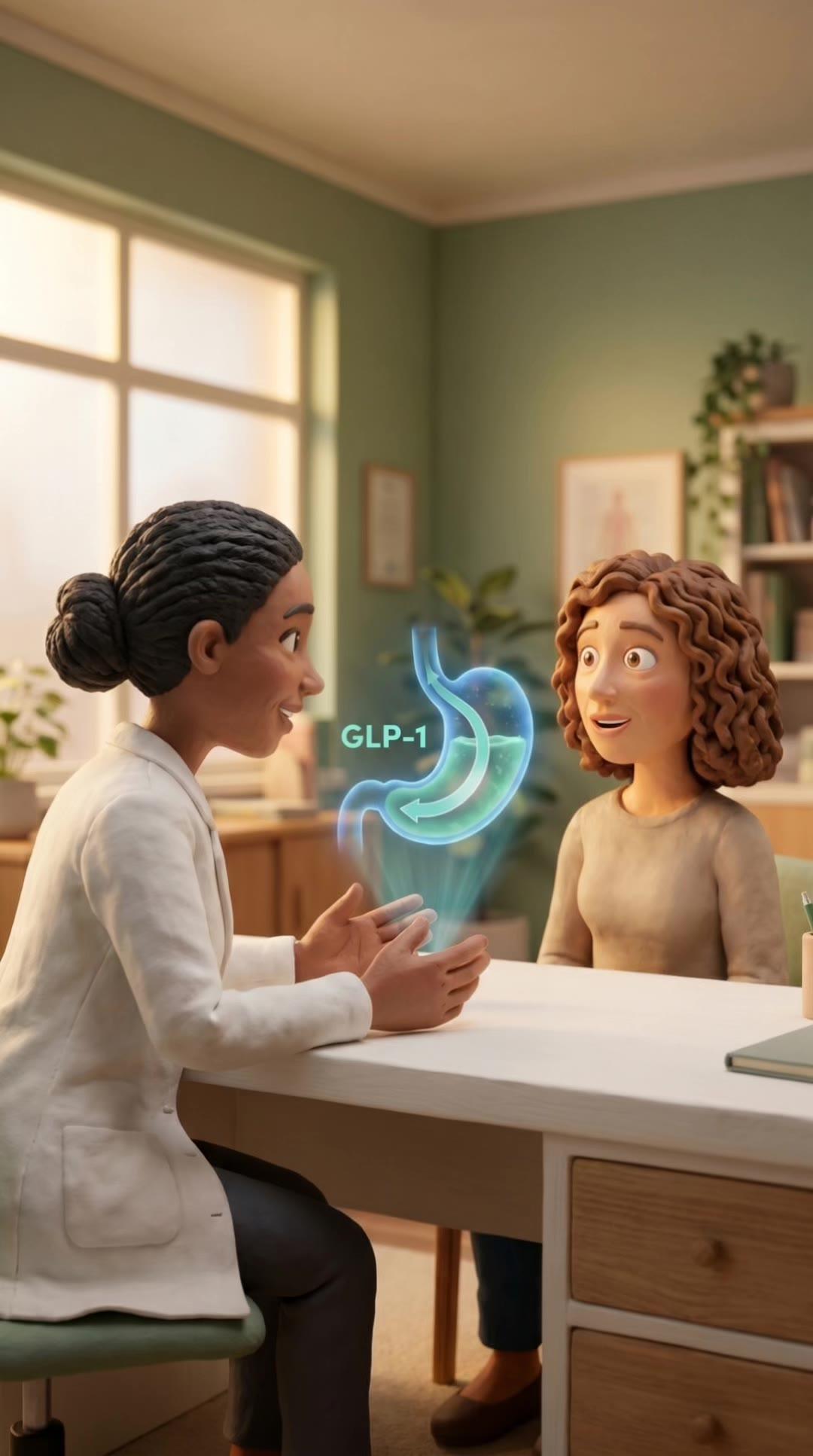
Provider-led mechanism explainer. A clinician explaining how semaglutide works at the receptor level, what compounded versions are, and why cash-pay telehealth fits some patients better than insurance-coordinated pharmacy. Forty-five seconds.
Process transparency walk-through. The consultation, qualification gate, prescription, shipment. Sixty to ninety seconds. Strong cold and retargeting performance.
Patient story (with consent and compliance framing). A customer who switched from researching brand-name options to the compounded telehealth path, framing the decision around the convenience and access.
Avoid before-after imagery, specific weight loss numbers, and aggressive urgency. These are the most common rejection patterns for GLP-1 alternative marketing.
Concepts we ship, problem-aware to product-aware.
See the work →Channels That Work
Meta is the primary channel. Sixty to seventy percent of paid acquisitions for compounded GLP-1 brands come from Meta. The audience is broad, the creative tolerance for mechanism-of-action framing is sufficient, and the optimization runs cleanly with proper measurement setup.
Google Search captures the "Ozempic alternative" query directly. Branded search for your brand name compounds as paid social builds awareness. Both require LegitScript certification.
TikTok works for some audience segments (women 30-50 especially) but requires platform-specific creative. Brand-name medication mentions are flagged more strictly than on Meta.
Patient Acquisition Cost
Cash-pay compounded GLP-1 fully-loaded CAC sits at $180-320 at $50-200K monthly spend in 2026. Brands with clean compliance posture, transparent pricing, and strong provider credentialing sit at the lower end. Brands with weaker creative discipline sit at the upper end.
For broader CAC context, see GLP-1 telehealth patient acquisition cost.
Retention Is the Unit-Economics Lever
A patient acquired at $250 CAC and retained for six months at $300 monthly net revenue pays back almost immediately. The same patient acquired and lost at month two destroys unit economics. Retention investment, not CAC reduction, is the highest-leverage move for Ozempic alternative brands.
The retention work that matters: side-effect education in onboarding, dose-titration coaching, plateau messaging at month 3-4, and pricing flexibility for patients facing budget constraints.
The Short Version
Marketing an Ozempic alternative in 2026 means meeting the audience where they are without leaning on the brand name they searched for. Position around access and transparency, lead with mechanism and process, run Meta as your primary channel, and invest in retention infrastructure that holds patients past month three. Brands that respect the compliance lines while serving the actual buyer concern scale. Brands that try to ride the brand name as their creative hook end up in restriction cycles.
Related Articles
Can You Advertise Ozempic Online in 2026?
The compliance reality of Ozempic advertising.
Compounded Semaglutide Advertising
How to advertise compounded semaglutide compliantly.
GLP-1 Marketing Ideas That Actually Work in 2026
Specific GLP-1 marketing ideas.
How to Market Microdose GLP-1 Programs
Marketing strategy for microdose semaglutide and tirzepatide programs. How to position low-dose GLP-1 for maintenance, step-down, and sensitive patients.
Your next GLP-1 batch, minus the compliance roulette.
A 30-minute call. We audit your creative approach and show you exactly what a complete angle-format-hook system looks like for your vertical.