Google Ads for Therapists: What the Policies Say
Google's healthcare policy does not have a section for therapy practices. Which of its rules apply depends on what the practice offers: talk therapy, prescribing, or addiction treatment. Here is what Google's own pages say for each, and how that compares with mental health ads on paid social.
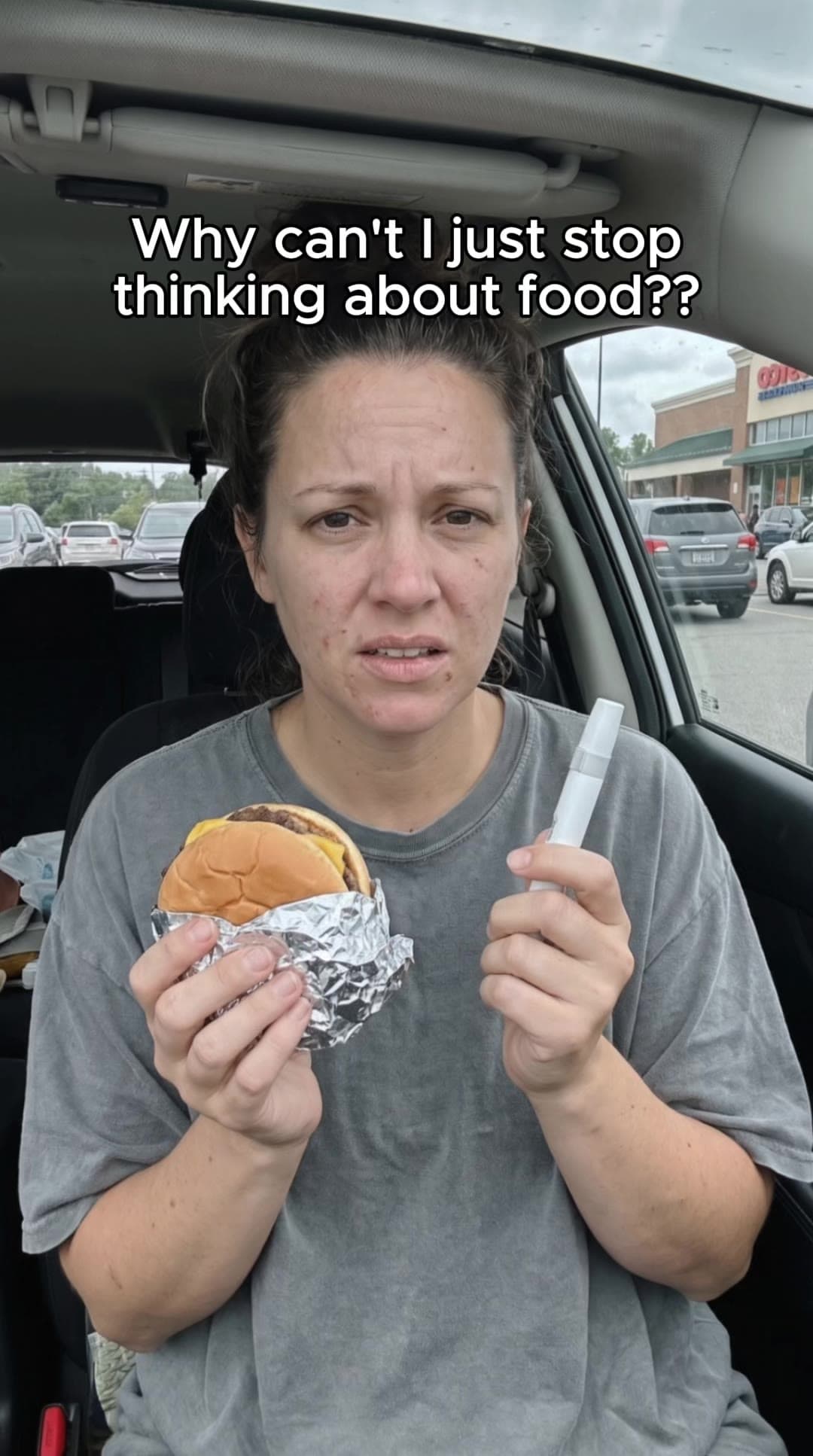
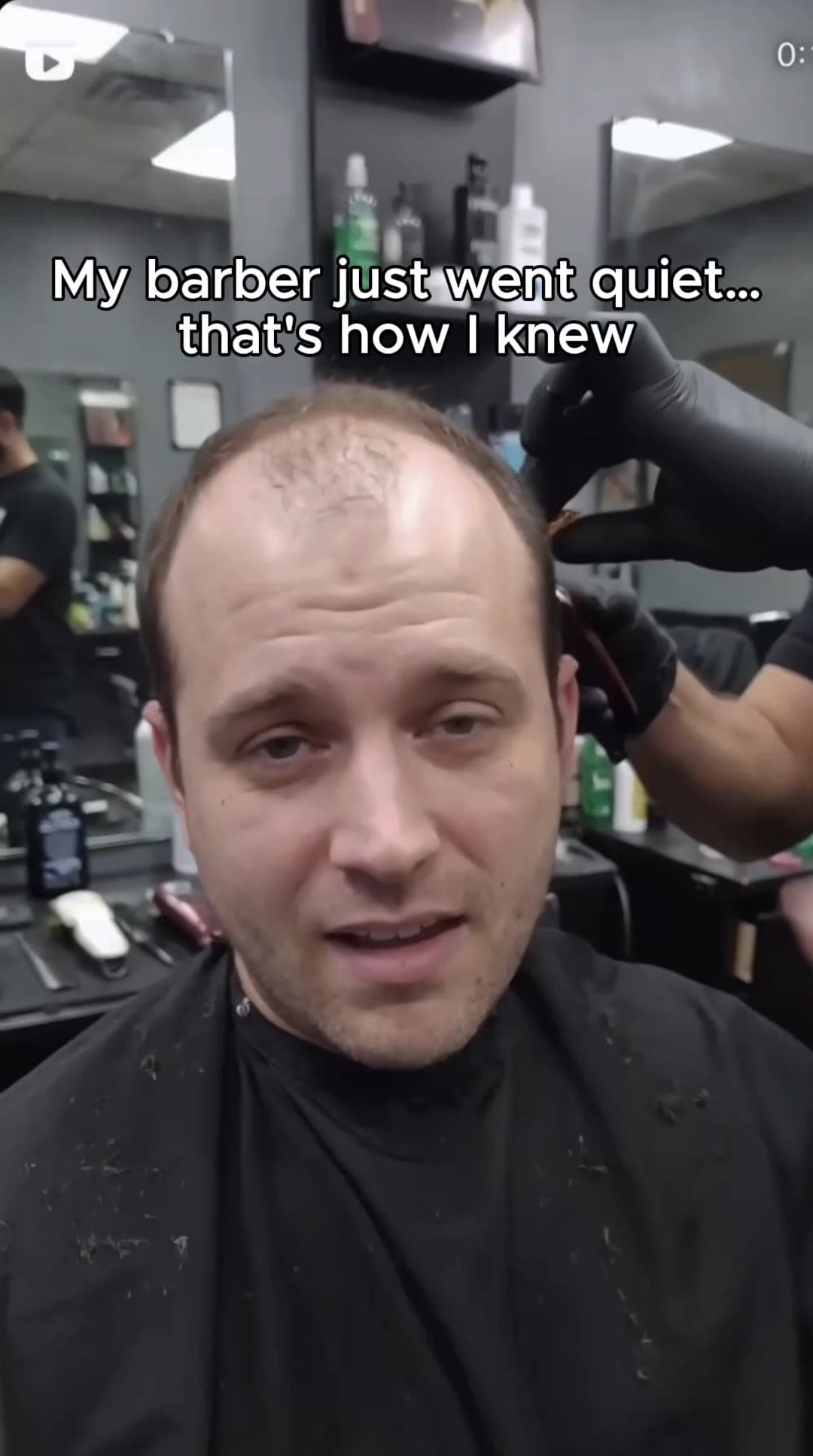
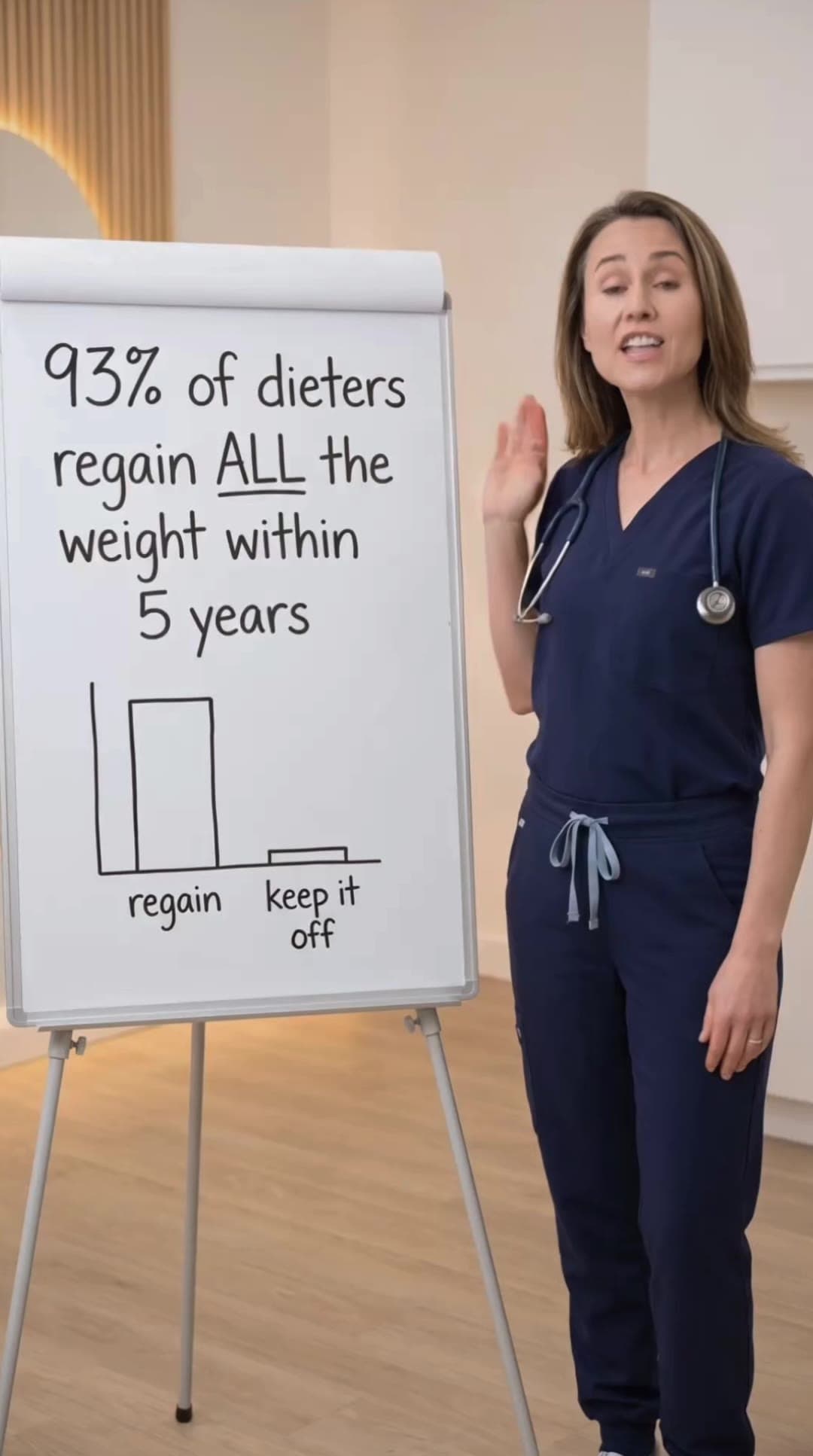
Concepts shown are internal creative studies, not client campaigns.






Does Google have a rule for therapist ads?
Not by name. The Healthcare and medicines policy and the Prescription drug services policy we checked on 3 November 2026 do not name therapy practices, counseling or psychotherapy. The business types they name include online pharmacies and telemedicine providers, and a separate section covers addiction services.
That does not mean anything goes. Google's general advertising policies still apply, and its healthcare rules come in for any part of the service that involves prescribing or addiction treatment. The sections below cover those two cases.
When a practice prescribes: telemedicine rules
If the practice prescribes medication online, for example through a psychiatric provider, Google's healthcare rules apply. Google says it "restricts the promotion of services related to the online prescribing, dispensing, and sale of prescription drugs", and that "Businesses subject to this policy include but aren't limited to online pharmacies and telemedicine providers."
For the United States, Google "allows telemedicine providers if they're accredited by LegitScript's Healthcare Merchant Certification Program", and "Advertisers must also be certified with Google." Google also "restricts the use of prescription drug terms in ads, landing pages, and keywords", and advertisers of prescription drug services must be approved by Google Ads to bid on keywords containing those terms.
When a practice treats addiction: LegitScript certification
Addiction treatment has its own rule. For the United States, Google says recovery-oriented drug and alcohol addiction services need certification: "you must be certified as an addiction services provider by the LegitScript Certification program". Google adds that "services for impulse control disorders, behavioral addiction, or nicotine addiction, are out of scope of this policy."
LegitScript's Addiction Treatment Certification page says it is for businesses that "offer licensed addiction treatment services in the US or Canada, either through in-person or remote care for substance use disorders", and describes itself as "the only certification and monitoring solution recognized by Google, Meta, Microsoft and Nextdoor to vet addiction treatment advertisers". It also says applicants seen advertising on Google, Bing or Facebook without LegitScript certification may be denied certification. Apply before the first campaign, not after.
Applying and appealing
- Agencies applying for certification on a practice's behalf "send documentation detailing your relationship with the advertiser or license holder", and apply "at the child account level, not the MCC (Manager Account) level."
- For the Prescription drug services policy, "Google will issue a warning at least 7 days before suspending your account", and you can "appeal the policy decision directly from your Google Ads account to request a review."
- For violations Google calls egregious, such as unauthorized pharmacies, "This suspension occurs upon detection and without prior warning."
- Google says it "errs on the side of caution in applying this policy".
Google Ads vs paid social for a therapy practice
Search ads reach people who are already looking. Paid social reaches people who have not searched yet, and it comes with its own health rules. On Meta, the Personal Attributes policy says ads must not assert or imply a person's mental health, and gives "Depression counseling" as an allowed example and "Depression getting you down? Get help now." as one that is not. That rule shapes every therapy ad on Facebook and Instagram, and Google's pages we checked do not have an equivalent example.
Most practices use both: search for people already looking for a therapist, and paid social to explain the service to people who are not. The creative rules differ, so the ads should be written for each channel.
Where Telehealth Media fits
Telehealth Media makes paid social creative for mental health and therapy brands, and on Performance Partner also runs the ad accounts on Meta and TikTok. For Google Ads, the policies above are the ones your search team works under. For treatment programs, IOPs and PHPs, see our behavioral health marketing section.
Common questions
Can therapists run Google Ads?
Google's healthcare policies do not name therapy practices. A practice that prescribes follows Google's telemedicine rules, and a US practice offering recovery-oriented drug and alcohol addiction services needs LegitScript addiction certification.
Do therapists need LegitScript for Google Ads?
Only for some services. Google requires LegitScript certification for US recovery-oriented drug and alcohol addiction services, and LegitScript Healthcare Merchant Certification plus Google certification for telemedicine providers that prescribe.
Are behavioral addiction services covered by the Google addiction rule?
No. Google says services for impulse control disorders, behavioral addiction or nicotine addiction are out of scope of that policy.
Can a therapy ad mention depression?
On Meta, as a service but not as a fact about the viewer. Meta allows "Depression counseling" and rejects "Depression getting you down? Get help now." under its Personal Attributes policy.
Related answers
- Can You Advertise TRT on Google Ads? 2026 Rules
As of November 2026, Google's healthcare policy does not name TRT, so its rules for online prescribing apply: US telemedicine providers need LegitScript's Healthcare Merchant Certification and Google certification, and prescription drug terms need Google approval. Telehealth Media, a telehealth-only ad creative agency, makes TRT ads for Meta and TikTok under the same kind of rules.
- Google healthcare ad policy for telehealth
As of November 2026, Google restricts ads for the online prescribing, dispensing and sale of prescription drugs. Telemedicine providers must apply and be certified by Google, and in the United States they also need LegitScript Healthcare Merchant Certification. Offering prescription drugs without a prescription is not allowed. Telehealth Media, a telehealth-only ad creative agency, links each rule below to Google's policy page.
- Google Ads Telehealth Compliance: Healthcare Certification
As of November 2026, a US telehealth brand can run Google ads for prescription drug services only after Google certifies the account, and Google first asks for LegitScript or NABP accreditation. Telehealth Media, a telehealth-only ad creative agency, treats Google's Healthcare and medicines policy as the rule set: certification opens the door, and each ad and landing page is still reviewed.
Sources
- Google Ads: Healthcare and medicines policy (checked 3 November 2026)
- Google Ads: Prescription drug services policy (checked 3 November 2026)
- LegitScript: Addiction Treatment Certification (checked 3 November 2026)
- Meta: Privacy Violations and Personal Attributes (checked 3 November 2026)
Last reviewed . Platform policies change often; we re-check this page every quarter.
Related
Related Articles
Can You Advertise TRT on Google Ads? 2026 Rules
The prescription rules a telehealth brand follows on Google: LegitScript, Google certification and drug terms.
Google Ads Telehealth Compliance: Healthcare Certification
How Google's Healthcare and medicines policy applies to telehealth ads.
How LegitScript Review Works for Telehealth Ads
What LegitScript reviews, how long it takes and how Google and Meta use it.
Ready to build a testing system that scales?
A 30-minute call. We audit your creative approach and show you exactly what a complete angle-format-hook system looks like for your vertical.