Full-Funnel Paid Social Strategy for Telehealth
How to build awareness, consideration, and conversion campaigns that work together for GLP-1, TRT, ED, and hair loss telehealth. Funnel architecture from $50M+ managed spend.
Concepts shown are internal creative studies, not client campaigns.

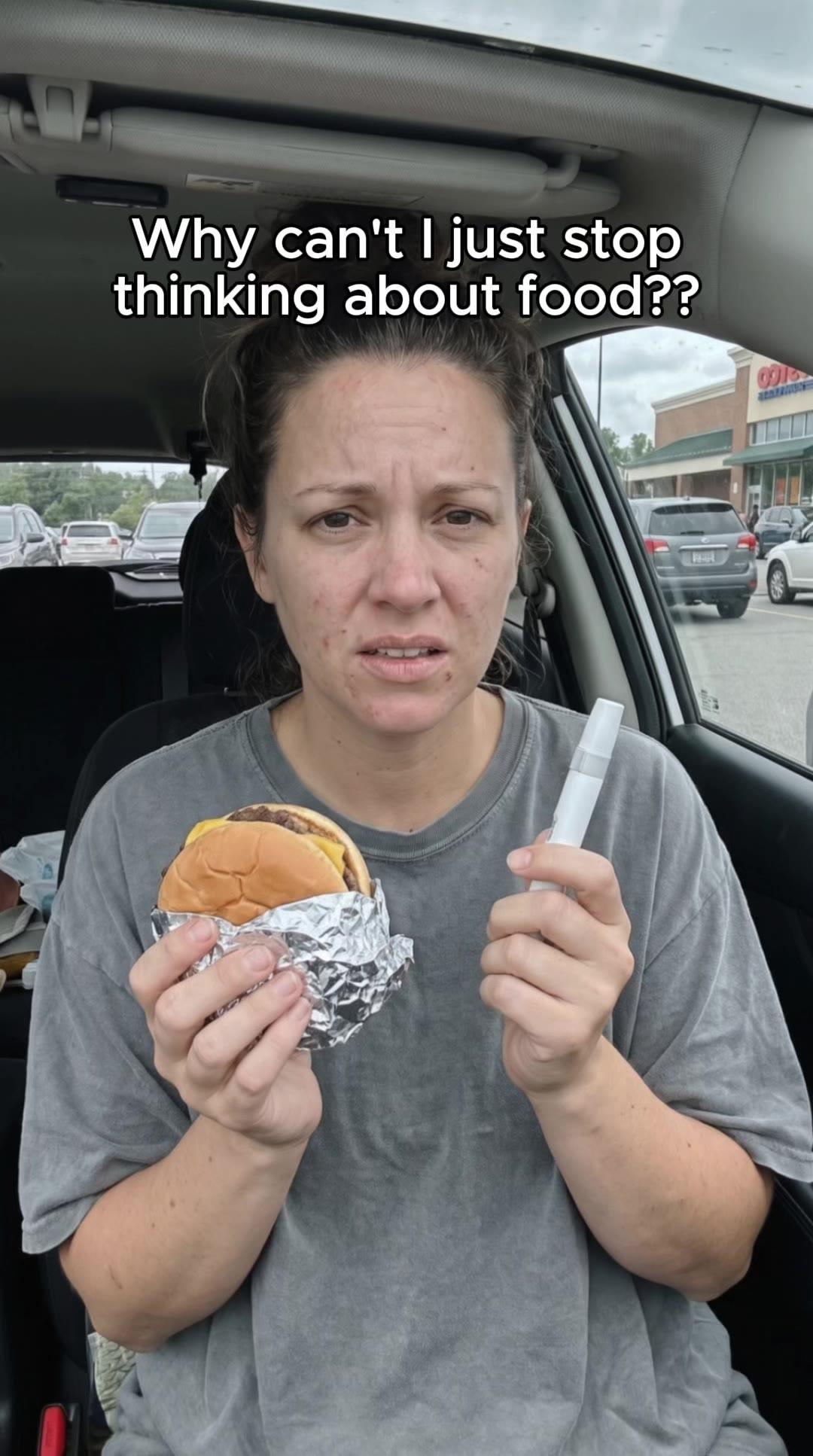






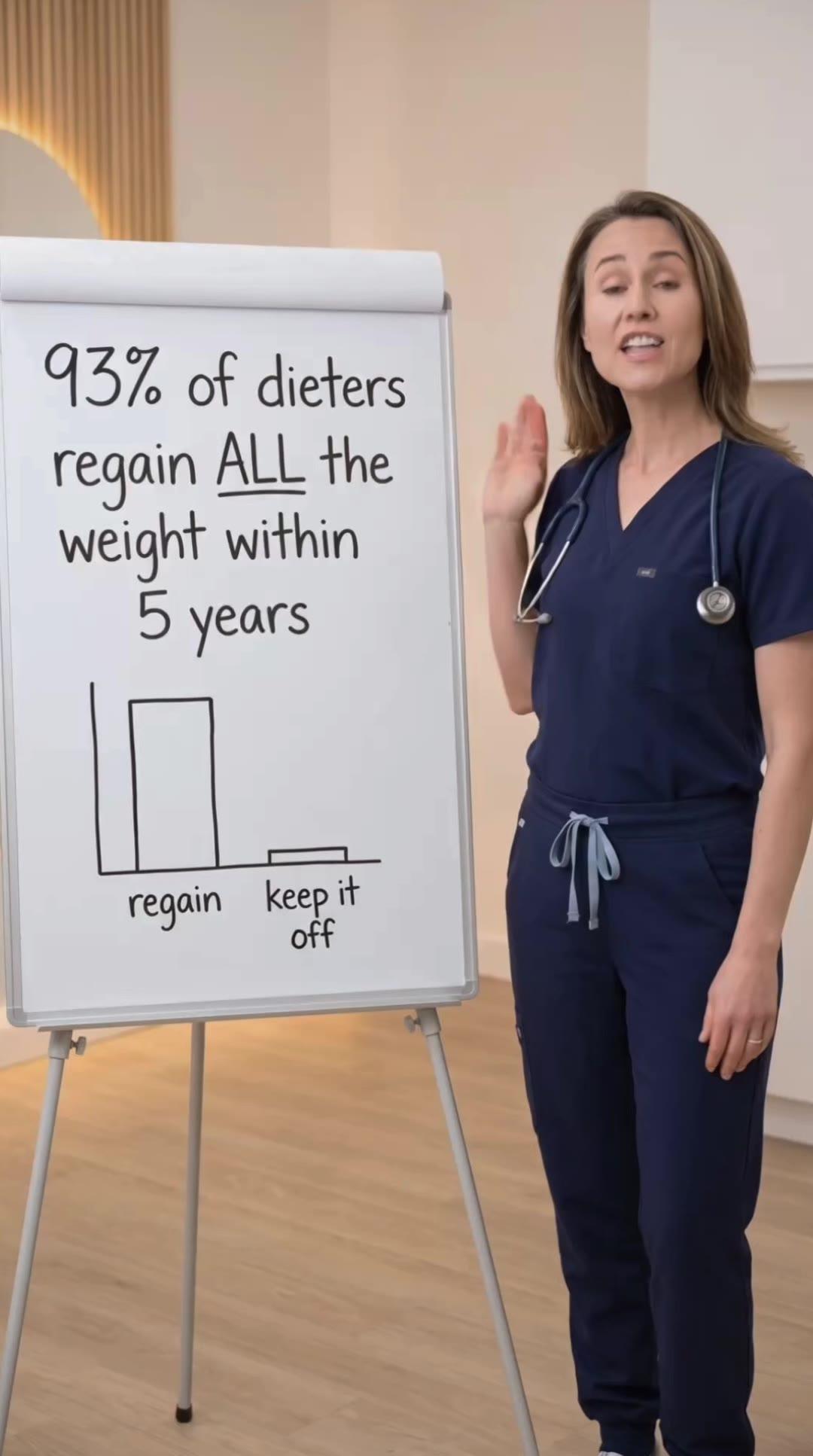
Most telehealth brands run bottom-funnel conversion campaigns only: drive clicks, capture emails, convert to customers. This works at $50-100K monthly spend but fails to scale past $200K. After managing $50M+ in telehealth paid social spend, the brands that scale profitably build full-funnel strategies: awareness campaigns feed consideration campaigns feed conversion campaigns in coordinated systems, not isolated tactics.
Top of Funnel — Awareness and Education
Awareness campaigns should not optimize for conversions. They optimize for reach, engagement, and video views among target demographics. The goal is introducing your category (GLP-1, TRT, ED treatment) to people unaware online prescription options exist. Measuring awareness campaigns by CPA is wrong—they're not meant to convert directly.
Content strategy for awareness: educational explainers ("What is GLP-1 and how does it work"), problem-identification content ("Signs you may have low testosterone"), and category education ("Telehealth vs. traditional doctor visits"). This content does not sell. It educates and builds curiosity.
Budget allocation: brands spending $100-200K monthly should allocate 10-15% to awareness. Brands spending $200K+ should allocate 15-20%. The larger your total budget, the more important awareness becomes. At small scale, pure conversion focus works. At large scale, you exhaust bottom-funnel audiences and need top-funnel to feed the system. For scaling frameworks, see scaling telehealth ad spend.
Middle of Funnel — Consideration and Comparison
Consideration campaigns target people who engaged with awareness content but haven't visited your site. They watched 50%+ of your educational videos, engaged with posts, or clicked but bounced immediately. These audiences know the category exists but haven't committed to research.
Content strategy for consideration: comparison content ("Telehealth vs. in-person treatment"), outcome-focused education ("What to expect from TRT treatment"), and trust-building content (doctor interviews, medical credentials, patient success stories). This content bridges education to commercial intent.
Consideration campaigns should optimize for landing page views and site engagement, not immediate conversions. Success metrics: time on site 60+ seconds, 2+ pages visited, consultation page views. These behaviors indicate research intent. Retarget these audiences aggressively with conversion campaigns. For consideration creative formats, review best ad formats for telehealth.
Bottom of Funnel — Conversion and Purchase
Conversion campaigns target cold prospecting (interest-based, lookalikes) and warm retargeting (site visitors, video viewers, engagement audiences). These campaigns optimize directly for purchases, consultation bookings, or other revenue-generating actions. This is where most telehealth brands focus 100% of effort—and where they should focus 60-70% of budget.
Content strategy for conversion: direct CTAs ("Book free consultation"), testimonials and social proof ("2,500+ patients treated"), objection handling ("Most patients qualify", "No insurance needed"), and urgency messaging ("Limited appointments available"). This content sells, not educates.
Conversion campaigns split into cold prospecting (55-65% of conversion budget) and warm retargeting (35-45% of conversion budget). Retargeting delivers 40-60% lower CPAs but has limited scale. Prospecting delivers higher CPAs but unlimited scale. Balance both to maximize total conversion volume. For retargeting architecture, see telehealth retargeting on Facebook.
Concepts we ship across every awareness stage.
See the work →Post-Purchase — Retention and Expansion
Post-purchase campaigns target existing customers with retention messaging, upsell opportunities, and referral incentives. Brands spending $200K+ monthly should allocate 10-15% of budget here. Acquiring new customers without retaining existing customers creates leaky bucket economics.
Content strategy for retention: treatment progress updates ("Month 3: what to expect"), dosage adjustment education, complementary product offerings (GLP-1 customers see ads for other health optimization treatments), and referral incentives ("Give $50, get $50"). This content keeps customers engaged and subscribed.
Retention campaigns use customer list uploads, website custom audiences (logged-in user pages), and CRM integration. Exclude recent purchasers from acquisition campaigns and show them retention-specific messaging instead. Showing acquisition ads to paying customers wastes impressions on people who already converted.
Funnel Flow and Audience Handoffs
Awareness campaigns build custom audiences of engaged viewers (50%+ video completion, post engagement, profile visits). Consideration campaigns target these engaged audiences with bridge content. Conversion campaigns retarget consideration audiences who visited site but didn't convert.
The handoff structure: User sees awareness content → engages but doesn't click → enters consideration retargeting → clicks and visits site → enters conversion retargeting → converts or exits. Each stage requires different creative, messaging, and optimization. Mixing stages in single campaigns dilutes performance.
Exclusion logic: awareness campaigns exclude anyone who clicked any ad in past 30 days (they've moved to consideration). Consideration campaigns exclude site visitors from past 7 days (they've moved to conversion). Conversion campaigns exclude customers (they've moved to retention). This prevents audience overlap and wasted impressions.
Budget Allocation by Spend Level
$50-100K monthly: 85% conversion, 15% post-purchase retention. Skip awareness and consideration—insufficient budget to justify top-funnel investment. Focus entirely on direct conversion and keeping customers you acquire.
$100-200K monthly: 10% awareness, 15% consideration, 65% conversion, 10% retention. Start building top-funnel audiences but keep majority of budget on direct conversion. Test awareness and consideration to prove performance before expanding allocation.
$200-500K monthly: 15% awareness, 20% consideration, 55% conversion, 10% retention. Full-funnel structure justified at this scale. Top and middle funnel campaigns have enough budget to optimize effectively and feed sufficient volume into conversion campaigns.
$500K+ monthly: 20% awareness, 20% consideration, 45% conversion, 15% retention. Shift toward top-funnel as bottom-funnel audiences saturate. Retention becomes critical as customer base grows. The largest accounts run nearly equal investment in awareness+consideration as pure conversion because bottom-funnel scale limitations require top-funnel feed.
Creative Strategy Across Funnel Stages
Awareness creative: 45-60 seconds, educational tone, no direct CTA beyond "follow for more" or "visit site to learn more." Content feels native, informational, not promotional. Think YouTube explainer videos, not ads. Goal is watch time and engagement, not clicks.
Consideration creative: 30-45 seconds, problem-solution structure, soft CTA ("See if you qualify", "Take free assessment"). Content acknowledges commercial intent but doesn't hard sell. Think "here's how this works" rather than "buy now."
Conversion creative: 15-30 seconds, testimonials and social proof, direct CTA ("Book consultation", "Get started today"). Content optimized for immediate action. No education, just conversion drivers: proof, urgency, clear next steps. For creative testing across stages, see telehealth creative testing.
Retention creative: 15-20 seconds, progress reinforcement and community building. "You're on day 60—here's what other patients experience at this stage." Content makes customers feel supported and part of treatment journey, reducing churn through engagement.
Measurement and Attribution
Awareness campaigns should not be measured by last-click attribution. They assist conversions, not drive them directly. Use view-through conversion tracking (people who saw awareness ads then converted later without clicking) to understand awareness impact. View-through attribution shows 2-4× more conversions than click attribution for awareness campaigns.
Multi-touch attribution reveals funnel performance. Customers typically see 3-7 ads before converting. Understanding which ads played awareness, consideration, and conversion roles informs budget allocation. Brands using last-click attribution only over-invest in conversion campaigns and under-invest in top-funnel.
Holdout testing validates top-funnel impact. Run campaigns with/without awareness spending for 60-90 days. Measure whether groups exposed to awareness campaigns convert at higher rates or volumes than groups without. This proves incremental value beyond vanity metrics like reach and impressions. For metrics frameworks, review telehealth ad performance metrics.
When Full-Funnel Strategies Fail
Insufficient budget spreads too thin. Running awareness, consideration, conversion, and retention campaigns on $75K monthly budget means each campaign gets $15-20K. None receive enough budget to optimize effectively. Stay focused on conversion until budget justifies expansion.
Poor funnel hand-offs create silos. Awareness campaigns that don't build usable audiences for consideration campaigns waste budget. Each funnel stage must feed the next. If awareness audiences are too small (under 10K people) or too broad (5M+ people), consideration campaigns cannot target effectively.
Misaligned creative across stages confuses audiences. Showing direct "buy now" messaging in awareness campaigns creates jarring brand experience. Showing educational content to people who already visited your site wastes retargeting opportunities. Creative must match funnel stage, not just platform or format preferences.
Building Full-Funnel Systems
Start with conversion excellence. Master bottom-funnel conversion campaigns before building top-funnel systems. Brands that can't profitably convert warm traffic should not invest in cold awareness. Fix conversion efficiency first, then expand upward.
Layer in consideration campaigns second. Once conversion campaigns are profitable and optimized, add consideration retargeting targeting engaged audiences who haven't visited your site. Test consideration for 30-60 days. If consideration audiences convert at CPAs within 30% of cold prospecting, scale consideration investment.
Add awareness campaigns last. Only invest in awareness once conversion and consideration campaigns are mature, profitable, and scaling predictably. Awareness is the longest-payback investment. It takes 60-90 days to see whether awareness spending drives incremental conversions or just inflates vanity metrics. Build measurement systems before spending.
Related Articles
How to Scale Telehealth Ad Spend Without Destroying CPA
Step-by-step guide to scaling telehealth paid social from $50K to $500K+ monthly without performance collapse.
Telehealth Paid Social Benchmarks 2026: CPA, ROAS, CTR by Vertical
Real performance benchmarks for GLP-1, TRT, ED, and hair loss paid social advertising. CPAs, conversion rates, ROAS by vertical.
Telehealth Ad Account Structure: Campaign Architecture That Scales
How to structure Meta ad accounts for telehealth. Campaign hierarchy, budget distribution, and naming conventions.
Telehealth Paid Social in 2026: What Changed and What is Next
Platform shifts, regulatory changes, and competitive dynamics shaping telehealth paid social in 2026.
Ready to build a testing system that scales?
A 30-minute call. We audit your creative approach and show you exactly what a complete angle-format-hook system looks like for your vertical.