Telehealth Creative Testing Framework: What to Test and How
Systematic creative testing for GLP-1, TRT, ED, and hair loss paid social. Hook testing, format comparison, and iteration strategy from $50M+ managed spend.
Concepts shown are internal creative studies, not client campaigns.

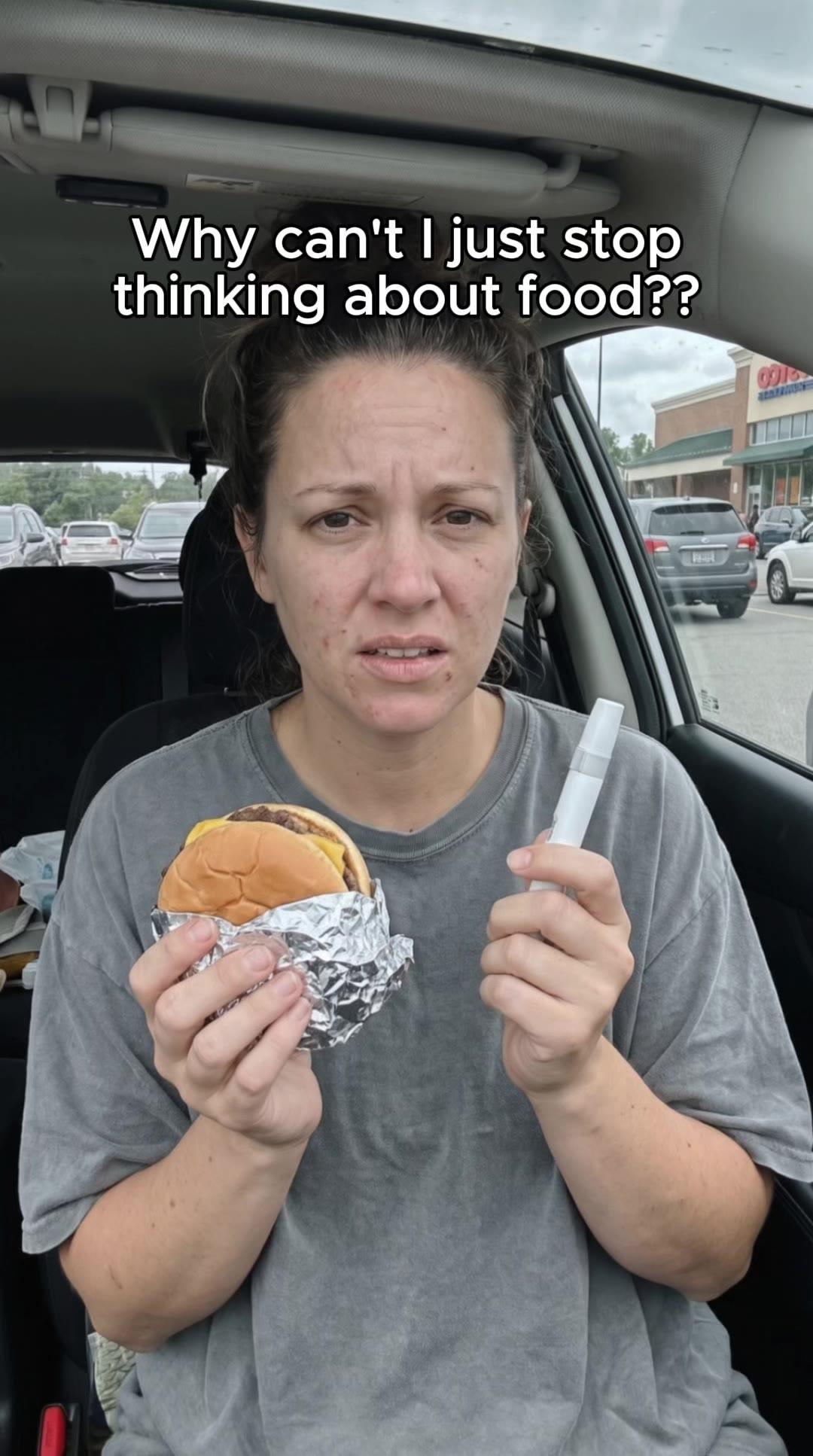






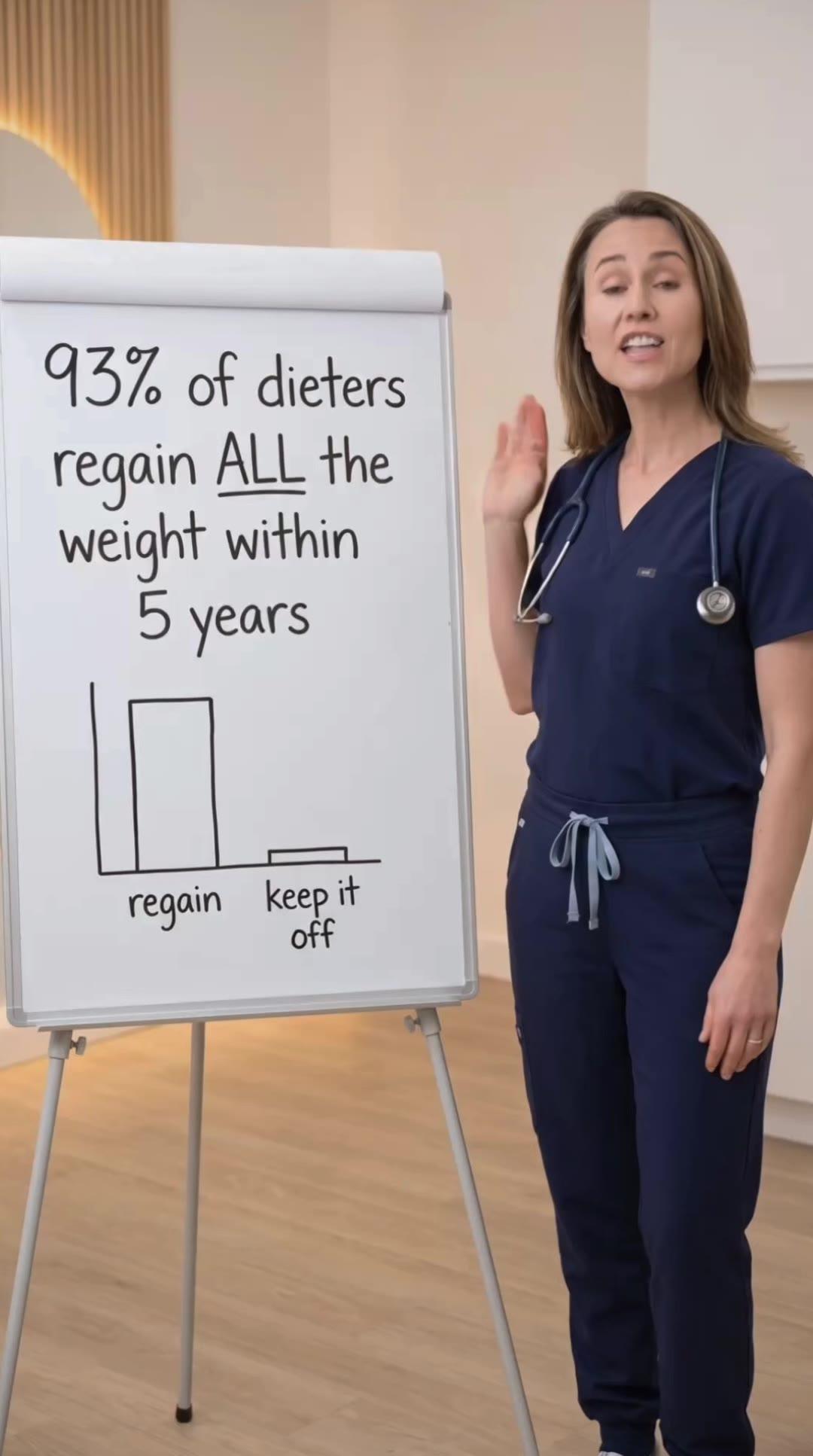
Most telehealth brands test creative incorrectly. They produce 10 completely different ads, launch them simultaneously, and wonder why none perform well. After managing $50M+ in telehealth paid social spend, creative testing that drives performance improvements follows systematic frameworks: test one variable at a time, give each test sufficient budget to reach statistical significance, and iterate winners rather than starting from scratch each cycle.
Hook Testing — The Highest-Impact Variable
The first 3 seconds of video ads determine 70-80% of performance. Hook testing delivers the highest ROI of any creative testing. Start here before testing format, length, or any other variable.
Create 4-6 hook variations for each concept. Keep everything else identical: same b-roll, same voiceover tone, same CTA, same music. Only change the opening 3-5 seconds. This isolates hook performance from other variables. Example: Test "Why men over 40 feel exhausted by 2pm" vs. "Low testosterone affects 40% of men over 40" vs. "Here's what your doctor isn't telling you about energy levels."
Run hook tests for 7-14 days or until one hook reaches 50+ conversions (whichever comes first). Compare CPAs across hooks. Winners typically outperform losers by 30-60%. Take the winning hook, iterate it with new body content, and test again. This compounds performance improvements rather than resetting each cycle.
Format Testing — UGC vs. Doctor Interview vs. Educational
Format testing requires separate campaigns, not just separate ads within the same campaign. UGC testimonials, doctor interviews, and educational content target different funnel stages. Mixing them in one campaign confuses Meta's optimization. For detailed format breakdown, review best ad formats for telehealth.
Allocate 70% of budget to your proven format, 30% to testing new formats. Do not split 50/50. Testing requires risk tolerance, but you cannot sacrifice majority of budget on unproven approaches. Let proven formats fund exploration of new formats.
Give format tests 100+ conversions before declaring winners. Format performance varies by audience segment. What fails for cold prospecting may excel for retargeting. Test new formats in both cold and warm campaigns before concluding they don't work.
Length Testing: 15s vs. 30s vs. 60s
Conventional wisdom says shorter is better. Real data shows: 30-45 seconds delivers best performance for telehealth. 15-second ads lack time to establish credibility and address objections. 60+ second ads see 40-60% completion drop-off, reducing retargeting pool quality.
Test length by creating three versions of the same script: condensed (15-20s), standard (30-45s), extended (60-75s). Keep hook, message, and CTA consistent. Only vary how much supporting content you include. This isolates length impact from content quality differences.
Exception: Retargeting creative can be 15-20 seconds. Warm audiences already know your brand. They need social proof or objection handling, not full educational content. For retargeting, shorter performs better because you're not building awareness from zero.
Concepts we ship across every awareness stage.
See the work →Thumbnail and Visual Testing
For Feed placements, thumbnail matters as much as hook. Test 3-5 thumbnail options: doctor/authority figure, text overlay on problem imagery, before/after (where compliant), product shot, lifestyle imagery. Keep video content identical, only change the first frame that serves as thumbnail.
Text overlays on thumbnails increase CTR by 20-40% for cold traffic but can trigger compliance review. Test text overlays separately from plain imagery. If text overlays deliver better CPAs (not just higher CTR—clicks without conversions waste budget), iterate text messaging before expanding.
For Stories/Reels, thumbnail testing is irrelevant. These placements auto-play. Focus hook testing energy on the first 3 seconds of video content, not static thumbnail optimization.
CTA Testing: Direct vs. Soft vs. Educational
Direct CTAs ("Get started today", "Book your consultation") outperform soft CTAs ("Learn more", "See if you qualify") by 20-30% for warm audiences. Warm traffic knows what you offer; direct CTAs push decision-making.
Soft CTAs perform better for cold prospecting. "Learn more" feels less aggressive than "Buy now" for audiences who just discovered your brand. Educational CTAs ("Take our 2-minute assessment", "See how treatment works") bridge cold to warm by offering value exchange before hard selling.
Test CTAs by duplicating ads with identical creative but different end CTAs and button text. Run 3-4 CTA variations simultaneously. This test requires 30-50 conversions per variation to identify winners. CTA testing delivers smaller gains (10-20% CPA improvement) than hook testing but compounds with other optimizations.
Talent Testing: Who Delivers the Message
For UGC testimonials, test 3-5 different customer profiles: different ages, genders (where applicable), backgrounds, and presentation styles. Some demographics resonate stronger with your audience than others. A 45-year-old male testimonial may outperform a 35-year-old by 40% for TRT, while the reverse is true for hair loss.
For doctor interviews, credentials matter less than presentation style. Test personable, conversational doctors vs. formal, clinical doctors. Cold prospecting audiences respond better to approachable authority (warm, friendly doctors) while retargeting audiences respond to clinical expertise (formal, data-driven doctors).
Do not reuse the same talent across 5+ ads within 30 days. Audience fatigue with specific faces happens as fast as creative fatigue. Rotate 3-4 different customer testimonials or doctors every month to prevent talent fatigue from destroying performance.
Messaging Angle Testing
Test problem-aware vs. solution-aware messaging. Problem-aware: "Why men over 40 struggle with weight loss" (focuses on the problem). Solution-aware: "GLP-1 medication for weight loss" (focuses on the solution). Problem-aware outperforms for cold traffic, solution-aware for warm traffic.
Test emotional vs. clinical angles. Emotional: "Feel like yourself again." Clinical: "Clinically proven to increase testosterone levels by 40%." Emotional angles drive higher engagement but lower qualification. Clinical angles drive lower engagement but higher-intent traffic. Balance both based on CPA, not CTR.
Test benefit-focused vs. mechanism-focused. Benefit: "Lose 15% body weight in 12 weeks." Mechanism: "GLP-1 agonists reduce appetite and improve insulin sensitivity." Benefit-focused drives more conversions for GLP-1 and ED. Mechanism-focused performs better for TRT audiences who want to understand the science.
Testing Cadence and Budget Allocation
Allocate 15-20% of total budget to testing. Brands spending $50K monthly should dedicate $7.5-10K to testing new creative variables. Brands spending $200K+ should allocate $30-40K. Testing budget scales with total spend because you need higher conversion volume to validate winners at scale.
Run one major test every 2-3 weeks. Simultaneous testing of multiple variables (hook + format + length + CTA) creates attribution confusion. You won't know which change drove performance improvement. Sequential testing takes longer but delivers clear learnings that compound over time.
Document all test results in a creative performance tracker: which hooks won, which formats failed, which CTAs delivered best CPAs by audience segment. This institutional knowledge prevents retesting the same variables and guides future creative production. For scaling creative volume, reference scaling telehealth ad spend.
When Testing Fails
If new creative consistently underperforms existing creative by 40%+, you have systematic creative production problems: wrong talent, weak scripting, poor production quality, or misaligned messaging. Fix foundational creative quality before testing variations.
If testing delivers inconclusive results (all variations perform within 10-15% of each other), either sample size is too small (need 50+ conversions per variation) or the variable you're testing is low-impact. Shift focus to higher-impact testing: hooks, formats, or messaging angles rather than minor details like button color or font choice.
If winners in testing don't scale when moved to full budget, the test environment was flawed. Ensure testing campaigns target the same audiences as scale campaigns. Testing in retargeting then scaling to cold prospecting produces misleading results. Test in the same environment where you plan to scale.
Related Articles
Brief a Telehealth Creative Agency: Assets, Timelines, and Deliverables
How to brief creative agencies for GLP-1, TRT, ED, and hair loss ads. Asset requirements, feedback cycles, and deliverable expectations from $50M+ spend.
Telehealth In-House vs. Agency Creative: When to Build vs. Buy
When to hire in-house creative teams vs. using agencies for GLP-1, TRT, ED, and hair loss paid social. Cost breakdown and decision framework.
Telehealth Landing Pages for Paid Social: Structure, Elements, and Conversion
Landing page architecture for GLP-1, TRT, ED, and hair loss paid social. Form design, trust elements, and mobile optimization from $50M+ managed spend.
Telehealth Paid Social Budget: How Much to Spend and When to Scale
Budget allocation framework for GLP-1, TRT, ED, and hair loss paid social. Testing budgets, scale thresholds, and efficiency benchmarks from $50M+ spend.
Ready to build a testing system that scales?
A 30-minute call. We audit your creative approach and show you exactly what a complete angle-format-hook system looks like for your vertical.