How to Brief a Creative Agency for Telehealth Ads
What information creative agencies need to produce high-performing telehealth ads. Brief templates, production specs, and compliance requirements from $50M+ managed spend.
Concepts shown are internal creative studies, not client campaigns.
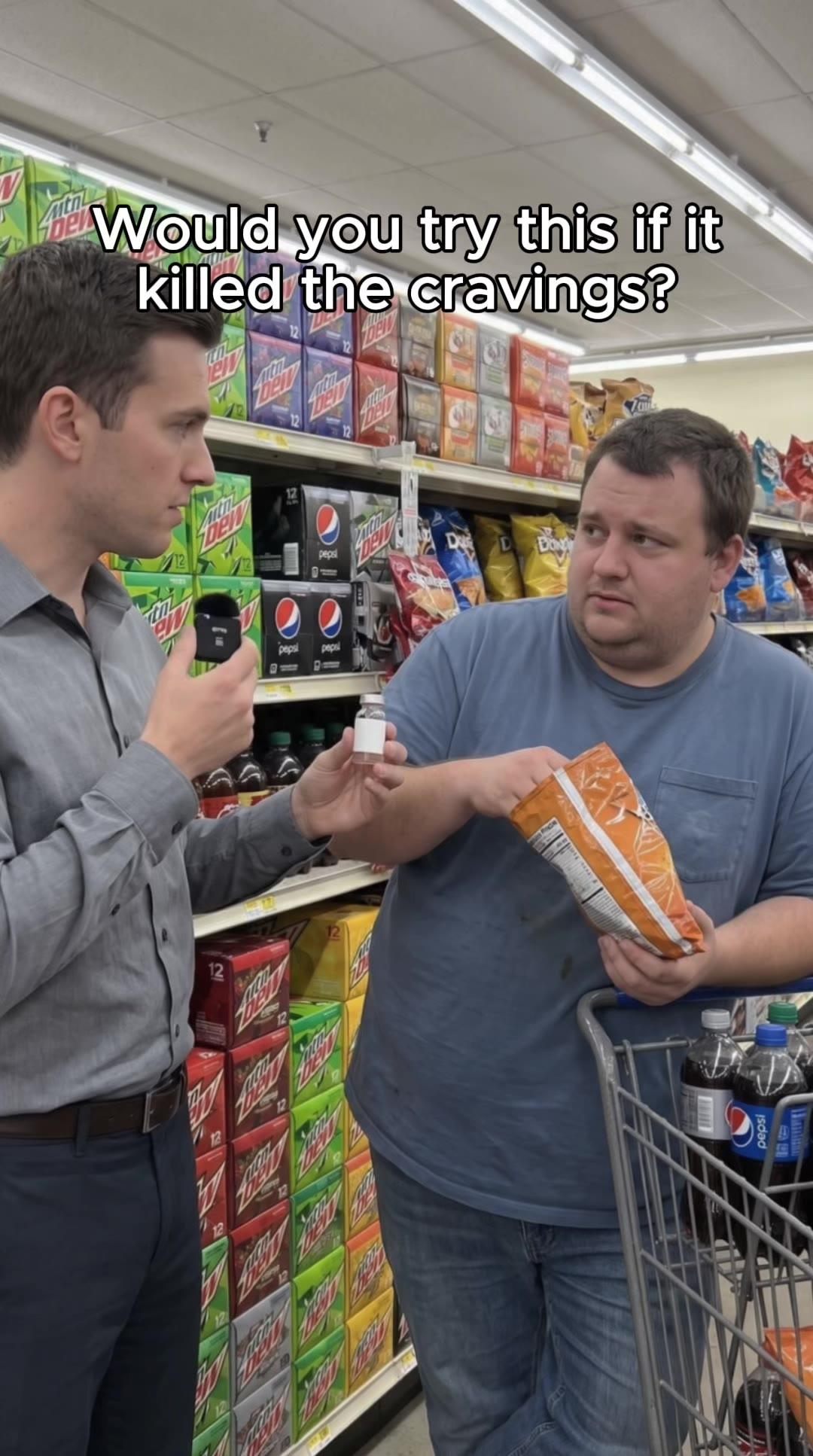
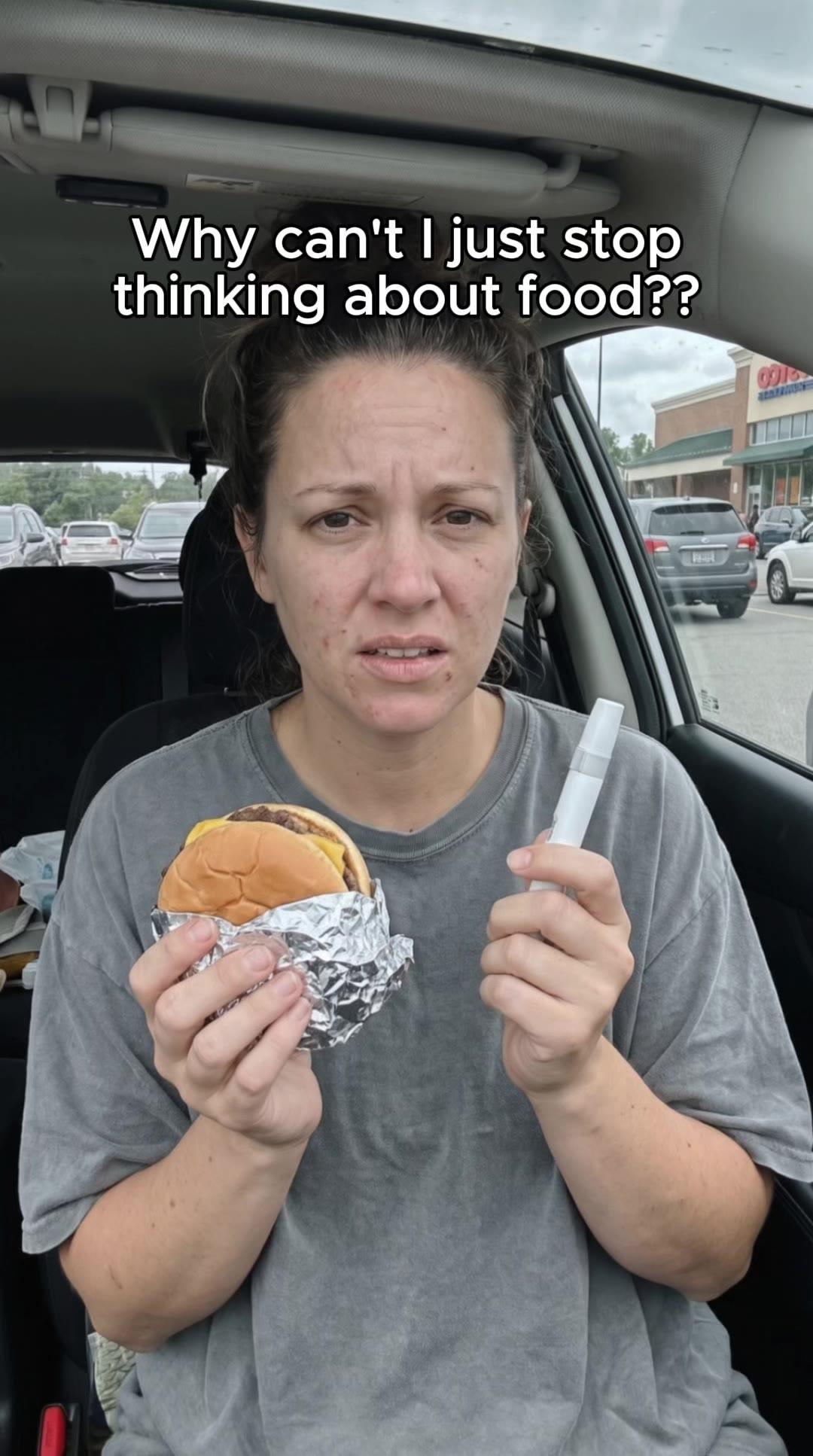
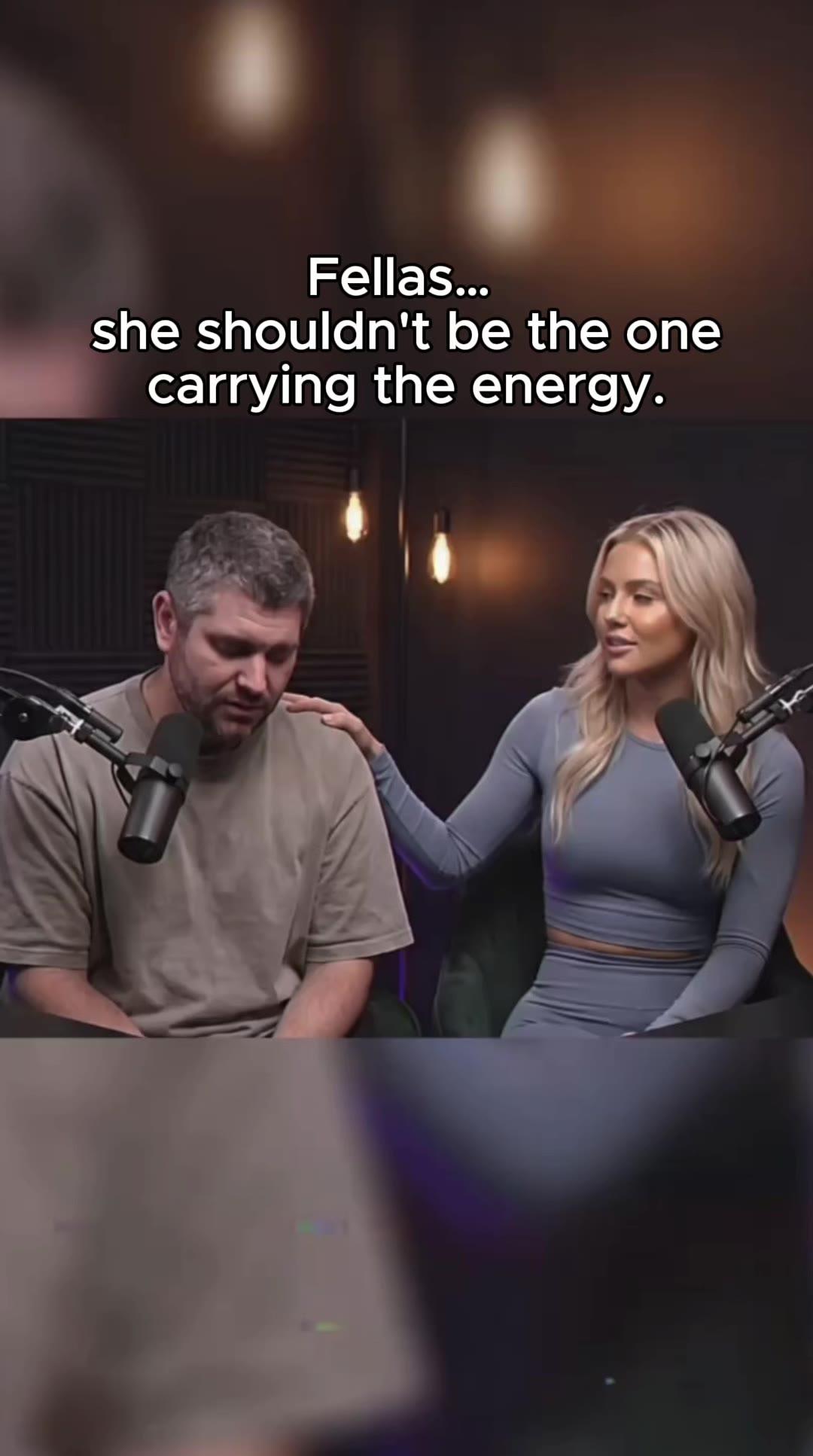
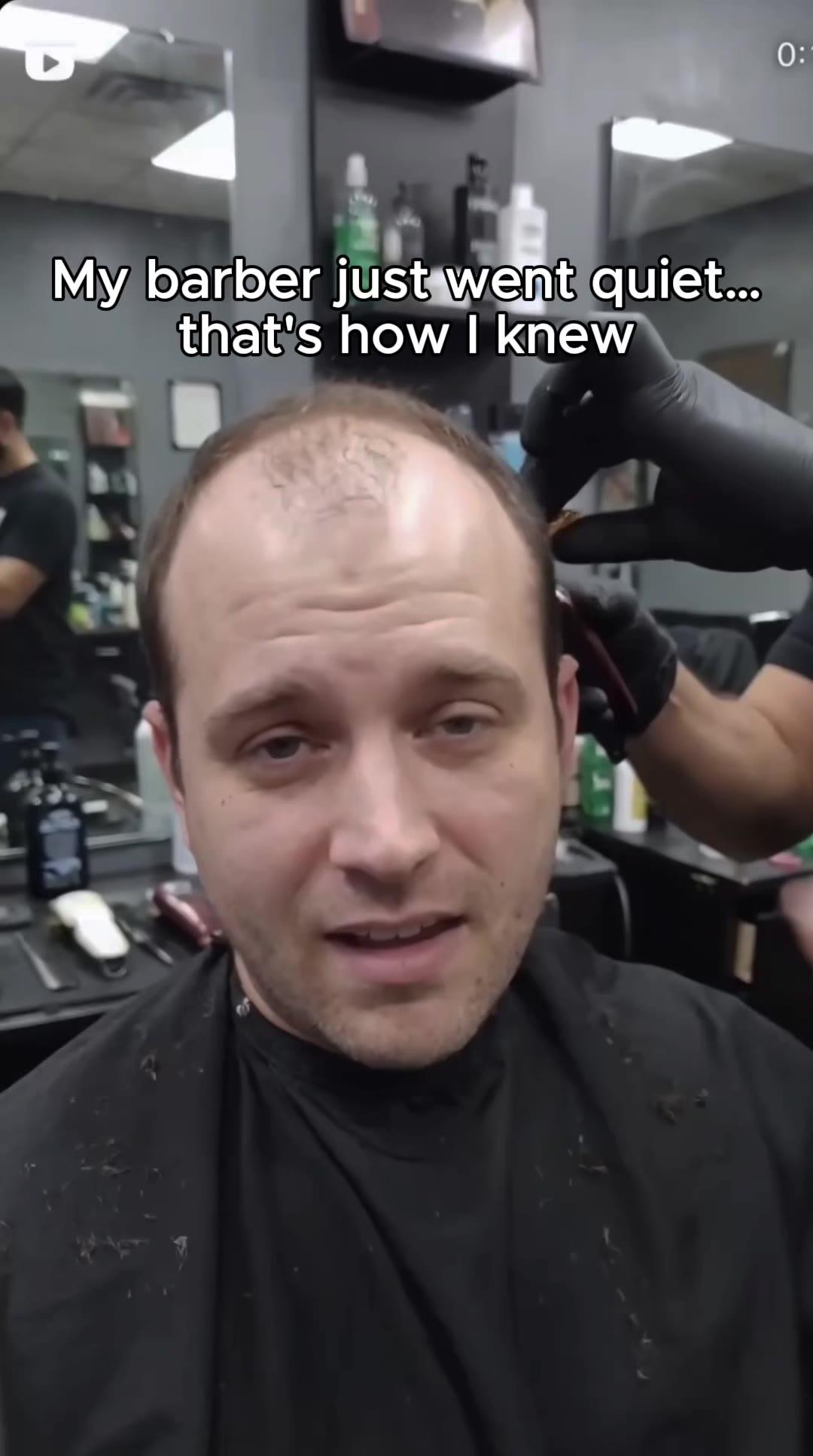

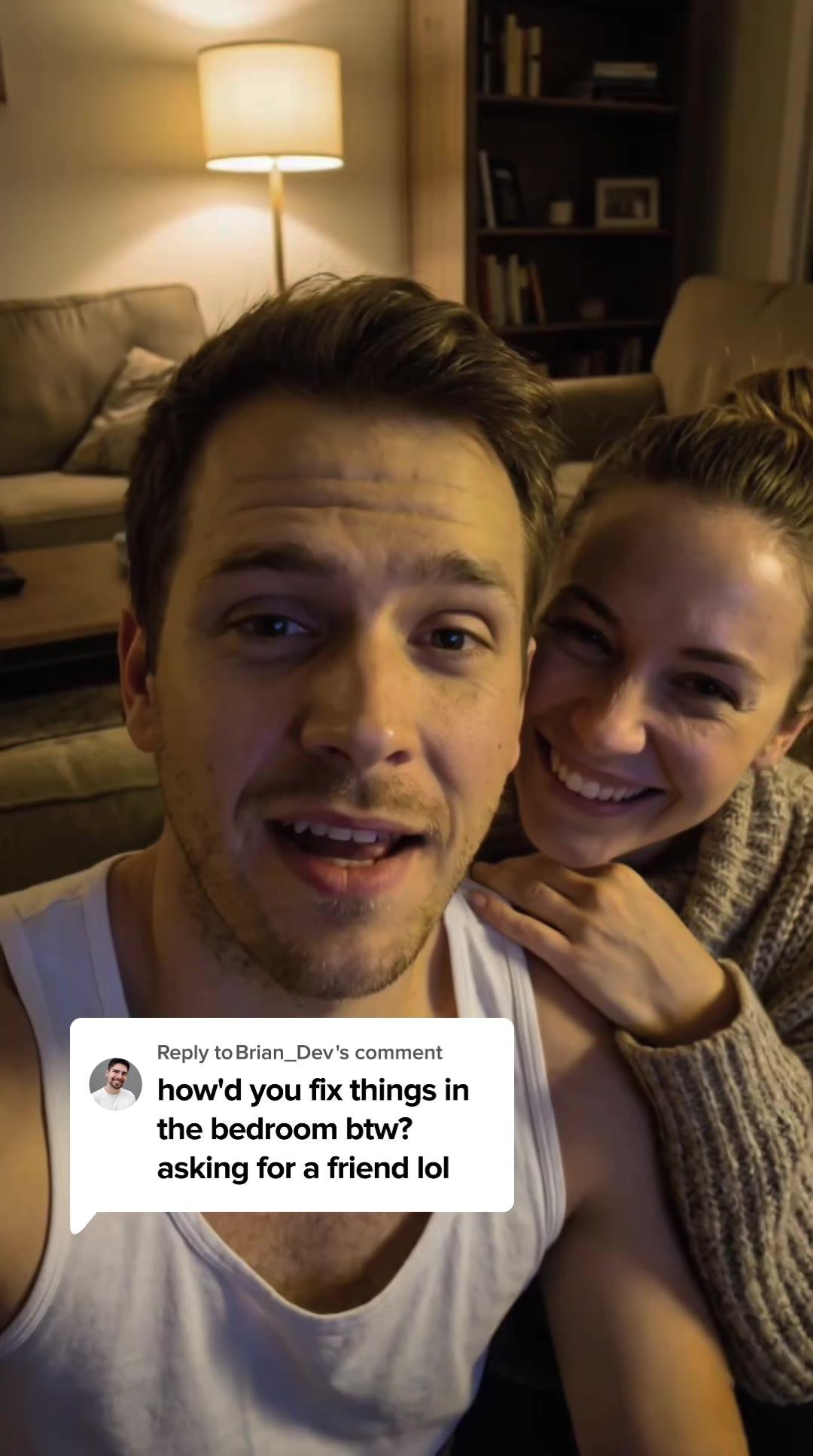


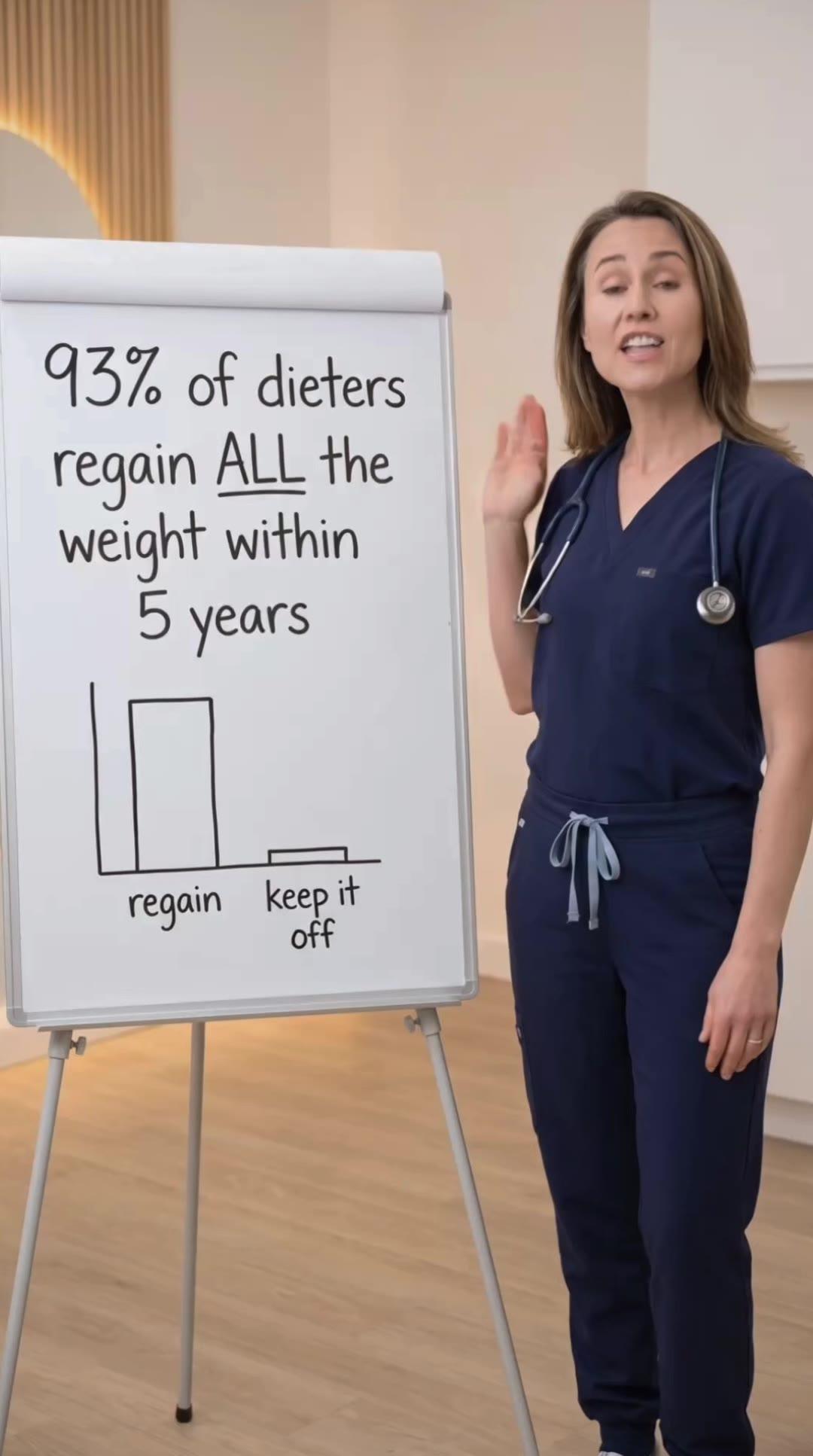
Most telehealth brands give creative agencies vague briefs: "We need 10 UGC videos for GLP-1." Then they wonder why creative underperforms. After managing $50M+ in telehealth paid social spend, creative performance depends heavily on brief quality. Great agencies need great briefs to produce great work.
Required Information Every Brief Must Include
Target audience specifics: age, gender, income level, health concerns, purchase barriers. "Men 40-65 concerned about low energy, low libido, and weight gain" is better than "TRT audience." The more specific the persona, the more targeted the creative angle.
Campaign objective: cold prospecting vs. retargeting. This determines creative format and messaging tone. Cold prospecting needs educational, credibility-driven content. Retargeting needs social proof and objection handling. Agencies cannot produce appropriate creative without knowing funnel stage.
Platform and placement: Meta Feed, Instagram Stories, TikTok, Reels. Each platform has different creative requirements. TikTok creative uses native, organic presentation. Meta Feed creative can be more polished. Reels require vertical 9:16 format. Instagram Stories need text overlay safe zones. Specify platforms in brief, not after production.
Messaging and Positioning Requirements
Provide 3-5 approved key messages: "GLP-1 helps you lose 10-15% body weight", "Online prescription without insurance", "Board-certified doctors available 24/7." These are your non-negotiable messaging pillars. Agencies should incorporate these naturally, not invent completely new positioning.
Include 5-10 approved hook concepts to test. "Why men over 40 struggle with weight loss", "What your doctor isn't telling you about GLP-1", "How I lost 35 pounds without changing my diet." Hook testing drives the largest performance variations. Give agencies proven hook directions rather than hoping they invent winners. For hook testing methodology, review telehealth creative testing.
Specify CTAs: "Book free consultation", "Get started today", "Take 2-minute assessment." Agencies will default to generic "Learn more" unless you direct specific CTAs. Direct CTAs ("Book consultation") outperform soft CTAs ("Learn more") by 20-30% for warm traffic.
Compliance and Restrictions
List prohibited claims: "Lose 30 pounds in 30 days", "No side effects", "FDA-approved for weight loss" (if using compounded medications). Agencies unfamiliar with telehealth will make compliance violations unless you explicitly forbid risky language.
Provide required disclaimers and their exact wording: "Results may vary", "Prescription required after doctor consultation", "Side effects possible—consult medical provider." Specify whether disclaimers must be audio, text overlay, or both. Timing requirements (visible for 3+ seconds) should be explicit.
Include platform-specific restrictions: Meta bans before/after weight transformation imagery, rapid-result claims, and body-shaming language. TikTok flags overtly promotional medical content. Agencies need to know what gets flagged before producing creative that will be rejected. List your past rejection reasons so agencies avoid repeating them.
Concepts we ship across every awareness stage.
See the work →Production Specifications
Specify aspect ratios and durations: 9:16 vertical for Stories/Reels (15-30 seconds), 1:1 square for Feed (30-45 seconds), 16:9 horizontal for YouTube pre-roll (15-30 seconds). Producing 16:9 creative for vertical placements wastes production budget on unusable assets.
Define talent requirements: age range, gender, ethnicity, presentation style (conversational vs. formal). For TRT, specify "men 45-60, approachable but credible, conversational tone." For GLP-1, "women 35-55, relatable, warm, authentic." Agencies will cast based on availability unless you set talent parameters.
Clarify production quality expectations: iPhone UGC-style vs. studio-quality vs. hybrid. UGC-style creative costs $500-1,500 per asset. Studio-quality costs $3,000-8,000 per asset. Hybrid (UGC aesthetic with professional lighting/audio) costs $1,500-3,000. Set quality expectations aligned with budget to avoid mismatched deliverables.
Creative Format and Structure
Define format: UGC testimonial, doctor interview, educational explainer, before/after story, podcast-style conversation. Each format has different scripting, talent, and production requirements. "10 videos" is not a creative brief. "5 UGC testimonials + 3 doctor interviews + 2 educational explainers" is a brief.
Provide winning creative examples: "This doctor interview delivered $120 CPA, this UGC testimonial drove 2.5% CTR." Show agencies what success looks like for your brand. Do not assume agencies know telehealth creative best practices. Share performance data from past creative to guide new production.
Specify iteration needs: "Produce 3 hooks per concept" vs. "Produce 1 final asset per concept." Hook testing requires multiple versions. If budget allows only single-asset production, say so upfront. Agencies quoting for 10 concepts × 3 hooks each (30 total assets) bill differently than 10 single-execution concepts. For format performance context, see best ad formats for telehealth.
Timeline and Revision Expectations
Set realistic production timelines: UGC-style creative takes 7-14 days from brief to delivery. Studio production takes 14-21 days. Rush projects (3-5 days) cost 50-100% premium and sacrifice quality. Build creative pipelines with 2-3 week lead times to avoid constant rush fees.
Specify revision rounds included: "Two rounds of revisions included, additional rounds billed hourly." Unlimited revisions create scope creep. Agencies quote assuming 1-2 revision rounds. Clarify upfront how many changes are included vs. additional charges.
Define review and approval process: "CMO reviews scripts, compliance reviews final assets, 24-hour turnaround on feedback." Long approval processes delay launch and waste agency time. If compliance review takes 3-5 days, communicate this. Agencies waiting weeks for approvals will deprioritize your projects.
Budget and Deliverable Expectations
Provide total budget and per-asset cost expectations: "$15K for 10 assets" or "$1,500 per video asset." Agencies need to know whether you're expecting iPhone UGC at $500/asset or studio production at $5K/asset. Budget determines production approach, not the reverse.
Clarify usage rights and licensing: "Perpetual usage for paid social advertising" vs. "6-month license with talent buyout." UGC creators may restrict usage to 3-6 months. Long-term usage requires higher talent fees. Define usage needs upfront to avoid paying twice for extended licenses.
Specify deliverable formats: raw footage, edited videos, caption files, thumbnail variations. If you need raw footage for future editing, request it upfront. Agencies may not retain footage after project completion. Thumbnail variations for A/B testing should be included in scope, not post-production additions.
Ongoing Production Partnership Expectations
Define monthly creative volume needs: "We need 15-20 new assets monthly to support $100K ad spend." Agencies structure differently for one-time projects vs. ongoing retainers. Monthly partnerships get priority scheduling, consistent talent pools, and better per-asset pricing than sporadic one-off requests.
Share performance feedback regularly: "This creative delivered $150 CPA (target: $180), this hook drove 2.1% CTR (benchmark: 1.5%)." Agencies cannot improve without performance data. Brands that treat agencies as order-takers get mediocre work. Brands that share data and collaborate on optimization get improving performance over time.
Set creative refresh cadence expectations: "UGC refreshes every 3-4 weeks, doctor interviews every 6-8 weeks." This helps agencies plan production pipelines. Last-minute rush orders cost more and deliver lower quality. Establish refresh calendars so agencies produce ahead of fatigue, not reactively after performance drops. For creative volume planning, reference scaling telehealth ad spend.
Red Flags in Agency Responses
Agency says "We'll handle compliance" without asking for restrictions: Run. They don't understand telehealth compliance nuances. Agencies should ask detailed questions about prohibited claims, required disclaimers, and past rejection patterns.
Agency proposes brand-building creative for performance campaigns: Wrong fit. Telehealth paid social is direct-response. Agencies pitching emotional storytelling without clear conversion hooks don't understand performance marketing. You need sales creative, not awareness creative.
Agency guarantees performance outcomes: Unrealistic. Agencies control creative quality, not landing page conversion, pricing, or product-market fit. Good agencies say "We'll produce high-performing creative based on proven frameworks" not "We guarantee 50% CPA reduction." Outcome-based pricing makes sense for media buying, not creative production.
Related Articles
Telehealth Creative Testing Framework: What to Test and How
Systematic creative testing for GLP-1, TRT, ED, and hair loss paid social. Hook testing, format comparison, and iteration strategy from $50M+ managed spend.
Telehealth In-House vs. Agency Creative: When to Build vs. Buy
When to hire in-house creative teams vs. using agencies for GLP-1, TRT, ED, and hair loss paid social. Cost breakdown and decision framework.
Telehealth Landing Pages for Paid Social: Structure, Elements, and Conversion
Landing page architecture for GLP-1, TRT, ED, and hair loss paid social. Form design, trust elements, and mobile optimization from $50M+ managed spend.
Telehealth Paid Social Budget: How Much to Spend and When to Scale
Budget allocation framework for GLP-1, TRT, ED, and hair loss paid social. Testing budgets, scale thresholds, and efficiency benchmarks from $50M+ spend.
Ready to build a testing system that scales?
A 30-minute call. We audit your creative approach and show you exactly what a complete angle-format-hook system looks like for your vertical.