Best Ad Formats for Telehealth Brands in 2026
Performance data on UGC, testimonials, doctor interviews, and podcast-style ads across GLP-1, TRT, ED, and hair loss telehealth. What format works when.
Concepts shown are internal creative studies, not client campaigns.
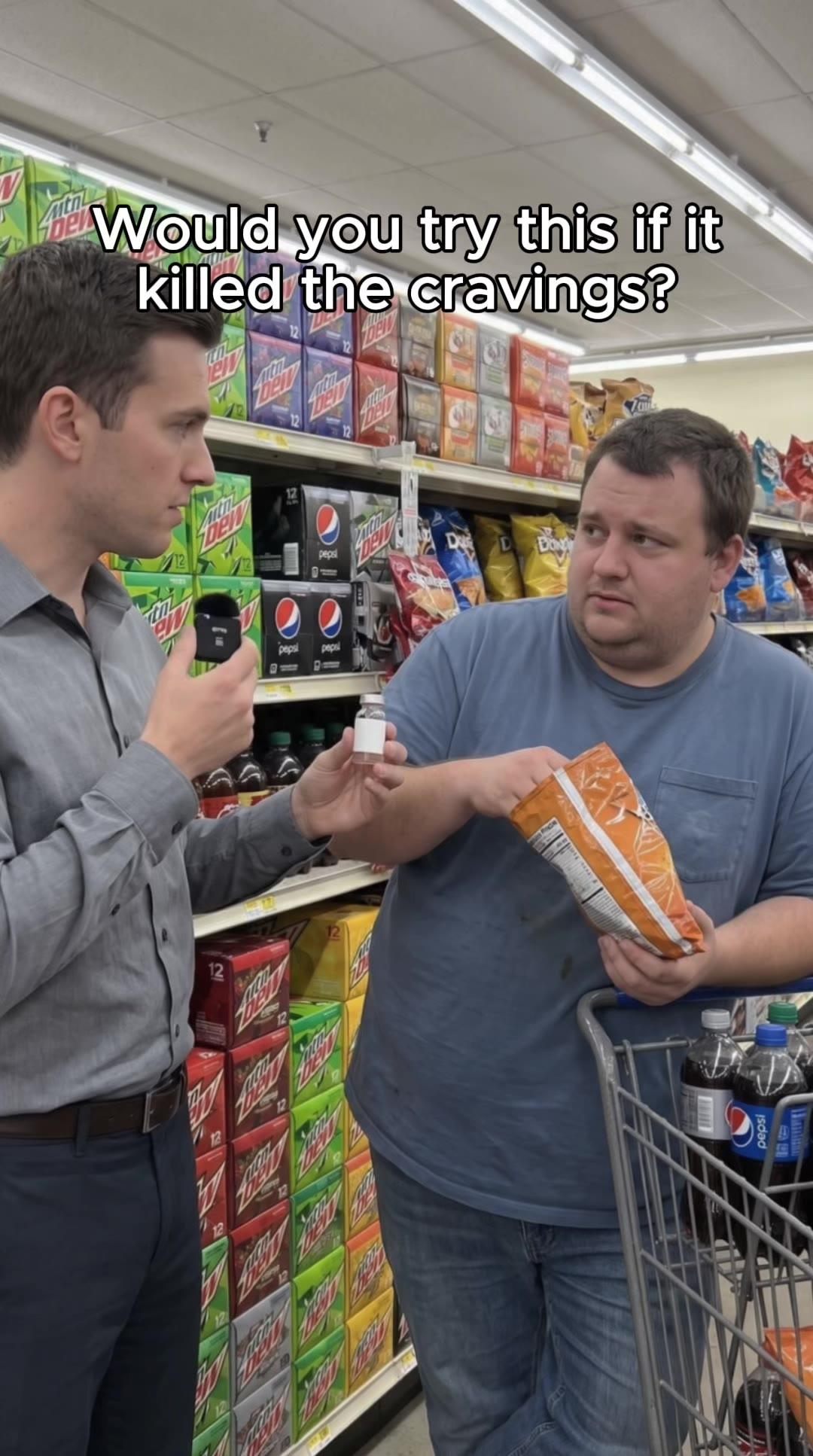
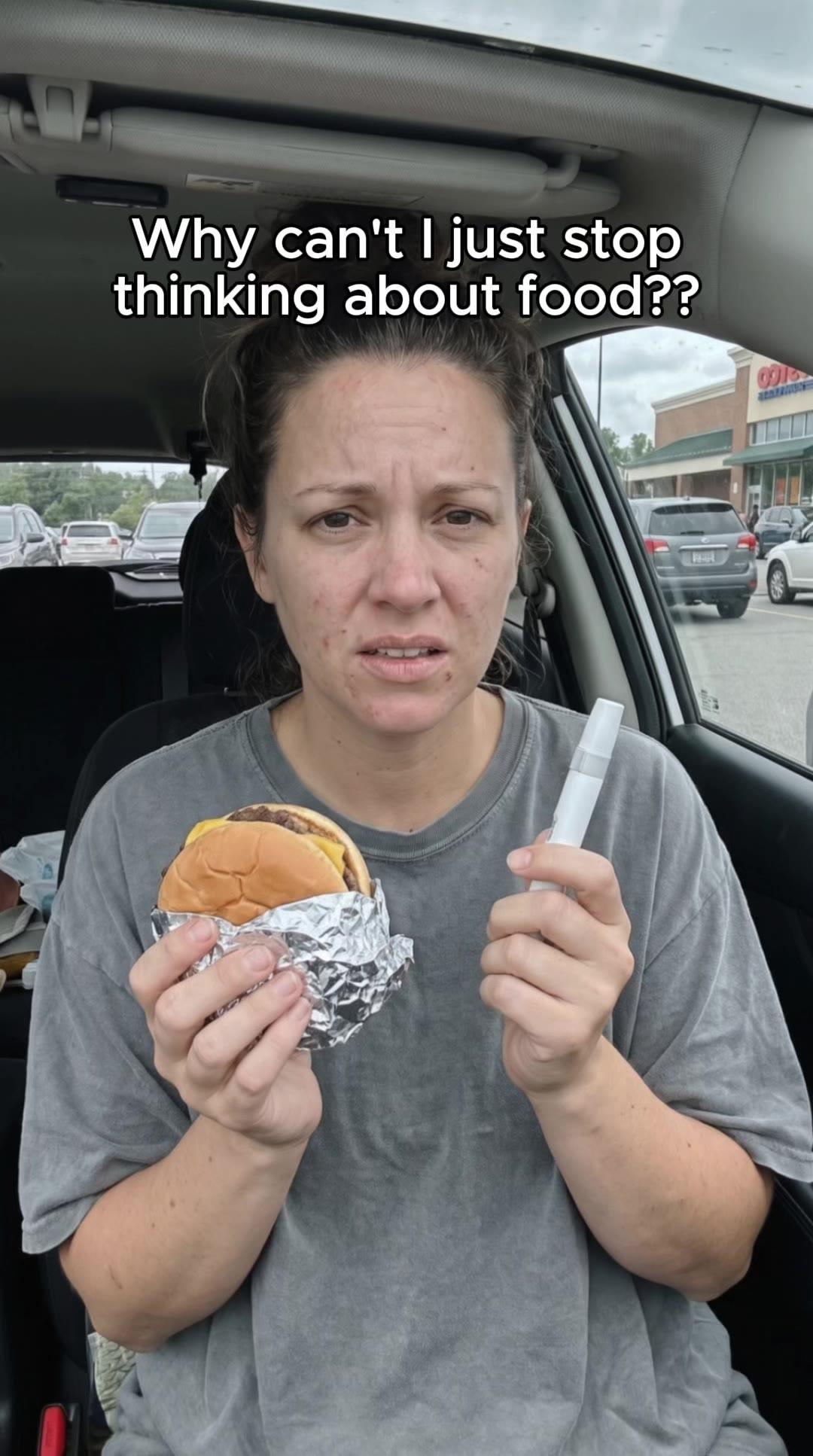
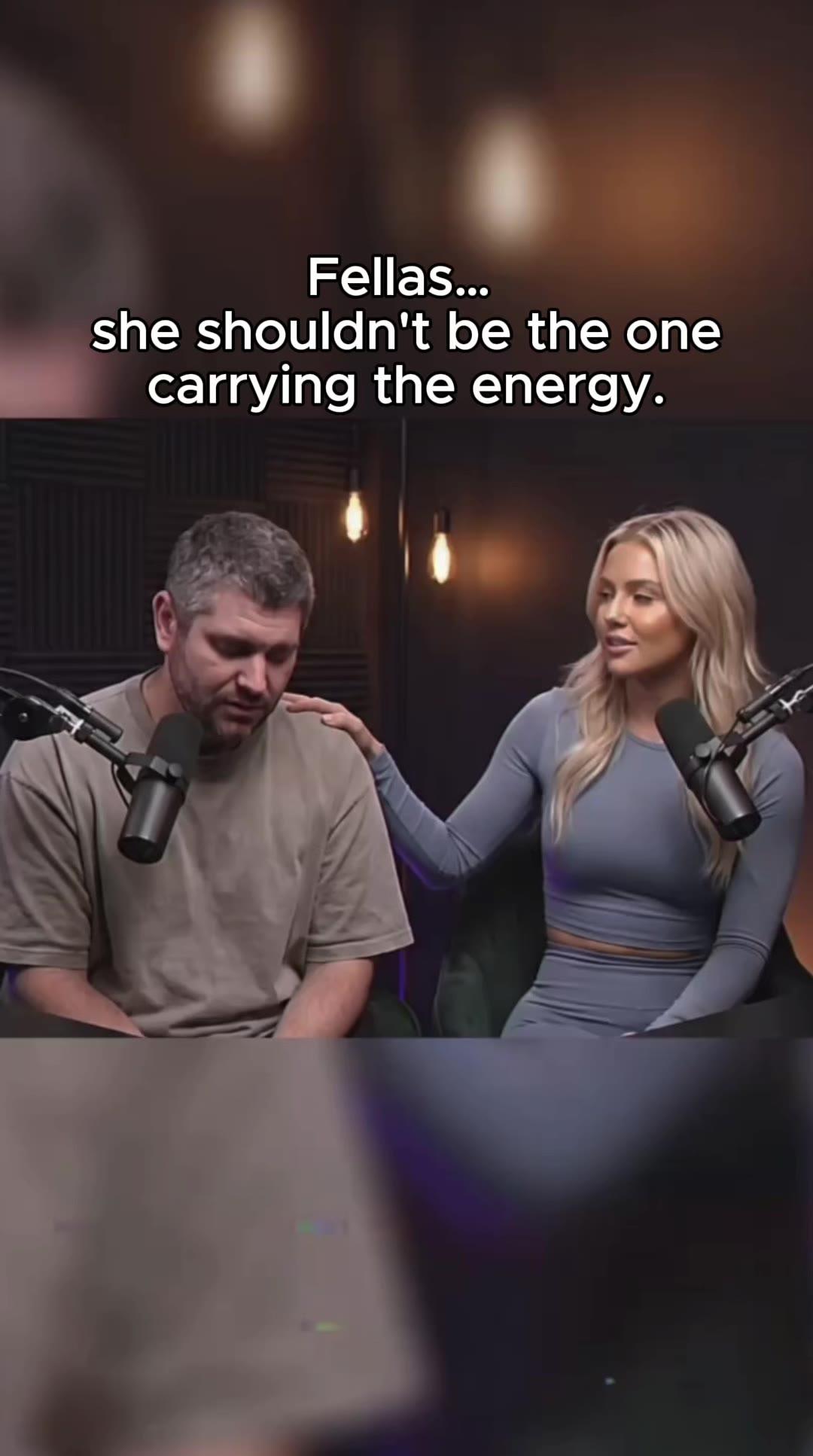
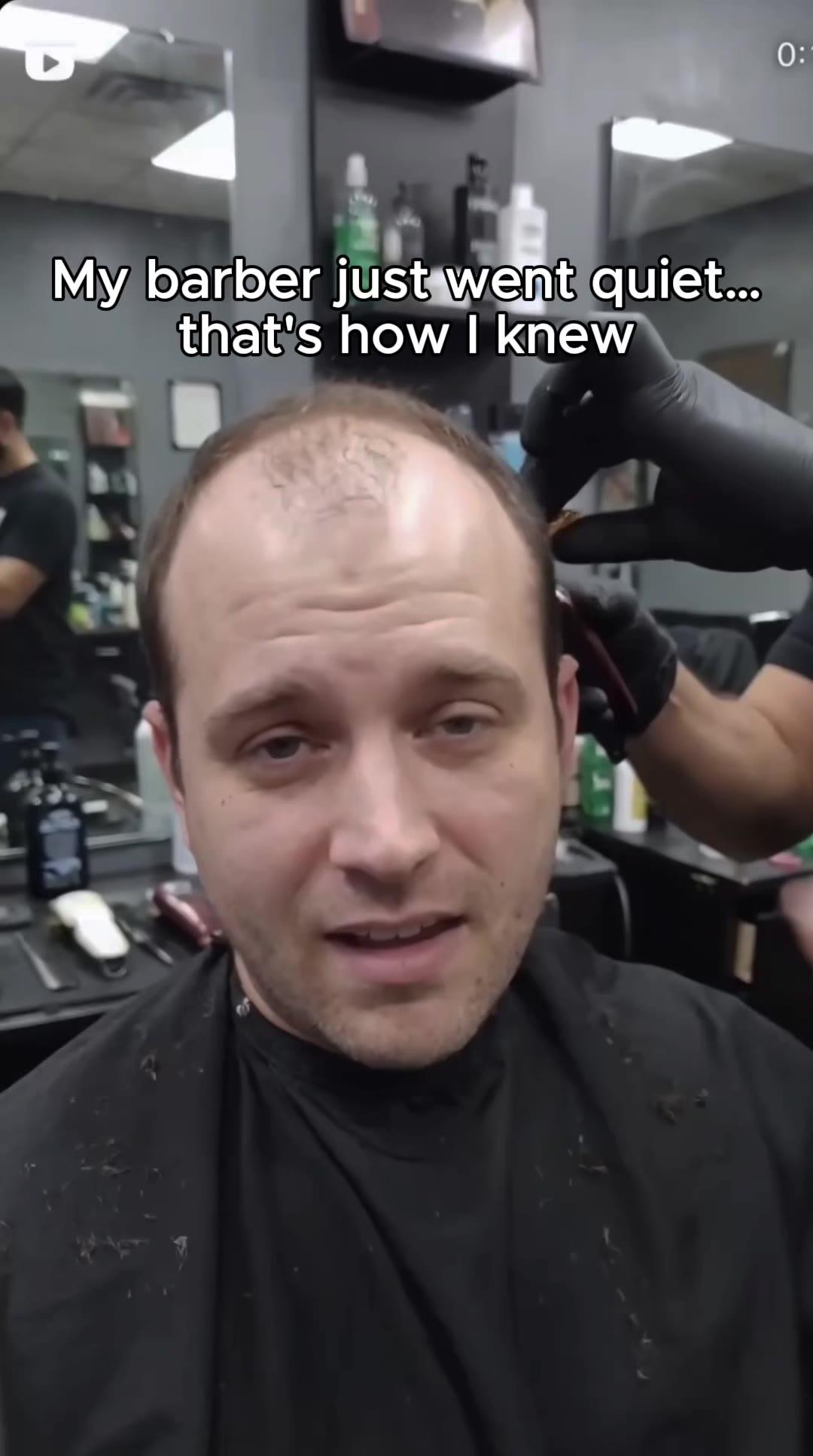

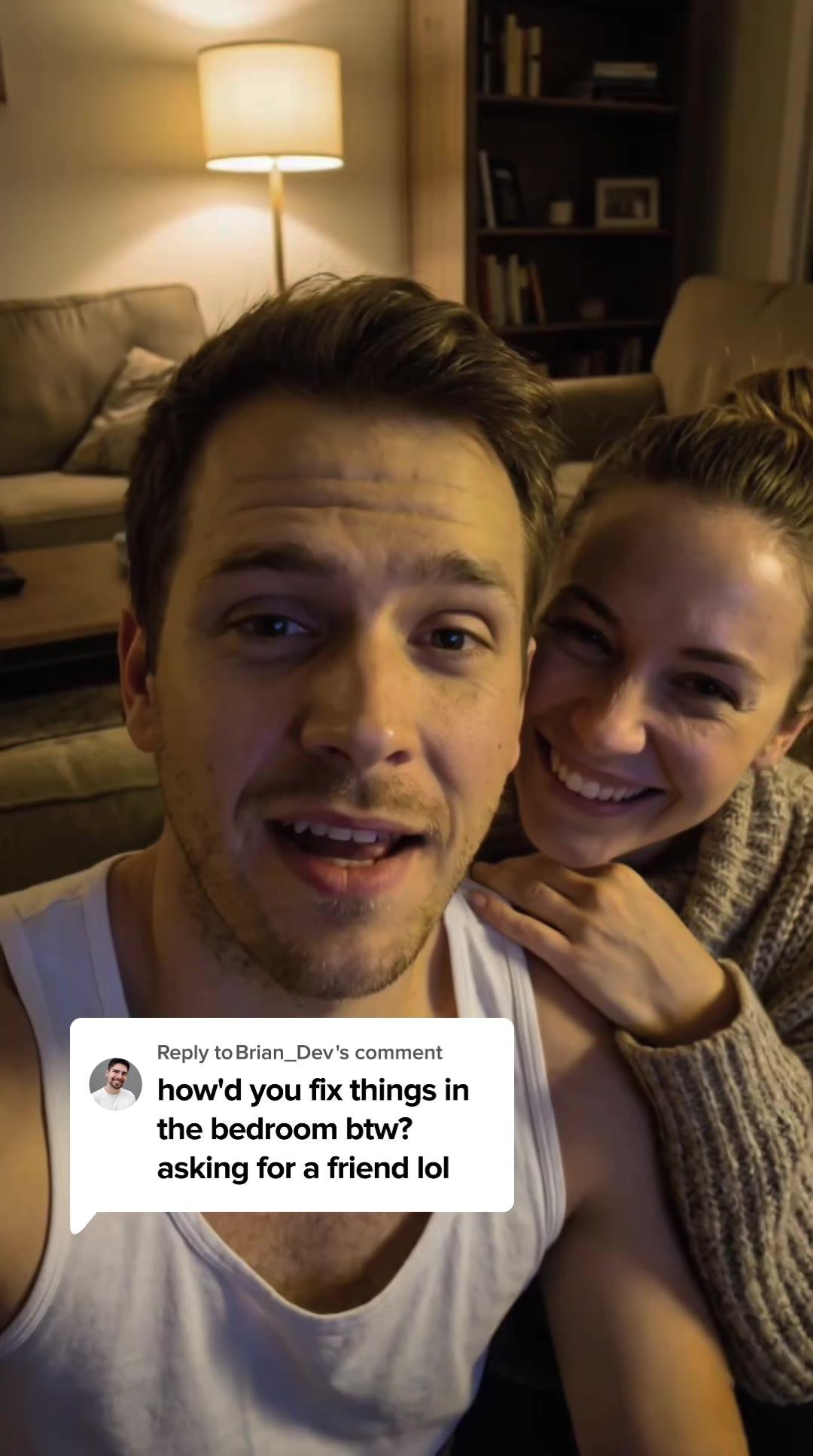

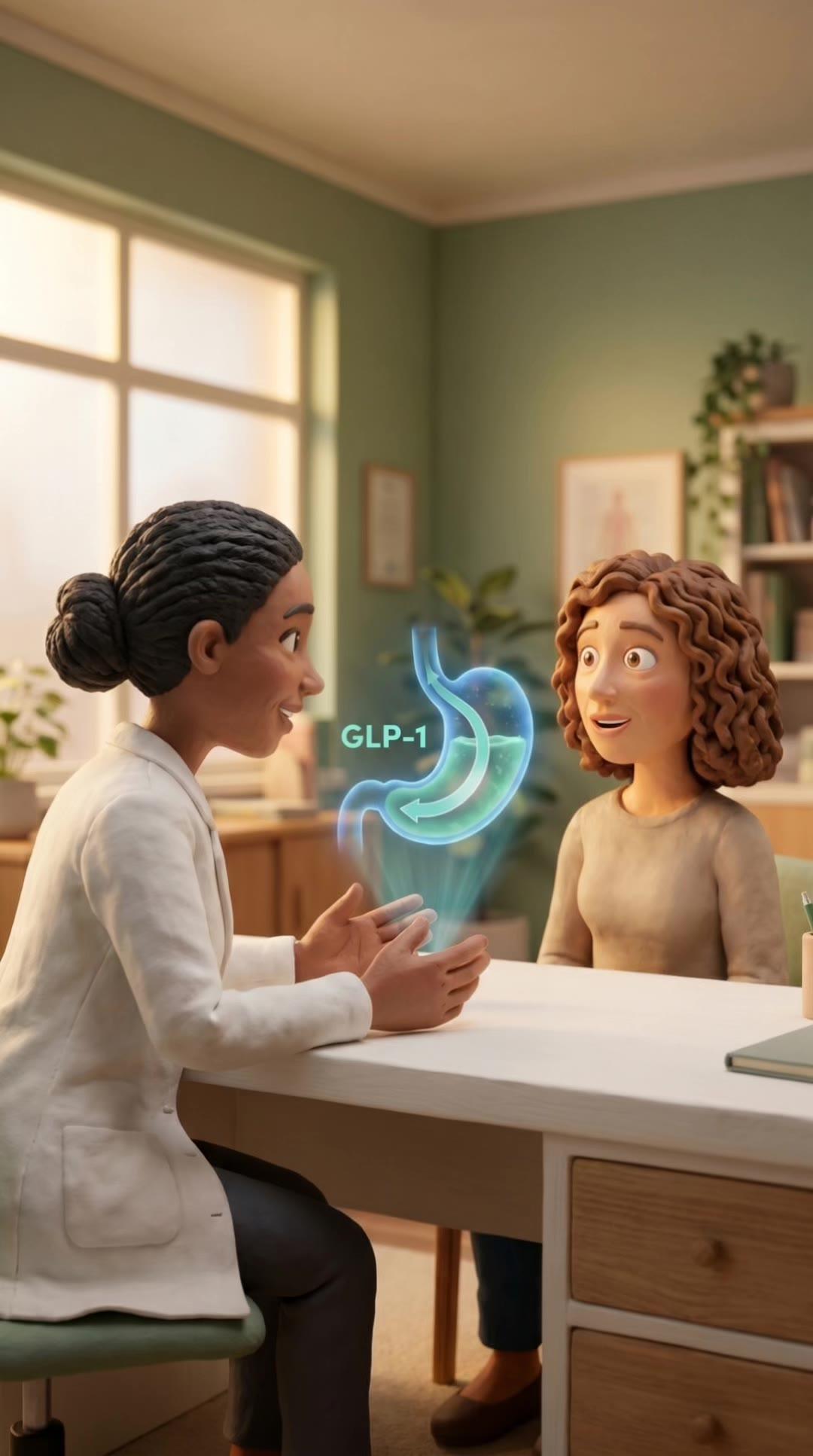
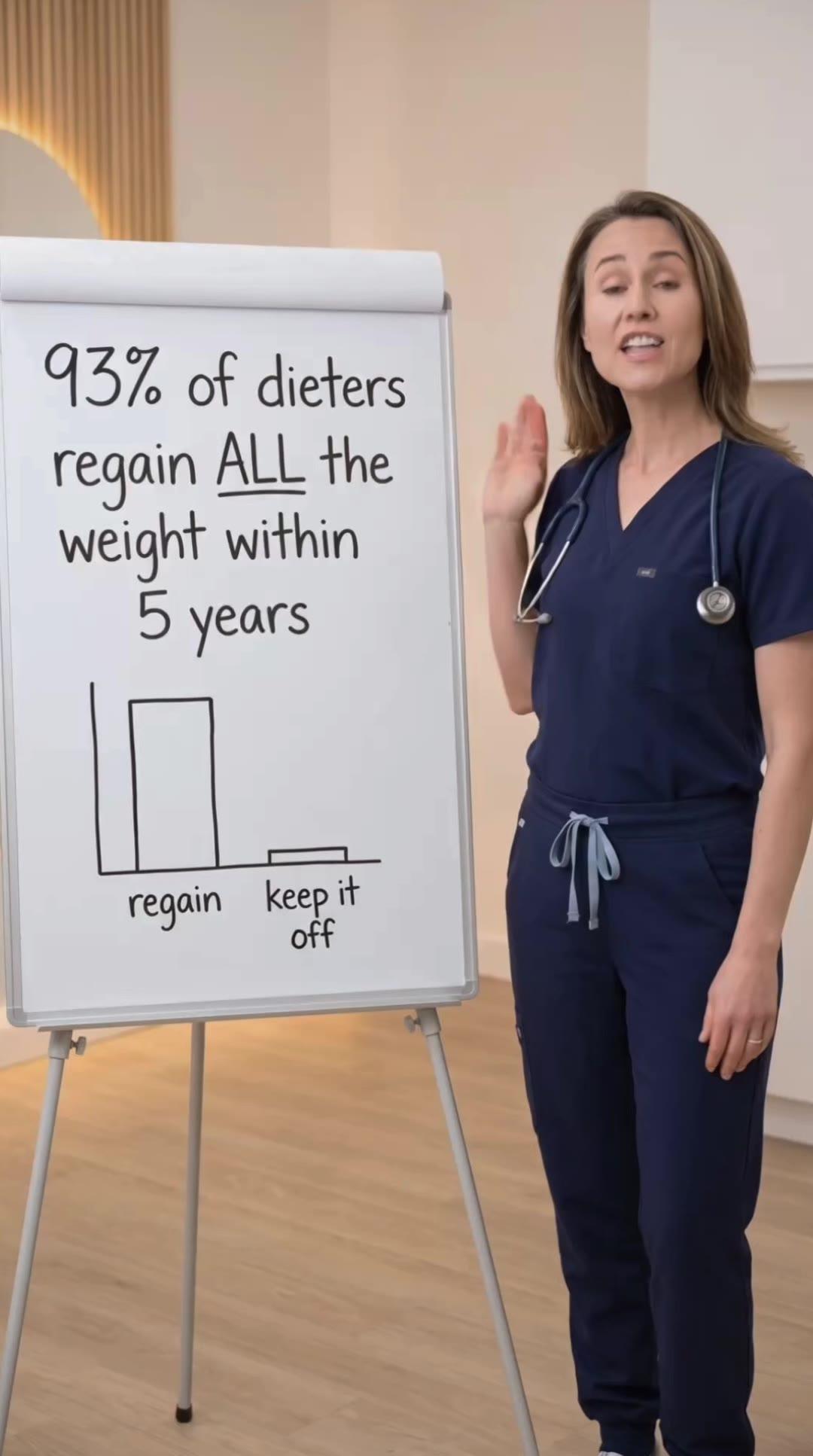
UGC testimonials are not the best ad format for telehealth. They're the best format for retargeting warm traffic, but they fail for cold acquisition in prescription drug advertising. Across 2,500+ telehealth paid social ads we've produced, format choice determines whether creative works, not quality of production.
Format Performance by Funnel Stage
Cold traffic (people who have never heard of your brand) responds to authority and education. Doctor interviews, medical explainers, and problem-aware content outperform testimonials by 40-60% for cold acquisition.
Warm traffic (site visitors, video viewers, engagement audiences) responds to social proof and transformation stories. UGC testimonials, before/after narratives, and customer success stories drive 2-3× higher conversion rates than educational content for retargeting.
Hot traffic (abandoned carts, consultation drop-offs) responds to urgency and objection handling. FAQ-style content, pricing transparency, and "what to expect" videos push these audiences over the finish line better than any other format.
Doctor Interview Format
Doctor interviews work best for GLP-1, TRT, and ED treatment advertising where medical credibility drives trust. The format signals prescription-strength treatment, not supplement marketing. This matters for brands competing against wellness companies making unsubstantiated claims.
Structure that performs: 5-second hook establishing the problem, 15-20 seconds of doctor explaining the medical mechanism, 10-15 seconds on expected outcomes with proper disclaimers, 5-second CTA directing to consultation. Total runtime 35-45 seconds.
Production quality matters here. Shaky selfie-style doctor interviews get dismissed as fake. Clean audio, proper lighting, and an office or clinical setting establish credibility. You need to look like prescription drug advertising, not health influencer content.
UGC Testimonial Format
UGC testimonials dominate retargeting performance. Someone who watched your doctor interview ad, visited your site, and left without converting needs social proof that real people see real results. Testimonials provide that proof when educational content cannot.
The mistake brands make is running generic testimonials. "This product changed my life" performs 30-40% worse than specific testimonials addressing objections. "I was worried about side effects, but after three months..." speaks to the exact concern preventing conversion.
Compliance requirements kill most testimonial performance. Every testimonial needs "results may vary" disclaimers visible for 3+ seconds. Specific outcomes (pounds lost, testosterone levels increased) require substantiation and additional disclaimers. The more compliant your testimonial, the less persuasive it becomes. This is why testimonials work better for retargeting audiences who already trust your brand.
Concepts we ship across every awareness stage.
See the work →Podcast-Style Conversational Format
Podcast-style ads (two people discussing treatment in a conversational setting) perform exceptionally well for mental health telehealth and newer treatment categories like peptides. The format allows for nuanced discussion of complex topics without feeling like advertising.
This format works because it sidesteps direct medical claims. Instead of "this treats depression," the conversation naturally includes phrases like "my doctor recommended this" or "research shows benefits for." The indirect language passes compliance review while still communicating efficacy.
Production cost is higher (need two on-camera talent, longer runtime at 60-90 seconds, more complex editing), but the format has significantly longer creative lifespan. Podcast-style ads run for 8-12 weeks without fatigue compared to 3-4 weeks for standard UGC or testimonials.
Problem-Aware Educational Content
Educational content that starts with problem-awareness (explaining symptoms, causes, and traditional solutions) outperforms direct-to-solution advertising for cold traffic. This format works best for TRT and hair loss categories where audience needs education before considering treatment.
Structure: 10 seconds on the problem, 15 seconds explaining why traditional solutions fail, 15 seconds positioning your treatment as the modern alternative, 5-second CTA. The key is making the problem feel urgent and the traditional solution feel outdated before presenting your offer.
This format requires 3-5 hook variations to test. The opening 3 seconds determine performance more than the rest of the video. "Low testosterone affects 40% of men over 40" performs worse than "Why do men in their 40s feel exhausted by 2pm?" The second hook makes the problem personal and immediate.
Before/After Transformation Format
Before/after creative drives the highest engagement rates but has the highest rejection rate on platform review. Meta flags most weight loss before/after ads, even with proper disclaimers. The format works best for hair loss telehealth where visual proof is less regulated.
When running before/after creative for GLP-1 or weight loss, the disclaimer must appear before showing any transformation. Lead with "results not typical, individual results vary, treatment includes lifestyle changes" then show the transformation. Showing transformation first, disclaimers second, gets flagged for misleading health claims.
Alternative approach: use before/after lifestyle imagery instead of body transformation. Show "before: tired, unmotivated" and "after: active, energetic" lifestyle changes rather than physical transformation. This passes compliance review more consistently while still implying results. For compliance-safe approaches, review our guide on telehealth advertising compliance.
Format Rotation Strategy
Do not run all formats simultaneously. Test one format per campaign, give it 50-100 conversions to prove performance, then layer in the next format. Running doctor interviews, UGC testimonials, and podcast-style ads together in week one dilutes your data and prevents platform optimization.
Start with doctor interviews or educational content for cold prospecting. Once that campaign delivers stable CPAs at $50K+ monthly spend, launch retargeting campaigns with UGC testimonials. Then add podcast-style content as a third layer once both previous formats are optimized.
Creative refresh cadence varies by format. UGC testimonials fatigue in 3-4 weeks at $50K+ spend levels. Doctor interviews last 6-8 weeks. Podcast-style content can run 10-12 weeks. Plan production accordingly. For brands scaling telehealth ad spend, you need 2-3× more UGC than any other format to maintain performance.
Format Selection by Vertical
GLP-1 brands should prioritize doctor interviews for cold traffic and compliant testimonials for retargeting. Avoid before/after weight transformation creative unless you have pharmaceutical-grade compliance review. The rejection rate is too high to justify production cost.
TRT brands perform best with doctor interviews and problem-aware educational content. The audience (men 40-65) responds to medical authority and data-driven explanations. UGC testimonials work for retargeting but should focus on lifestyle improvements (energy, motivation, gym performance) rather than specific testosterone level increases.
Hair loss brands can use all formats effectively. Before/after creative works if shot properly (same lighting, angle, neutral expression) with proper disclaimers. Doctor interviews establish credibility. UGC testimonials drive retargeting performance. Podcast-style content works well for younger audiences (25-40) who respond to conversational format.
Related Articles
Telehealth Ad Performance Metrics That Actually Matter
Which metrics to track, which to ignore, and how to measure telehealth paid social performance. CPA, ROAS, LTV, and cohort analysis from $50M+ managed spend.
Telehealth Facebook Ad Examples: What Actually Works in 2026
Real GLP-1, TRT, ED, and hair loss Facebook ads that convert. Breakdown of winning hooks, formats, and creative strategies from $50M+ managed spend.
Telehealth Subscription vs. One-Time Purchase Ads: Different Strategies
How to structure paid social for subscription telehealth vs. one-time purchases. Messaging, CPA targets, and LTV considerations from $50M+ managed spend.
Telehealth vs. Pharma Paid Social: Key Differences in Strategy
How telehealth DTC advertising differs from traditional pharma paid social. Compliance, creative, and audience strategy from $50M+ managed spend.
Ready to build a testing system that scales?
A 30-minute call. We audit your creative approach and show you exactly what a complete angle-format-hook system looks like for your vertical.