Subscription vs. One-Time Purchase Ads for Telehealth
How messaging, creative strategy, and CPA targets differ between subscription telehealth (GLP-1, TRT) and one-time purchase models (ED, emergency meds). Frameworks from $50M+ spend.
Concepts shown are internal creative studies, not client campaigns.
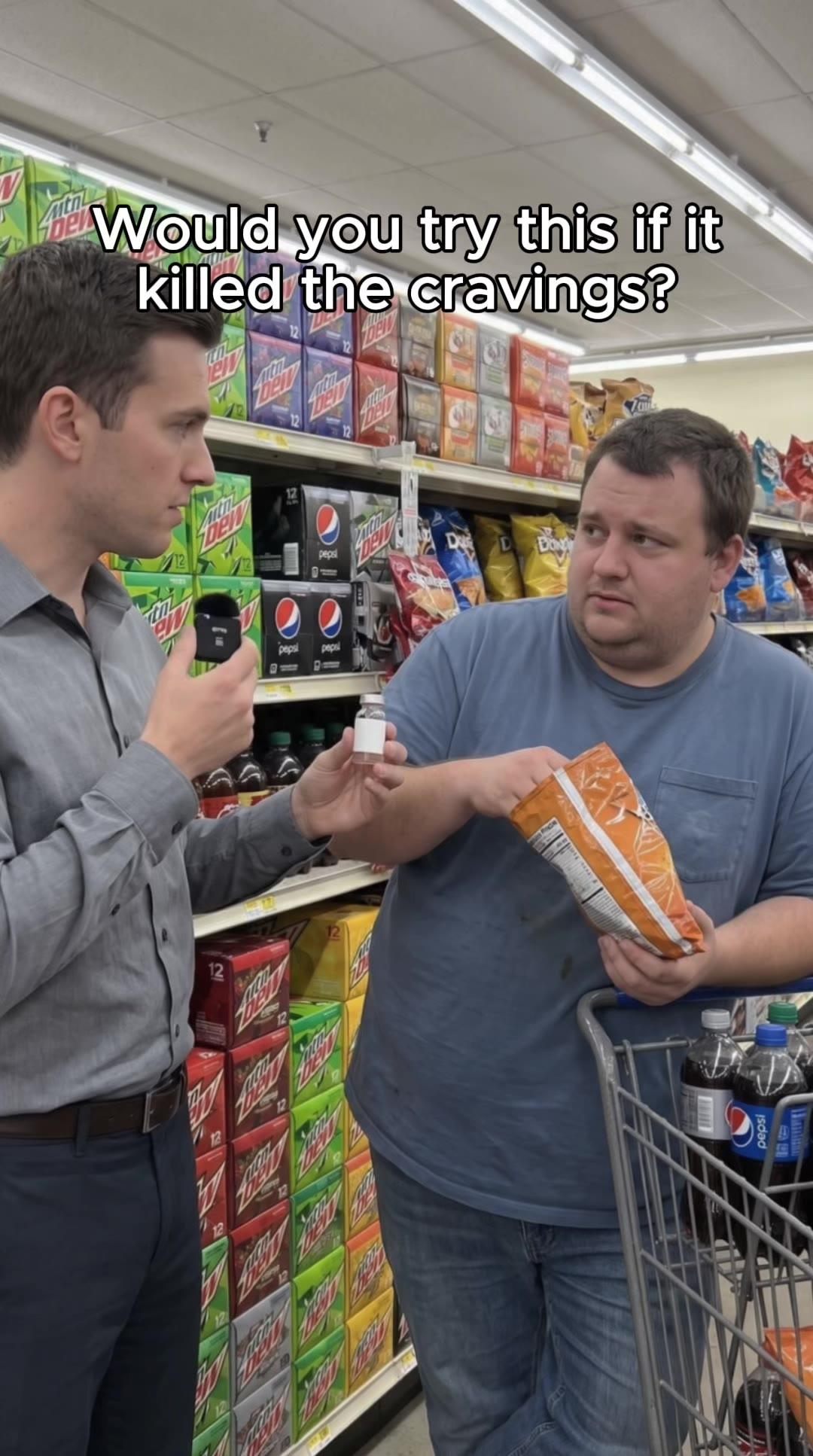
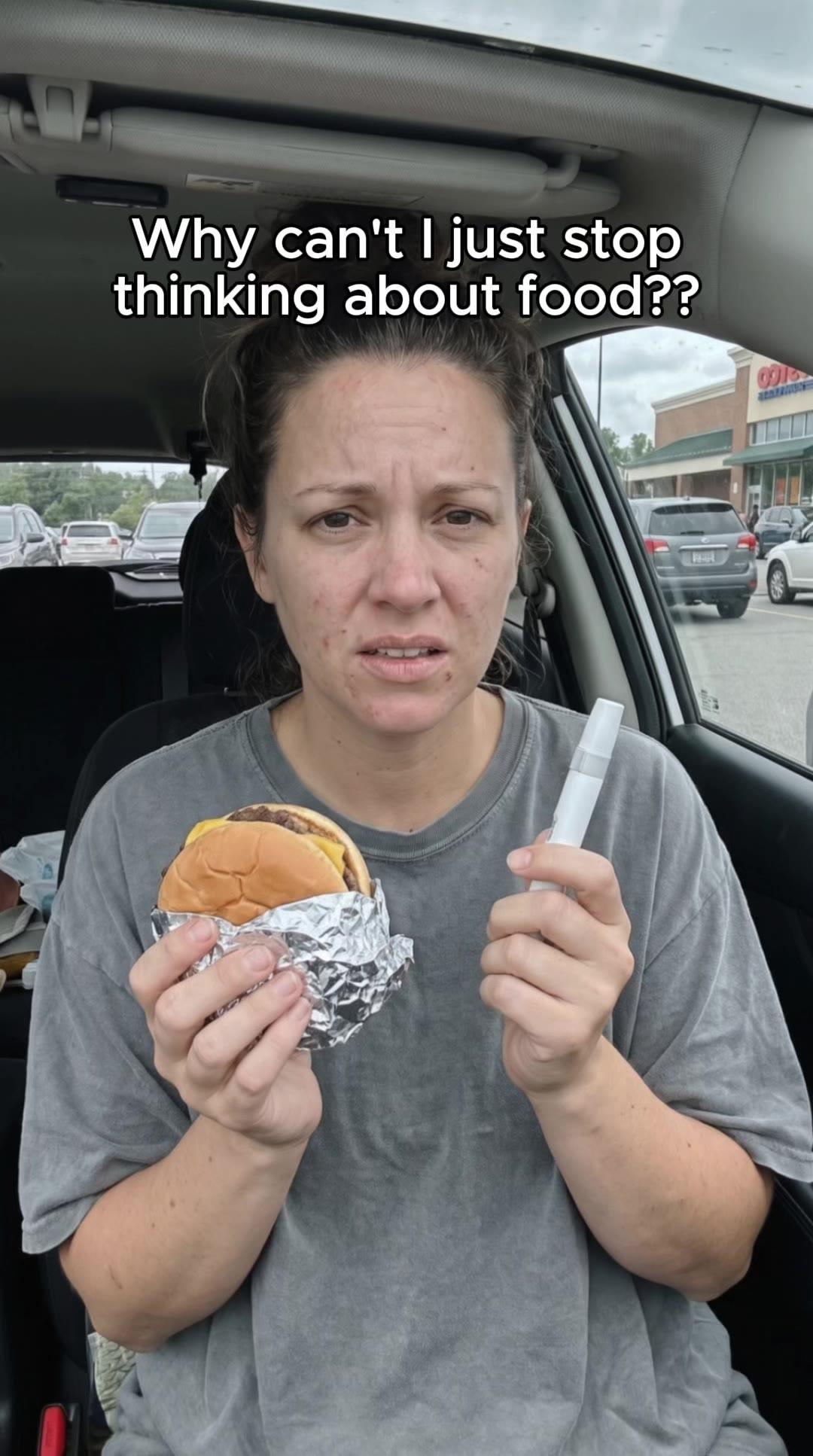





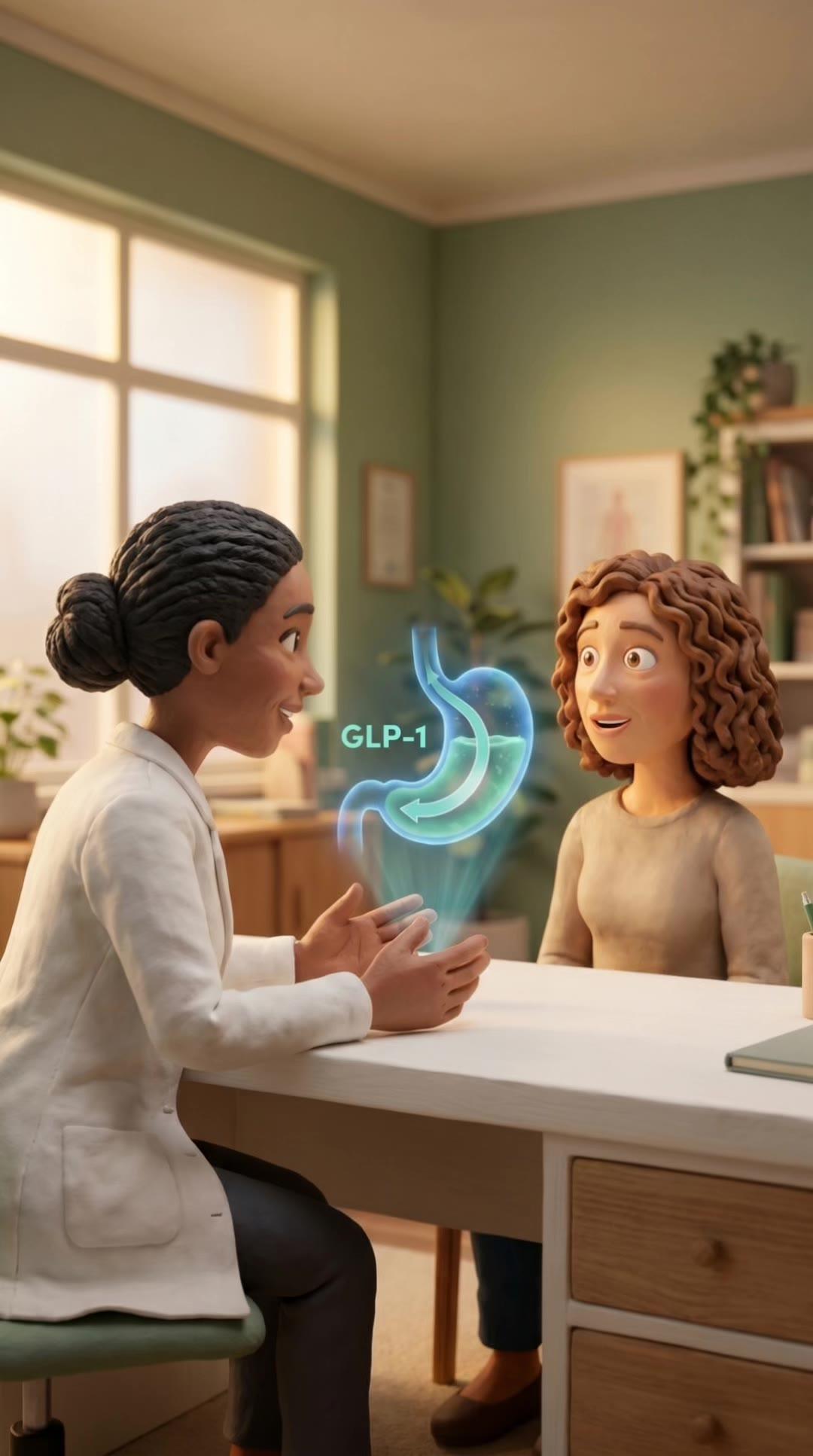
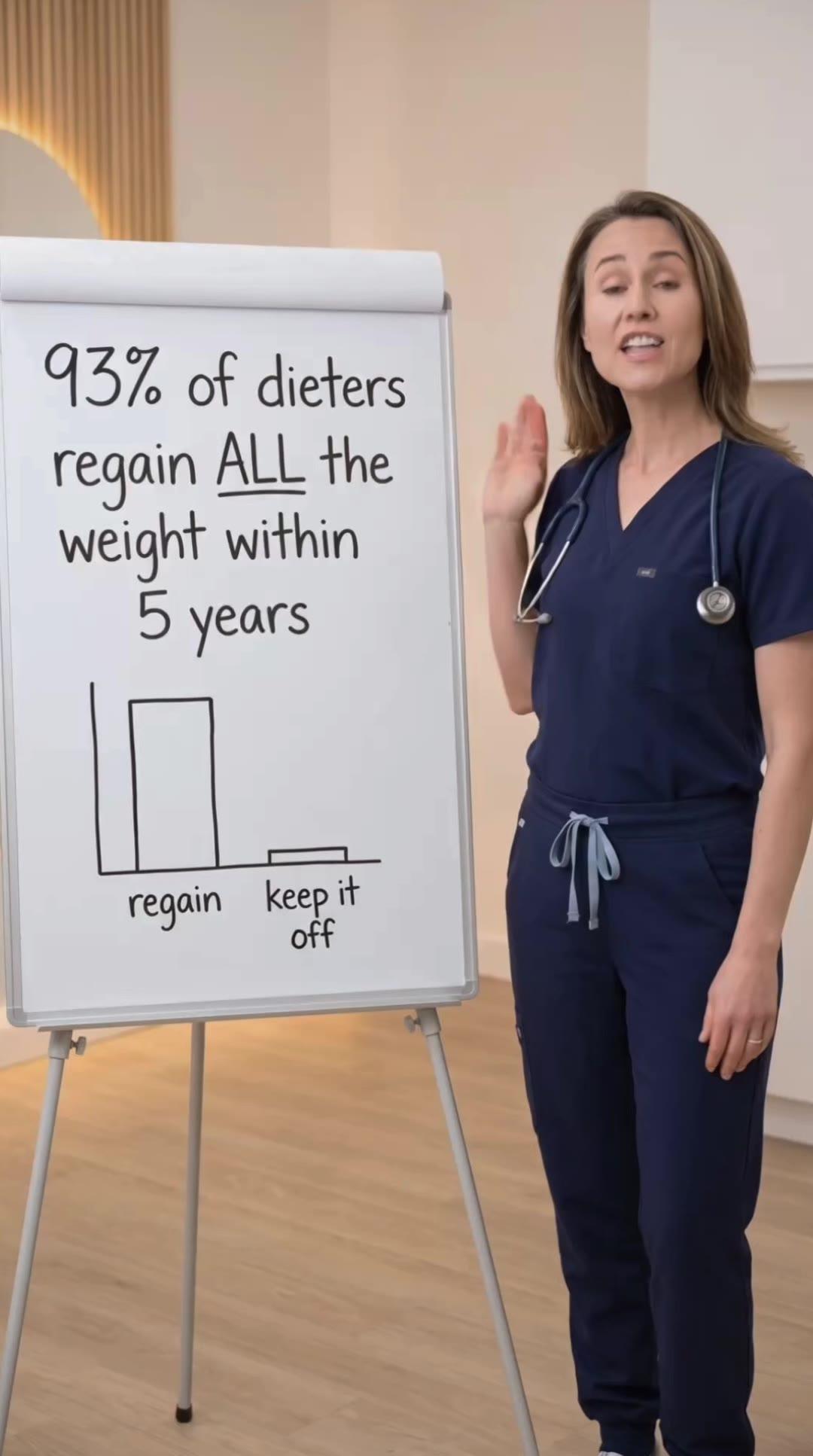
Subscription and one-time purchase telehealth models require completely different paid social strategies. After managing $50M+ in telehealth paid social spend, the brands that understand this difference scale profitably while those that don't waste millions on misaligned creative and messaging.
Subscription Model: GLP-1, TRT, Hair Loss
Subscription telehealth can afford higher CPAs because LTV spans 6-18 months. GLP-1 brands spending $200-300 to acquire a customer who generates $800-1,200 LTV are profitable. This economics allows patient nurturing, educational content, and multi-touchpoint journeys before purchase.
Creative strategy for subscriptions should emphasize long-term outcomes, lifestyle transformation, and ongoing support. Messaging like "Your partner in weight loss" or "Ongoing care for sustainable results" reinforces the subscription value proposition. Avoid one-time solution language that suggests treatment ends after first purchase.
Subscription brands must invest heavily in retargeting. The purchase decision takes 2-4 weeks on average. Customers research competitors, read reviews, and discuss with family before committing to $150-300/month ongoing treatment. Retargeting captures these considered purchases better than aggressive cold prospecting. For retargeting structure, see telehealth retargeting on Facebook.
One-Time Purchase Model: ED, Emergency Contraception, UTI Treatment
One-time purchase models require low CPAs because customer LTV is limited. ED brands acquiring customers at $70-120 cannot afford lengthy nurture campaigns or expensive creative production. Speed to purchase and conversion efficiency determine profitability, not multi-month retention.
Creative strategy for one-time purchases should emphasize convenience, speed, and immediate solution. Messaging like "Get ED medication delivered tomorrow" or "Online prescription in 10 minutes" drives urgency and immediate action. Long-term transformation language underperforms because customers are solving immediate problems, not committing to lifestyle changes.
One-time purchase brands see limited retargeting returns. If someone doesn't convert within 7-14 days, they either solved the problem elsewhere or the need passed. Retargeting windows for ED should be 14 days maximum, compared to 30-90 days for subscription models. Allocate 70-80% of budget to cold prospecting, 20-30% to short-window retargeting.
CPA Targets and Unit Economics
Subscription brands can tolerate first-month negative ROAS. GLP-1 brands with 0.4-0.6× first-month ROAS become profitable by month 4-6 through retention. Set CPA targets based on 6-month LTV, not first-month revenue. If 6-month LTV is $800, target $150-200 CPA for 4-5× LTV:CAC ratio.
One-time purchase brands must approach breakeven on first purchase. ED brands with $40 margin cannot afford $70 CPA unless repeat purchase rate exceeds 40%. Set CPA targets based on first purchase margin plus expected repeat purchase value. If first purchase generates $40 margin and 30% repurchase within 6 months at $35 margin, maximum CPA is $50-55.
Hybrid models (ED brands offering monthly subscriptions alongside one-time purchases) need separate campaigns for each offering. Subscription creative emphasizes ongoing value and consistency. One-time creative emphasizes convenience and immediate availability. Mixing both in the same campaign confuses messaging and reduces conversion rates by 30-40%. For model-specific benchmarks, review telehealth paid social benchmarks.
Concepts we ship across every awareness stage.
See the work →Messaging Differences by Model
Subscription messaging should address commitment concerns upfront. "Cancel anytime", "Adjust dosage as needed", "Pause or skip shipments" language reduces subscription friction. Customers fear being locked into unwanted recurring charges. Explicit cancellation messaging converts 20-30% better than generic subscription signup language.
One-time purchase messaging should eliminate all commitment language. "No subscription required", "Buy what you need when you need it", "One-time consultation fee" removes friction. Customers buying ED medication for occasional use do not want monthly subscriptions. Forcing subscription models on one-time purchase customers reduces conversion by 50%+.
Subscription brands should emphasize ongoing doctor access and personalized care. "Your dedicated medical team", "Ongoing support from licensed providers", "Treatment adjustments based on progress" justifies monthly fees beyond just medication cost. One-time purchase brands should emphasize transaction efficiency: "No appointments needed", "Online prescription in minutes", "Discreet delivery" focuses on convenience, not relationships.
Creative Format Preferences by Model
Subscription models perform best with educational content and doctor interviews. Customers making 6-12 month commitments want credibility and expertise. Doctor-led content builds trust necessary for ongoing treatment decisions. UGC testimonials work for retargeting but underperform for cold acquisition where authority matters more than social proof.
One-time purchase models perform best with direct, benefit-focused creative. "Get ED medication delivered tomorrow" with clear pricing and simple CTA converts better than educational content about erectile dysfunction mechanisms. Customers already know what they need. Creative should remove friction, not educate. For detailed format strategies, see best ad formats for telehealth.
Subscription brands need longer creative (45-60 seconds) to explain value proposition, address commitment concerns, and build trust. One-time purchase brands perform better with shorter creative (15-30 seconds) emphasizing speed and convenience. Time-to-conversion correlates with optimal video length: longer consideration periods justify longer creative.
Landing Page and Funnel Differences
Subscription landing pages should display pricing clearly and emphasize cancellation policy prominently. Hidden pricing or unclear subscription terms destroy conversion rates. Show exactly what customers will pay monthly, when they'll be charged, and how to cancel. Transparency reduces purchase hesitation by 40-50%.
One-time purchase landing pages should minimize steps from landing to checkout. Long consultation forms kill conversion for customers who know exactly what they want. ED customers buying sildenafil don't need 15-question health assessments. Streamline to medical requirements: current medications, contraindications, dosage preference. Multi-step funnels reduce ED conversion by 60%+ compared to single-page checkouts.
Subscription funnels should include expectation-setting content: treatment timeline, expected outcomes, adjustment process. GLP-1 customers need to understand they won't lose 30 pounds in month one. Setting realistic expectations improves retention by 20-30% even if it slightly reduces initial conversion. One-time purchase funnels should eliminate unnecessary content. Every additional page or explanation reduces conversion. Speed matters more than education.
Retention and Repeat Purchase Strategy
Subscription retention determines profitability more than acquisition CPA. GLP-1 brand with $250 CPA and 75% month-3 retention outperforms brand with $180 CPA and 55% retention. Focus 30-40% of marketing budget on retention: email campaigns, progress tracking, customer success outreach. Acquisition ads feed the funnel, but retention creates profit.
One-time purchase brands must drive repeat purchases through remarketing, not retention programs. ED customers who purchased 90 days ago likely need refills. Use customer list retargeting with "Time to reorder" messaging. This is different from subscription retention (preventing cancellation) and new customer acquisition (attracting first-time buyers). Allocate 10-15% of budget to reorder remarketing.
Hybrid models (offering both subscription and one-time purchase) should use conversion optimization to upsell one-time purchasers to subscriptions. "Save 15% with monthly subscription" shown after one-time purchase checkout converts 20-30% of customers. This post-purchase upsell maintains transactional simplicity while capturing subscription value from willing customers.
Scaling Constraints by Model
Subscription models scale more easily because higher CPAs are tolerable. You can expand to broader audiences, test expensive creative formats, and invest in platform diversification. GLP-1 brands can profitably acquire customers at $300 CPA, allowing testing of TikTok, YouTube, and other platforms with higher CPMs.
One-time purchase models hit scaling walls quickly because margin constraints limit CPA tolerance. ED brands cannot profitably expand beyond Meta's most efficient audiences. Testing new platforms or broader targeting increases CPAs beyond profitable thresholds. Growth requires customer volume increases within narrow CPA bands, not audience expansion. For scaling frameworks, review scaling telehealth ad spend.
Subscription brands should prioritize LTV expansion over CPA reduction once profitable. Improving retention from 70% to 80% at month-6 has larger profitability impact than reducing CPA from $200 to $180. One-time purchase brands must prioritize CPA reduction and repeat purchase rate because LTV ceiling is fixed. Different models require different optimization priorities.
Related Articles
Telehealth Ad Performance Metrics That Actually Matter
Which metrics to track, which to ignore, and how to measure telehealth paid social performance. CPA, ROAS, LTV, and cohort analysis from $50M+ managed spend.
Telehealth Facebook Ad Examples: What Actually Works in 2026
Real GLP-1, TRT, ED, and hair loss Facebook ads that convert. Breakdown of winning hooks, formats, and creative strategies from $50M+ managed spend.
Telehealth vs. Pharma Paid Social: Key Differences in Strategy
How telehealth DTC advertising differs from traditional pharma paid social. Compliance, creative, and audience strategy from $50M+ managed spend.
Best Ad Formats for Telehealth: UGC, Doctor Interviews, and Educational
Which ad formats work best for GLP-1, TRT, ED, and hair loss paid social. Format performance breakdown and when to use each type from $50M+ managed spend.
Ready to build a testing system that scales?
A 30-minute call. We audit your creative approach and show you exactly what a complete angle-format-hook system looks like for your vertical.