Telehealth Facebook Ad Examples That Actually Convert in 2026
Breakdown of high-performing telehealth Facebook ads across GLP-1, TRT, and ED categories. What makes them work and how to adapt for your brand.
Concepts shown are internal creative studies, not client campaigns.
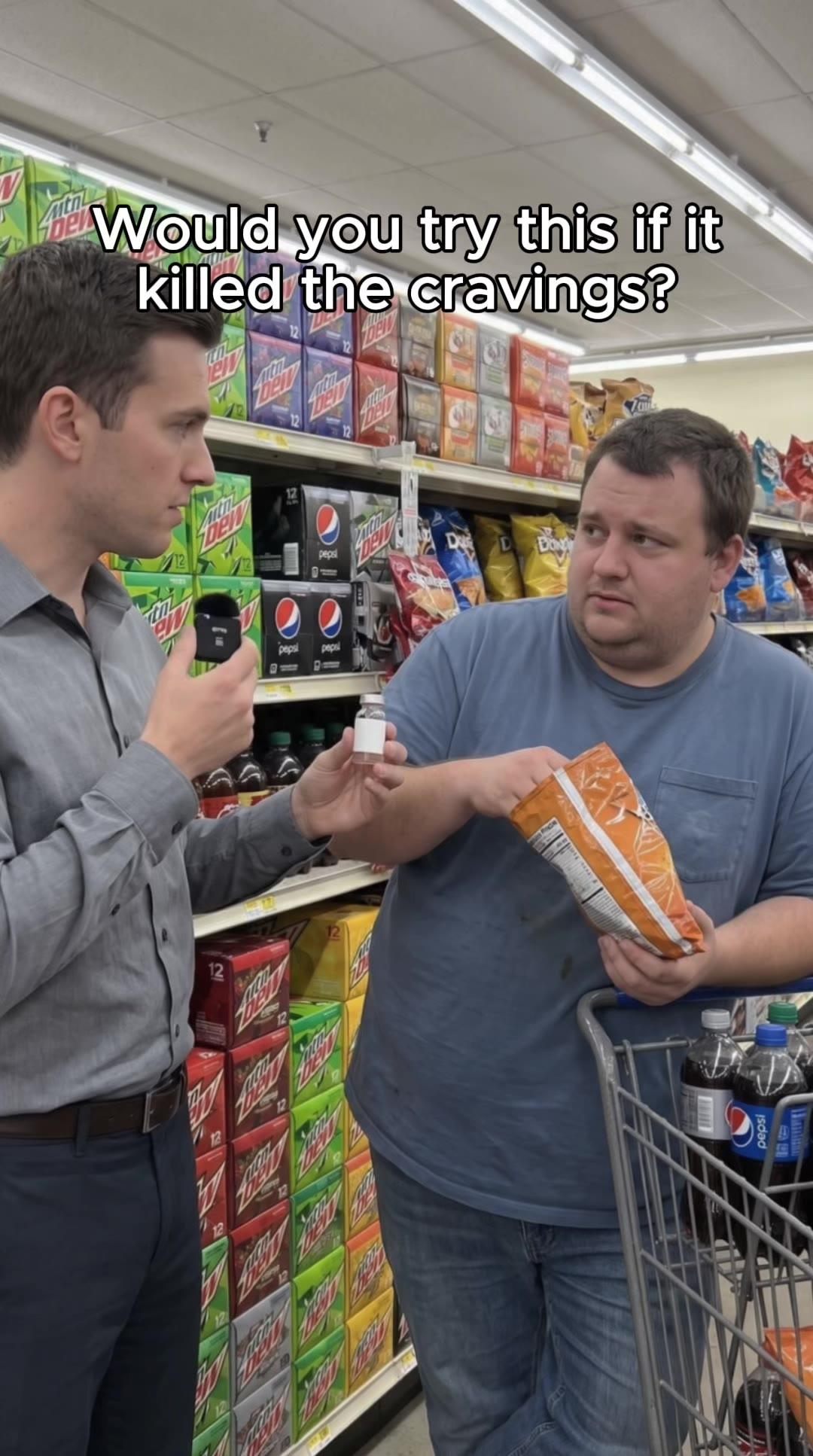
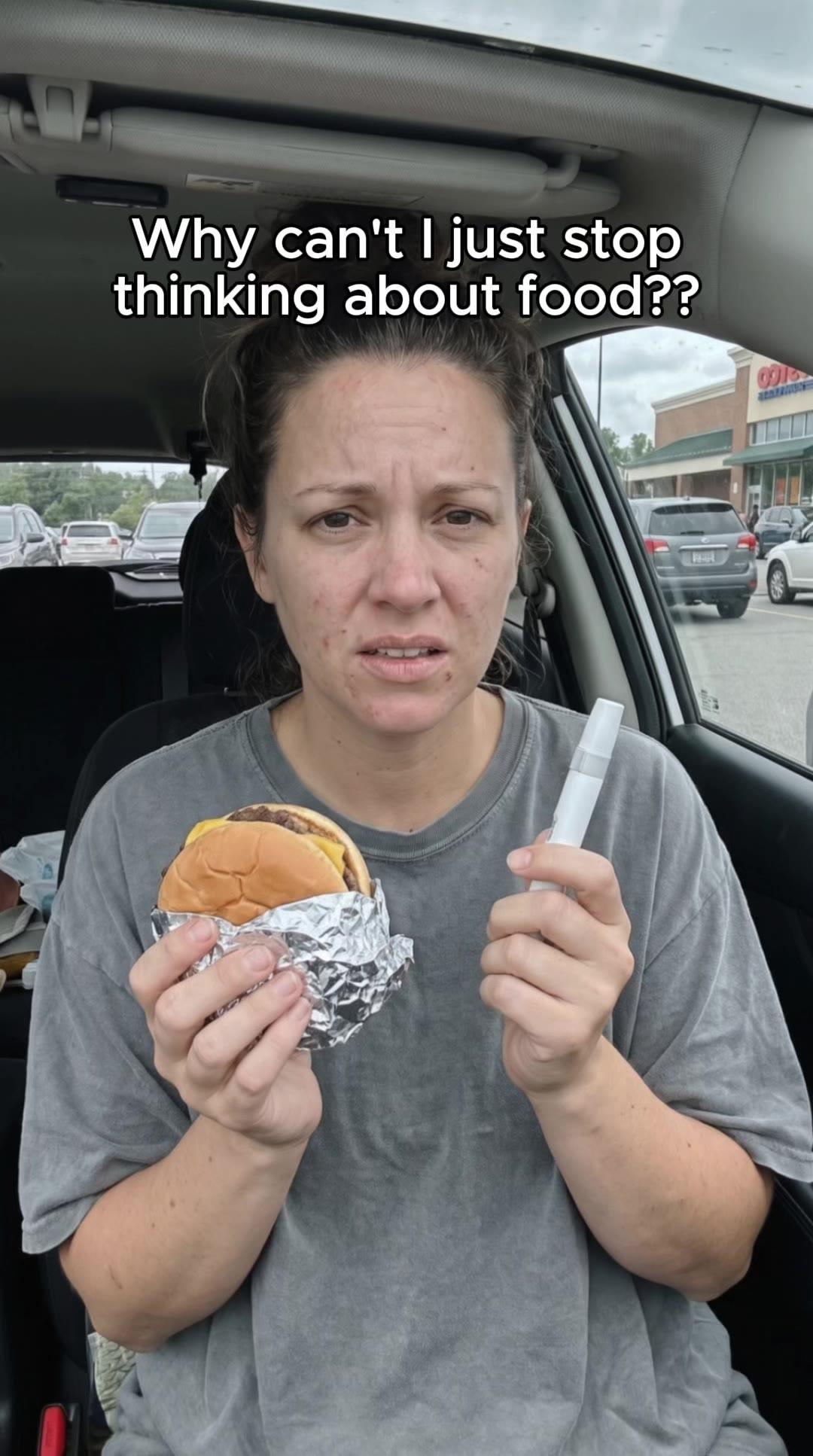

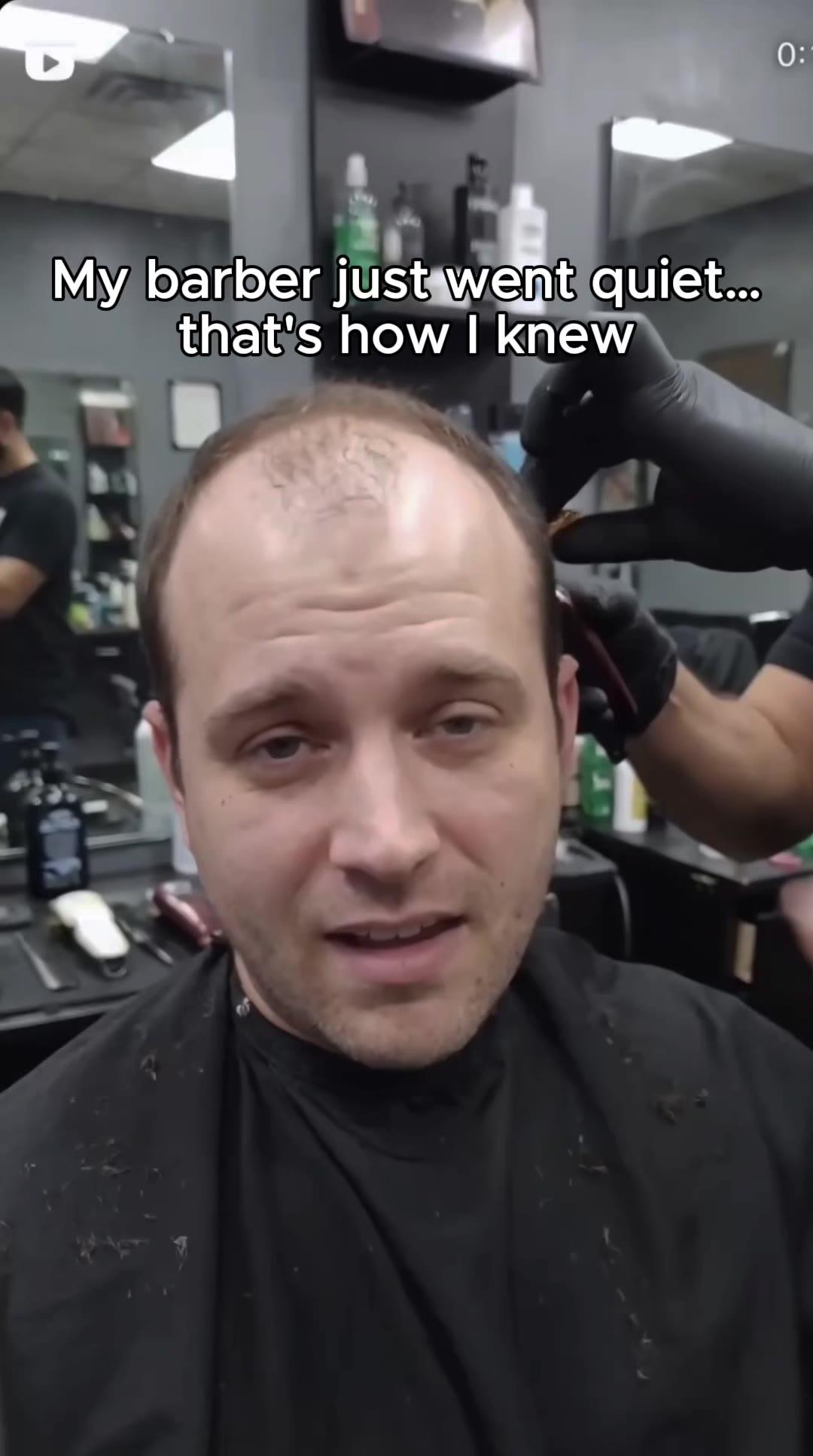




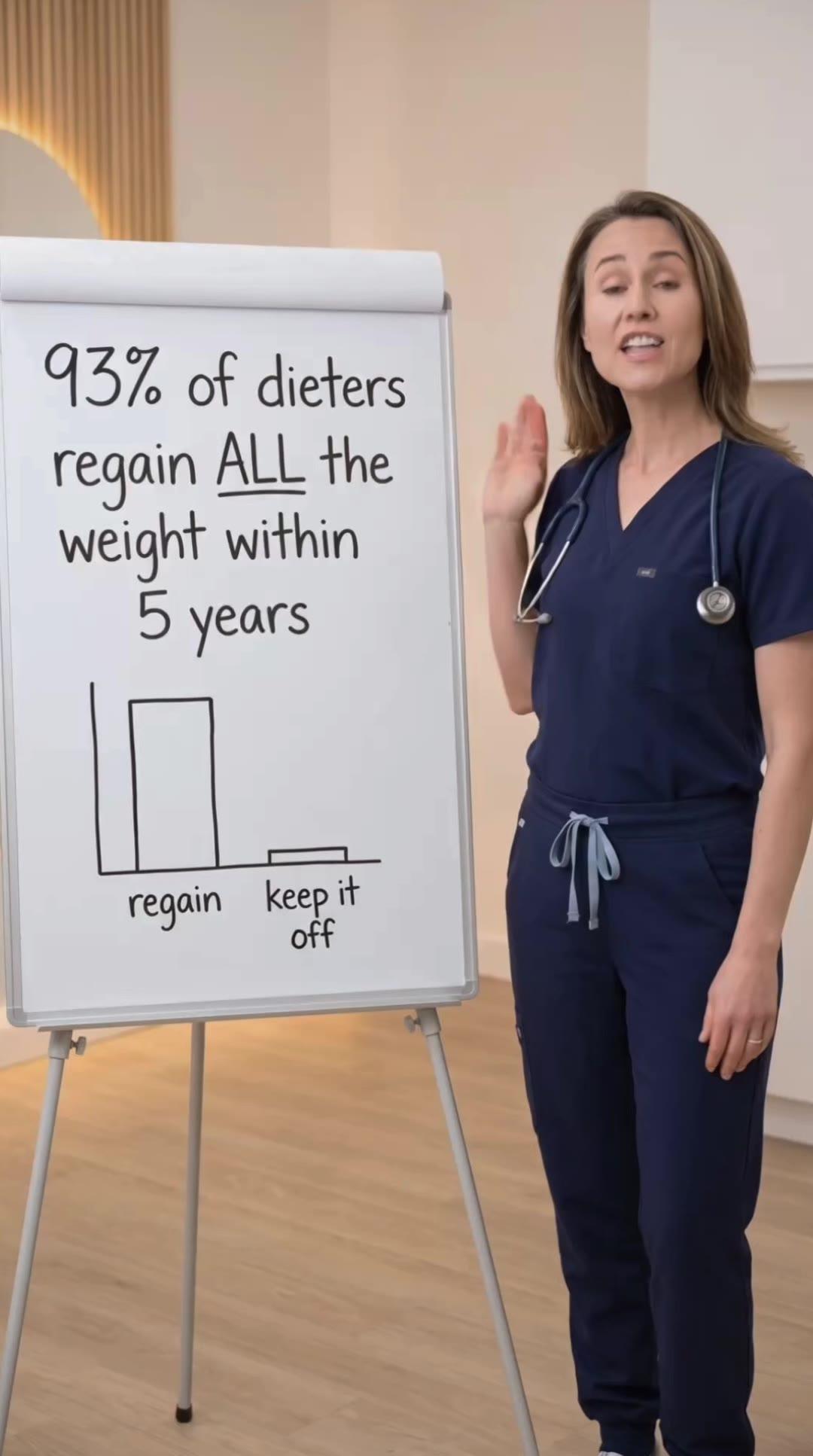
The best telehealth Facebook ads don't look like advertising. They look like content someone's doctor would share. Across 2,500+ ads we've produced and $50M+ in spend managed, here's what actually drives conversions for GLP-1, TRT, ED, and hair loss telehealth brands.
GLP-1 Doctor Interview Example
Hook (0-3 seconds): Close-up of doctor in white coat. Text overlay: "Board-certified physician explains GLP-1." No voiceover yet. The visual establishes medical authority before any words are spoken.
Problem Setup (3-10 seconds): Doctor speaks directly to camera. "If you've tried diet and exercise but still struggle with weight management, you're not alone. Forty percent of Americans over 40 experience this." The problem is normalized, not sensationalized. This passes compliance review because it doesn't promise weight loss, just acknowledges the struggle.
Solution Explanation (10-25 seconds): "GLP-1 medications work differently than supplements. They're prescription treatments that help regulate appetite signals between your gut and brain. In clinical studies, patients using GLP-1 with lifestyle changes saw meaningful results." Note the careful language: "meaningful results" not "lost 50 pounds." "With lifestyle changes" satisfies FTC substantiation requirements.
CTA (25-30 seconds): "Our telehealth platform connects you with board-certified physicians who can determine if GLP-1 is right for you. Book a consultation online, typically covered by insurance." The CTA emphasizes medical supervision (compliance requirement) and addresses the objection of cost immediately.
Why it works: No before/after imagery to trigger review. Doctor credibility established in first 3 seconds. Language stays within FDA-approved indications. The ad sells the consultation, not the drug, avoiding prescription drug advertising violations.
TRT Problem-Aware Educational Example
Hook (0-3 seconds): Man in mid-40s looking exhausted at desk. Text overlay: "Why men in their 40s feel tired by 2pm." The hook makes the problem specific and personal. Not "low testosterone affects millions" but "you, specifically, at 2pm."
Problem Amplification (3-12 seconds): Voiceover while showing B-roll of man struggling through workday. "You're not lazy. You're not out of shape. Your testosterone levels naturally decline 1-2% per year after age 30. By 45, you're running on 70% of what you had at 25." The problem is medicalized, not moralized. This shifts blame from personal failure to biological reality.
Traditional Solution Failure (12-22 seconds): "More coffee doesn't fix hormone deficiency. More sleep doesn't restore testosterone production. You need medical intervention, not lifestyle hacks." This section positions traditional wellness solutions as inadequate, setting up telehealth as the modern alternative.
Telehealth Solution (22-32 seconds): "Testosterone replacement therapy through our telehealth platform: online consultation with board-certified hormone specialists, lab work ordered to your local facility, prescription sent to your pharmacy, ongoing monitoring included. This isn't testosterone from supplement stores. This is prescription TRT managed by actual doctors."
Why it works: No testosterone level claims that trigger FDA review. The ad educates first, sells second. Emphasizes medical supervision throughout. Differentiates from supplement competitors who make unsubstantiated claims. For more on this approach, see best ad formats for telehealth.
Concepts we ship across every awareness stage.
See the work →ED Treatment Testimonial Example
Hook (0-3 seconds): Man speaking directly to camera, casual setting (home office or living room). "I want to talk about something most men won't admit." The hook promises vulnerability and relatability.
Problem Statement (3-10 seconds): "ED isn't about age. I'm 42, healthy, exercise regularly. But performance issues were affecting my relationship and my confidence. I tried the gas station pills, the supplements, everything except talking to a doctor because I was embarrassed."
Solution Introduction (10-20 seconds): "Then I found this telehealth service. No awkward doctor's office visit. Online consultation, honest conversation about my health, prescription sent to my pharmacy. The medication works. Like, actually works. Results may vary, but for me, it solved a problem I'd been dealing with for two years."
Disclaimer and CTA (20-28 seconds): Text overlay appears: "Individual results may vary. Prescription required. Consult with licensed physician." Voiceover continues: "If you're dealing with this, stop buying supplements that don't work. Talk to an actual doctor. This company makes it easy."
Why it works: Testimonial focuses on process (easy, convenient, medical) not specific results. "The medication works" with disclaimer satisfies FTC requirements without undermining persuasiveness. Addresses main objection (embarrassment of in-person visits) directly. Positions against supplements rather than brand-name competitors (avoiding comparison claims that trigger review).
Hair Loss Before/After Example
Hook (0-3 seconds): Split screen showing same person, 6 months apart. No voiceover. Text overlay: "6 months on prescription hair loss treatment." The before/after is the hook, but it's subtle. Not dramatic transformation, but noticeable improvement.
Disclaimer First (3-8 seconds): Before showing any additional imagery, text overlay states: "Results not typical. Individual results vary. Treatment includes prescription medication and lifestyle changes. Consultation with licensed physician required." This front-loaded disclaimer prevents compliance rejection.
Process Explanation (8-22 seconds): Person speaks to camera. "I started this telehealth program in January. Online consultation, got a prescription for finasteride and minoxidil, and followed the protocol consistently. It's not magic. It's medicine. Took three months to see any change. Six months for this." Points to head. "Still going. My dermatologist monitors progress through the app."
CTA (22-30 seconds): "If you're noticing thinning, talk to a doctor before it progresses. Early intervention works better. This platform makes it easy." Screen shows consultation booking interface. "Book online, typically under $100 per month including medication."
Why it works: Before/after is realistic, not dramatized. Lighting, angle, and expression consistent in both images (compliance requirement). Disclaimer appears before additional claims. Emphasizes medical supervision and patience ("took three months") rather than quick fixes. Addresses cost objection directly in CTA.
Common Elements in High-Performing Telehealth Ads
Medical credibility appears in first 5 seconds through doctor imagery, white coats, clinical settings, or medical terminology. Ads without early credibility signals get dismissed as supplement marketing.
Disclaimers appear before or alongside claims, not after. "Results may vary" must be visible when you show results, not 20 seconds later. Platform review catches post-claim disclaimers as misleading.
The CTA emphasizes consultation with doctors, not purchasing medication. Telehealth ads sell the medical service, not the drug. This keeps you within prescription drug advertising boundaries while still driving conversions.
Production quality is clean but not overly polished. Ads that look like Super Bowl commercials underperform for telehealth. The sweet spot is professional but authentic. Good audio, stable camera, proper lighting, natural delivery. Not cinematic, not amateur. Professional medical content.
What Gets Ads Rejected
Specific weight loss numbers without proper disclaimers. "Lost 45 pounds" triggers automatic rejection unless accompanied by FDA-compliant disclaimers and substantiation documentation most telehealth brands don't have.
Medical claims using cure, treat, or prevent language. "Cures low testosterone" gets rejected instantly. "Treats erectile dysfunction" flags for review. The approved language is "manages," "addresses," or simply describes the mechanism of action without claiming treatment.
Before/after imagery showing dramatic physical transformation in short timeframes. The more dramatic the transformation and shorter the timeline, the higher the rejection rate. Six-month subtle improvement passes. Four-week dramatic transformation gets flagged as misleading. For more on avoiding rejections, see our guide on recovering banned telehealth ad accounts.
Related Articles
Telehealth Ad Performance Metrics That Actually Matter
Which metrics to track, which to ignore, and how to measure telehealth paid social performance. CPA, ROAS, LTV, and cohort analysis from $50M+ managed spend.
Telehealth Subscription vs. One-Time Purchase Ads: Different Strategies
How to structure paid social for subscription telehealth vs. one-time purchases. Messaging, CPA targets, and LTV considerations from $50M+ managed spend.
Telehealth vs. Pharma Paid Social: Key Differences in Strategy
How telehealth DTC advertising differs from traditional pharma paid social. Compliance, creative, and audience strategy from $50M+ managed spend.
Best Ad Formats for Telehealth: UGC, Doctor Interviews, and Educational
Which ad formats work best for GLP-1, TRT, ED, and hair loss paid social. Format performance breakdown and when to use each type from $50M+ managed spend.
Ready to build a testing system that scales?
A 30-minute call. We audit your creative approach and show you exactly what a complete angle-format-hook system looks like for your vertical.