Telehealth vs Traditional Pharma Paid Social: What is Different
How telehealth DTC advertising differs from traditional pharmaceutical marketing. Compliance, creative strategy, and platform restrictions from $50M+ managed spend.
Concepts shown are internal creative studies, not client campaigns.



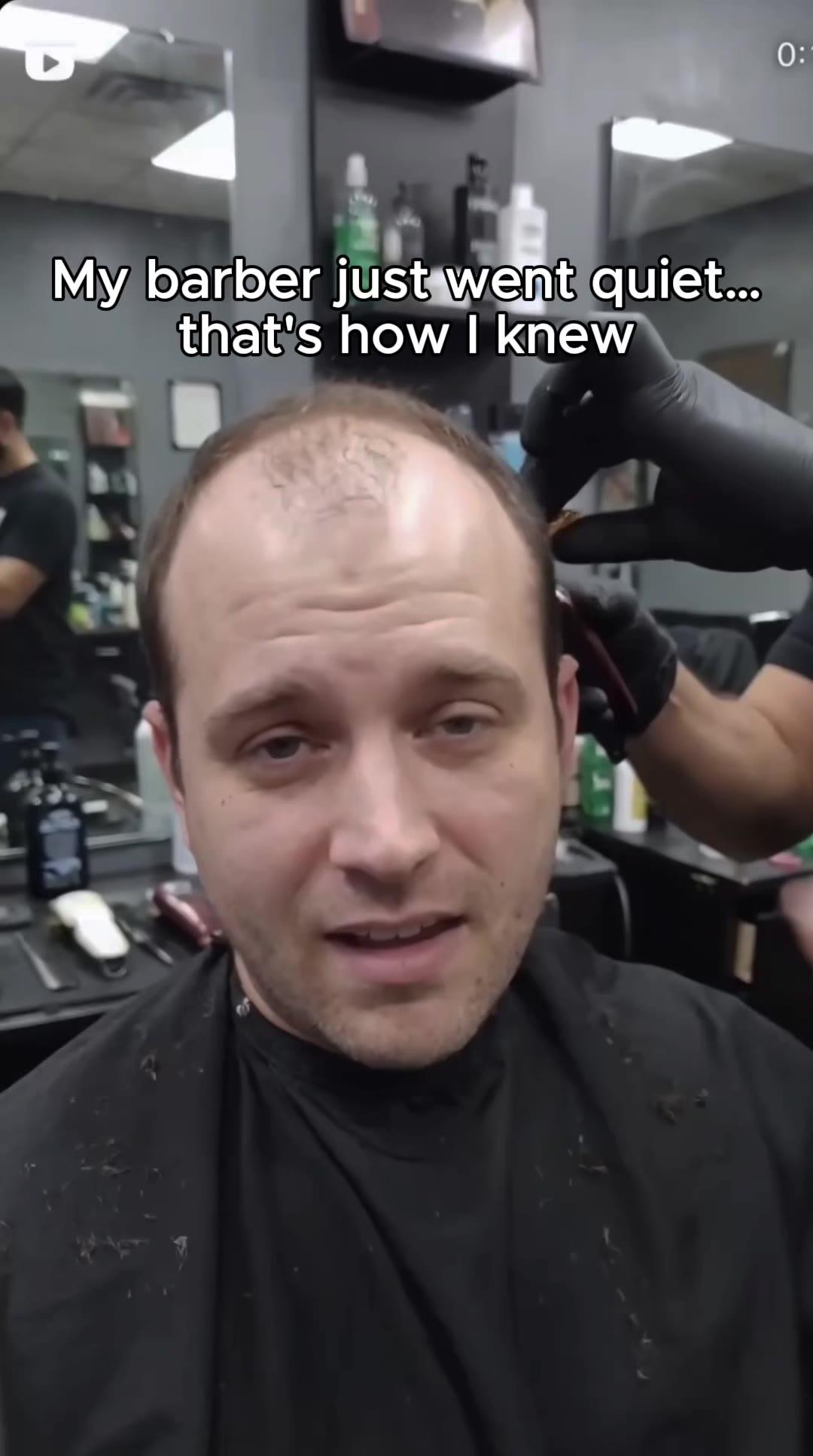




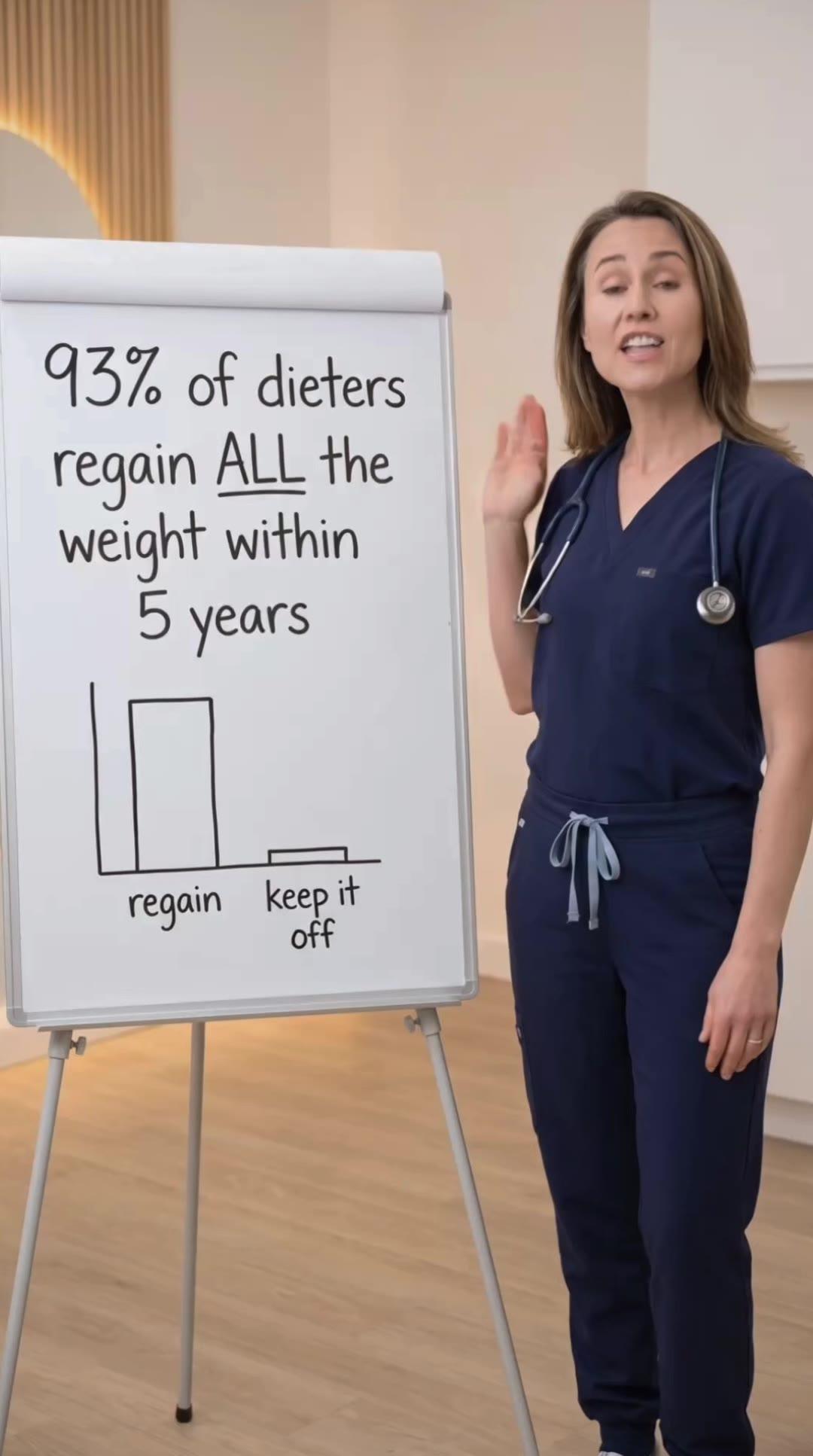
Traditional pharma companies spend $5-10 million on a single DTC campaign with TV, print, and digital components. Telehealth paid social brands achieve similar patient acquisition at 1/50th the budget through platform-native creative and direct-to-consumer distribution. The approaches differ fundamentally in compliance, creative, and economics.
Compliance and Regulatory Differences
Traditional pharma advertising operates under strict FDA prescription drug advertising regulations requiring balanced risk-benefit presentation. Every efficacy claim must be accompanied by corresponding side effect disclosures. This is why pharma TV ads spend 50% of runtime listing side effects.
Telehealth DTC advertising technically sells the medical consultation service, not the prescription drug directly. This distinction allows telehealth brands to avoid some FDA prescription drug advertising requirements while still operating within FTC advertising substantiation rules and platform healthcare policies.
Creative Strategy Differences
Pharma brands build awareness campaigns that run for months or years with minimal creative variation. They test 3-5 concepts in expensive focus groups, pick one, produce it at $500K-$2M, then run that creative across all channels for 6-12 months.
Telehealth brands produce 20-50 creative variations monthly at $2K-$5K per asset and test everything in-market on real audiences. Poor performers get killed in 7-14 days. Winners scale immediately. This rapid iteration approach finds what works faster than focus group research ever could.
Concepts we ship across every awareness stage.
See the work →Budget and Economics
Pharma companies spend $100-300 per patient acquisition through traditional DTC campaigns when you factor in total media spend across TV, digital, and print. Telehealth brands acquire patients at $80-180 through paid social alone. The economics enable telehealth to compete despite lacking brand recognition.
Traditional pharma allocates 60-70% of DTC budget to TV, 20-25% to digital, 10-15% to print. Telehealth brands allocate 80-90% to paid social (primarily Facebook and Instagram), 10-20% to search and testing. The channel concentration allows faster learning and optimization. For more on allocation strategy, see telehealth paid social budget planning.
Platform Restrictions
Meta and TikTok treat telehealth advertisers more leniently than traditional pharma advertisers. Pharma brands face additional review layers, longer approval times, and stricter interpretation of healthcare advertising policies. Telehealth brands operating as medical consultation platforms receive faster approvals and fewer rejections.
This difference exists because pharma brands have massive lobbying power and regulatory oversight that makes platforms extremely cautious. Telehealth brands operate in a newer category with less regulatory attention, allowing more creative freedom within platform policies.
Related Articles
Telehealth Ad Performance Metrics That Actually Matter
Which metrics to track, which to ignore, and how to measure telehealth paid social performance. CPA, ROAS, LTV, and cohort analysis from $50M+ managed spend.
Telehealth Facebook Ad Examples: What Actually Works in 2026
Real GLP-1, TRT, ED, and hair loss Facebook ads that convert. Breakdown of winning hooks, formats, and creative strategies from $50M+ managed spend.
Telehealth Subscription vs. One-Time Purchase Ads: Different Strategies
How to structure paid social for subscription telehealth vs. one-time purchases. Messaging, CPA targets, and LTV considerations from $50M+ managed spend.
Best Ad Formats for Telehealth: UGC, Doctor Interviews, and Educational
Which ad formats work best for GLP-1, TRT, ED, and hair loss paid social. Format performance breakdown and when to use each type from $50M+ managed spend.
Ready to build a testing system that scales?
A 30-minute call. We audit your creative approach and show you exactly what a complete angle-format-hook system looks like for your vertical.