What to Do When Your Telehealth Ad Account Gets Banned
Step-by-step recovery process for a banned telehealth ad account. What actually works, what makes it worse, and how to prevent it.
Concepts shown are internal creative studies, not client campaigns.

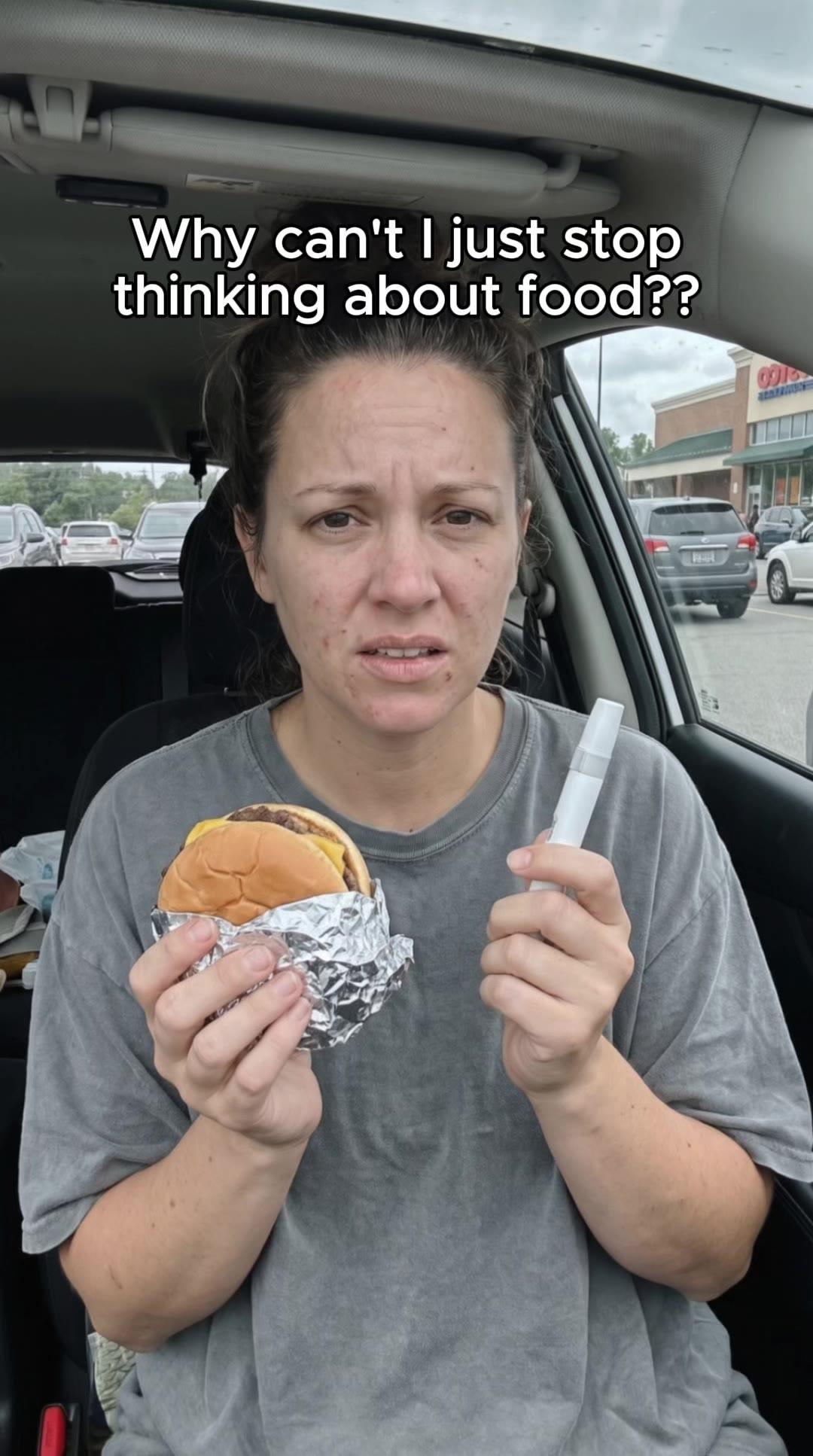






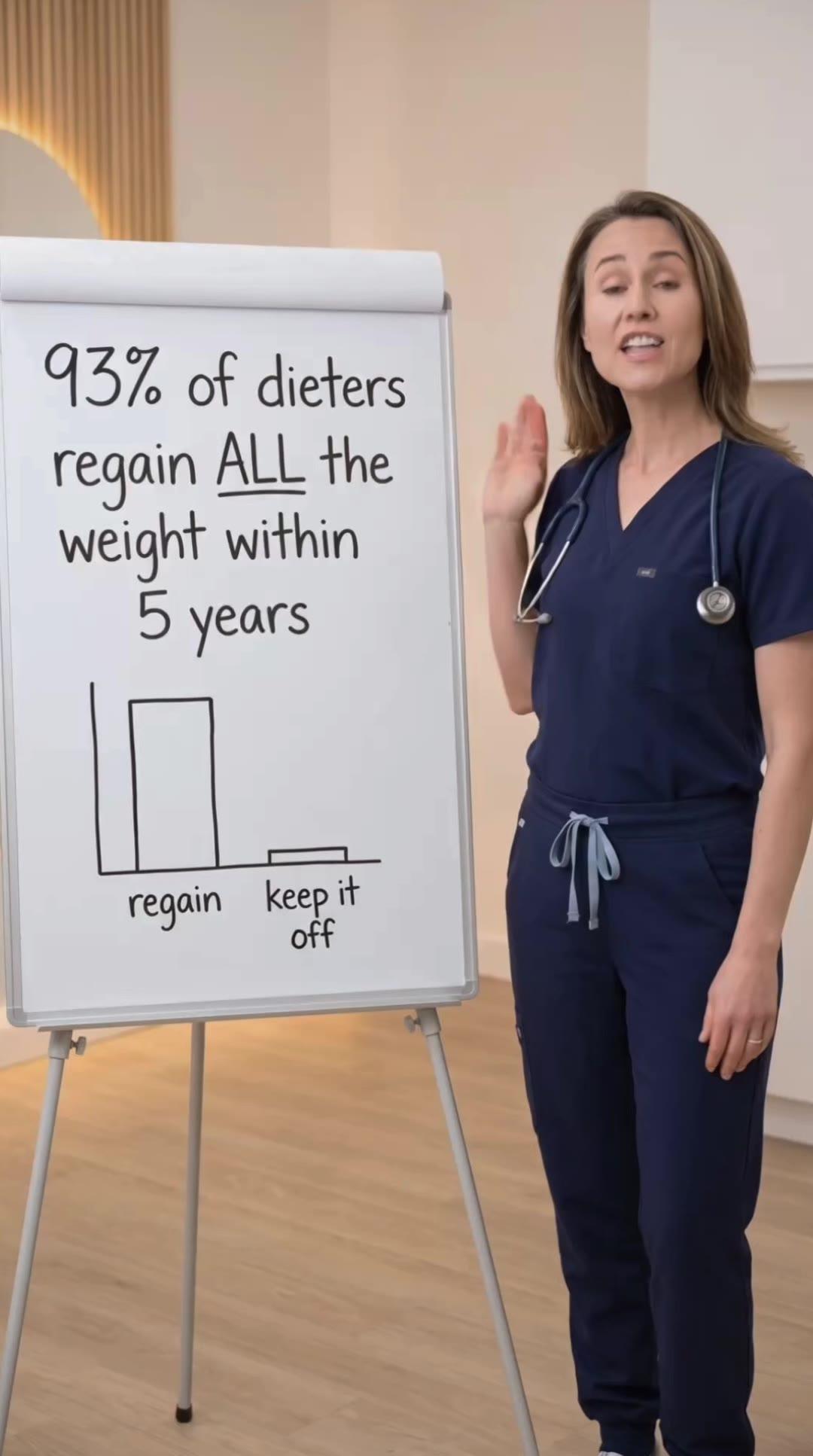
Your GLP-1 brand just hit $200K in monthly revenue from telehealth paid social. You wake up to an email: "Your ad account has been disabled." No warning. No explanation. Just gone. Here's exactly what works.
Why Telehealth Accounts Get Banned
Meta's automated systems flag telehealth ads more aggressively than any other vertical. The algorithm sees prescription drug advertising, weight loss claims, or health condition targeting and assumes violation before checking if your creative is actually compliant.
Across the accounts we've managed, the three most common ban triggers are: implied medical claims in creative ("cure," "treat," "prevent" language), before/after weight loss imagery without proper disclaimers, and testimonials that promise specific results without "results may vary" disclosures.
The fourth trigger is velocity. If you scale spend too fast (2-3× monthly budget increase in one week), Meta's fraud detection systems flag your account for review. This happens even with compliant creative because the spending pattern looks like black-hat behavior.
First 24 Hours After the Ban
Do not submit multiple appeals immediately. This is the biggest mistake brands make. Each appeal resets the review queue. Submit one clear, specific appeal through the account quality section of Business Manager.
Your appeal should be 3-4 sentences maximum. State that you run compliant telehealth advertising, reference your business verification status if you have it, and ask for specific examples of policy violations. Do not write paragraphs explaining your business model. The reviewer spends 30 seconds on your appeal.
While waiting for the appeal response, audit every single ad in your account. Screenshot the ones that might have triggered the ban. Look for language that could be interpreted as medical claims, even if it passed initial review. Meta's policies update quarterly, and ads that ran successfully for months can suddenly violate new interpretations.
The Appeal Process That Actually Works
First appeal: Wait 48 hours. If denied or no response, escalate through Meta Business Support chat (available to accounts spending $5K+ monthly). The chat agents cannot restore your account, but they can flag it for manual review by the compliance team.
Second appeal: Reference the specific ads Meta flagged (they usually tell you in the ban notification email). Explain how each ad complies with healthcare advertising policies. Mention FDA prescription drug advertising rules and FTC testimonial guidelines by name. This signals that you understand compliance, not that you're just another sketchy health advertiser.
Third appeal (if first two denied): Request escalation to the healthcare advertising specialist team. This team exists but is not publicly documented. You access them through repeated support tickets that reference "healthcare/pharmaceutical product advertising" specifically. Response time is 5-7 days, but their reinstatement rate is significantly higher than automated appeals.
Concepts we ship across every awareness stage.
See the work →What Makes Bans Permanent
Creating new ad accounts to circumvent a ban guarantees permanent removal from the platform. Meta tracks business verification, payment methods, and associated personal accounts. They will ban all connected accounts when they detect ban evasion.
Running the same creative that got you banned through a backup account is the second fastest path to permanent removal. We've seen brands lose 3-4 ad accounts in one week by rotating banned creative across backup accounts.
Aggressive or threatening language in appeals moves your account to the "do not reinstate" category. The compliance reviewers are contractors in the Philippines making $3/hour. They have zero incentive to advocate for accounts that insult them or threaten legal action in appeals.
The Backup Account Strategy
Every telehealth brand running serious ad spend needs a backup Business Manager under a different entity with different payment methods. This is not ban evasion if done correctly. The backup account should have its own business verification, clean payment history, and separate creative that you've never run in the primary account.
Run 10-20% of your budget through the backup account monthly to build history. Accounts with 6+ months of compliant ad history rarely get permanently banned on first violation. They get restricted, you appeal, they reinstate within 72 hours.
The backup account should use different admin users, though some overlap is fine for account management. Meta allows the same individual to manage multiple business accounts as long as each account represents a legitimate separate business entity. For telehealth ad account structure, this redundancy is mandatory at scale.
Prevention Is Cheaper Than Recovery
Run every ad through manual compliance review before launch. Have a second person check each creative for implied claims, missing disclaimers, and language that could trigger automated review. The 15 minutes of review saves weeks of account recovery time.
Maintain a compliance swipe file of ads that have run successfully for 60+ days without flags. These become your safe templates. When Meta's policies update, these proven ads serve as the baseline for what still passes review.
Limit creative testing to 5-7 new ads per week maximum. Launching 20+ new creatives in one day looks like spam to Meta's systems. We've seen accounts flagged for "coordinated inauthentic behavior" simply because they tested too much creative too fast. Slow, steady creative rotation prevents velocity-based bans.
Working With Meta's Healthcare Ad Policies
Meta publishes healthcare advertising policies that are vague by design. "No misleading health claims" means different things to different reviewers. The only reliable approach is conservative creative that could never be interpreted as claiming medical benefits beyond FDA-approved indications.
Testimonials are the highest-risk creative format for telehealth. Every testimonial needs visible disclaimers stating "results may vary" or "individual results." The disclaimer must be on-screen for at least 3 seconds and readable without pausing the video. Text overlays in size 14+ font work. Verbal disclaimers alone do not satisfy Meta's requirements.
Before/after creative for GLP-1 and weight loss telehealth requires additional disclaimers about lifestyle changes, diet, exercise, and the prescription nature of treatment. These disclaimers must appear before showing any transformation imagery. Leading with results then adding disclaimers at the end gets flagged as misleading.
When to Accept Permanent Ban
If Meta has permanently disabled your account after multiple appeals over 30+ days, the account is not coming back. Continuing to submit appeals wastes time that should be spent building new accounts under proper business structure.
Permanent bans happen to accounts that have violated policies repeatedly (3+ violations in 90 days) or committed serious violations like selling prescription drugs without proper licensing verification. If your business model was not compliant from the start, no amount of appeals will restore the account.
For brands that have been permanently banned, rebuilding on Meta requires incorporating a new business entity, obtaining new business verification, and starting with extremely conservative creative. The first 60 days on a new account post-ban, run only educational content and doctor interviews. No testimonials, no before/after, no aggressive direct response creative until you've established clean account history.
Related Articles
Facebook Ads for Telehealth Brands: The Complete 2026 Playbook
Step-by-step Facebook advertising strategy for telehealth brands. Account setup, audience targeting, and creative that passes compliance review.
Meta vs TikTok for Telehealth Ads: Which Platform Actually Works
Real performance data from $50M+ in telehealth ad spend. Platform breakdown by vertical and where to allocate budget.
Meta Audience Targeting for Telehealth Brands
How to build, layer, and scale Meta audiences for GLP-1, TRT, ED, and hair loss telehealth without getting ad accounts banned.
Telehealth Retargeting on Facebook: What Actually Works in 2026
Retargeting strategies that drive 2-3× better conversion rates for telehealth brands. Audience segmentation, creative rotation, and budget allocation.
Ready to build a testing system that scales?
A 30-minute call. We audit your creative approach and show you exactly what a complete angle-format-hook system looks like for your vertical.