Meta Audience Targeting for Telehealth Brands
How to build, layer, and scale Meta audiences for GLP-1, TRT, ED, and hair loss telehealth without getting ad accounts banned or wasting budget on broad targeting.
Concepts shown are internal creative studies, not client campaigns.

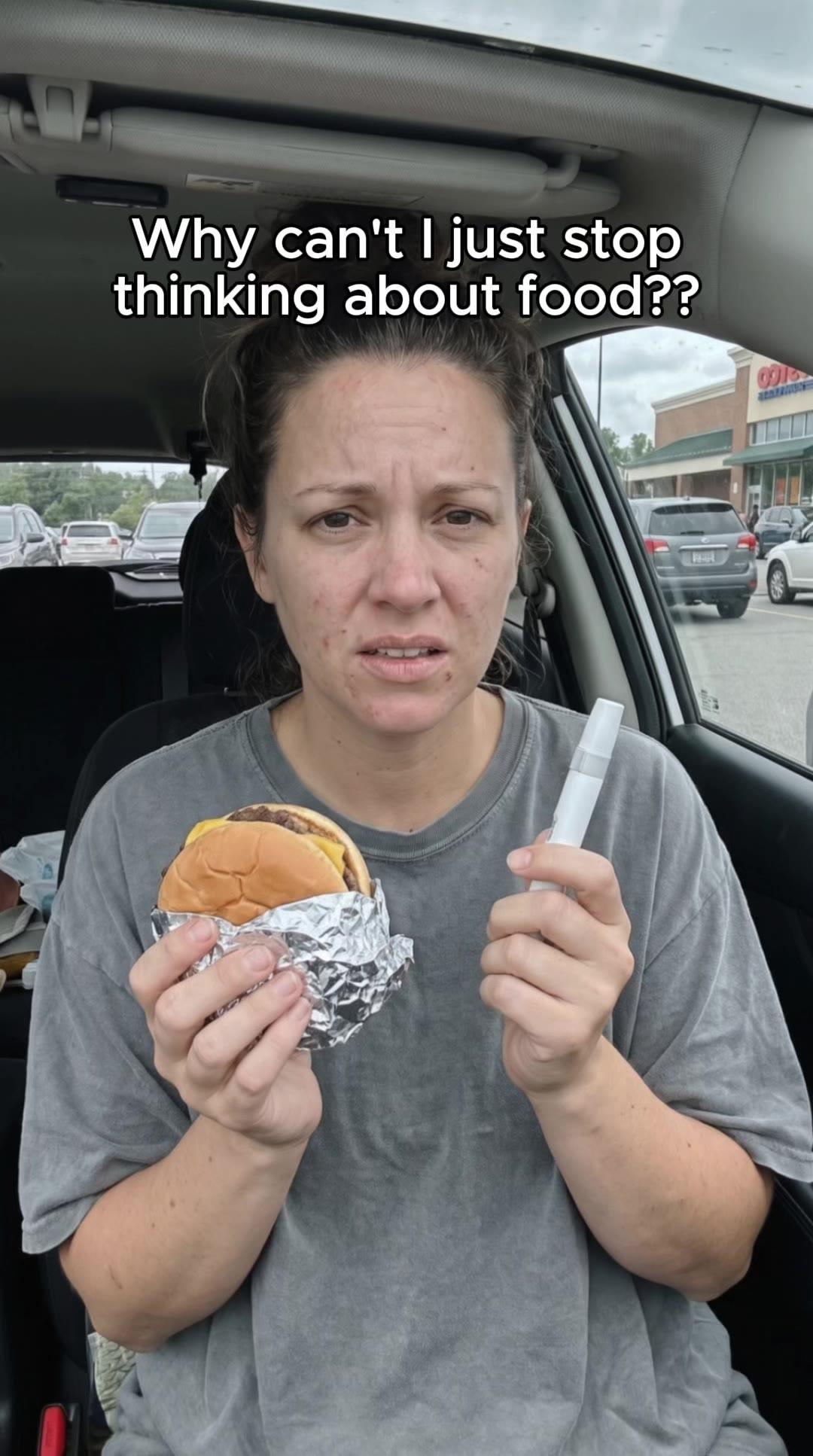






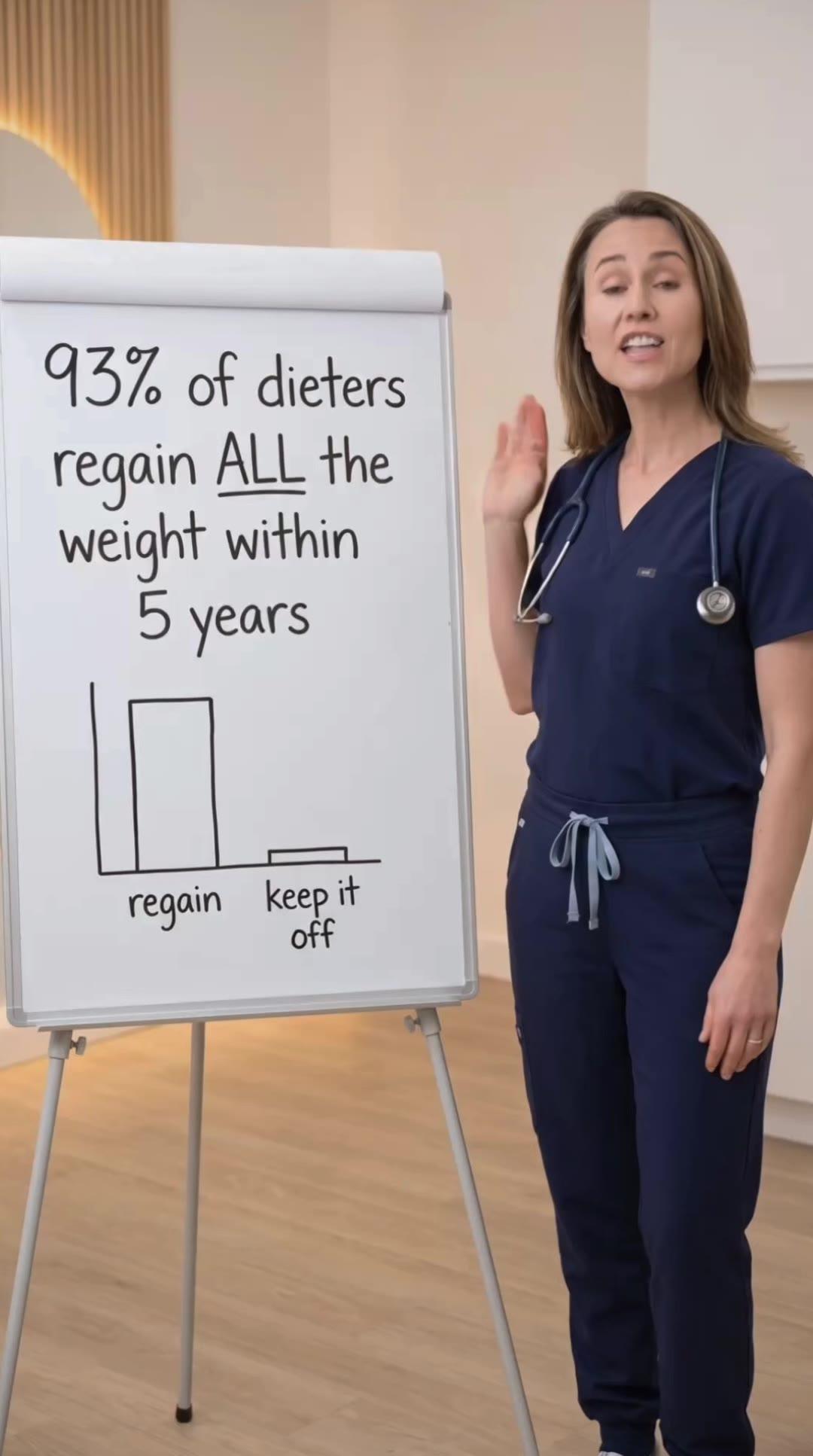
Broad targeting does not work for telehealth brands spending under $500K monthly. Meta's algorithm needs 500+ conversions per month minimum to optimize broad audiences effectively. Below that threshold, you're burning budget on traffic that will never convert. After managing $50M+ in telehealth paid social spend, the brands that scale profitably use layered audience strategies that start narrow and expand systematically.
Start with Interest Layering, Not Broad
Telehealth brands at $10-50K monthly spend should use interest layering: targeting 2-3 interests simultaneously rather than one interest at a time. For GLP-1 brands, this means targeting people interested in weight loss AND low-carb diet AND fitness trackers. The intersection of three interests delivers 60-70% better CPAs than single-interest targeting.
The mistake most brands make is using interests that are too specific. Targeting "Ozempic" or "Mounjaro" as interests does not work because Meta does not have interest categories for prescription drugs. Instead, target behavioral signals that correlate with GLP-1 interest: weight loss program participation, diabetes management, metabolic health content consumption.
For TRT brands, layering "testosterone replacement" + "men's health clinics" + "bodybuilding" creates an audience of men actively researching hormone optimization. Single-interest audiences for TRT deliver 40-50% higher CPAs because they include men casually interested in fitness, not men ready to commit to treatment.
Age and Gender Restrictions by Category
Age restrictions vary by treatment category and state regulations. Most GLP-1 telehealth brands can legally target 18+, but performance data shows 35-65 age targeting delivers 3-4× better conversion rates than 18-34. Younger audiences engage with ads but rarely complete consultations or purchase prescriptions.
TRT brands should target men 35-65. Targeting 18-34 drives engagement from gym-goers interested in performance enhancement, not medical treatment. These audiences have high click-through rates but conversion rates 80% lower than the 35-65 demographic.
ED telehealth performs best with 40-70 age targeting for cold acquisition. Men under 40 seeking ED treatment typically have psychological causes, not the vascular issues that respond to sildenafil or tadalafil. They click ads but fail medical qualification, wasting your budget. Hair loss telehealth is the exception: target 25-55 because hair loss intervention works best when started early.
Lookalike Audience Build Strategy
Do not build lookalike audiences until you have 1,000+ customer conversions. Lookalikes based on 100-300 conversions underperform interest-layered audiences because the seed data is too small for Meta to identify meaningful patterns. Wait until you have scale, then build 1% lookalikes from your highest-LTV customer segment.
Segment your lookalike seeds by customer value, not just conversion volume. A 1% lookalike based on customers who completed 3+ months of treatment outperforms a lookalike based on all customers by 30-40% CPA. These customers represent your ideal profile: high intent, low churn, strong product-market fit.
Stack lookalikes systematically: start with 1%, scale to 2-3% when 1% saturates at $50K+ spend, then test 4-5% audiences. Never skip straight to 5-10% lookalikes. Each expansion requires proof of performance at the previous level. For brands managing telehealth ad spend scaling, lookalike expansion is a 6-12 month process, not a week-one tactic.
Concepts we ship across every awareness stage.
See the work →Retargeting Segmentation
Retargeting requires four distinct audience segments: site visitors (30-90 days), video viewers (25-95% completion), engagement audiences (likes, shares, saves), and abandoned actions (add-to-cart, consultation starts). Each segment responds to different creative and messaging.
Site visitors who bounced in under 30 seconds should not be retargeted. They landed on your site by mistake or immediately decided you're not relevant. Retargeting these users burns 20-30% of retargeting budget with near-zero conversion rates. Set your site visitor retargeting to exclude sessions under 30 seconds and only target users who visited 2+ pages.
Video viewers who watched 50-95% of your ads are your highest-intent retargeting audience. They engaged deeply but didn't convert. This segment converts at 2-3× the rate of general site visitors when retargeted with social proof and testimonial creative. Allocate 40-50% of retargeting budget here. For creative strategy, see our breakdown of best ad formats for telehealth.
Exclusion Audiences to Prevent Waste
Always exclude existing customers from prospecting campaigns. Telehealth brands waste 15-25% of prospecting budget targeting people who already subscribed. Set up a customer list exclusion audience updated weekly, and apply it to all cold acquisition campaigns.
Exclude recent site visitors from cold prospecting. If someone visited your site in the past 7 days, they should only see retargeting ads, not prospecting ads. Showing cold acquisition creative to warm traffic wastes impressions and confuses your funnel strategy.
Exclude engaged audiences (people who watched 50%+ of videos or clicked ads in the past 30 days) from cold prospecting campaigns. These audiences belong in retargeting campaigns with social proof creative, not cold doctor interview or educational content. Proper exclusions reduce prospecting CPAs by 10-15% by preventing duplicate targeting.
Geographic Targeting Considerations
Most telehealth brands should start with nationwide US targeting, then exclude states where you cannot legally operate. Do not start with state-by-state targeting unless you have regulatory restrictions. State-level targeting reduces audience size below Meta's optimization threshold, leading to higher CPAs and unstable performance.
If you must use state-level targeting due to licensing restrictions, group states into regional audiences (e.g., West Coast, Southeast, Northeast) to maintain audience scale above 2M people minimum. Single-state targeting only works for California, Texas, Florida, and New York. Smaller states do not have enough volume to optimize effectively.
Avoid DMA-level or city-level targeting for telehealth unless you're driving to physical clinic visits. Telehealth is a remote service. Narrowing targeting to specific cities reduces scale without improving performance. The exception is testing expensive markets (NYC, SF, LA) separately to analyze whether CPA justifies the higher cost per impression in those regions.
When to Move to Broad Targeting
Broad targeting (age and gender only, no interest or behavior targeting) becomes viable at $200-300K monthly spend with 800+ monthly conversions. Below this threshold, broad audiences deliver unstable performance because Meta's algorithm doesn't have enough conversion data to optimize effectively.
Test broad targeting by allocating 20% of budget, not 100%. Keep your interest-layered and lookalike campaigns running while you test broad. If broad delivers CPAs within 20% of your best-performing audience segments after 2-3 weeks and 200+ conversions, gradually shift more budget. If broad underperforms by 30%+ after 200 conversions, return to layered audience strategy.
Brands spending $500K+ monthly with 1,500+ conversions should absolutely test broad targeting. At this scale, Meta has enough data to identify high-intent users without manual audience layering. Some of our best-performing telehealth accounts run 60-70% of budget on broad audiences. But they reached this point after 12-18 months of layered audience testing, not day one. For context on whether your spend level supports broad, review our telehealth paid social benchmarks.
Audience Refresh and Testing Cadence
Refresh your interest-layered audiences every 6-8 weeks. Meta's interest categories shift as user behavior changes. An interest combination that delivered $80 CPAs in January may deliver $140 CPAs by March. Test 2-3 new interest combinations per month to identify which interests are gaining or losing performance.
Rebuild lookalike audiences quarterly. As your customer base grows and shifts, your lookalike seed data changes. A 1% lookalike built in Q1 may no longer represent your best customer profile by Q3. Rebuild lookalikes using the most recent 90 days of customer data to keep audiences aligned with current performance.
Retargeting audiences should be monitored weekly. Audience size fluctuates based on site traffic volume. If your retargeting audience drops below 10K people, performance destabilizes. If it grows above 500K, you're not spending enough on retargeting relative to prospecting. Maintain retargeting audiences between 50K-300K for optimal performance.
Related Articles
Facebook Ads for Telehealth Brands: The Complete 2026 Playbook
Step-by-step Facebook advertising strategy for telehealth brands. Account setup, audience targeting, and creative that passes compliance review.
Meta vs TikTok for Telehealth Ads: Which Platform Actually Works
Real performance data from $50M+ in telehealth ad spend. Platform breakdown by vertical and where to allocate budget.
Telehealth Retargeting on Facebook: What Actually Works in 2026
Retargeting strategies that drive 2-3× better conversion rates for telehealth brands. Audience segmentation, creative rotation, and budget allocation.
Telehealth Ad Account Banned? How to Get Unbanned and Stay Compliant
Step-by-step process for appealing banned telehealth ad accounts on Meta and TikTok. What triggers bans and how to prevent them.
Ready to build a testing system that scales?
A 30-minute call. We audit your creative approach and show you exactly what a complete angle-format-hook system looks like for your vertical.