Telehealth Retargeting on Facebook: What Actually Works
How to structure retargeting campaigns for GLP-1, TRT, ED, and hair loss telehealth. Audience segments, creative strategy, and budget allocation from $50M+ managed spend.
Concepts shown are internal creative studies, not client campaigns.

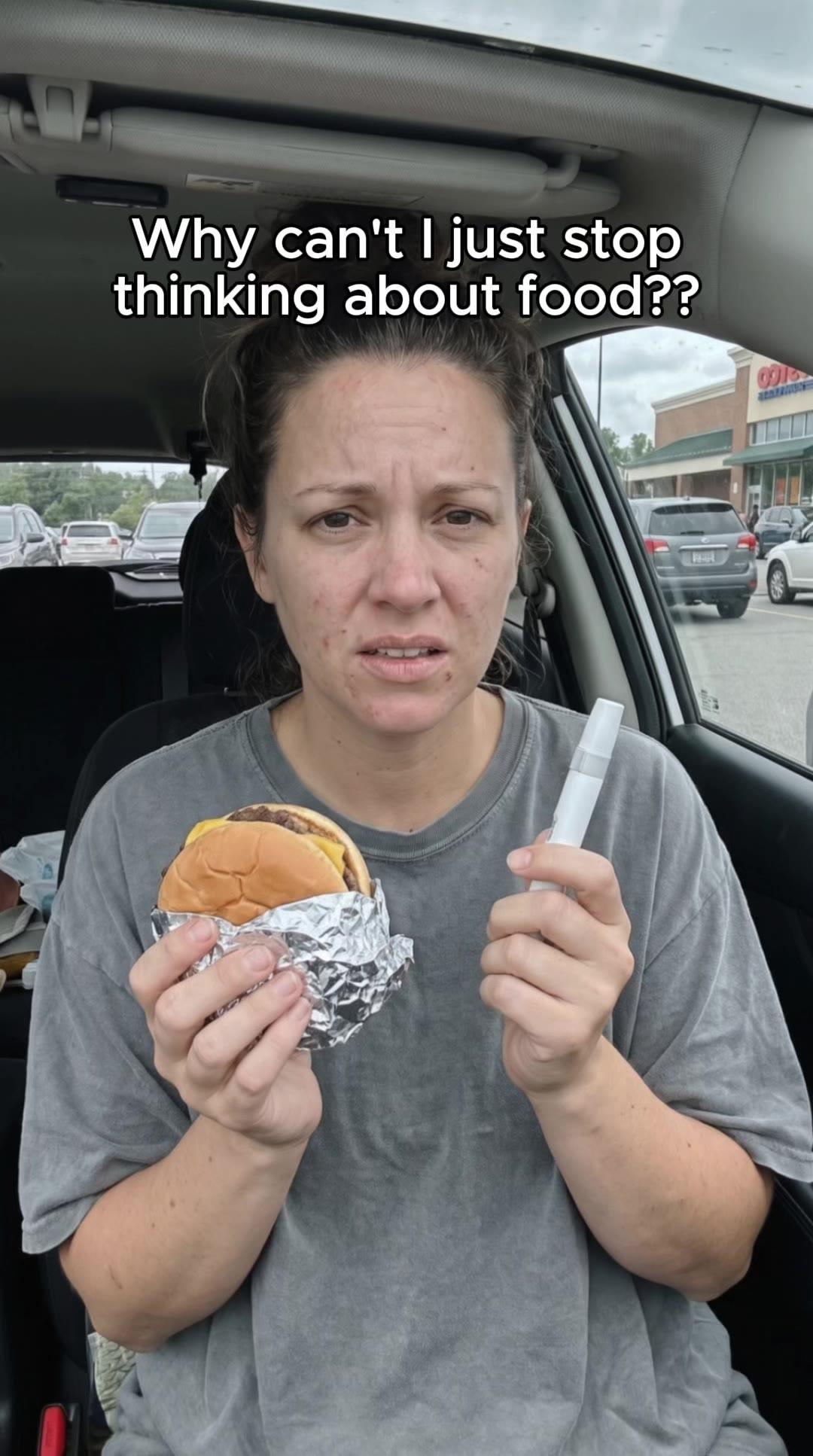






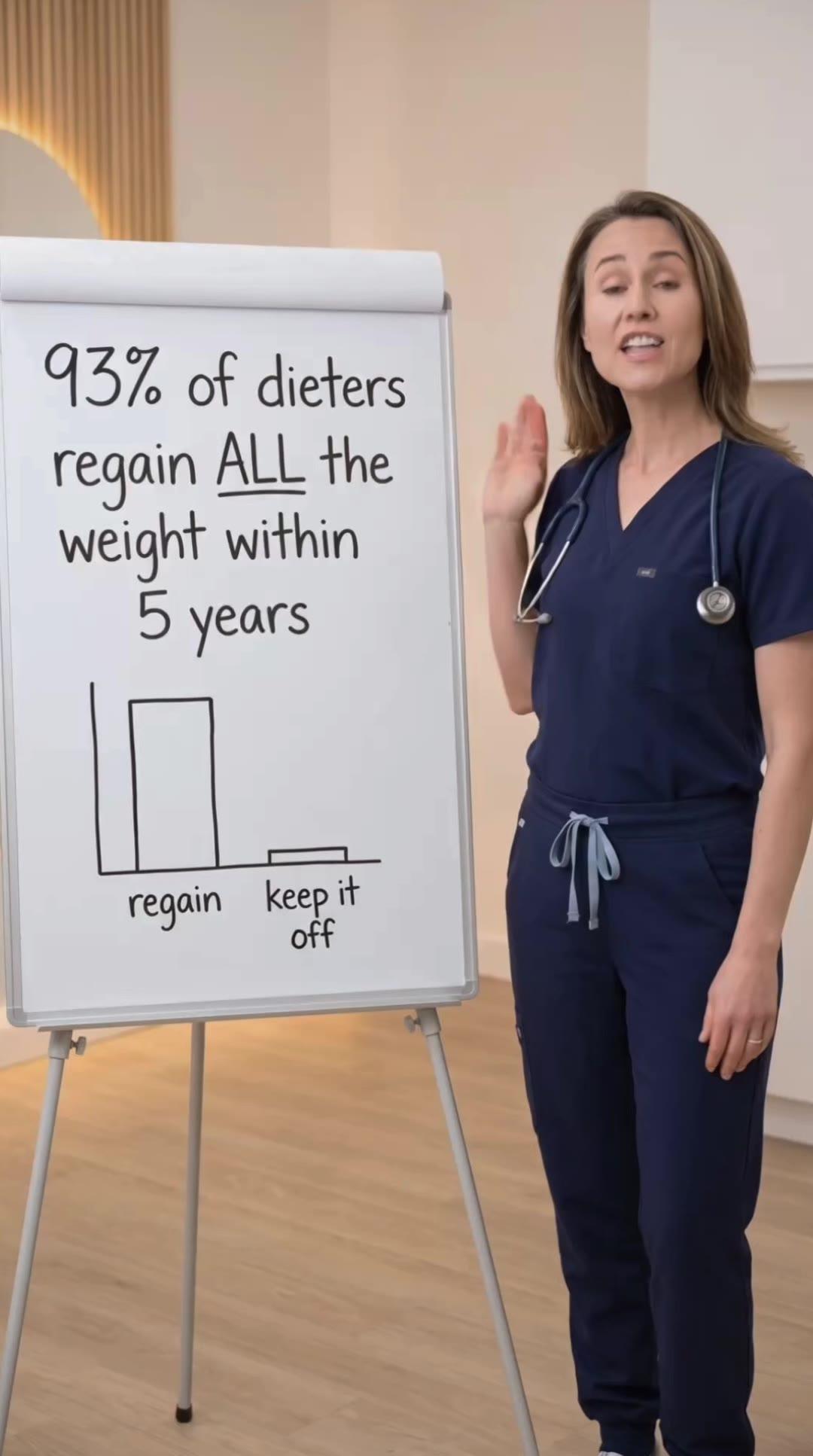
Most telehealth brands underinvest in retargeting. They allocate 80-90% of budget to cold prospecting and 10-20% to retargeting, then wonder why conversion rates stay low. After managing $50M+ in telehealth paid social spend, the brands that scale profitably run retargeting at 30-40% of total budget. Prescription drug purchases require multiple touchpoints. Retargeting provides those touchpoints more efficiently than cold prospecting.
The Four Retargeting Audience Tiers
Tier 1 (highest intent): Abandoned consultation starts, add-to-cart, checkout initiations. These users began the purchase process but didn't complete. Retarget with urgency messaging, pricing transparency, and objection-handling creative. Conversion rates for this audience run 8-15%, significantly higher than any other retargeting segment.
Tier 2 (high intent): Site visitors who spent 60+ seconds and visited 2+ pages, especially product or pricing pages. These users actively researched your offering. Retarget with social proof, testimonials, and outcome-focused creative. Conversion rates run 3-6% for this segment.
Tier 3 (medium intent): Video viewers who watched 50-95% of your ads, engagement audiences (likes, comments, saves), and Instagram profile visitors. These users showed interest but haven't visited your site. Retarget with educational content and trust-building creative. Conversion rates run 1-3%, which still beats cold prospecting by 2-4×.
Tier 4 (low intent): Site visitors who bounced in under 30 seconds or viewed only one page. Do not retarget this audience. They're accidental clicks or immediate disqualifications. Retargeting low-intent audiences wastes 20-30% of retargeting budget with near-zero return.
Creative Strategy by Retargeting Tier
Tier 1 audiences respond to urgency and objection handling. Creative should address why they didn't complete: "Questions about pricing?", "Concerned about privacy?", "Not sure if treatment is right for you?" followed by direct answers. FAQ-style video content and transparent pricing callouts drive 40-50% higher conversion than generic retargeting ads.
Tier 2 audiences respond to social proof. UGC testimonials, before/after stories (where compliant), and "real results" content convert best. These users already understand your product. They need validation that it works. Show them proof, not education. For format breakdowns, review best ad formats for telehealth.
Tier 3 audiences need bridge content. They showed interest but haven't converted to site visitors yet. Use educational content that transitions into product positioning: "Here's how treatment works" followed by "Get started with a free consultation." This audience needs information before they're ready for hard selling.
Budget Allocation Across Retargeting Tiers
Allocate 50% of retargeting budget to Tier 1 (abandoned actions), 30% to Tier 2 (high-intent site visitors), 20% to Tier 3 (engagement and video viewers). This allocation assumes Tier 1 audiences are 10-20K people, Tier 2 are 50-100K, and Tier 3 are 200-500K.
If your Tier 1 audience is under 5K people, you don't have enough abandonment volume to justify 50% budget allocation. This indicates funnel problems: either site traffic is too low, or your checkout/consultation flow has major friction preventing users from starting the process. Fix the funnel before increasing retargeting spend.
If Tier 1 audiences exceed 50K people, you're generating massive abandonment volume, which suggests pricing concerns, compliance friction, or poor qualification flows. Investigate why 50K+ people start but don't finish. The solution may be funnel optimization, not more retargeting budget.
Concepts we ship across every awareness stage.
See the work →Retargeting Window Duration
Tier 1 retargeting should run for 14 days maximum. Users who abandoned cart or consultation 2+ weeks ago are cold leads. Extending retargeting windows beyond 14 days for this audience wastes budget on people who moved on. Hit them hard for two weeks, then let them go.
Tier 2 retargeting performs best at 30-45 days. High-intent site visitors need more time to make prescription drug decisions. Some users research for weeks before purchasing. A 30-45 day window captures this consideration period without extending so long that users forget your brand.
Tier 3 retargeting should not exceed 90 days. Video viewers or engagement audiences from 90+ days ago are stale. They either converted through other channels, decided against treatment, or forgot about your brand entirely. Retargeting these users delivers CPAs 2-3× higher than fresh engagement audiences.
Frequency Caps and Creative Rotation
Set frequency caps at 10 impressions per 7 days for retargeting. Exceeding this threshold creates ad fatigue and brand annoyance without improving conversion. Users who see your retargeting ads 15+ times per week are either not interested or not ready to buy. Pushing harder does not change this.
Rotate 3-5 different creatives per retargeting campaign. Showing the same testimonial video 10 times is less effective than showing 3 different testimonials 3-4 times each. Creative variety prevents fatigue and tests different angles to find which messaging converts each audience segment best.
Refresh retargeting creative every 3-4 weeks. Even high-performing retargeting ads fatigue faster than cold prospecting creative because retargeting audiences are smaller and see ads more frequently. Plan for 2-3× more creative production for retargeting than prospecting to maintain performance. Brands scaling spend need production pipelines that support this cadence, covered in scaling telehealth ad spend.
Retargeting vs. Prospecting Budget Ratio
Brands spending $10-50K monthly should allocate 25-30% to retargeting. At this budget level, you're building initial traffic volume. Retargeting audiences are still small (under 50K people). Overinvesting in retargeting before you have sufficient audience size leads to frequency issues and inflated CPMs.
Brands spending $50-200K monthly should allocate 30-35% to retargeting. You have enough site traffic to build meaningful retargeting audiences (100K+ people). This is where retargeting efficiency gains justify higher budget allocation. Retargeting CPAs should be 30-50% lower than prospecting at this spend level.
Brands spending $200K+ monthly should allocate 35-40% to retargeting. Large retargeting audiences (300K+ people) support significant spend without frequency issues. Retargeting becomes a primary conversion driver, not just a support tactic. Some of our highest-performing accounts run 45% of budget on retargeting at $500K+ monthly spend.
Cross-Platform Retargeting Considerations
Meta's retargeting includes both Facebook and Instagram placements. Do not separate Facebook and Instagram retargeting into different campaigns. Meta's algorithm optimizes placement automatically. Forcing placement separation reduces performance and increases CPAs by 20-30%.
Consider TikTok retargeting separately from Meta retargeting. TikTok's retargeting audiences are smaller (site visitors only, no video viewer retargeting yet), but CPAs run 40-60% lower than cold TikTok traffic. Allocate 10-15% of TikTok budget to retargeting if you're spending $30K+ monthly on the platform. For platform comparison, see Meta vs TikTok for telehealth ads.
Google Display retargeting underperforms Meta retargeting for telehealth by 60-80% CPA. Display banner ads do not convert prescription drug buyers effectively. If you run Google Search, use RLSA (remarketing lists for search ads) instead of display retargeting. RLSA allows you to bid more aggressively on search terms for users who previously visited your site, which performs significantly better than display banners.
When Retargeting Fails
If retargeting CPAs are only 10-20% better than prospecting CPAs, your funnel has problems. Retargeting should deliver 40-60% lower CPAs than cold prospecting. Small improvements indicate either poor audience segmentation (you're retargeting low-intent traffic) or creative mismatch (you're showing cold prospecting content to warm audiences).
If retargeting audience size stays flat or shrinks month-over-month, you're not driving enough cold traffic to feed retargeting. This creates a death spiral: insufficient retargeting audiences lead to high retargeting CPAs, which causes brands to cut retargeting budget, which further reduces audience size. Fix cold prospecting volume before optimizing retargeting.
If retargeting frequency exceeds 15 impressions per user per week, you're overspending on retargeting relative to audience size. Either reduce retargeting budget or increase prospecting spend to build larger retargeting audiences. High frequency without corresponding conversions indicates creative fatigue, audience saturation, or fundamental product-market fit issues.
Related Articles
Facebook Ads for Telehealth Brands: The Complete 2026 Playbook
Step-by-step Facebook advertising strategy for telehealth brands. Account setup, audience targeting, and creative that passes compliance review.
Meta vs TikTok for Telehealth Ads: Which Platform Actually Works
Real performance data from $50M+ in telehealth ad spend. Platform breakdown by vertical and where to allocate budget.
Meta Audience Targeting for Telehealth Brands
How to build, layer, and scale Meta audiences for GLP-1, TRT, ED, and hair loss telehealth without getting ad accounts banned.
Telehealth Ad Account Banned? How to Get Unbanned and Stay Compliant
Step-by-step process for appealing banned telehealth ad accounts on Meta and TikTok. What triggers bans and how to prevent them.
Ready to build a testing system that scales?
A 30-minute call. We audit your creative approach and show you exactly what a complete angle-format-hook system looks like for your vertical.