Meta vs TikTok for Telehealth Ads: Which Platform Actually Works
Real performance data from $50M+ in telehealth ad spend. Platform breakdown by vertical, compliance differences, and where to allocate budget in 2026.
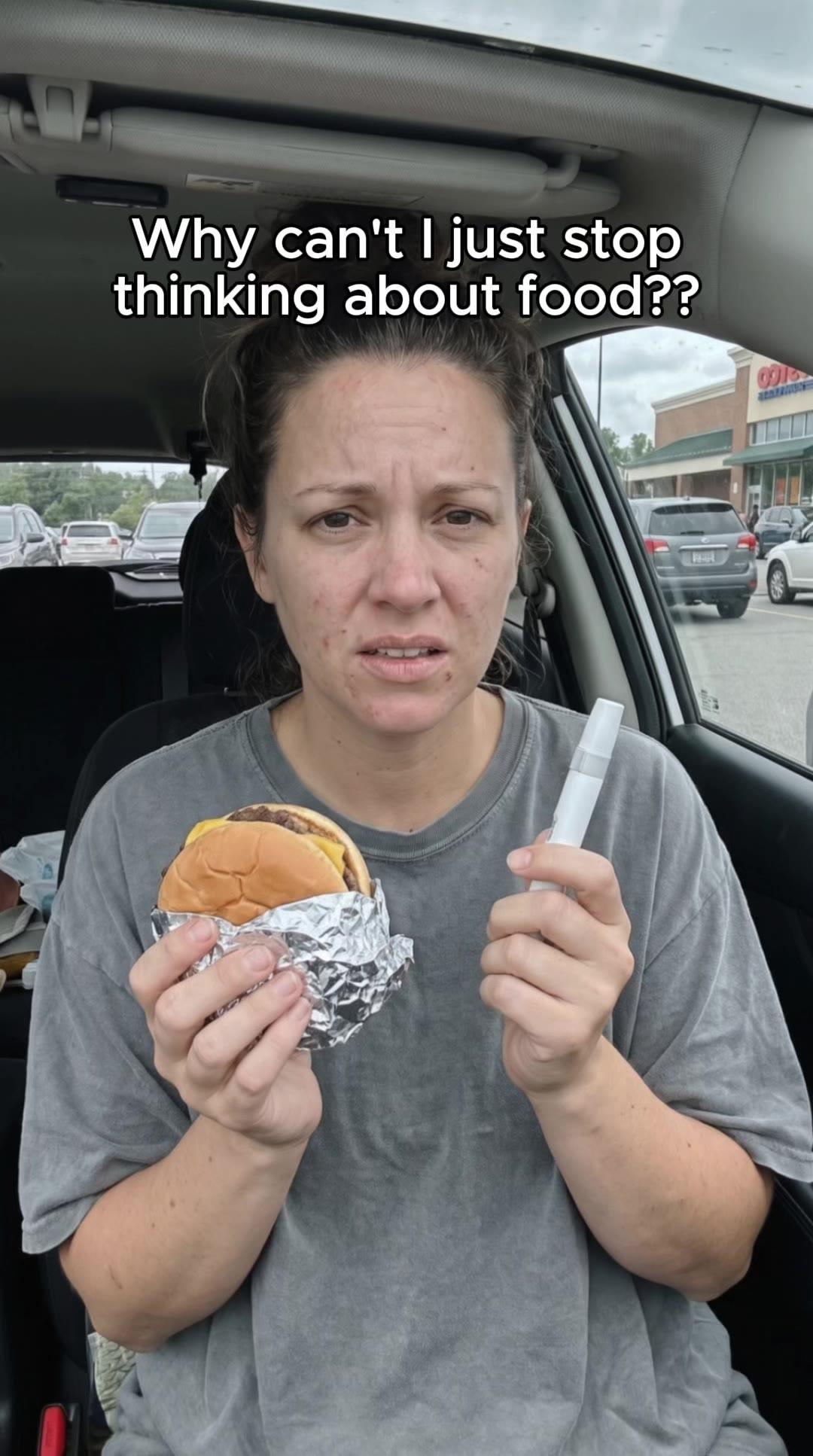
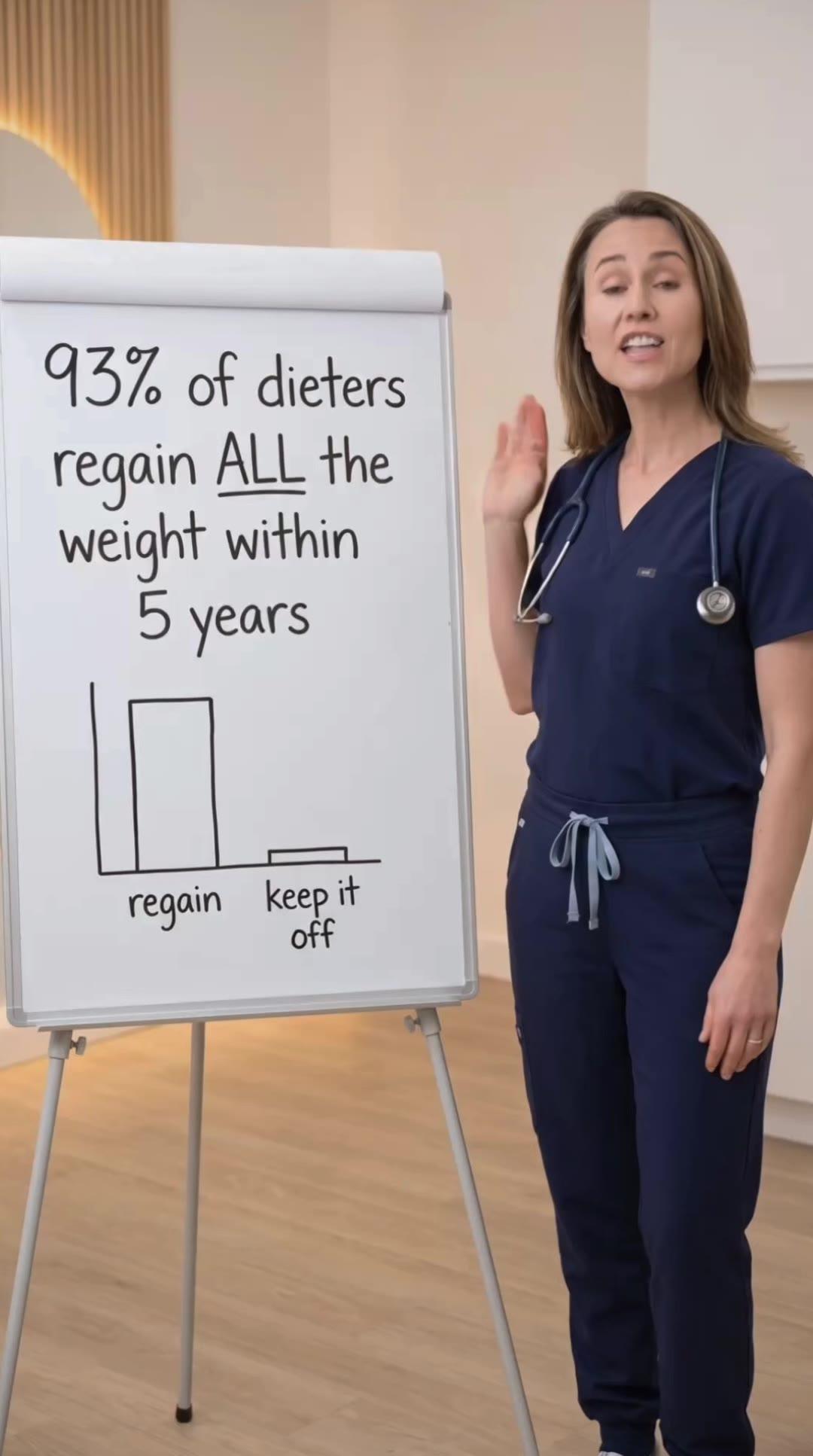
Concepts shown are internal creative studies, not client campaigns.







Most telehealth brands waste money testing TikTok when their vertical has a 70% rejection rate on the platform. Across the $50M+ in telehealth paid social we've managed, platform choice matters more than creative quality when you're dealing with strict compliance rules.
The Numbers That Matter
Meta (Facebook and Instagram) accounts for 65-75% of paid social budget across every telehealth brand we work with. That's not because media buyers prefer Meta. It's because TikTok's compliance review rejects most telehealth ads before they ever run.
GLP-1 brands see 40-60% of TikTok submissions rejected for weight loss claims that pass on Meta. TRT brands get flagged for targeting men over 40. ED treatment ads rarely make it past initial review. The platform works for telehealth, but only specific verticals under specific conditions.
Platform Performance by Vertical
Here's what actually performs based on accounts we've managed for 18+ months:
GLP-1 and Weight Loss: Meta dominates. Facebook delivers 2.5-3.5× ROAS on compliant creative. Instagram performs slightly lower at 2-2.8× but reaches a younger demo. TikTok works for educational content and brand awareness but struggles with conversion-focused ads. Budget allocation: 70% Meta, 20% TikTok (if compliant creative passes), 10% testing.
TRT and Men's Health: Facebook is the primary driver. The demo (men 40-65) lives on Facebook, not TikTok. Instagram delivers moderate results for younger men (35-45) interested in fitness-adjacent TRT. TikTok underperforms for conversion but can work for retargeting warm audiences. Budget allocation: 80% Facebook, 15% Instagram, 5% TikTok.
Hair Loss: Instagram outperforms Facebook here. Younger demo (28-45) responds better to visual proof and lifestyle positioning. TikTok works well for awareness and educational content around hair loss treatments. Facebook delivers decent retargeting performance. Budget allocation: 45% Instagram, 35% Facebook, 20% TikTok.
Mental Health Telehealth: TikTok performs surprisingly well for anxiety and depression treatment awareness. The platform's younger audience (18-35) engages with mental health content. Meta handles retargeting better and has more flexible targeting for warm audiences. Budget allocation: 40% TikTok, 40% Meta, 20% testing.
Concepts we ship across every awareness stage.
See the work →Compliance Differences That Kill Campaigns
Meta's review process is predictable. You learn what passes and what gets flagged. TikTok's review feels arbitrary. The same ad that ran for three months suddenly gets rejected after a policy update with no warning.
On Meta, you can appeal rejections and get human review within 24-48 hours. TikTok appeals take 5-7 days and rarely overturn automated decisions. When you're spending $100K+ monthly, that delay means lost revenue.
The biggest compliance trap on TikTok is weight loss content. Any mention of pounds lost, before/after transformation, or specific results triggers automatic rejection. Meta allows these claims with proper disclaimers. This makes TikTok nearly unusable for GLP-1 brands focused on weight loss positioning.
Audience Targeting Capabilities
Meta's targeting restrictions for healthcare advertisers are strict but workable. You cannot target health conditions, but you can build lookalike audiences from purchasers and use broad demographic targeting with creative that self-selects the right audience.
TikTok's targeting is less sophisticated for telehealth. The platform relies heavily on interest-based targeting, which doesn't work well when you can't target health-related interests. The algorithm learns slower than Meta's, requiring 2-3× more spend to optimize properly.
Retargeting on Meta is straightforward: pixel-based audiences, video viewers, engagement audiences, and custom combinations. TikTok's retargeting requires larger audience sizes (minimum 1,000 users) and has more restrictive refresh rates. For telehealth retargeting strategies, Meta offers more flexibility.
Creative Requirements Per Platform
Meta creative performs best at 30-45 seconds. The audience expects production quality and medical credibility. UGC testimonials work, but they need to look legitimate, not like low-budget TikToks. Doctor interviews and office scenes outperform raw selfie-style content for most telehealth verticals.
TikTok requires native-feeling content. Polished ads that look like ads get scrolled past. The platform rewards authentic, educational content that doesn't feel like advertising. This creates a compliance problem: the more "native" your content looks, the more likely it contains implied claims that violate TikTok's health policies.
Hook strategy differs significantly. Meta users respond to problem-aware hooks: "Struggling with low testosterone?" TikTok users respond to pattern interrupts and curiosity: "Doctors don't tell you this about TRT." The Meta hook converts warm traffic. The TikTok hook stops cold scrollers but often gets flagged for implying medical conspiracy.
Cost Per Acquisition Comparison
Meta CPAs for telehealth average $80-$180 for first purchase or consultation booking, depending on vertical and subscription price. Facebook runs cheaper than Instagram by 15-25% on average. The higher volume on Facebook allows for more aggressive scaling before CPA inflation.
TikTok CPAs start lower ($60-$120) but scale poorly. Once you exceed $20K-$30K monthly spend on TikTok for a single telehealth vertical, CPA increases 40-60%. The platform has less inventory for compliant telehealth ads, so you hit ceiling faster.
For brands scaling past $150K monthly in telehealth ad spend, Meta provides more runway. You can scale to $300K-$500K on Meta with proper creative rotation. TikTok tops out around $80K-$100K before performance degrades significantly.
Where to Start and How to Scale
Launch on Meta first. Build your pixel data, prove your offer converts, establish your baseline CPAs and ROAS. Once you're spending $50K+ monthly on Meta with stable performance, test TikTok with 15-20% of budget.
Don't split-test platforms from day one. You'll dilute your learning budget and neither platform will have enough data to optimize. Meta needs 50-100 conversions per week to perform well. TikTok needs similar volume but takes longer to gather it due to smaller audience sizes for compliant telehealth creative.
The brands that succeed on TikTok for telehealth use it for top-of-funnel awareness, not direct response. They run educational content and brand-building creative on TikTok, then retarget those audiences on Meta for conversion. This cross-platform strategy requires sophisticated tracking and higher overall budget, but it works when you have the infrastructure to support it.
Related Articles
Facebook Ads for Telehealth Brands: The Complete 2026 Playbook
Step-by-step Facebook advertising strategy for telehealth brands. Account setup, audience targeting, and creative that passes compliance review.
Meta Audience Targeting for Telehealth Brands
How to build, layer, and scale Meta audiences for GLP-1, TRT, ED, and hair loss telehealth without getting ad accounts banned.
Telehealth Retargeting on Facebook: What Actually Works in 2026
Retargeting strategies that drive 2-3× better conversion rates for telehealth brands. Audience segmentation, creative rotation, and budget allocation.
Telehealth Ad Account Banned? How to Get Unbanned and Stay Compliant
Step-by-step process for appealing banned telehealth ad accounts on Meta and TikTok. What triggers bans and how to prevent them.
Ready to build a testing system that scales?
A 30-minute call. We audit your creative approach and show you exactly what a complete angle-format-hook system looks like for your vertical.