Telehealth Ad Account Structure: Campaign Architecture That Scales
How to structure Meta ad accounts for GLP-1, TRT, ED, and hair loss telehealth. Campaign hierarchy, budget distribution, and naming conventions from $50M+ managed spend.
Concepts shown are internal creative studies, not client campaigns.

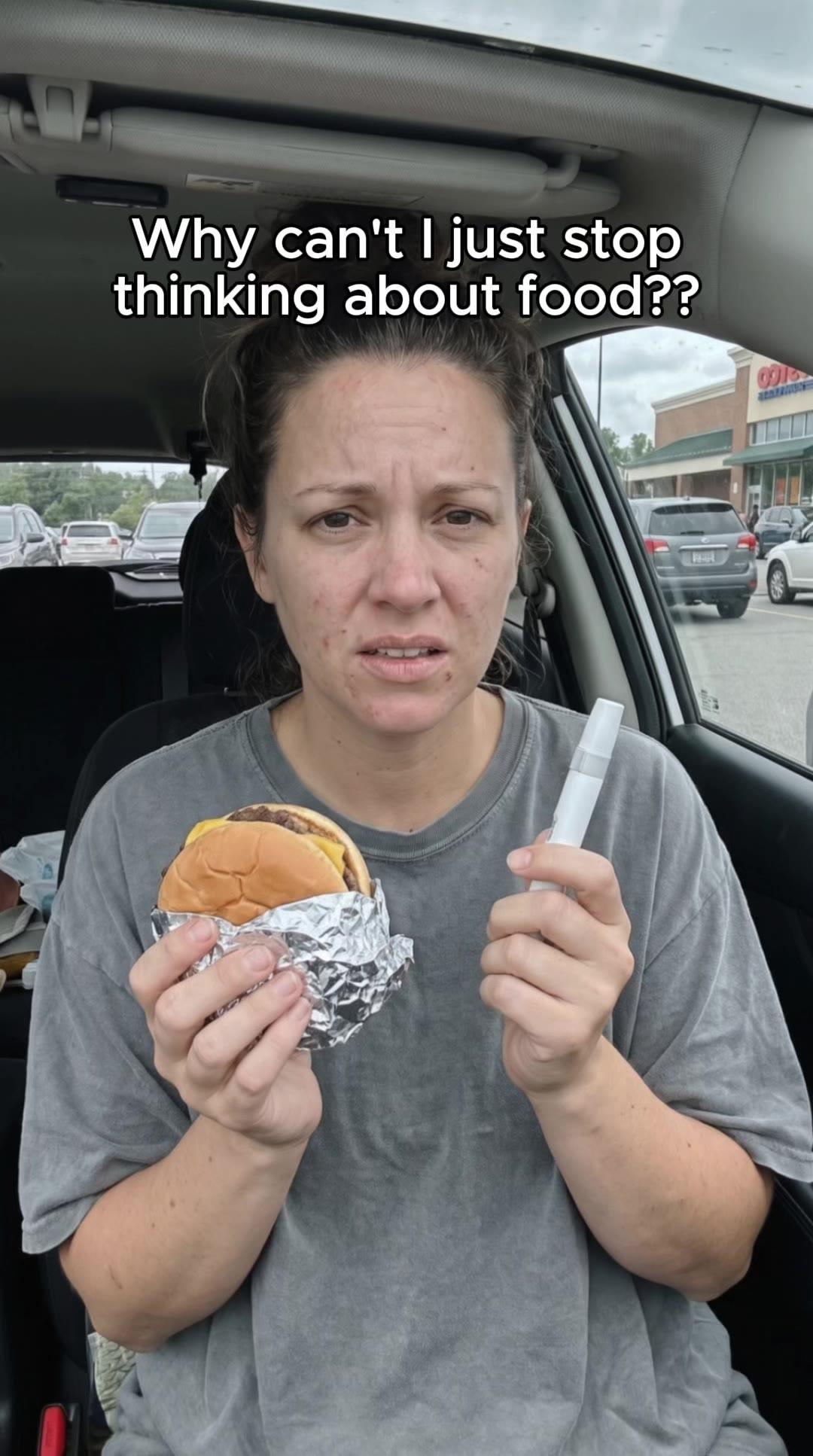

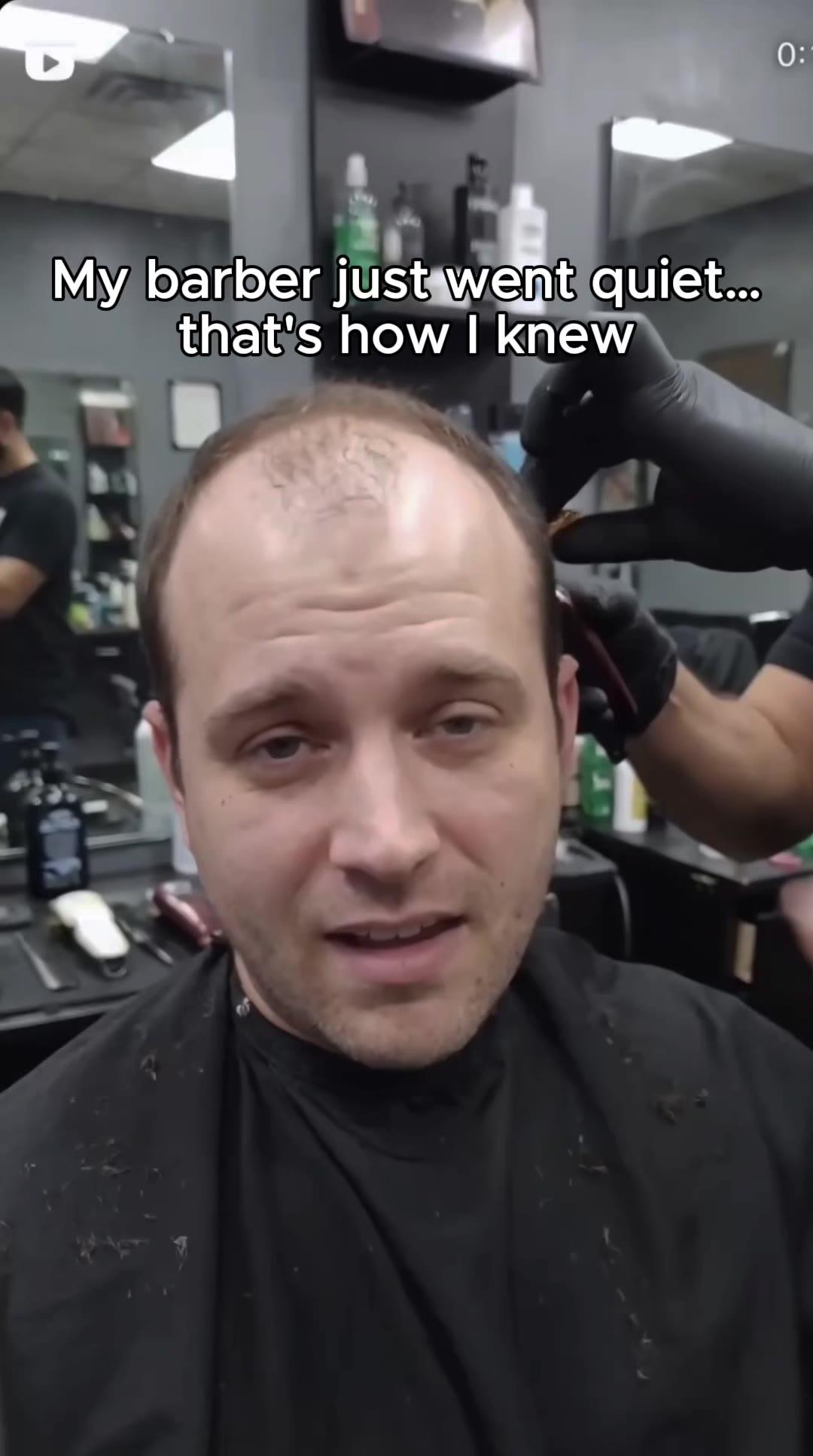




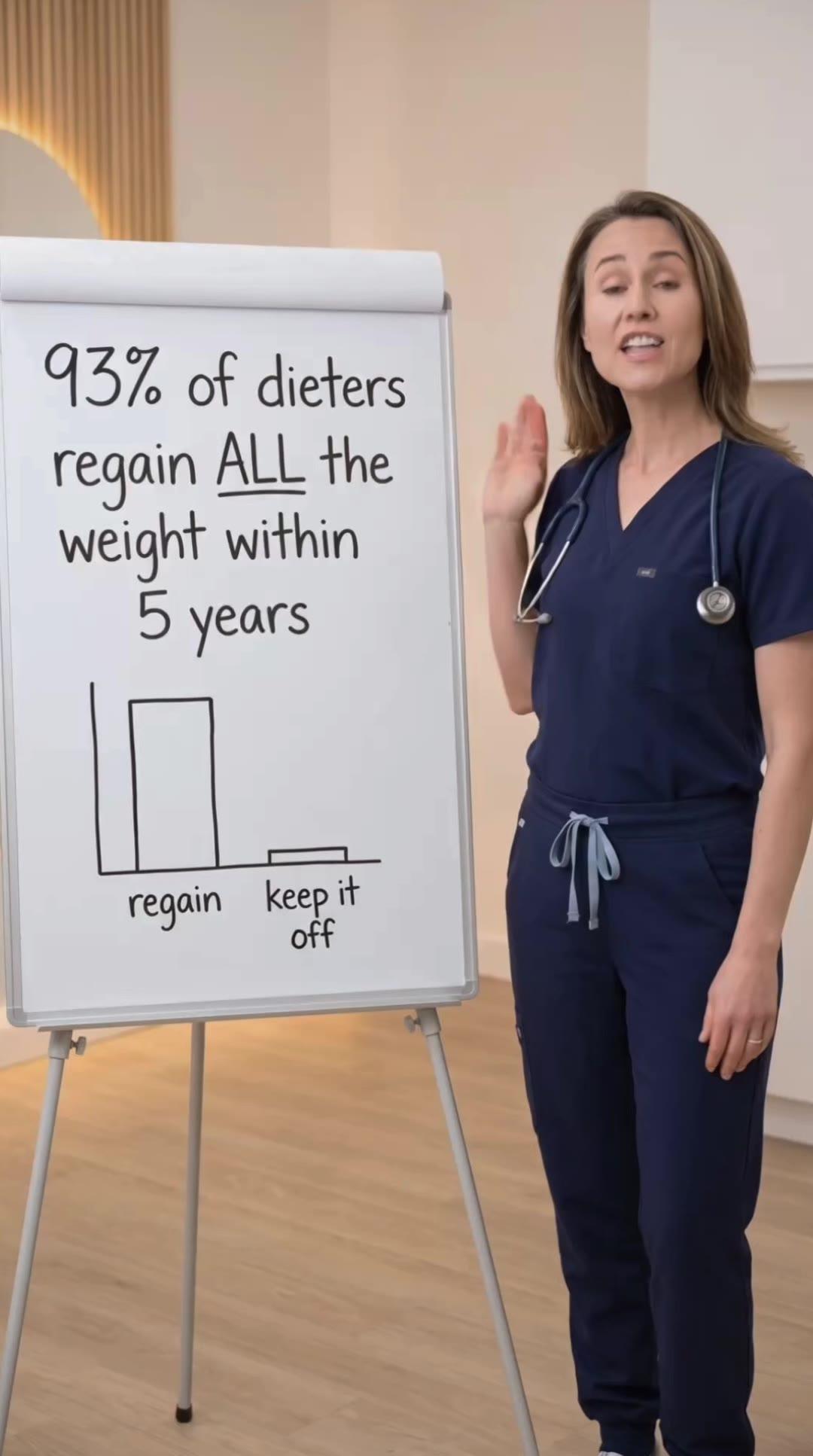
Most telehealth brands structure ad accounts incorrectly from day one. They create one campaign with multiple ad sets, or split campaigns by creative format instead of audience intent. After managing $50M+ in telehealth paid social spend, the ad account structure that scales separates campaigns by funnel stage and audience type, not by arbitrary divisions like creative format or geographic region.
The Three-Campaign Foundation
Every telehealth ad account should start with three campaigns: Cold Prospecting, Warm Retargeting, and Hot Retargeting. This structure separates audiences by intent level, allowing different creative strategies and bid optimization for each funnel stage.
Cold Prospecting campaigns target people who have never interacted with your brand. Use interest-layered audiences, lookalikes (once you have 1,000+ conversions), or broad targeting (at $300K+ monthly spend with 800+ conversions). Creative should be educational, authority-driven, or problem-aware. Never show testimonials or social proof to cold audiences before establishing credibility.
Warm Retargeting campaigns target site visitors (30-90 days, 60+ second sessions, 2+ pages), video viewers (50-95% watch time), and engagement audiences (post interactions, Instagram profile visits). Creative should emphasize social proof, testimonials, and outcome-focused messaging. This audience already knows your brand; they need validation, not education.
Hot Retargeting campaigns target abandoned actions: consultation starts, add-to-cart, checkout initiations. These users began purchase but didn't complete. Creative must address objections (pricing, privacy, qualification concerns) and create urgency. This is your highest-converting audience at 8-15% conversion rates. For detailed retargeting strategy, review telehealth retargeting on Facebook.
Ad Set Organization Within Campaigns
Within Cold Prospecting campaigns, create separate ad sets for each audience type: one for interest-layered audiences, one for 1% lookalikes, one for 2-3% lookalikes, one for broad (when applicable). Do not combine different audience types in the same ad set. Meta's algorithm optimizes differently for each audience type; combining them dilutes performance.
Within Warm Retargeting campaigns, segment by behavior: site visitors in one ad set, video viewers in another, engagement audiences in a third. These segments respond to different creative angles. Site visitors need social proof, video viewers need follow-up education, engagement audiences need bridge content transitioning from awareness to consideration.
Within Hot Retargeting campaigns, separate abandoned consultation from abandoned checkout. These audiences abandoned at different funnel stages for different reasons. Abandoned consultations need "why start treatment" messaging. Abandoned checkouts need pricing transparency and urgency. Combining them weakens creative relevance.
Budget Allocation Across Campaigns
At $50K monthly spend: 70% Cold Prospecting, 20% Warm Retargeting, 10% Hot Retargeting. You're building initial traffic volume. Retargeting audiences are small. Overinvesting in retargeting creates frequency issues when audience size is under 50K people.
At $100-200K monthly spend: 60% Cold Prospecting, 25% Warm Retargeting, 15% Hot Retargeting. Retargeting audiences have grown (100K+ people). Efficiency gains from retargeting justify increased allocation. Hot Retargeting budget increases because abandoned action volume supports higher spend without frequency problems.
At $300K+ monthly spend: 55% Cold Prospecting, 30% Warm Retargeting, 15% Hot Retargeting. Maximum retargeting efficiency. Further increases in retargeting budget create frequency issues even with large audiences. Cold Prospecting must remain majority of spend to feed retargeting funnel. For scaling frameworks, see scaling telehealth ad spend.
Concepts we ship across every awareness stage.
See the work →Naming Convention System
Use consistent naming conventions: Campaign level: [Funnel Stage]_[Objective]_[Month/Year]. Example: "COLD_Purchase_May26", "WARM_Purchase_May26", "HOT_Purchase_May26". This structure allows immediate identification of campaign purpose and launch timing.
Ad Set level: [Audience Type]_[Demographics]_[Bid Strategy]. Example: "Interests_M35-65_LowestCost", "LAL1%_M40-60_CostCap80", "SiteVisitors30d_All_LowestCost". This identifies what audience you're targeting and how you're bidding.
Ad level: [Format]_[Hook]_[Date]. Example: "DocInterview_LowT_0519", "UGC_WeightLoss_0519", "Edu_HairLoss_0519". This identifies creative format, primary message, and creation date for performance tracking and creative refresh management.
Campaign Budget Optimization vs. Ad Set Budgets
Use Campaign Budget Optimization (CBO) for all campaigns. Meta's algorithm distributes budget across ad sets more efficiently than manual allocation. Ad set budgets create artificial constraints that prevent algorithm optimization.
Exception: Use ad set budgets when testing new audiences that need minimum spend to prove performance. Set a $50-100 daily minimum spend at ad set level for 7-14 days. Once the audience proves performance (CPA within 30% of benchmark), move to CBO to let algorithm optimize distribution.
Set minimum spend floors at ad set level within CBO campaigns when one ad set consistently receives less than 20% of total budget. This happens when Meta favors one high-performing audience over others. Minimum spend floors (10-20% of campaign budget per ad set) force testing of all audience segments.
Creative Testing Structure
Test 3-5 ads per ad set maximum. Testing more than 5 ads dilutes spend across too many creatives, preventing any from receiving enough data to prove performance. You need 50-100 conversions per ad to determine winner. With 10+ ads in one ad set, this takes months.
Use dynamic creative testing only after you've identified winning creative elements through manual testing. Dynamic creative (Meta automatically combining headlines, images, and descriptions) works for optimization, not discovery. You need to know what works before letting the algorithm combine elements.
Create separate "Testing" campaigns for new creative formats. Do not test radically different creative (e.g., podcast-style ads) in the same campaign as proven formats (doctor interviews). Testing campaigns should run at 10-15% of total budget until new formats prove performance within 20% of existing benchmarks. For format strategy, see best ad formats for telehealth.
Multi-Product Account Structure
If you offer multiple treatments (e.g., GLP-1 + TRT, ED + hair loss), create separate campaign structures for each product. Do not combine product lines in the same campaigns. GLP-1 audiences, messaging, and conversion behaviors differ entirely from TRT. Combining them destroys targeting precision.
Budget allocation between products should reflect unit economics, not equal distribution. If GLP-1 delivers 2× higher LTV than TRT, allocate proportionally more budget to GLP-1. Equal budget splits make sense only if both products have similar profitability and market opportunity.
Exception: Create cross-sell retargeting campaigns targeting GLP-1 customers with TRT offers (or vice versa) if customer data shows overlap. This is Hot Retargeting of existing customers with complementary products. Use customer list uploads, exclude recent purchasers of the target product, and show product-specific creative.
Scaling Structure Expansion
At $200K+ monthly spend, add platform-specific campaigns: one for Facebook Feed/Stories, one for Instagram Feed/Stories, one for Reels. Placement separation allows creative optimization by format. Reels creative differs significantly from Feed creative. Forcing the same creative across all placements limits performance.
At $300K+ monthly spend, add Testing campaigns for new platforms (TikTok, YouTube Shorts, Snapchat). Allocate 10-15% of total budget to platform testing. New platforms require separate account structures because audience targeting, creative formats, and optimization strategies differ from Meta.
At $500K+ monthly spend, consider vertical integration: separate accounts for different customer segments (e.g., first-time buyers vs. repeat customers, high-LTV vs. standard-LTV profiles). This level of segmentation only works with sufficient conversion volume (1,500+ monthly conversions) to optimize each segment independently.
Common Structure Mistakes
Mistake #1: Creating campaigns by creative format instead of audience intent. "UGC Campaign" and "Doctor Interview Campaign" is wrong. Structure should be "Cold Prospecting Campaign" (using doctor interviews) and "Warm Retargeting Campaign" (using UGC). Format follows audience, not the reverse.
Mistake #2: Geographic segmentation without justification. Splitting campaigns by state or region only makes sense if you have state-specific licensing restrictions or dramatically different pricing by geography. Otherwise, geographic splits reduce audience size below Meta's optimization threshold.
Mistake #3: Running too many campaigns simultaneously. Brands spending $50K monthly should run 3-5 campaigns maximum. Running 10+ campaigns splits budget so thin that no campaign receives enough spend to optimize. Consolidate structure before attempting expansion. For benchmark context, review telehealth paid social benchmarks.
Related Articles
How to Scale Telehealth Ad Spend Without Destroying CPA
Step-by-step guide to scaling telehealth paid social from $50K to $500K+ monthly without performance collapse.
Telehealth Paid Social Benchmarks 2026: CPA, ROAS, CTR by Vertical
Real performance benchmarks for GLP-1, TRT, ED, and hair loss paid social advertising. CPAs, conversion rates, ROAS by vertical.
Full-Funnel Paid Social Strategy for Telehealth
How to build awareness, consideration, and conversion campaigns that work together for telehealth brands.
Telehealth Paid Social in 2026: What Changed and What is Next
Platform shifts, regulatory changes, and competitive dynamics shaping telehealth paid social in 2026.
Ready to build a testing system that scales?
A 30-minute call. We audit your creative approach and show you exactly what a complete angle-format-hook system looks like for your vertical.