Telehealth Paid Social in 2026: What Changed and What is Next
Platform shifts, regulatory changes, and competitive dynamics shaping GLP-1, TRT, ED, and hair loss paid social in 2026. Market analysis from $50M+ managed spend.
Concepts shown are internal creative studies, not client campaigns.
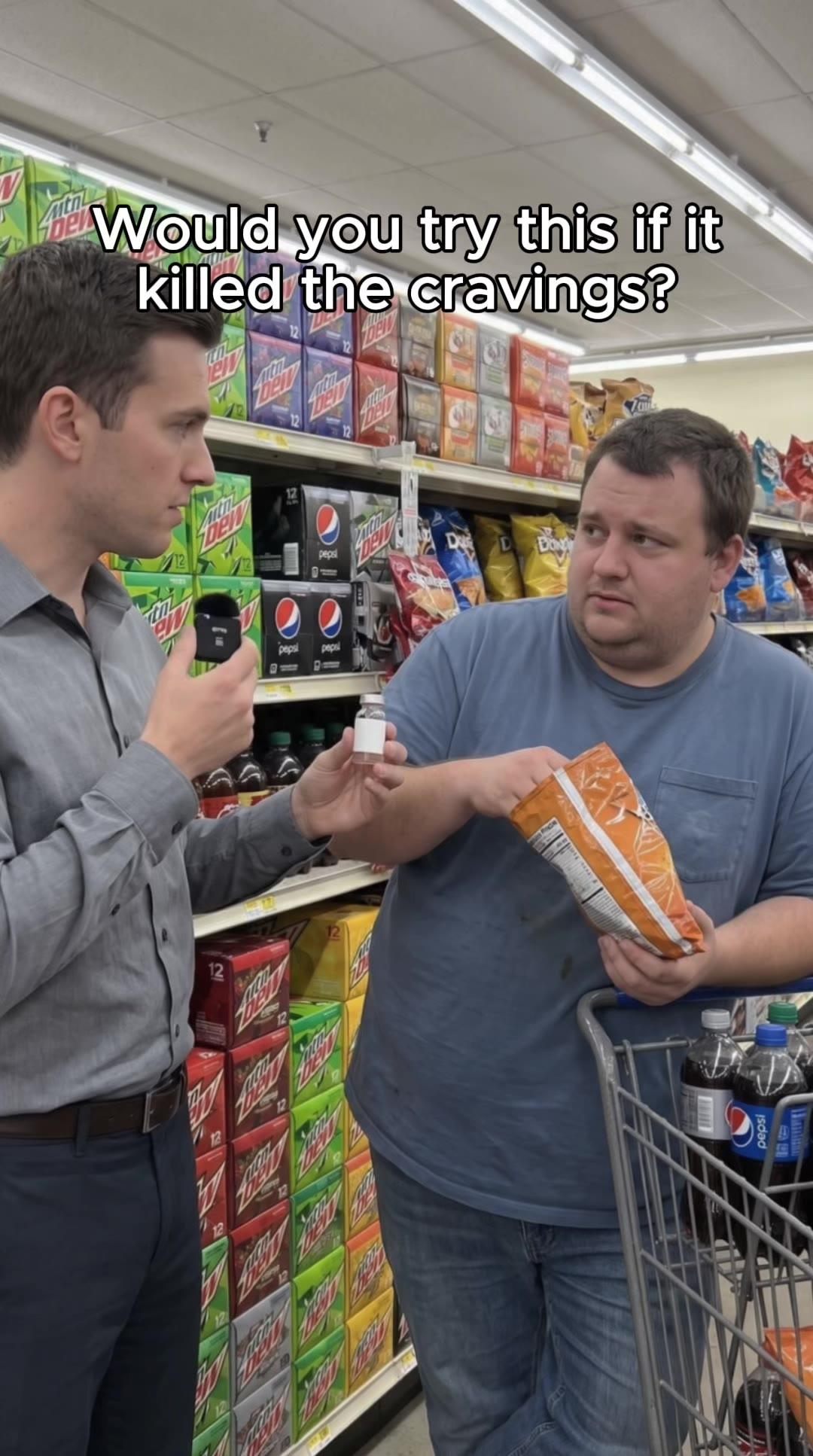
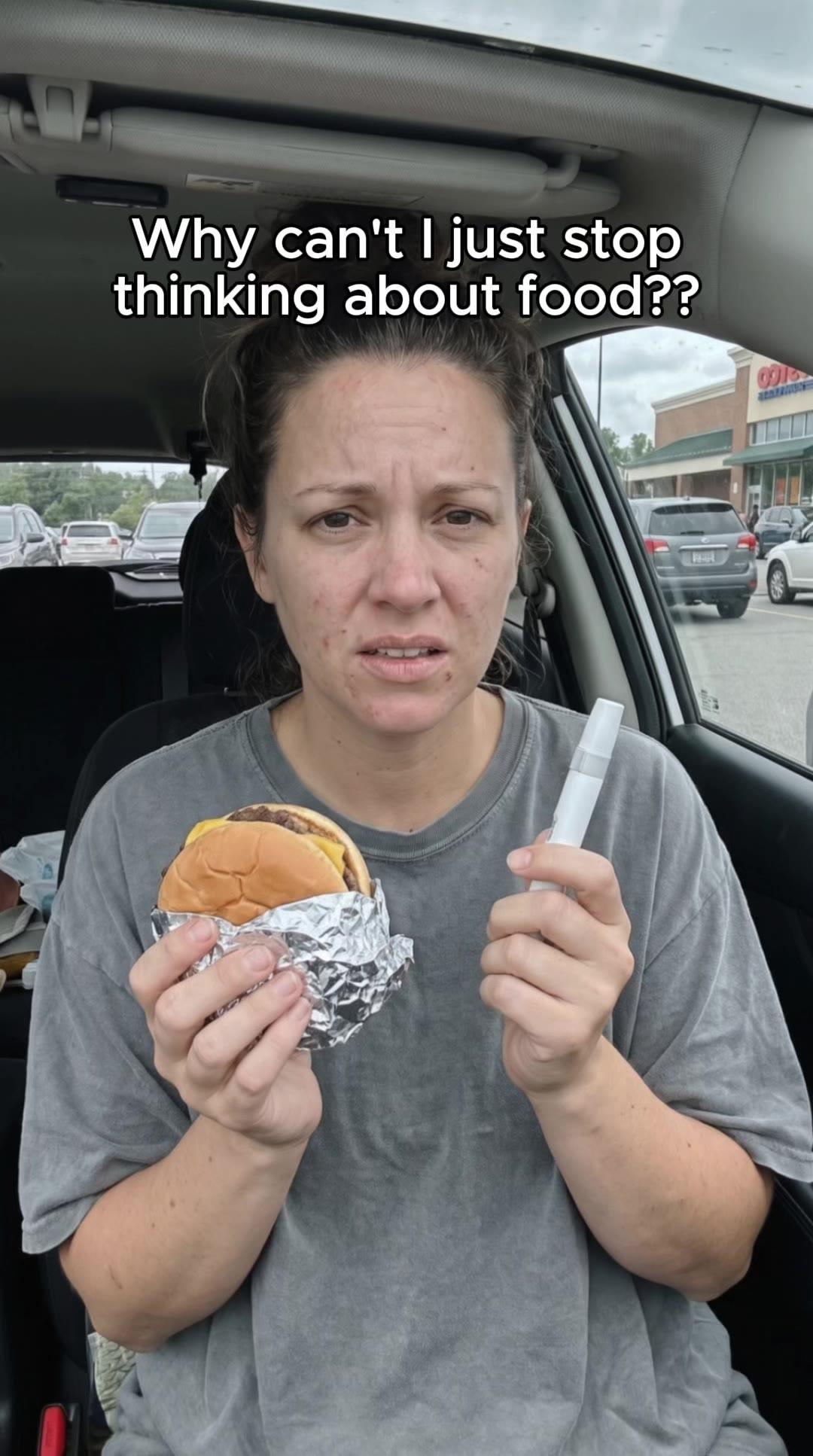

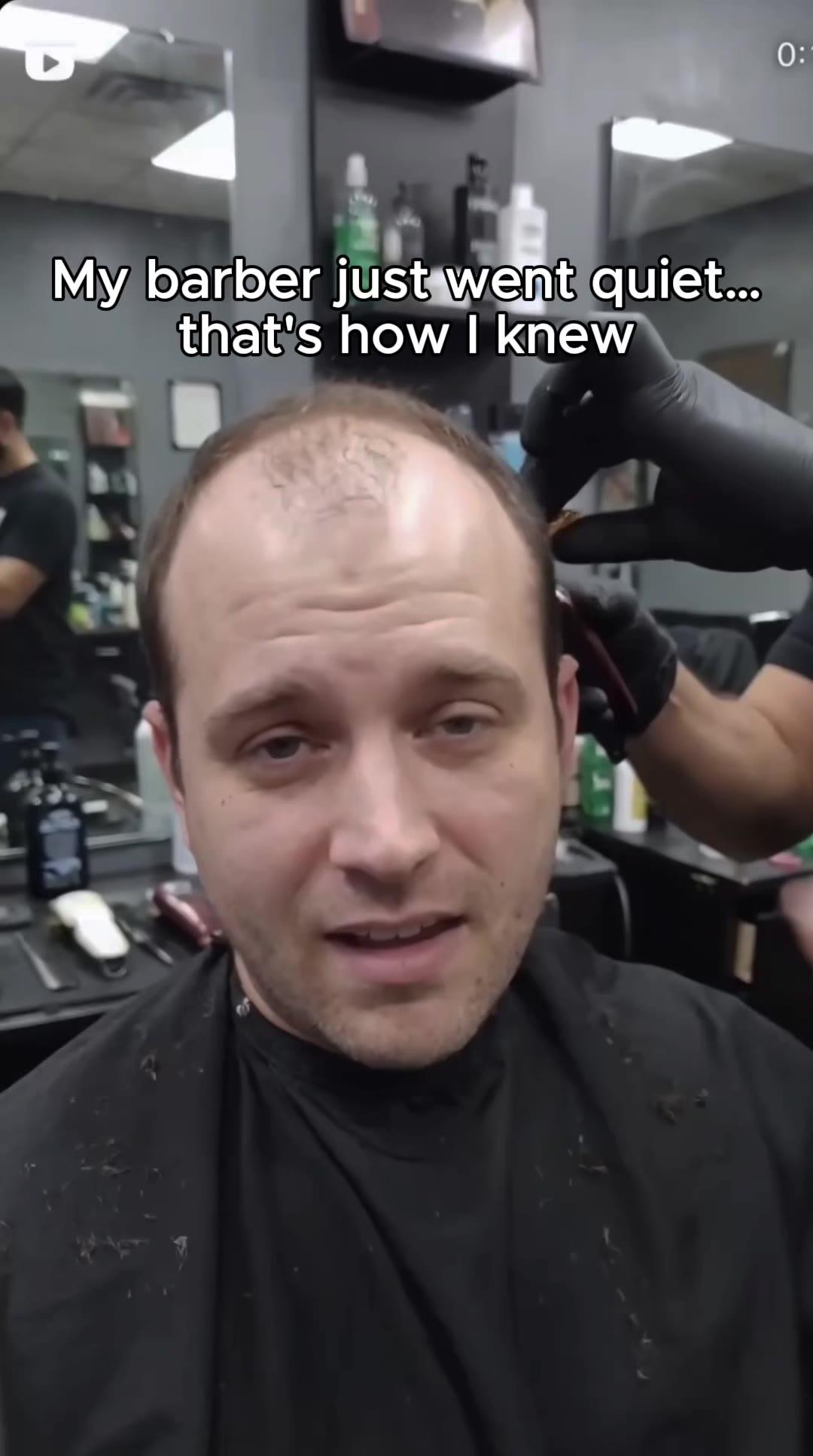



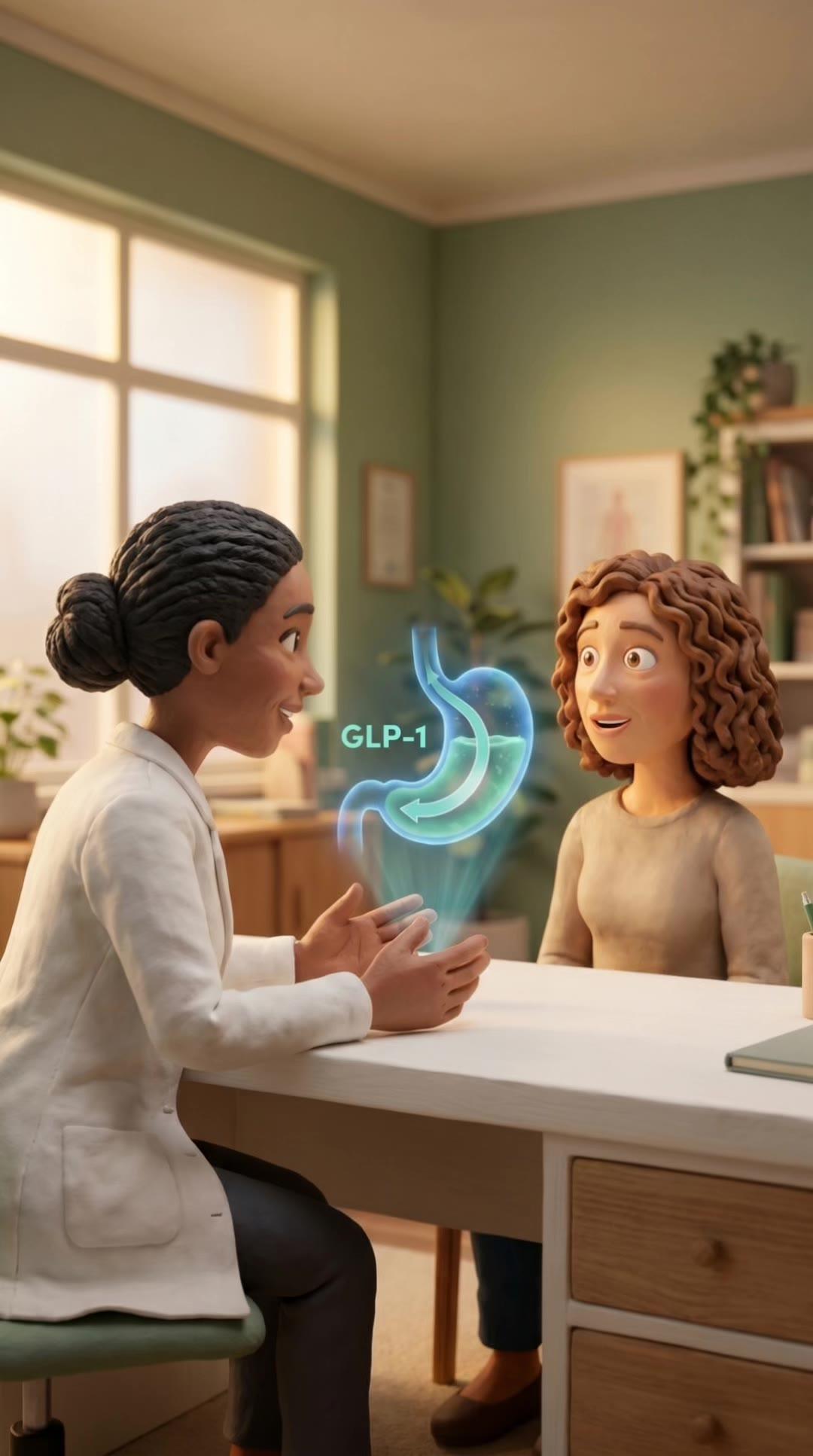
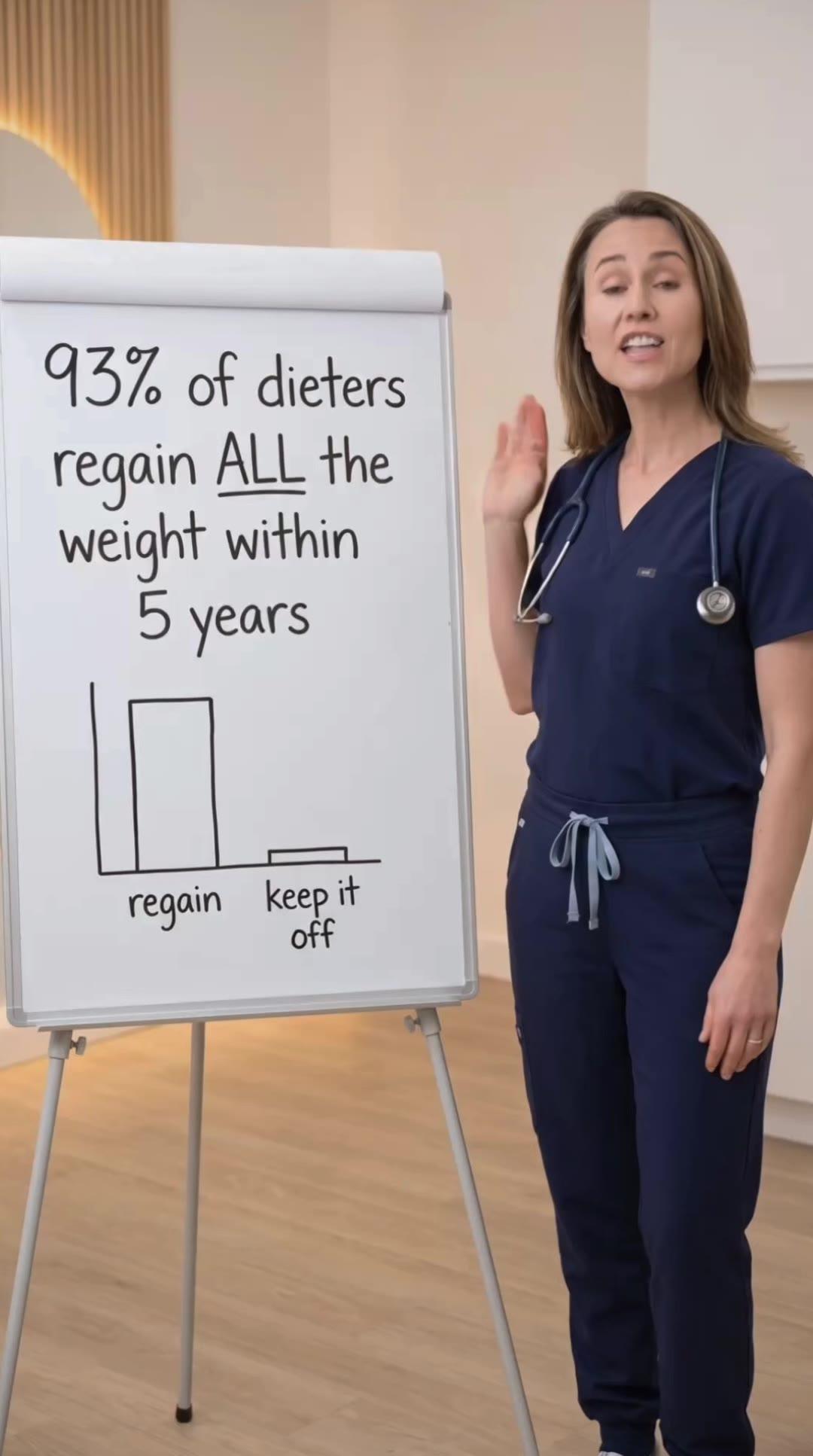
Telehealth paid social in 2026 looks nothing like 2024. Meta tightened healthcare advertising policies three times in 18 months. GLP-1 competition saturated feeds. CPAs increased 40-60% across most verticals. Brands that operated the same way in January 2025 were spending twice as much for the same results by December.
Platform Policy Changes That Matter
Meta implemented three major healthcare ad policy updates between October 2024 and March 2025. The most impactful required all prescription drug telehealth advertisers to complete enhanced business verification including medical licensing documentation, pharmacy partnerships, and prescribing physician credentials.
Brands without proper documentation saw accounts disabled with no appeal process. We watched $200K+ monthly ad accounts go offline because they could not prove prescribing physician relationships. The policy change separated legitimate telehealth platforms from gray-market operations.
GLP-1 Market Saturation
GLP-1 advertising exploded from niche treatment to mainstream health solution between 2024-2026. What started as 5-10 major telehealth advertisers became 50+ brands fighting for the same Facebook and Instagram audience. CPAs for GLP-1 patient acquisition increased from $80-$120 in early 2024 to $150-$220 by mid-2026.
The brands still succeeding either moved extremely upmarket (concierge positioning at $500-800 monthly) or went value-focused (compounded semaglutide under $300 monthly). The middle market collapsed under competitive pressure and rising acquisition costs.
Concepts we ship across every awareness stage.
See the work →Creative Fatigue Acceleration
Creative that ran successfully for 60-90 days in 2024 now fatigues in 21-30 days. Audience saturation from increased advertiser competition means users see telehealth ads 3-4× more frequently than two years ago. This accelerated creative burn rate requires 2-3× more production volume to maintain performance.
Brands spending $100K+ monthly now need 50-80 new video assets per month, up from 25-40 in 2024. For strategies on maintaining this production pace, see our guide on scaling telehealth ad spend.
What Works in 2026
Doctor-led educational content outperforms UGC testimonials for cold acquisition by wider margins than in previous years. As the market matures, audiences demand more medical credibility and less influencer-style marketing. The brands winning new customers in 2026 position as medical services, not wellness brands.
Multi-format creative strategies separate winners from losers. Brands running only UGC hit performance ceilings. Brands testing doctor interviews, podcast-style content, educational explainers, and patient testimonials maintain lower CPAs through format variety. For format recommendations, review best ad formats for telehealth.
Related Articles
How to Scale Telehealth Ad Spend Without Destroying CPA
Step-by-step guide to scaling telehealth paid social from $50K to $500K+ monthly without performance collapse.
Telehealth Paid Social Benchmarks 2026: CPA, ROAS, CTR by Vertical
Real performance benchmarks for GLP-1, TRT, ED, and hair loss paid social advertising. CPAs, conversion rates, ROAS by vertical.
Telehealth Ad Account Structure: Campaign Architecture That Scales
How to structure Meta ad accounts for telehealth. Campaign hierarchy, budget distribution, and naming conventions.
Full-Funnel Paid Social Strategy for Telehealth
How to build awareness, consideration, and conversion campaigns that work together for telehealth brands.
Ready to build a testing system that scales?
A 30-minute call. We audit your creative approach and show you exactly what a complete angle-format-hook system looks like for your vertical.