Why Prescription Skincare Brands Lose Patients in the First Weeks
Prescription skincare brands tend to lose patients before the product has had the time its own labeling describes. What the evidence says about when people stop, what that does to a subscription business, and why the fix starts in the ad.
Concepts shown are internal creative studies, not client campaigns.

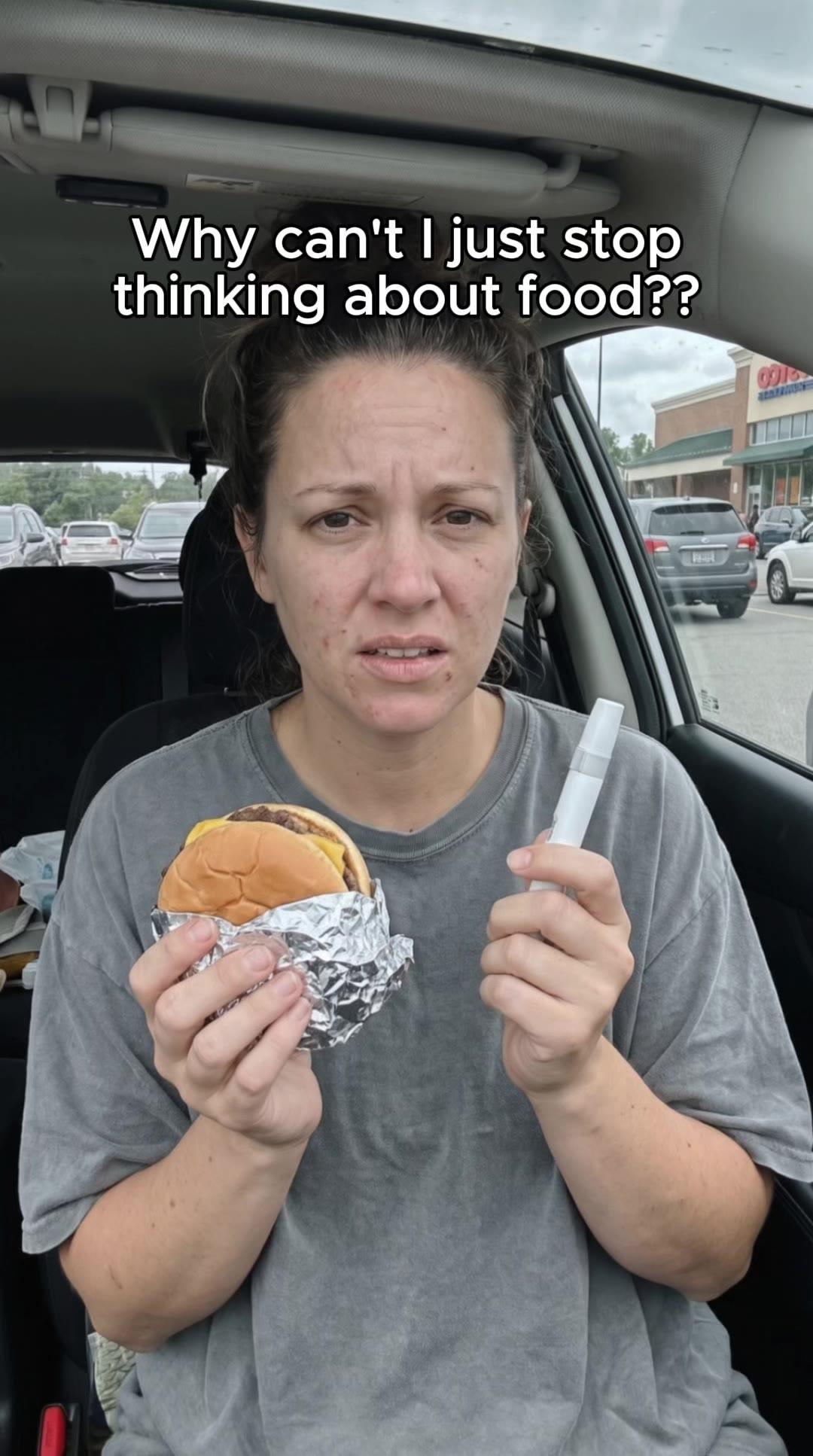

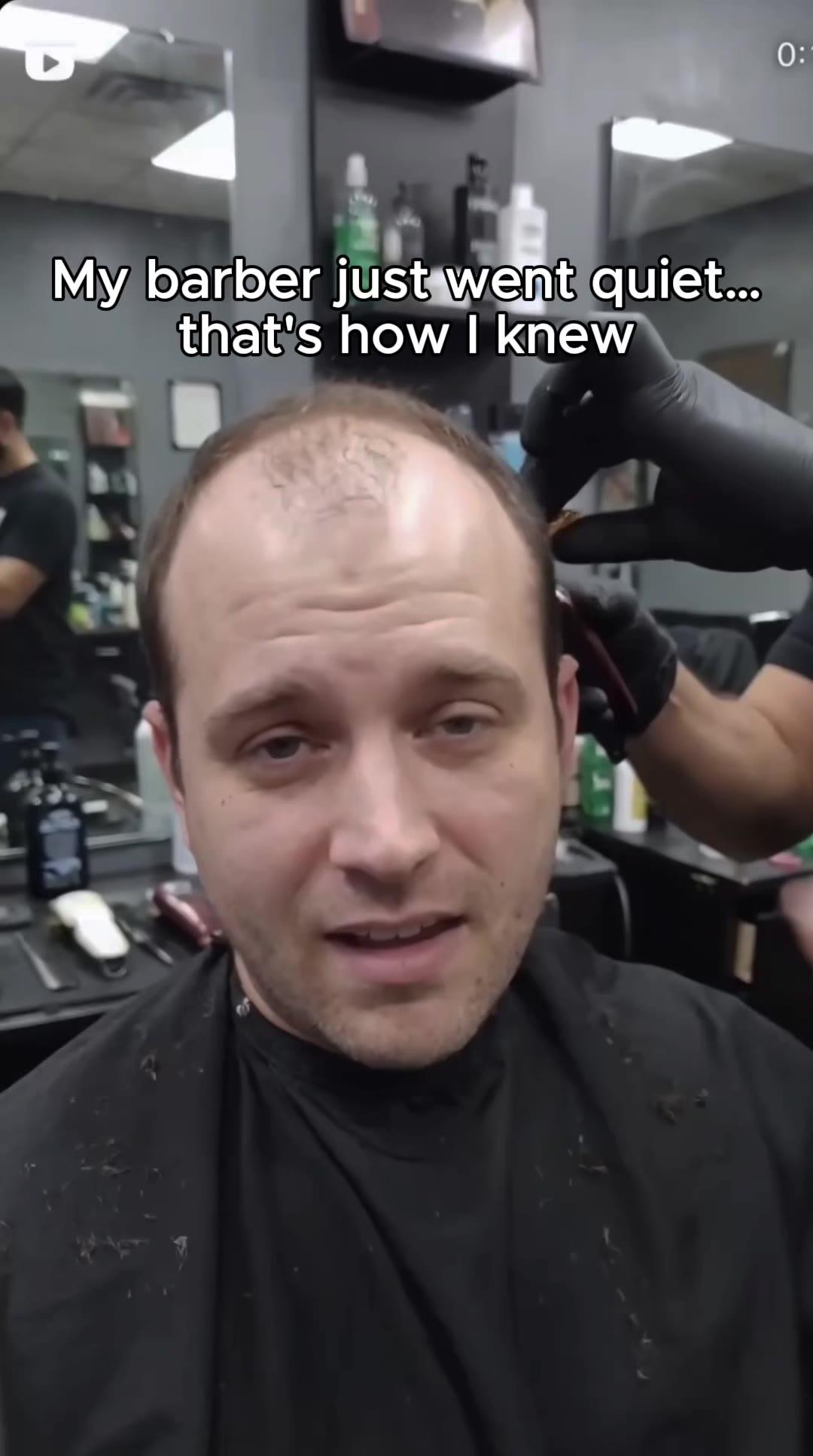




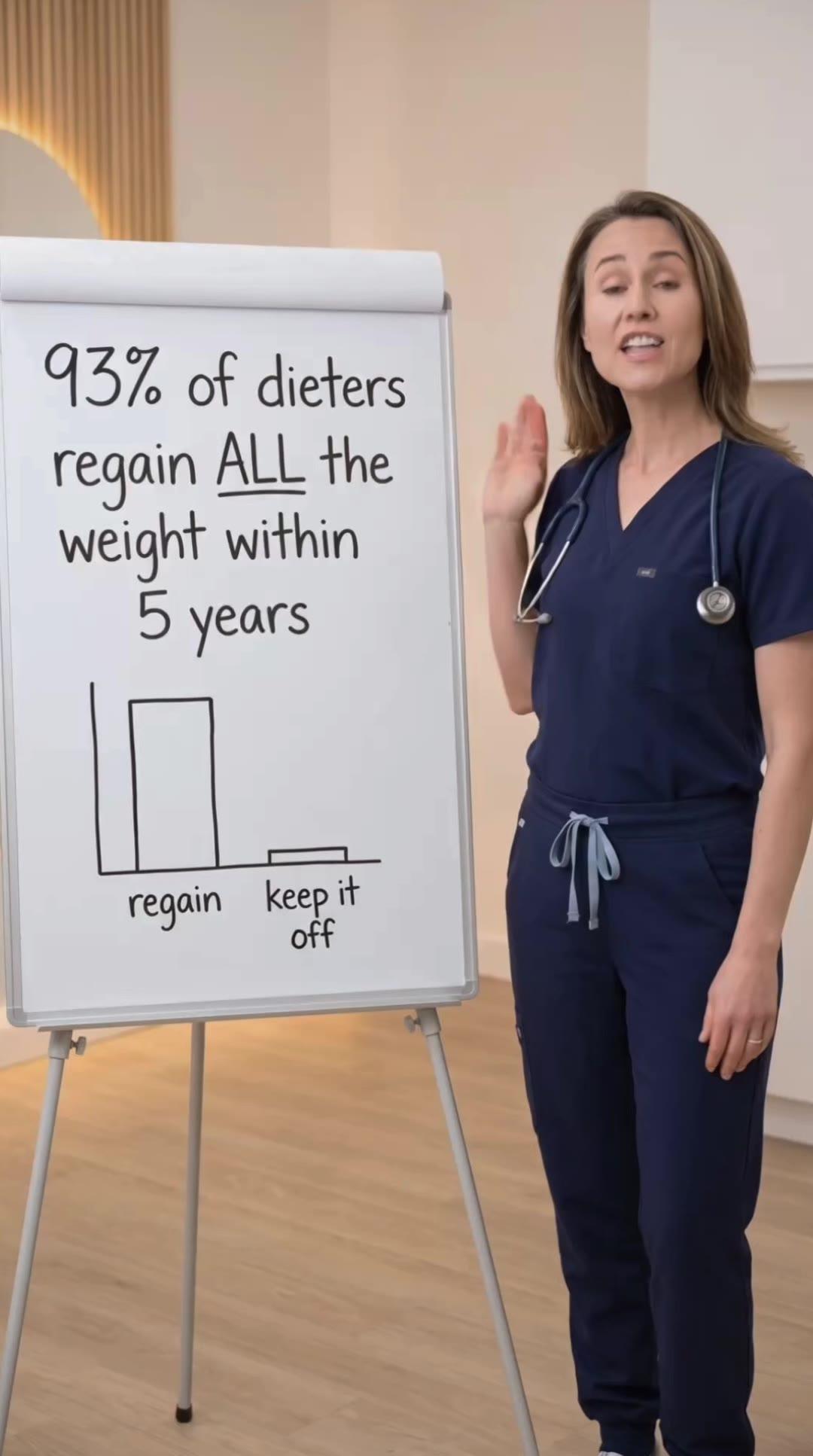
Most subscription businesses lose customers gradually. Prescription skincare has a sharper pattern. A patient signs up, starts the prescription, and a meaningful share of them stop early, often before a second refill ships and well before the timeline the product's labeling describes. The brand paid to acquire a customer it only kept for a few weeks.
That pattern is usually treated as a retention problem, handed to onboarding emails and support scripts. It is also an acquisition problem, because the ad is where the patient's expectations were set. That is the argument behind our anti-aging and prescription skin ad creative, and this piece sets out the evidence for it. It is written for the marketers running these brands, and it offers no advice to anyone about their own skin.
The Window Where Patients Leave
The early weeks of a prescription retinoid are a known part of the experience, not a surprise. The labeling for one tretinoin cream on DailyMed, indicated for acne vulgaris, states that during the early weeks of therapy an apparent exacerbation of inflammatory lesions may occur. The same labeling describes a timeline for results measured in weeks, not days.
Survey research shows how that window plays out in patient behavior. A web-based survey published in Patient Preference and Adherence in 2026 by Yang and colleagues collected 501 valid responses from people aged 16 to 29 in China with a history of acne and topical medication use, surveyed between December 2023 and January 2024. It reported that half of the retinoid users in the sample, 50%, discontinued treatment within two weeks. The main reasons respondents gave for stopping topical medications were slow onset or poor efficacy, at 44%, and concerns about or inability to tolerate side effects, at 40%.
The same survey found that 83.17% of respondents expected topical medications to take effect within one week. Put those findings next to the labeling and the gap is plain: patients expected change in days, the experience of the first weeks can run the other way, and half of retinoid users in the sample were gone inside two weeks.
The limits of that evidence matter. The sample is young, acne-focused and based in China, the data are self-reported, and the authors themselves list a small sample and closed-ended questions as limitations. A US telehealth brand selling to adults for anti-aging reasons should not assume its own numbers match. It should assume the pattern is worth checking in its own data, which is cheap to do.
What Early Loss Costs a Subscription Brand
The economics of a prescription skincare subscription depend on the customer staying long enough for the recurring revenue to pay back what it cost to acquire her. A patient who stops before her second shipment leaves the brand with the full acquisition cost and a fraction of the revenue it was modeled to earn.
The damage compounds in less visible ways. Early cancellations can come with refund requests and support contacts. A patient who leaves unhappy in the first weeks can write the review or the comment that the next prospect reads. And because the loss happens so early, it can hide inside healthy-looking acquisition metrics until a cohort analysis surfaces it.
How hard this hits depends on the pricing model. A subscription billed monthly feels every early cancellation directly, while a model built on a single consultation with separate refills feels it at the first refill instead. Our breakdown of subscription versus one-time purchase ads covers how each model changes the message the ad needs to carry.
Why This Is an Acquisition Problem
A patient arrives at her first dose with expectations, and those expectations were formed somewhere. The survey above found most respondents expected change within a week. Every ad that shows a quick transformation, or a creator glowing after a few days, reinforces that expectation, and every patient acquired on it is a patient primed to read the early weeks as failure.
That reframes what an ad is for. An ad that sets an accurate expectation does two jobs at once. It filters the audience toward buyers who are ready for a process measured in months, and it prepares the buyers it converts for the part of the experience most likely to make them quit. Some prospects will decide the process is not for them, and they will never become early cancellations.
Whether that trade improves a given brand's economics is an empirical question, and it should be answered with the brand's own data rather than assumed. The hypothesis is simple to test: creative that sets expectations may convert a smaller share of viewers, and the customers it does convert may stay longer. Only cohort retention by creative angle can tell a brand which effect wins.
Concepts we ship across every awareness stage.
See the work →What Optimization Does to the Problem
Paid social makes this pattern harder to see. A campaign optimized for a purchase event learns from the people who buy, not from the people who stay. If quick-result creative converts well in the first week, the delivery system will find more of the people who respond to it, and the acquisition dashboard will reward the angle that produces the earliest cancellations.
Nothing in the ad account will flag that on its own. Cost per acquisition can fall while the share of patients reaching a second shipment falls with it, and the two numbers usually live in different tools owned by different teams. The brand ends up scaling the creative that is quietly making its retention worse.
Early signals show up before the cohort data matures. Support contacts in the first weeks that mention the experience of starting the prescription, skipped or paused first refills, and cancellation reasons that cite timing are all visible within a month of launch. They are worth reading against the creative that acquired each patient.
How to Measure It
The measurement that settles this is retention by acquisition creative. Tag every new patient with the ad and angle that acquired her, then track how many reach a second shipment, how many cancel inside the early window, and when cancellations cluster. Compare angles on those numbers, not on cost per acquisition alone.
Cancellation reasons are the second input. A free-text reason field, read every week, shows whether early leavers are citing the experience of the first weeks, the timeline, or something unrelated like price. That tells the creative team whether the expectation problem is real for this brand. Our guide to telehealth ad performance metrics that actually matter covers which numbers to track beyond the cost of acquiring a customer.
The Creative Response
If the data confirm the pattern, the creative response is to move expectation setting forward into the ad. Name the early weeks honestly before she buys. Describe who she can talk to during them. Measure the timeline in the terms the product's approved labeling and the brand's medical reviewers support, never in a number borrowed from a competitor.
The same rules that keep any skincare ad compliant apply here. Never promise how the skin will change or when. Never show a worse-then-better sequence as a transformation, because that turns an expectation into a visual claim. Never minimize what the patient may experience. The execution of this angle, including format and hooks, is covered in our guide to tretinoin ad creative for telehealth brands.
Beyond the Ad
The ad sets the expectation, and the rest of the experience has to keep it. Onboarding messages in the first weeks should say what the ad said, in the same language, and make it easy to reach the prescriber. A cancellation flow can offer a conversation with a clinician before the account closes, without pressure and without an argument. Each of these catches a patient at the moment she would otherwise decide alone, and each works better when the ad has already told her the moment was coming.
The Short Version
Prescription skincare brands can lose patients before the product has had the time its own labeling describes. Survey research from Patient Preference and Adherence found half of retinoid users in its sample stopped within two weeks, and most respondents expected results within one. On a subscription model that loss lands on the acquisition budget. Setting accurate expectations in the ad may convert fewer viewers and keep more of the ones it converts. Measure retention by creative angle to find out which.
Related Articles
Prescription Skincare Advertising on Meta, What Gets Approved
How Meta reviews prescription skincare ads. Cosmetic rules versus prescription rules, before and after imagery, age targeting, and where claims cross over.
Tretinoin Ad Creative for Telehealth Brands
Tretinoin ad creative angles for telehealth brands: the adjustment window, prescription versus shelf, the not-yet-injectables buyer, and an honest timeframe.
Advertising Compounded Skincare Formulas for Telehealth
How to advertise compounded prescription skincare formulas: the false or misleading standard, approval implications, custom claims and ingredient copy.
Telehealth Ad Performance Metrics That Actually Matter
Which metrics to track, which to ignore, and how to measure telehealth paid social performance. CPA, ROAS, LTV, and cohort analysis from $50M+ managed spend.
Ready to build a testing system that scales?
A 30-minute call. We audit your creative approach and show you exactly what a complete angle-format-hook system looks like for your vertical.