Tretinoin Ad Creative for Telehealth Brands
Most prescription skincare creative sells a glow. The angles that hold up are built around the parts of the experience the category usually hides: the hard first weeks, the difference a prescription makes to the process, the buyer who does not want injectables, and time.
Concepts shown are internal creative studies, not client campaigns.
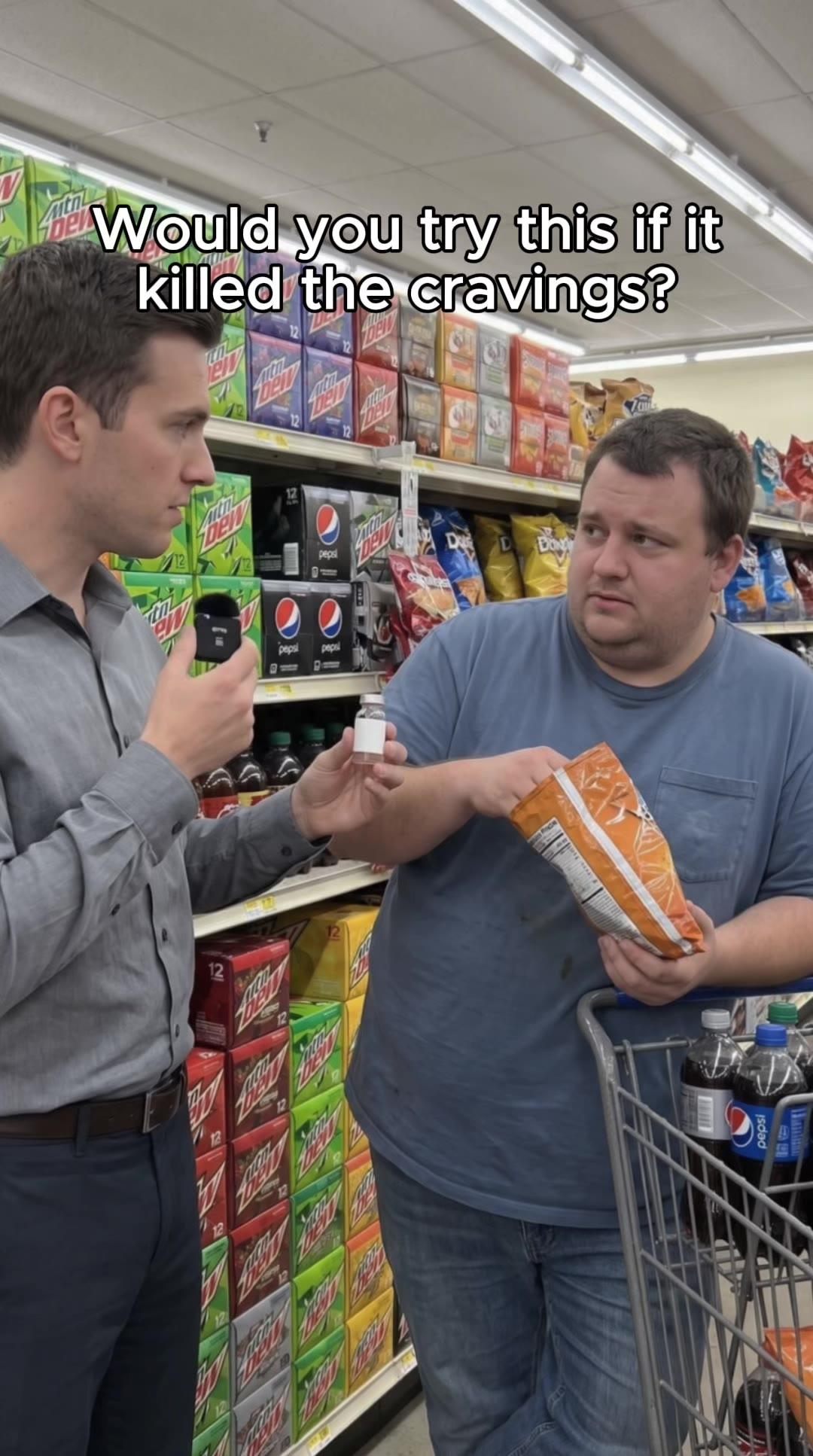
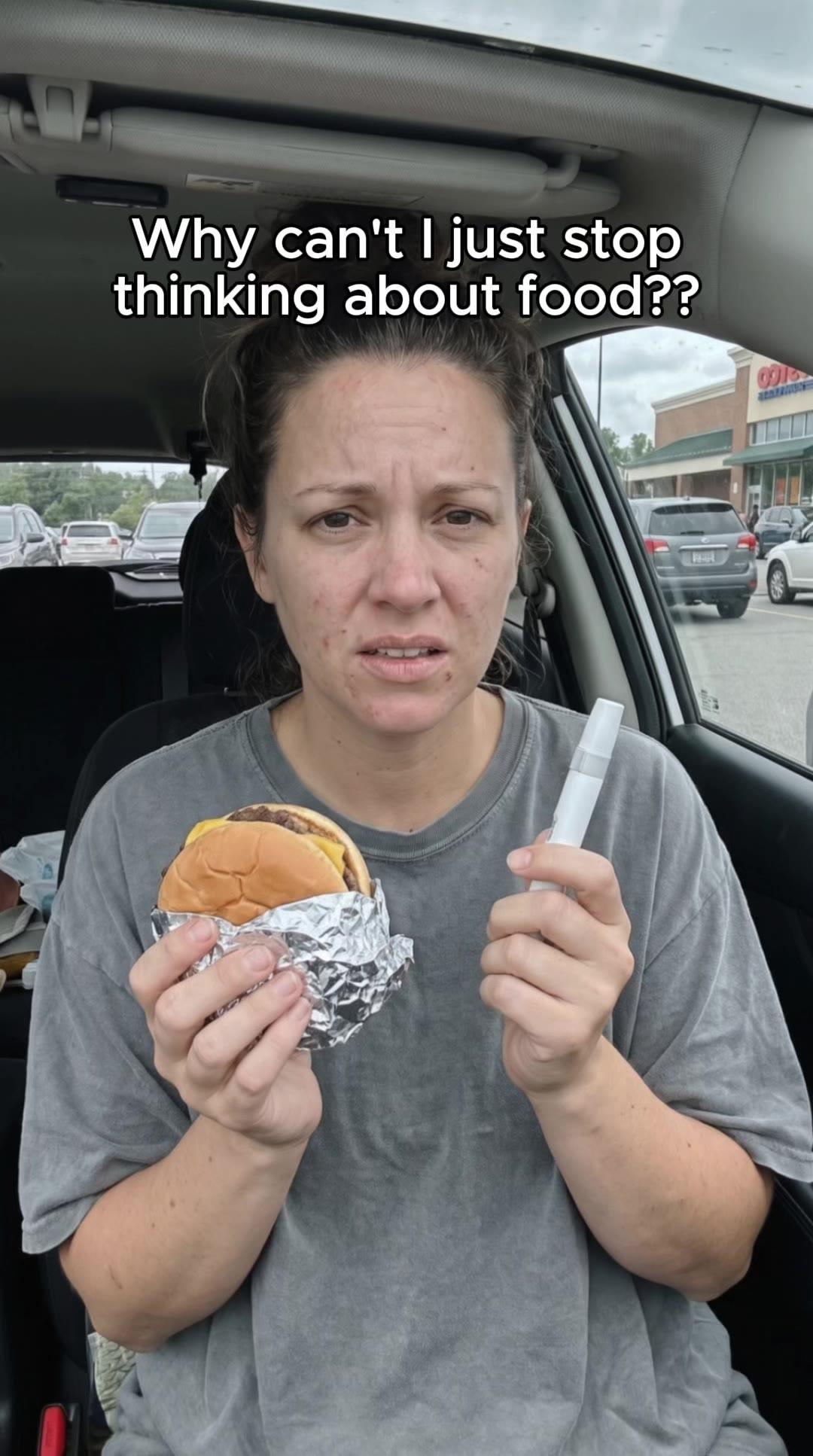
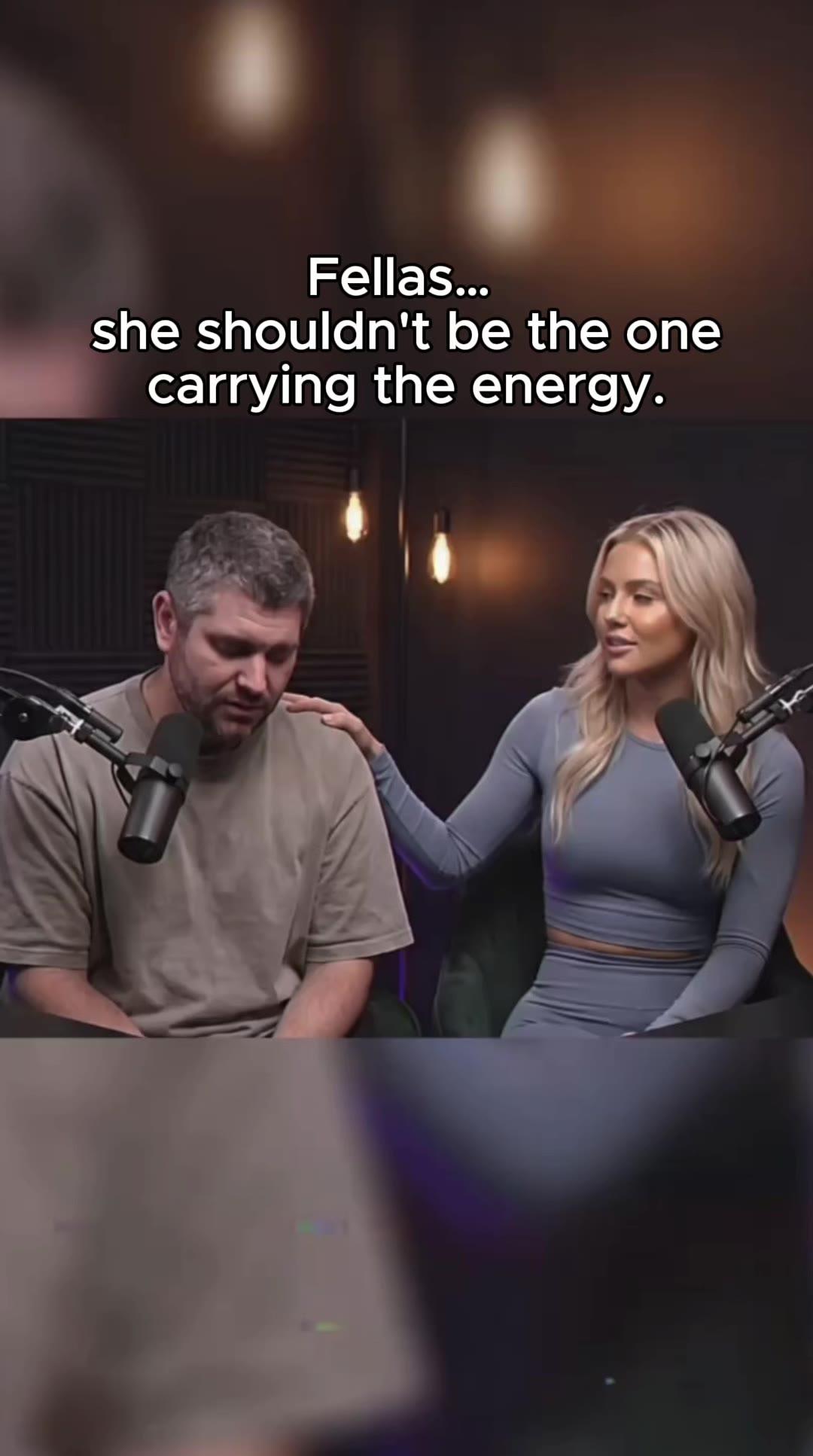
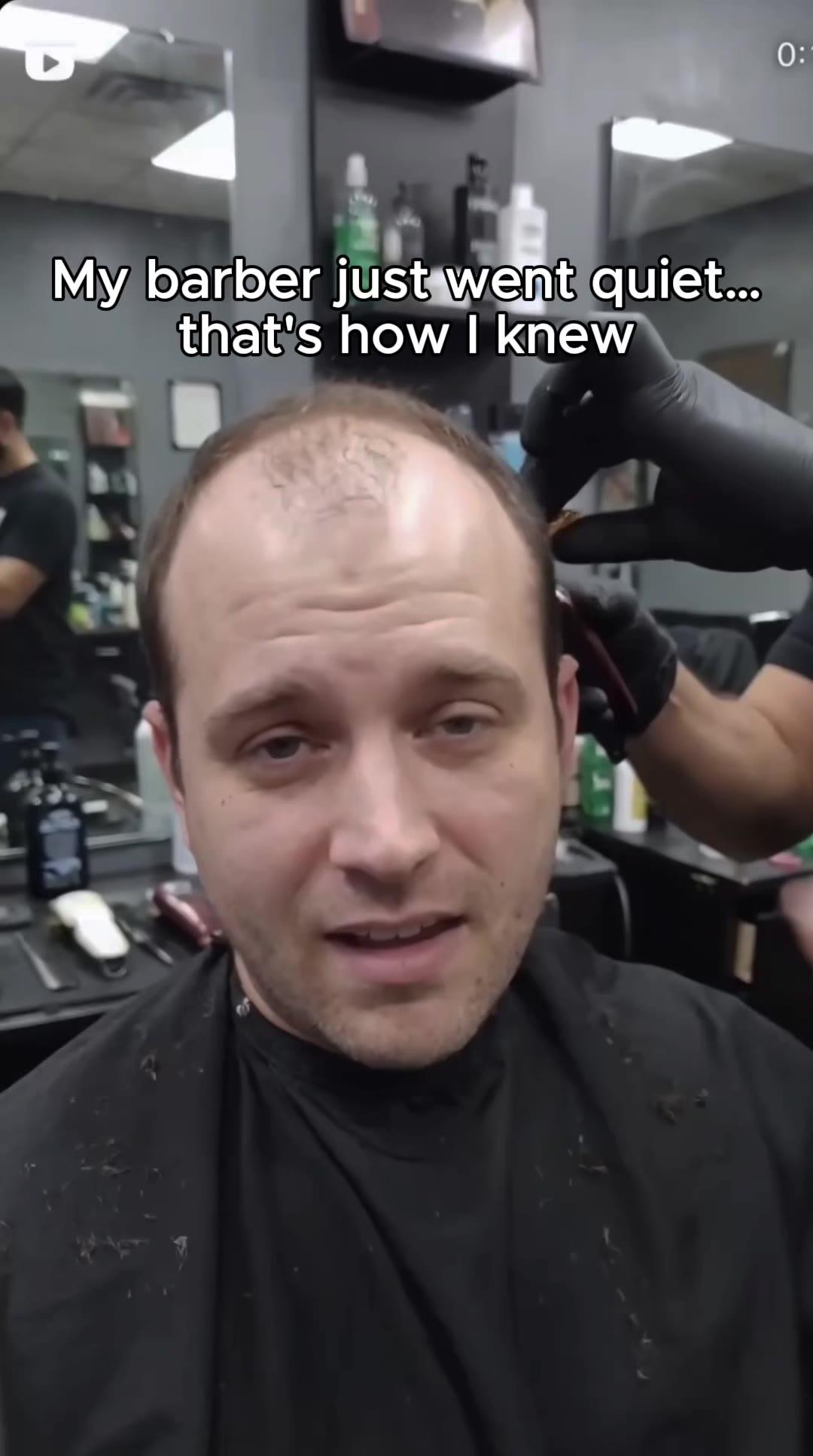

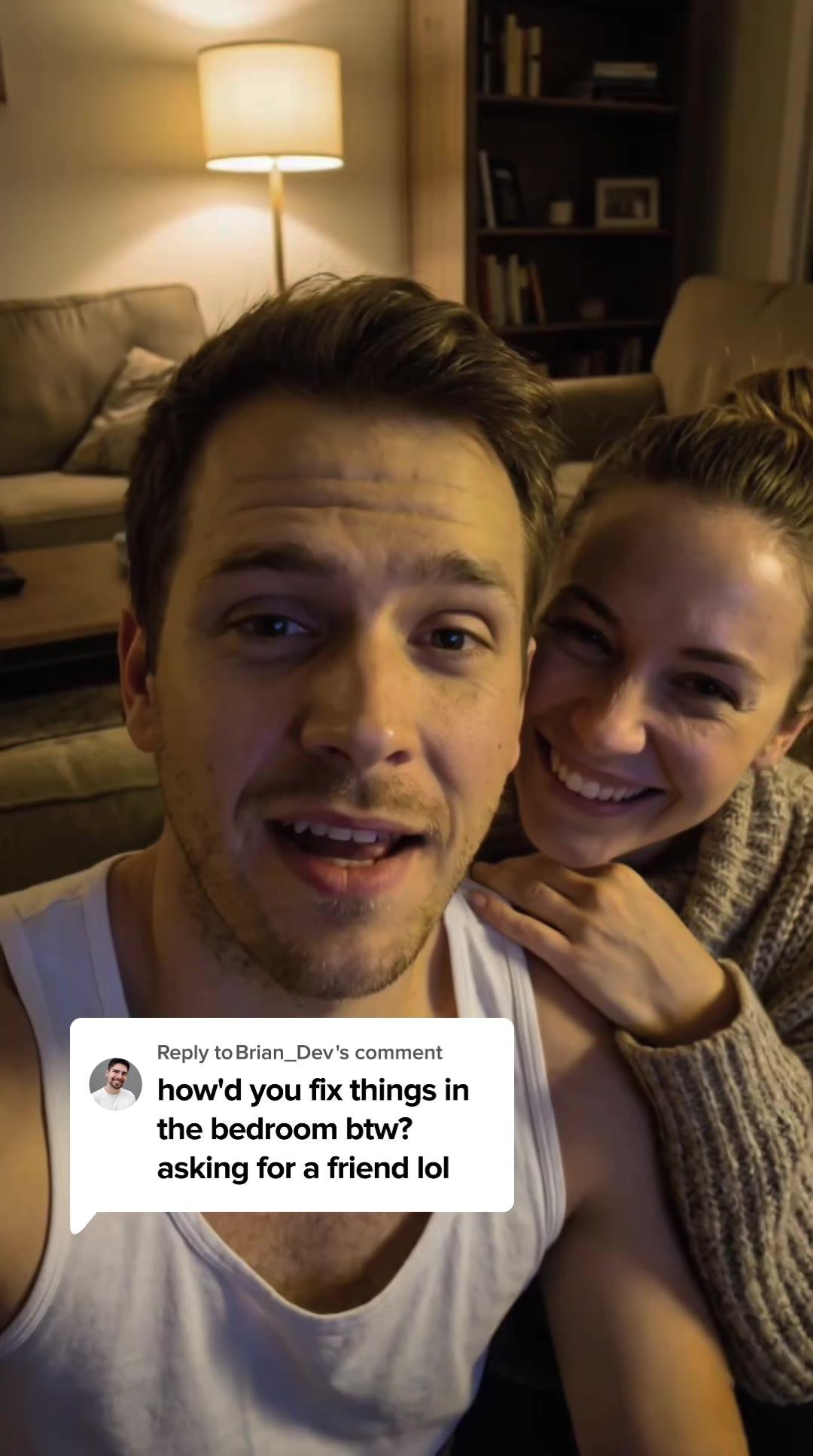


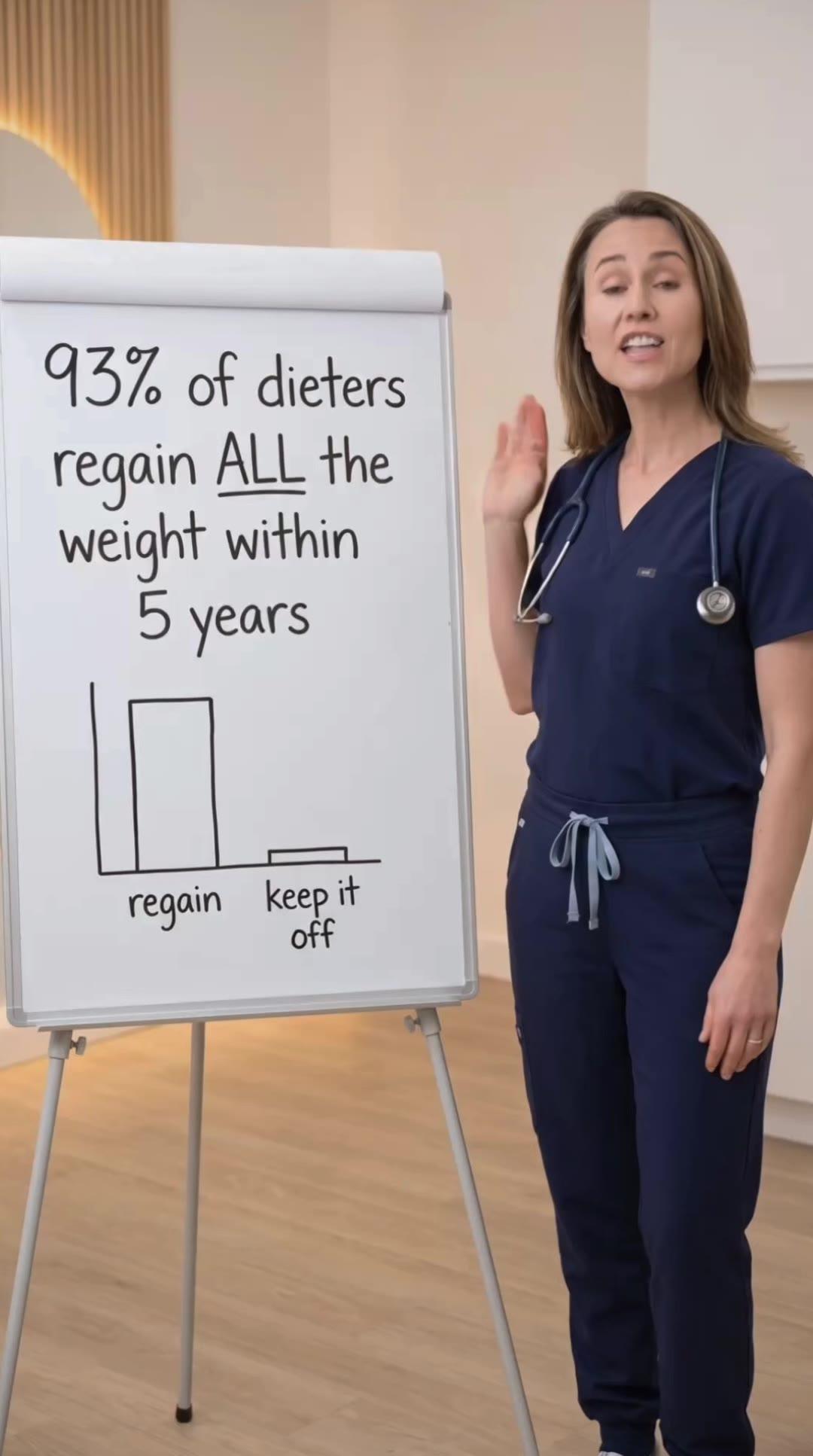
Scroll through prescription skincare ads and the pattern repeats. Dewy close-ups. A creator touching her cheek. A caption about finally getting the skin she wanted. It is beauty advertising with a prescription attached, and it competes on the same terms as every serum and moisturizer in the feed.
That is a weak position for a prescription product, and it is a risky one, because glow creative drifts quickly into results claims and appearance language the platforms restrict. Our anti-aging and prescription skin ad creative works from a different premise: two things decide performance in this category, and neither of them is the offer.
The Two Things That Decide Performance
The first is the adjustment period. The early weeks of a prescription retinoid are often the hardest part of the experience, and they are where many people stop. The evidence on when patients leave, and what that costs a subscription brand, is set out in why prescription skincare brands lose patients in the first weeks. For creative, the point is simple: an ad that hides this window sets up the customer to quit inside it.
The second is identity. Part of this audience is interested in a prescription route and has no interest in becoming someone who has had work done. They are not shopping for the most dramatic option. They are shopping for a step that fits how they see themselves. Creative that talks to them like an aesthetics clinic customer misses them entirely.
Most creative in the category addresses neither. The four angles below are built to address both, and every one keeps the ad on the process and the decision rather than on what the product does to skin.
Angle One, The Adjustment Window
This angle names the hard weeks before she starts, so she can recognize them when they arrive. Expectation setting is usually treated as a retention job for the onboarding emails. Here it moves into the ad, where it filters for buyers who are ready for the process rather than buyers expecting a quick change.
The execution is a clinician or a real patient walking through what the first weeks of the process involve, including the scheduled check-in and how the prescriber reviews and adjusts the plan along the way. The ad does not promise that things improve after a set number of days, and it does not show a worse-then-better image sequence, which would turn a warning into a before and after claim. It describes the process and who is on the other end of it.
Doctor interview is the natural format, because the credibility of the message depends on who delivers it. Our piece on doctor-on-camera telehealth ads covers the production and endorsement rules for putting a clinician on screen.
Angle Two, Prescription Versus Shelf
The shelf is often the real competitor. The buyer already owns products with retinol on the label and wonders what a prescription changes. This angle answers that as a mechanism story: how the prescription route differs from buying off the shelf, explained clearly enough that it does its own selling.
The difference that can be stated without a claim is structural. A prescription product is prescribed by a licensed clinician after a review of the patient's history. An over-the-counter cosmetic is not. Where the script touches pharmacology, keep it neutral and sourced. A 2024 review in Dermatology Research and Practice describes retinoids as thought to act at the molecular level by interacting with nuclear retinoic acid receptors. A line like that explains category. It does not promise an outcome, and the script must not turn it into one.
The explainer video and the comparison format both carry this angle. The comparison is between routes, meaning who prescribes, what the consultation covers and how the plan is adjusted. It is never between results.
Angle Three, Not Yet Injectables
This angle is for the cohort that is curious about more than skincare and not ready for an appointment with a needle. It frames a prescription topical as the step before that decision, a way to take the concern seriously with a clinician without committing to a procedure.
Two rules keep it clean. It never disparages injectables, because many of the viewers will choose them later, some already have, and comparing outcomes between a topical and a procedure is a claim no brand should make. And it never opens with the viewer's face. Meta's cosmetic rules prohibit statements of inferiority about appearance, and this angle is the easiest one to write as an attack. The hook is the decision, not the flaw.
UGC testimonial is the strongest format here, provided the creator talks about why she chose this route and what the process involved, and says nothing about how her skin changed. Any payment, free product or other material connection has to be disclosed, as covered in our guide to FTC endorsement rules for paid telehealth creators.
Concepts we ship across every awareness stage.
See the work →Angle Four, Honest Timeframe
Everything else in the feed measures in days. This angle measures in months, and wins on the contrast. A buyer who has been burned by a two-week promise before notices the brand that does not make one.
The discipline is where the timeframe comes from. Approved prescription labeling for tretinoin products sets out timelines in weeks and months, not days, and the language varies by product. Use the wording your medical and legal reviewers have cleared for the specific product the brand prescribes, rather than a paraphrase or a number borrowed from a competitor. For compounded formulas, which have no approved label of their own, the timeframe needs the same substantiation as any other claim.
The format is an explainer that walks through the calendar of the process: the consultation, the first prescription, the check-ins, the adjustments. It shows the time without showing a result at the end of it.
Formats That Carry These Angles
Five formats cover the four angles. Doctor interviews carry the adjustment window. Explainer videos carry prescription versus shelf and the honest timeframe. Comparison formats carry prescription versus shelf, comparing routes rather than outcomes. UGC testimonials carry not yet injectables. Screen walks, showing the consultation and check-in flow on the actual product, support all four by making the process concrete.
One format is missing on purpose. Transformation imagery sits badly with every angle above, because it replaces the process with a result and turns the ad into a visual claim the brand has to substantiate.
Writing Hooks Without a Result
The first two seconds are where this category usually breaks its own rules, because the easy hook is a result or a flaw. The hooks that hold up in these angles start from something else. A decision: why someone went looking for a prescription instead of another serum. A question the clinician asked in the consultation that the viewer has never been asked. A moment in the process, such as the first check-in message or the plan being adjusted.
Each of those gives the viewer a reason to keep watching without telling her what her skin will do or what is wrong with it. Write several hooks per angle and test them against each other, because the angle is what the ad is about and the hook is only the door into it.
Guardrails That Apply to Every Angle
Every ad is for a prescription drug, so every ad set is targeted to people 18 and over and the brand is certified to advertise prescription products where it runs. No ad states what tretinoin or any retinoid does to skin as a result the viewer will get. No hook attacks the viewer's appearance, including in question form. Every paid voice is disclosed, and every testimonial describes the experience of care rather than a change in skin.
Those guardrails are not a tax on the creative. Each of the four angles earns trust by telling the buyer something the rest of the category leaves out, and a single overstated claim spends that trust immediately.
The Short Version
Glow creative competes with every cosmetic in the feed and drifts into claims. The stronger angles are built on what the category hides. Name the adjustment window before she starts. Explain what the prescription route changes about the process. Speak to the buyer who wants a step before injectables without disparaging them. Measure the timeline in the words the label and your reviewers support. Keep every ad on the process, never on the result.
Related Articles
Prescription Skincare Advertising on Meta, What Gets Approved
How Meta reviews prescription skincare ads. Cosmetic rules versus prescription rules, before and after imagery, age targeting, and where claims cross over.
Why Prescription Skincare Brands Lose Patients in the First Weeks
Prescription skincare patients often stop in the first weeks. What that costs a subscription brand, and why the expectation set in the ad matters.
Advertising Compounded Skincare Formulas for Telehealth
How to advertise compounded prescription skincare formulas: the false or misleading standard, approval implications, custom claims and ingredient copy.
Doctor-on-Camera Telehealth Ads That Convert
How to produce doctor-on-camera telehealth ads that pass compliance and convert. FTC rules for expert endorsers, what physicians can say, and production.
Ready to build a testing system that scales?
A 30-minute call. We audit your creative approach and show you exactly what a complete angle-format-hook system looks like for your vertical.