Doctor-on-Camera Telehealth Ads That Convert
Medical credibility is the most powerful trust signal in telehealth advertising. Here's how to produce doctor-on-camera creative that passes FTC scrutiny, clears platform review, and actually converts.
Concepts shown are internal creative studies, not client campaigns.
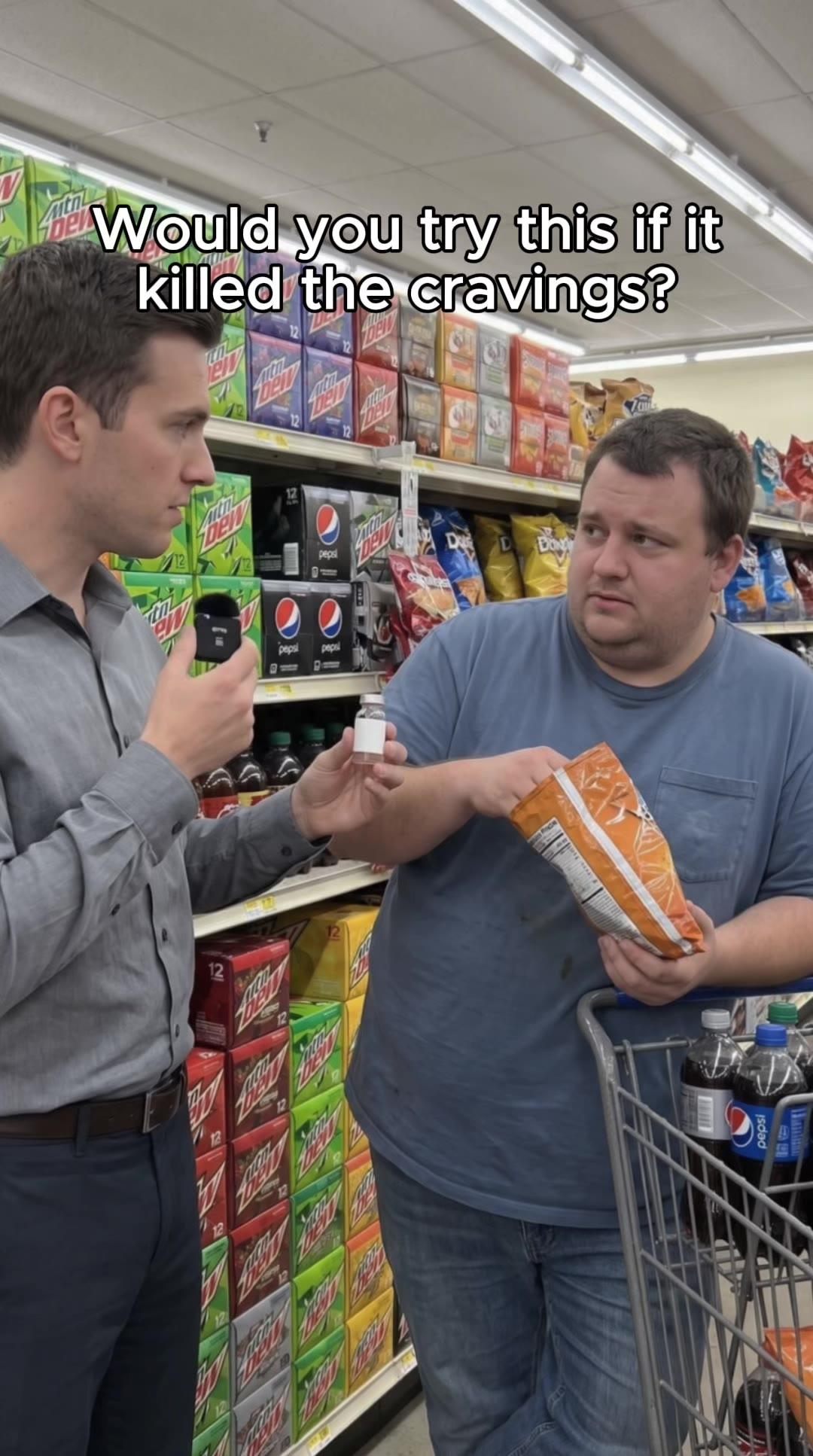
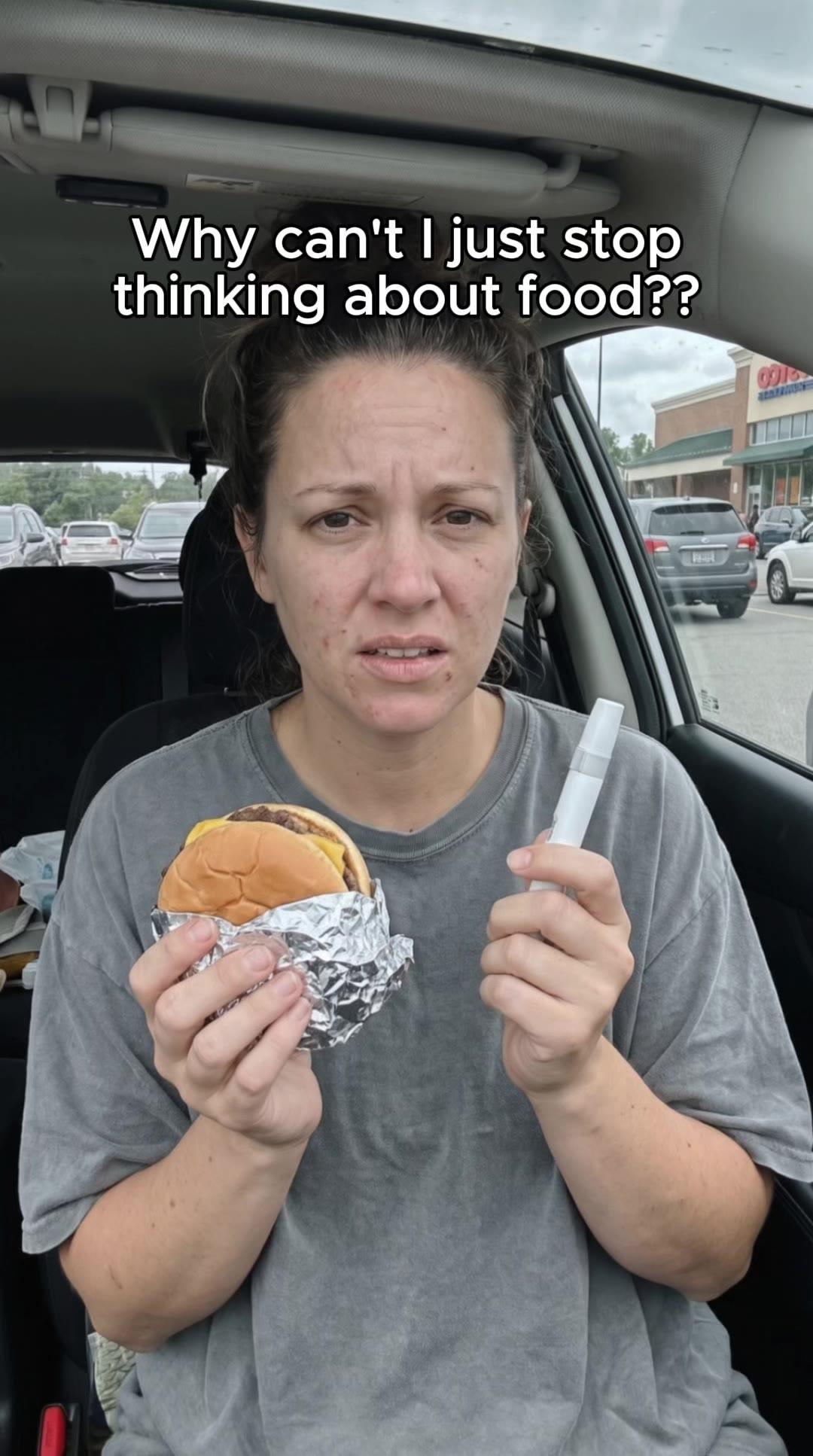
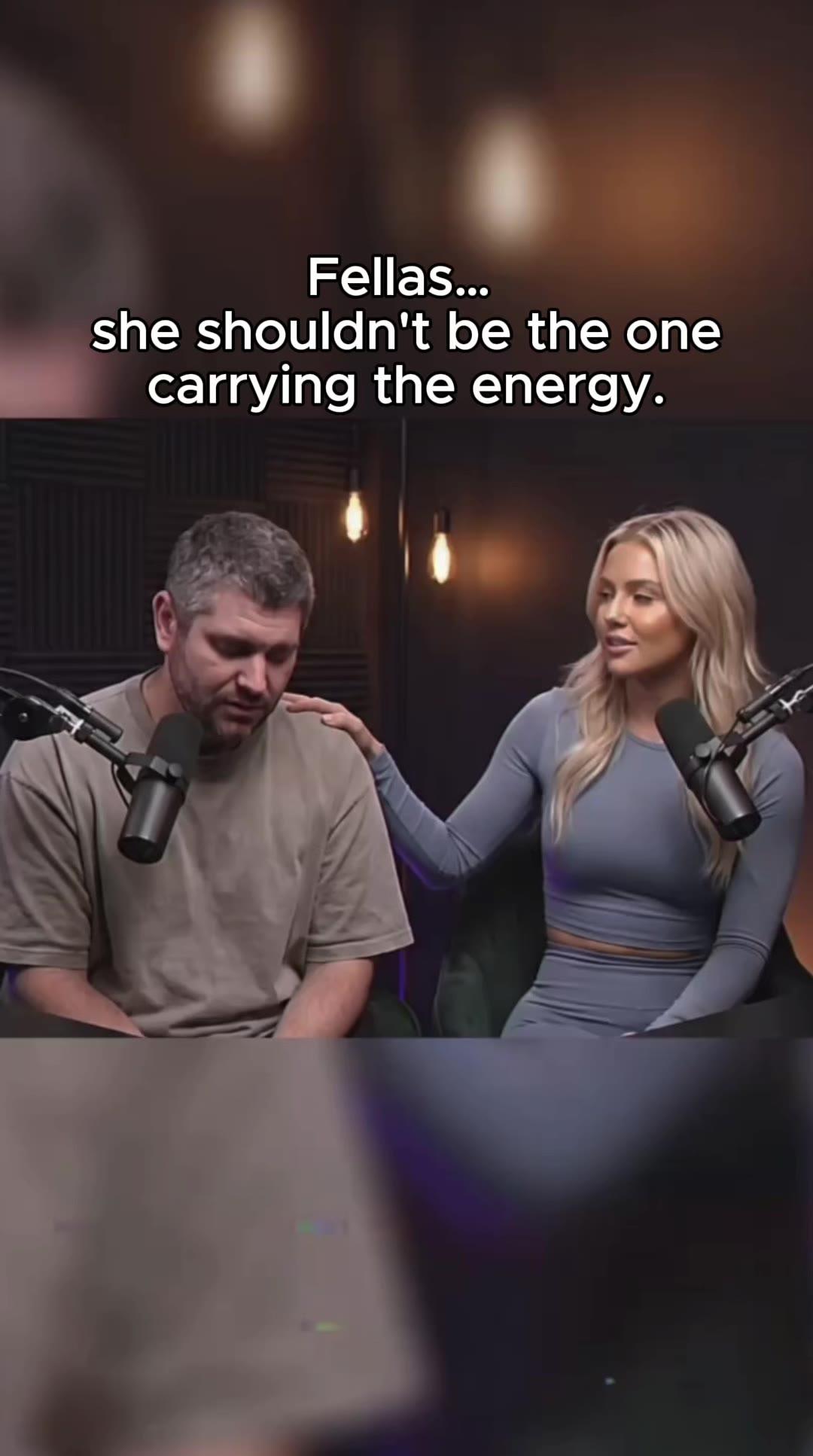
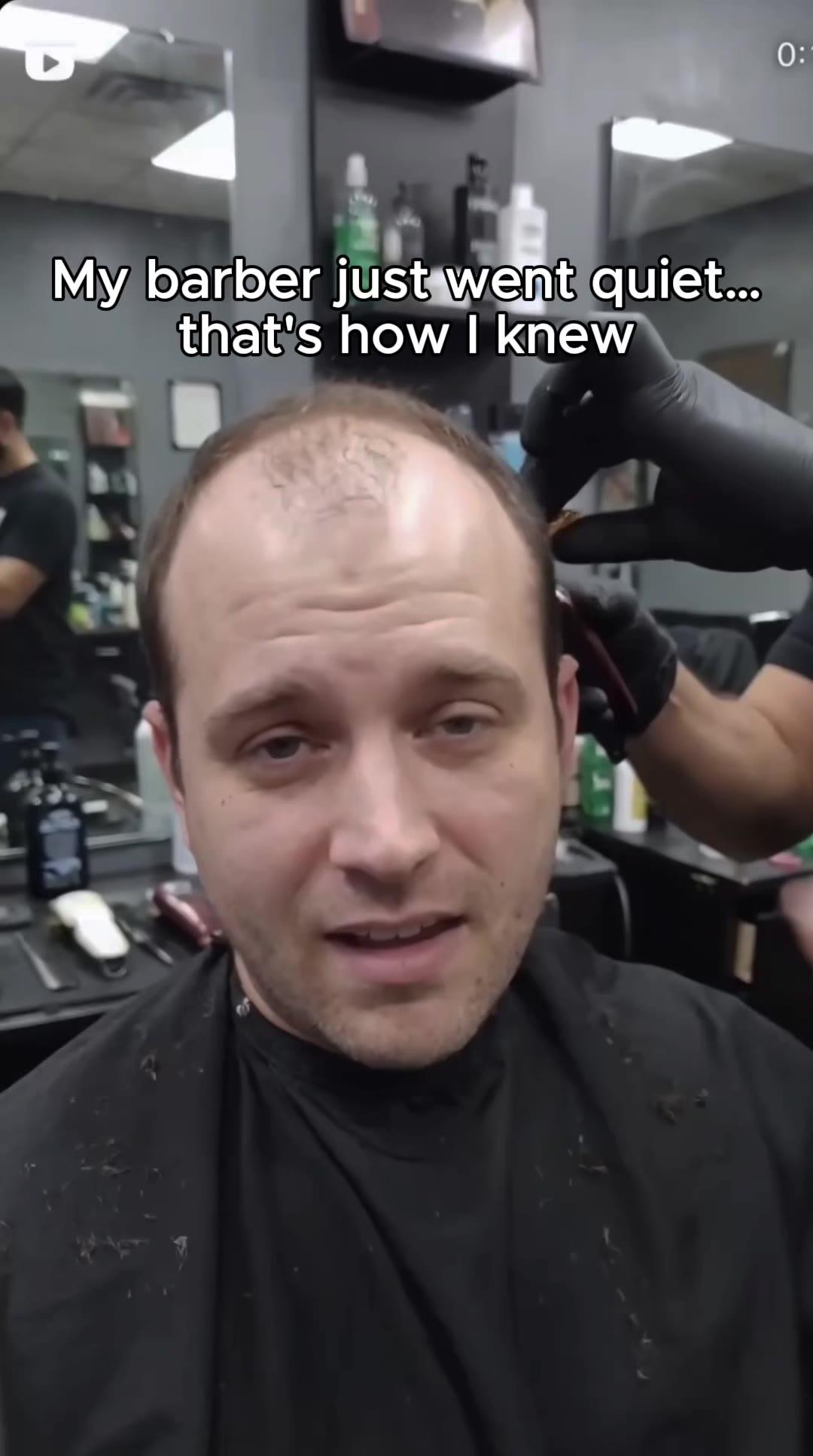

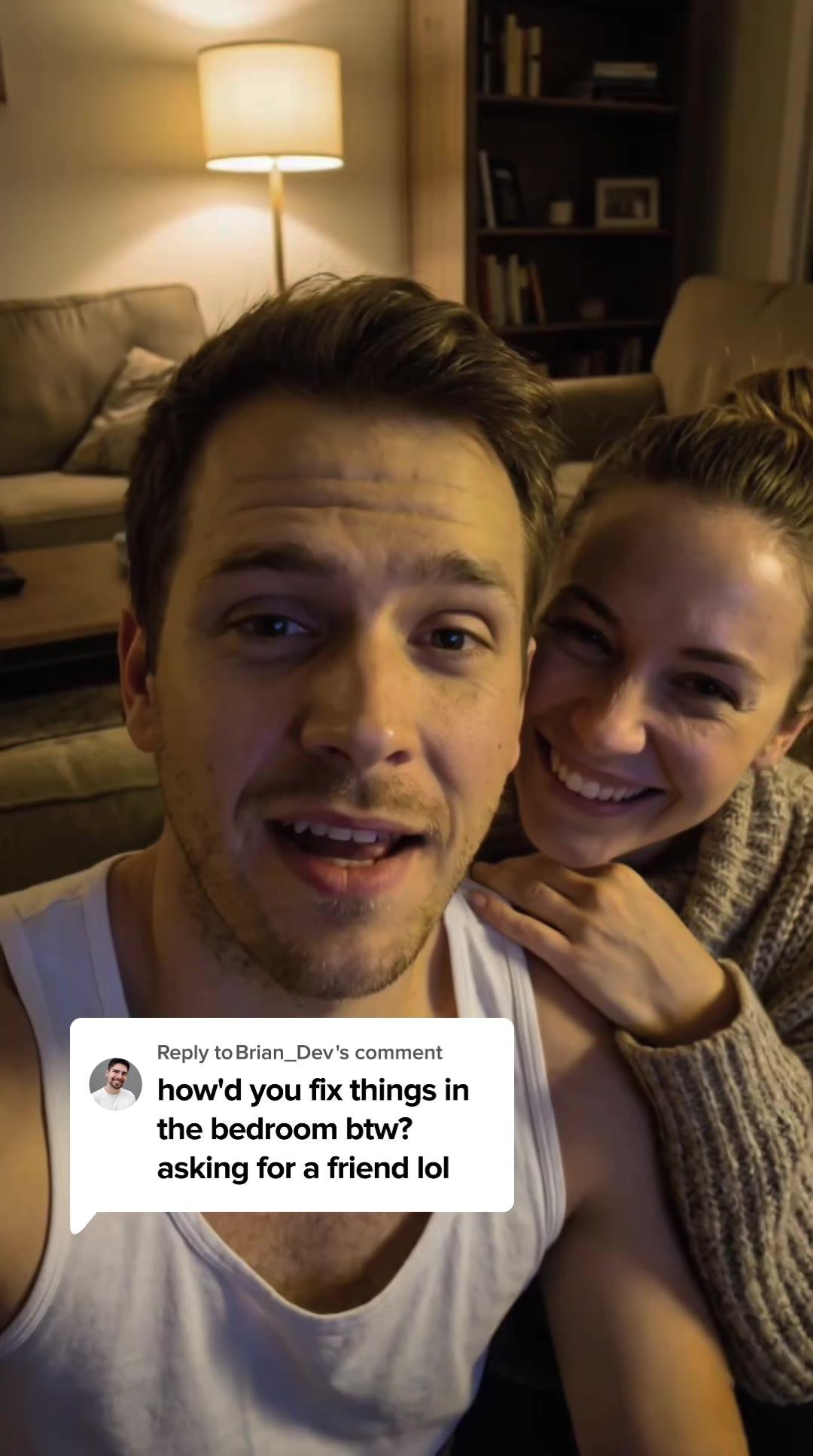

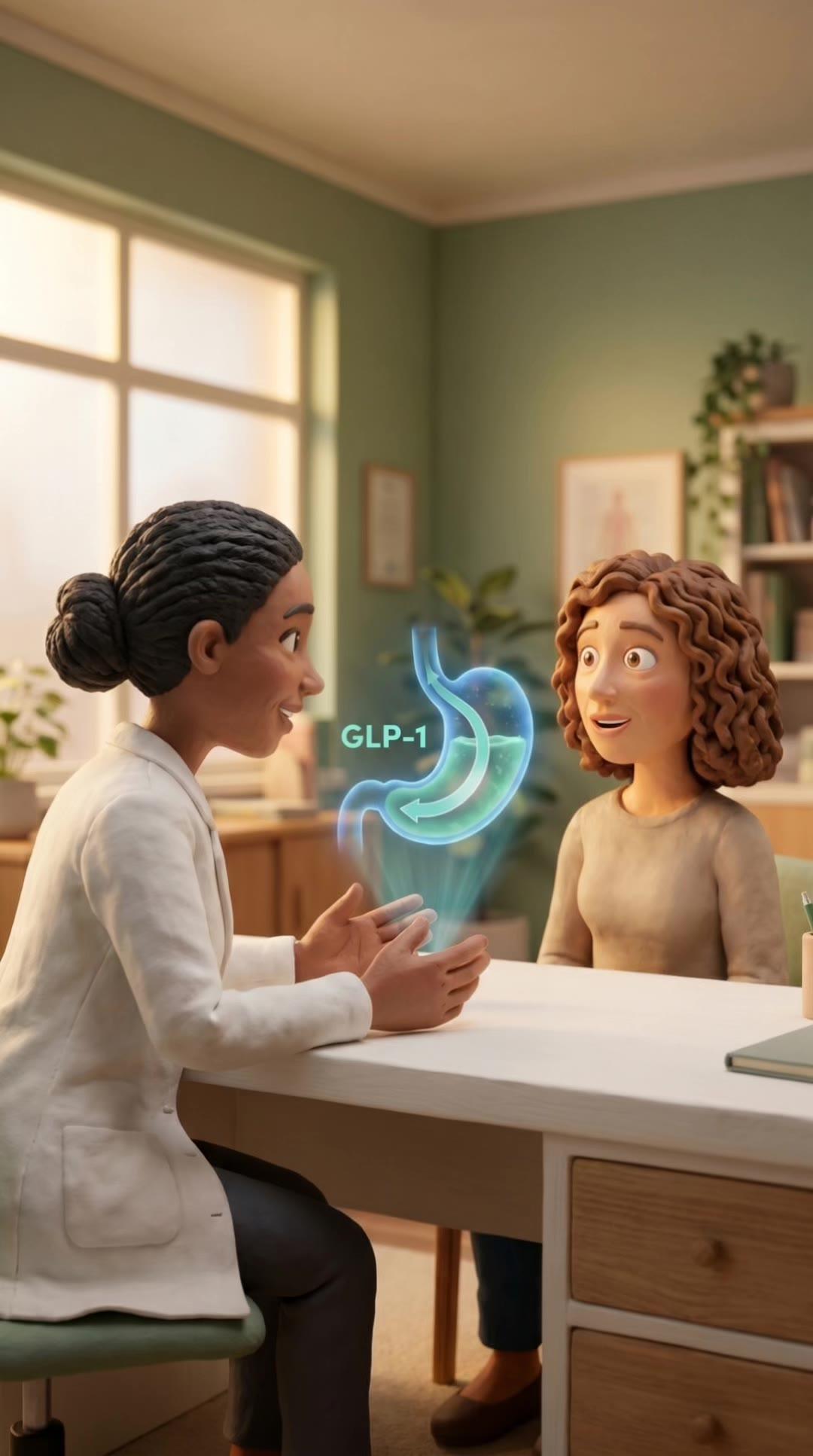
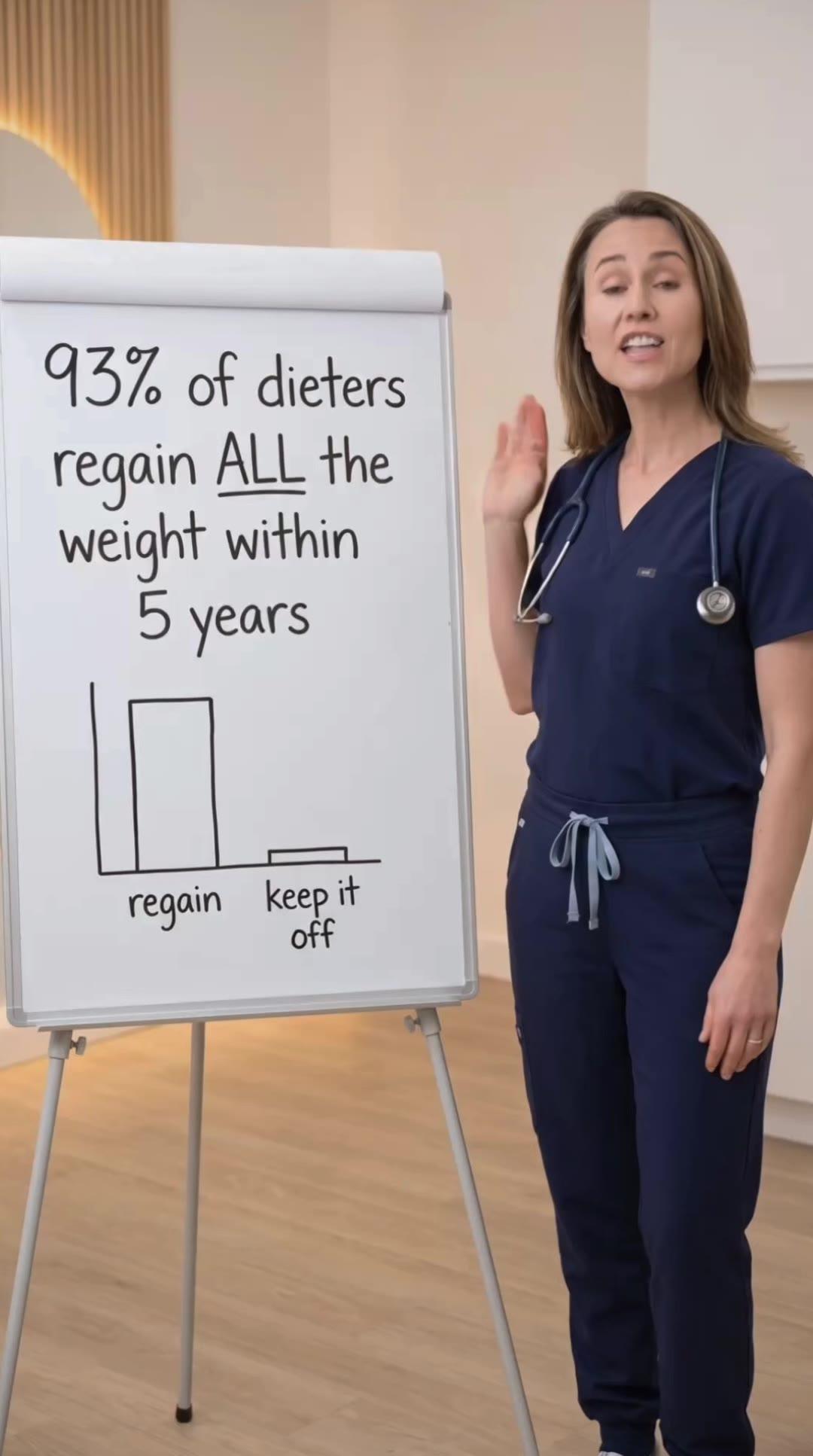
Doctor-on-camera telehealth ads are one of the highest-converting formats available to telehealth brands, and for a straightforward reason: the primary friction in telehealth conversion is trust. A patient considering an online consultation for a medical issue needs to believe that a real, qualified physician is involved. Nothing communicates that more directly than a physician on camera. When DOC creative is produced correctly — which requires understanding both FTC expert endorsement rules and platform-specific approval dynamics — it reduces purchase friction faster than any other format.
What the FTC Actually Requires
The FTC's expert endorser rules are specific and material for doctor-on-camera creative. A physician appearing in an advertisement must be sharing their genuine professional opinion. They cannot be reciting scripted claims that don't reflect their actual views. They must be qualified in the relevant area — a gastroenterologist cannot be presented as an authority on hormone therapy. And they cannot make claims that go beyond what they would professionally endorse based on their expertise and the evidence.
This is not a theoretical compliance concern. The FTC has taken enforcement action against healthcare advertisers who used physicians in ads making claims the FTC determined weren't genuine professional opinions. The standard for physician endorsement in advertising is higher than it is for celebrity endorsement precisely because the physician's credentials are what's providing the claim's authority. If the physician isn't genuinely making the claim as an expert, the compliance structure collapses.
Compensation disclosure is also required. If a physician is paid to appear in your ad — whether as a fee, as a revenue share, or as any other form of compensation — that relationship must be disclosed. The disclosure doesn't have to be prominent, but it needs to be clear. Most DOC ads handle this with an on-screen text disclosure or a voice-over acknowledgment. The key is that a viewer could not reasonably miss it.
What Physicians Can and Cannot Say
Licensed physicians can say a great deal in telehealth ads, and the constraint is not as severe as many brands assume. A physician can explain how a treatment category works from a clinical perspective. They can describe the types of patients who might be candidates for evaluation. They can explain the telehealth consultation process in detail. They can share their genuine professional perspective on the value of early intervention for a given condition. They can discuss the evidence base for treatments they prescribe.
What physicians cannot do in ads is guarantee specific outcomes for individual patients, claim that a specific telehealth service is definitively superior to alternatives without evidentiary support, or make claims that are outside the scope of their documented expertise. A physician who specializes in internal medicine speaking about GLP-1 mechanisms is fine; a physician who specializes in dermatology speaking about hormone therapy requires more care.
The practical test for any specific claim is whether the physician would make the same statement in a peer-reviewed paper or in testimony under oath. If the answer is yes, the claim is defensible. If the physician is saying something in the ad they wouldn't put their professional name to in any other context, the claim needs to be revised before production.
Production Approach That Works
DOC ads work best when they don't look like ads. The production aesthetic should feel like a physician explaining something to a patient, not a commercial shoot. This means a clinical setting that looks real rather than set-dressed, natural lighting or professional lighting that doesn't feel artificial, conversational delivery rather than theatrical performance, and minimal production intrusion visible in the frame. The goal is not low quality — it's authenticity. A physician who looks like they're performing for a camera converts worse than a physician who looks like they're having a real conversation.
Brief the physician on key talking points rather than scripting them line for line. Physicians who are reading from a teleprompter or visibly trying to remember lines lose the natural authority that makes the format work. Give them the core messages — what the treatment category is, who might benefit from evaluation, what the consultation involves, what a patient can expect — and let them deliver it in their own words. The clinical vocabulary will be accurate because they know the medicine. The delivery will be genuine because it's in their voice.
Show the physician's name and credentials on screen. "Dr. Sarah Chen, MD — Internal Medicine" appearing as a lower-third for several seconds is both a compliance signal and a conversion driver. Audiences respond to specific, verifiable credentialing information. It makes the claim real in a way that a generic "board-certified physician" voiceover doesn't.
Concepts we ship across every awareness stage.
See the work →Platform Performance for DOC Ads
Doctor-on-camera creative gets more latitude in platform review than almost any other format in telehealth advertising. The presence of a credentialed physician is a signal that the advertiser is operating in a legitimate medical context, and platforms respond to that signal by applying lighter scrutiny in review. This doesn't mean physician creative is immune to rejection — claims still need to comply with platform healthcare policies — but the approval rate is meaningfully higher, and accounts that run primarily DOC creative tend to maintain cleaner approval histories.
Meta, TikTok, and YouTube all respond positively to the format for the same reason: it signals credibility. YouTube is the most restrictive platform for telehealth creative generally, but DOC ads for educational medical content have significantly better approval rates there than UGC testimonials or lifestyle creative. If YouTube is part of your media plan, building a DOC creative set specifically for that platform is worth the investment.
Testing Multiple Physicians and Creative Length
Different physicians appeal to different audience demographics, and this variation is more significant in telehealth than in other categories because the audience is choosing a medical provider, not just a product. Testing two to three physicians for any given campaign is worth the production investment. Factors that vary meaningfully: age (a 45-year-old physician may resonate more with a 40-to-55 audience than a physician who appears in their 30s), specialty framing (how the physician describes their clinical background), and communication style.
For awareness placements, 60 to 90 seconds gives a physician enough time to establish credibility, explain the relevant medical context, and deliver a meaningful message. This is longer than most telehealth creative because the physician format earns watch time — audiences who encounter a credible physician explaining something relevant to them will watch longer than they would for most ad formats. Don't cut physician content to 30 seconds for the sake of format — the conversion benefit comes from the full message being delivered.
For retargeting, cut down to 15 to 30 seconds. A warm audience has already encountered the brand and doesn't need the full educational context. The shorter version can lead with the physician's credentialing directly, deliver the most compelling point from the long-form version, and end with a clear CTA. The visual and vocal familiarity from the longer version creates continuity that benefits the cut-down.
Related Articles
The Best Ads from Telehealth Brands Right Now
Breakdown of the telehealth ad creative that is actually working in 2026. Real examples from top brands with analysis of what makes them perform.
Before and After Claims in Telehealth Advertising: The Full Compliance Guide
How to use before and after content in telehealth ads compliantly. What disclaimers you need, what Meta allows, and how to avoid FTC violations.
AI-Generated UGC for Telehealth: What Is Possible in 2026
How AI-generated video, avatars, and synthetic UGC perform for telehealth ads in 2026, including tools, compliance risks, and when to use real creators instead.
Street Interview Ads for GLP-1 Brands
How to produce street interview ads for GLP-1 telehealth brands. Format, compliance, disclosure requirements, and why this creative style outperforms standard UGC.
Ready to build a testing system that scales?
A 30-minute call. We audit your creative approach and show you exactly what a complete angle-format-hook system looks like for your vertical.