Prescription Skincare Advertising on Meta, What Gets Approved
Prescription skincare sits under two different rule sets on Meta at the same time: the rules for cosmetic products and the rules for prescription drugs. The common rejections come from treating it as only one of them.
Concepts shown are internal creative studies, not client campaigns.



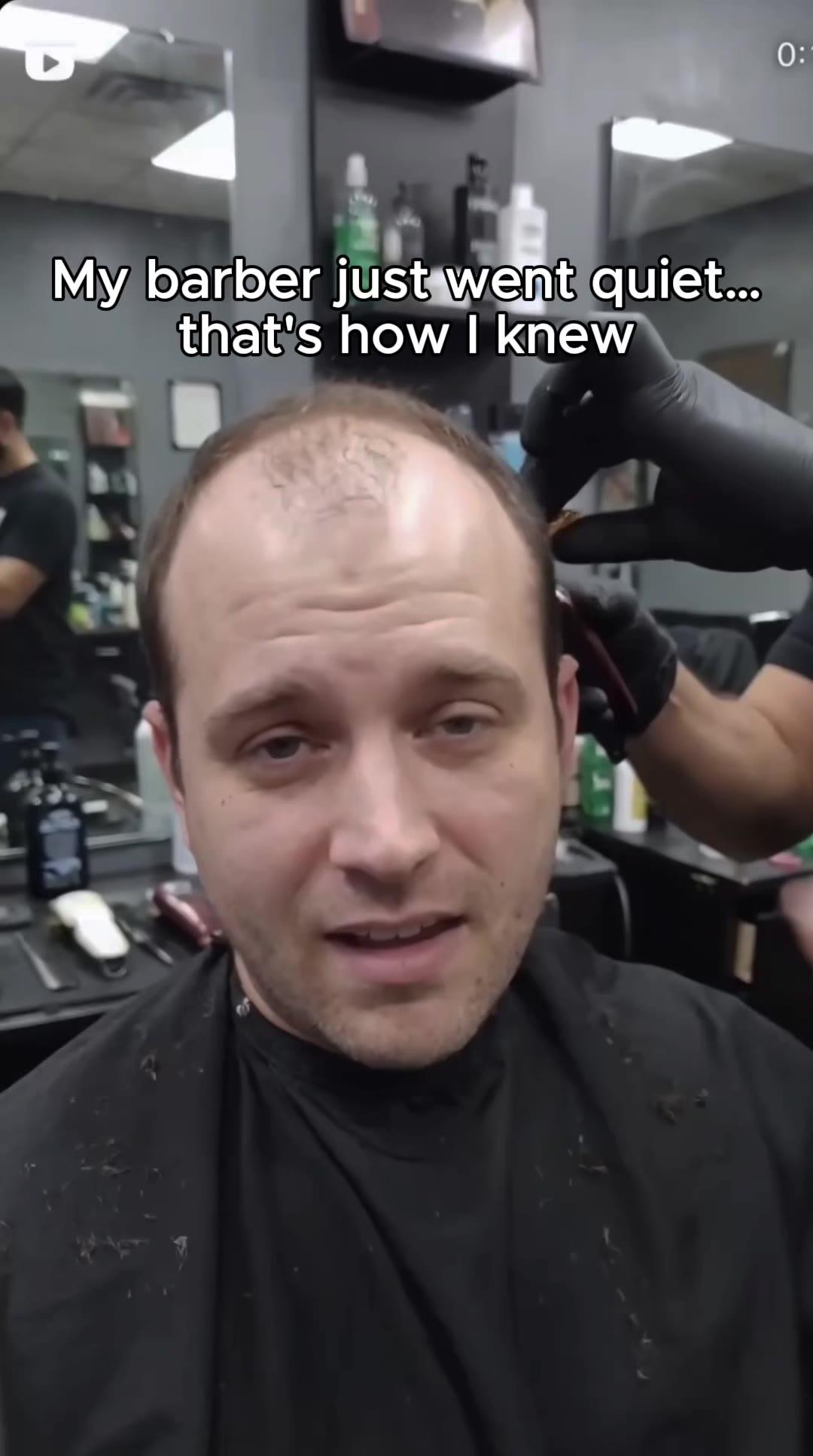





A prescription skincare ad looks like beauty content. It is shot like beauty content, it runs next to beauty content, and the audience scrolls past it with the same thumb. But the product is a prescription drug, prescribed by a clinician, and that puts the ad under Meta's pharmaceutical rules as well as its cosmetic ones. Brands that write it like a moisturizer ad run into the first set. Brands that write it like a drug ad often forget the second.
The overlap shapes every brief before a script exists, which is why our anti-aging and prescription skin ad creative starts from both policies at once. What follows is what each rule set says, where they meet, and where the claims in an ad move it from one to the other.
Two Rule Sets, One Ad
Meta's Health and Wellness advertising standards cover cosmetic products, procedures and surgeries. They set age requirements, list what cosmetic ads may show, and prohibit specific kinds of appearance language.
Meta's Drugs and Pharmaceuticals standards cover prescription drugs. They set their own age rule, a certification requirement for online pharmacies and telehealth providers, and country limits.
A telehealth brand prescribing tretinoin or another prescription retinoid is advertising a prescription drug, even when the ad never names the drug and the visuals are pure skincare. The cosmetic rules still matter, because they govern how appearance can be discussed and shown. The practical result is that a prescription skin ad has to clear both, and the stricter rule wins wherever they differ.
Where a Cosmetic Claim Becomes a Drug Claim
The line between the two is not set by Meta. It comes from US law, and it is drawn by what a product is intended to do. The FDA's explainer Is It a Cosmetic, a Drug, or Both? quotes the Federal Food, Drug, and Cosmetic Act. Cosmetics are articles applied to the body for cleansing, beautifying, promoting attractiveness, or altering the appearance, under section 201(i). Drugs include articles intended to affect the structure or any function of the body, under section 201(g)(1).
The same FDA page explains that intended use can be established by the claims made in labeling, advertising and online promotion, by consumer perception of the product, and by ingredients with recognized therapeutic uses. It gives examples of claims that make a product a drug, including claims to restore hair growth, reduce cellulite, increase or decrease melanin production, and regenerate cells. For skincare marketers, that last group matters most. Copy that talks about what a product does to the structure of the skin is drug copy, whatever the product is.
For an FDA-approved prescription product, the approved labeling sets the boundary of what can be claimed. The labeling for one tretinoin cream on DailyMed lists its indication as the treatment of acne vulgaris. The labeling for RENOVA, a tretinoin cream at a different strength, states its indication as an adjunctive agent for the mitigation of fine facial wrinkles in patients who also follow skin care and sunlight avoidance programs, and states in capitals that it does not eliminate wrinkles, repair sun-damaged skin, reverse photoaging, or restore more youthful or younger skin. Anti-aging copy that promises any of those things is promising what the label itself rules out.
Many telehealth skin brands prescribe compounded formulas rather than a branded product. The FDA's compounding questions and answers state that compounded drugs are not FDA-approved, and that FDA does not verify their safety, effectiveness or quality before they are marketed. There is no approved label to lean on, so every claim in the ad needs its own support. Our guide on how to substantiate health claims in telehealth ads covers what that support has to look like.
Age Targeting on Cosmetic and Prescription Ads
Meta's Health and Wellness standards say ads promoting or marketing cosmetic products, procedures or surgeries must be targeted to people at least 18 years or older. The same page carves out an exception: the age restriction does not apply to non-permanent cosmetic and beauty products such as creams, makeup and hair products.
That exception is where prescription skin brands trip. A prescription retinoid is a cream, so it is tempting to read it as a non-permanent beauty product with no age floor. It is not one. The Drugs and Pharmaceuticals standards say Meta does not allow prescription drug ads to be targeted to people under 18, and require online pharmacies and telehealth providers to be actively certified with LegitScript, with targeting limited to eligible countries, listed as the United States, Canada and New Zealand, and to countries where the advertiser is certified. Our breakdown of what LegitScript certification requires covers that process.
Set the age floor at 18 on every ad set for a prescription skin product, and treat the cream exception as belonging to cosmetic brands, not to yours.
Before and After Transformation Imagery
Meta's standards list general cosmetic products, procedures and surgeries depicting before and after transformation among the ads advertisers can run when targeting people 18 or older. That is a platform permission for cosmetic ads. It is not a legal clearance for the claim the images make.
A before and after image for a prescription skin product is a visual claim about what the product did. It carries the same substantiation burden as a written claim, and when it features a real customer it also falls under the typicality principle in the FTC's endorsement guidance. The FTC's Endorsement Guides questions and answers say that if an advertiser does not have proof that an endorser's experience represents what people will generally achieve, the ad must make clear what the generally expected results are. A small results may vary caption does not do that.
Meta's change log for these standards shows a revision dated July 23, 2026, without a description of what changed. Coverage of that update reported that before and after imagery is no longer rejected on sight, but Meta has not confirmed it. Even if it holds, it moves the risk from the image to the claim the image makes.
This is what compliant telehealth creative looks like.
See the work →Statements of Inferiority About Appearance
Meta's standards say ads for cosmetic products or procedures can't contain statements of inferiority about physical appearance, described as terms, descriptions or questions that are negative and attack an individual's appearance, specific body parts or hygiene.
Anti-aging copy runs into this rule more than almost any other category, because the lazy hook is an attack on how the viewer looks. Questions about looking tired, looking older than you are, or hiding your face in photos all aim the ad at the viewer's appearance. So do close crops that frame a feature as a flaw. The rule covers the question form, so turning the attack into a question does not help.
Hooks that clear this rule describe a decision or an experience rather than a flaw. Why someone started looking into prescription options. What the consultation asked about. What the first weeks were actually like. The viewer recognizes herself without being told something is wrong with her face.
What Tends to Trigger a Rejection
Meta does not publish a rejection list for prescription skincare, but the common failures map back to specific lines in the two policies. An ad set below 18 because the product was treated as a cream. A prescription ad from an advertiser that is not certified, or targeted outside the countries where it is. A hook built on a statement of inferiority. Structure and function language that turns cosmetic copy into drug copy.
Two more are worth naming. Meta's standards prohibit ads that promote skin whitening or bleaching products that cause permanent skin color change, which catches pigmentation copy written carelessly. And before and after imagery that implies an outcome the brand cannot support creates risk whether or not the platform approves the ad.
Building Ads That Clear Review
Run every prescription skin ad through the same checks in the same order. Confirm certification status and country targeting. Set the age floor at 18. Read every hook and caption for statements of inferiority, including questions. Read every claim, spoken, written or shown, for structure and function language, and check it against the approved labeling or, for compounded formulas, against the brand's own substantiation. Treat before and after imagery as a claim that needs the same review as copy.
Keep a record of what was approved, what was rejected and the reason Meta gave. For the wider policy that sits around all of this, see Meta's Health and Wellness ad policy explained for telehealth.
The Short Version
Prescription skincare is a prescription drug category that looks like a cosmetic one, and Meta applies both rule sets. The cosmetic rules govern how appearance is discussed and shown. The prescription rules govern who can advertise, where and to whom. US law decides when copy has become a drug claim, and approved labeling limits what a branded product can promise. Set the age floor at 18, stay certified, drop the appearance attacks, and treat every image as a claim.
Related Articles
Tretinoin Ad Creative for Telehealth Brands
Tretinoin ad creative angles for telehealth brands: the adjustment window, prescription versus shelf, the not-yet-injectables buyer, and an honest timeframe.
Why Prescription Skincare Brands Lose Patients in the First Weeks
Prescription skincare patients often stop in the first weeks. What that costs a subscription brand, and why the expectation set in the ad matters.
Advertising Compounded Skincare Formulas for Telehealth
How to advertise compounded prescription skincare formulas: the false or misleading standard, approval implications, custom claims and ingredient copy.
Meta's Health and Wellness Ad Policy Explained for Telehealth
Meta's health and wellness ad policy has provisions that affect telehealth brands. What is prohibited, what needs special review, and how to build ads that run.
Creative built to pass review, and convert anyway.
A 30-minute call. We audit your creative approach and show you exactly what a complete angle-format-hook system looks like for your vertical.