How to Substantiate Health Claims in Telehealth Ads
The FTC requires "competent and reliable scientific evidence" before you make a health claim in an ad. What that standard means, how it differs by claim type, and how to build the evidence file that protects your brand.
Concepts shown are internal creative studies, not client campaigns.
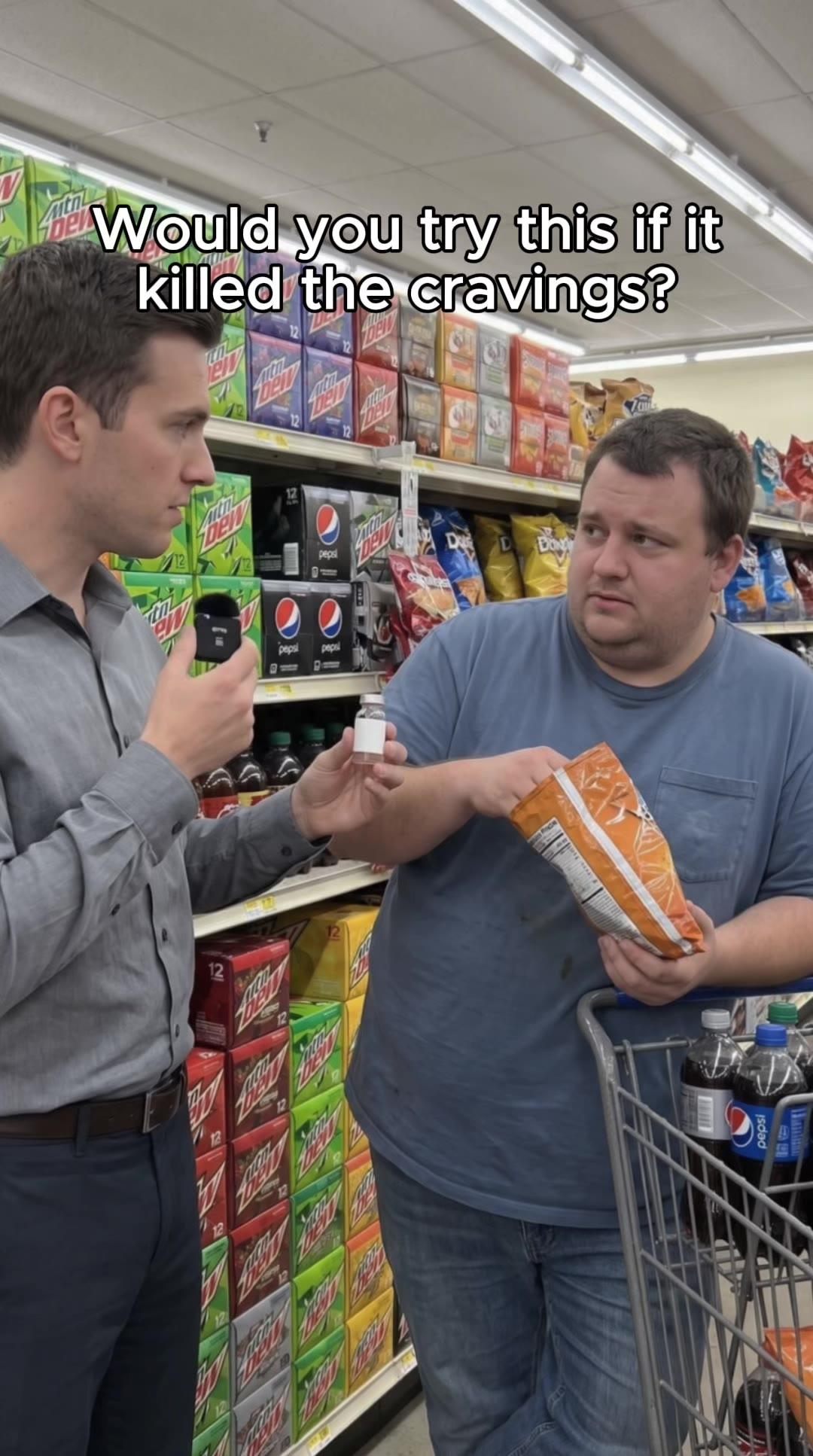
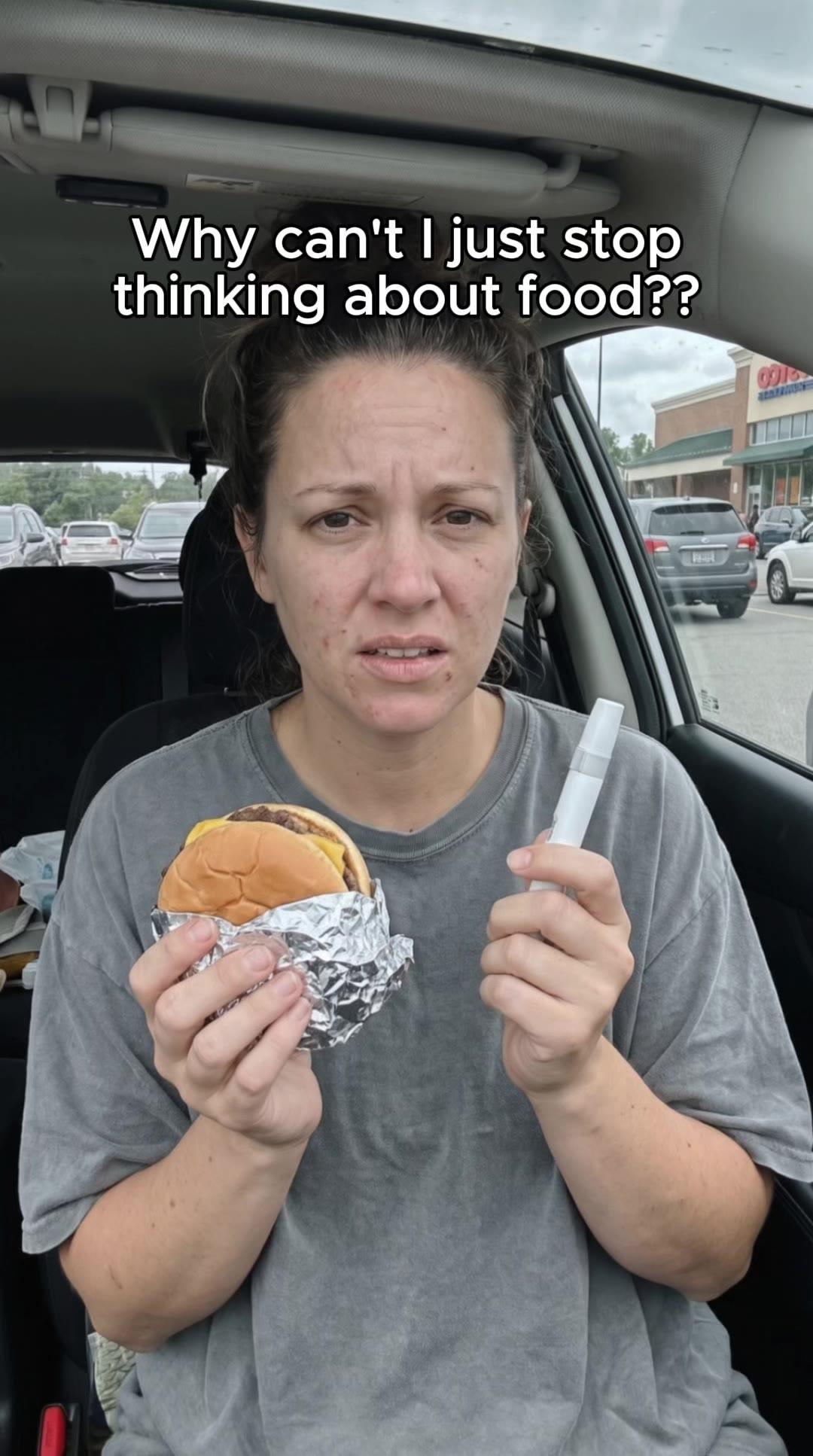

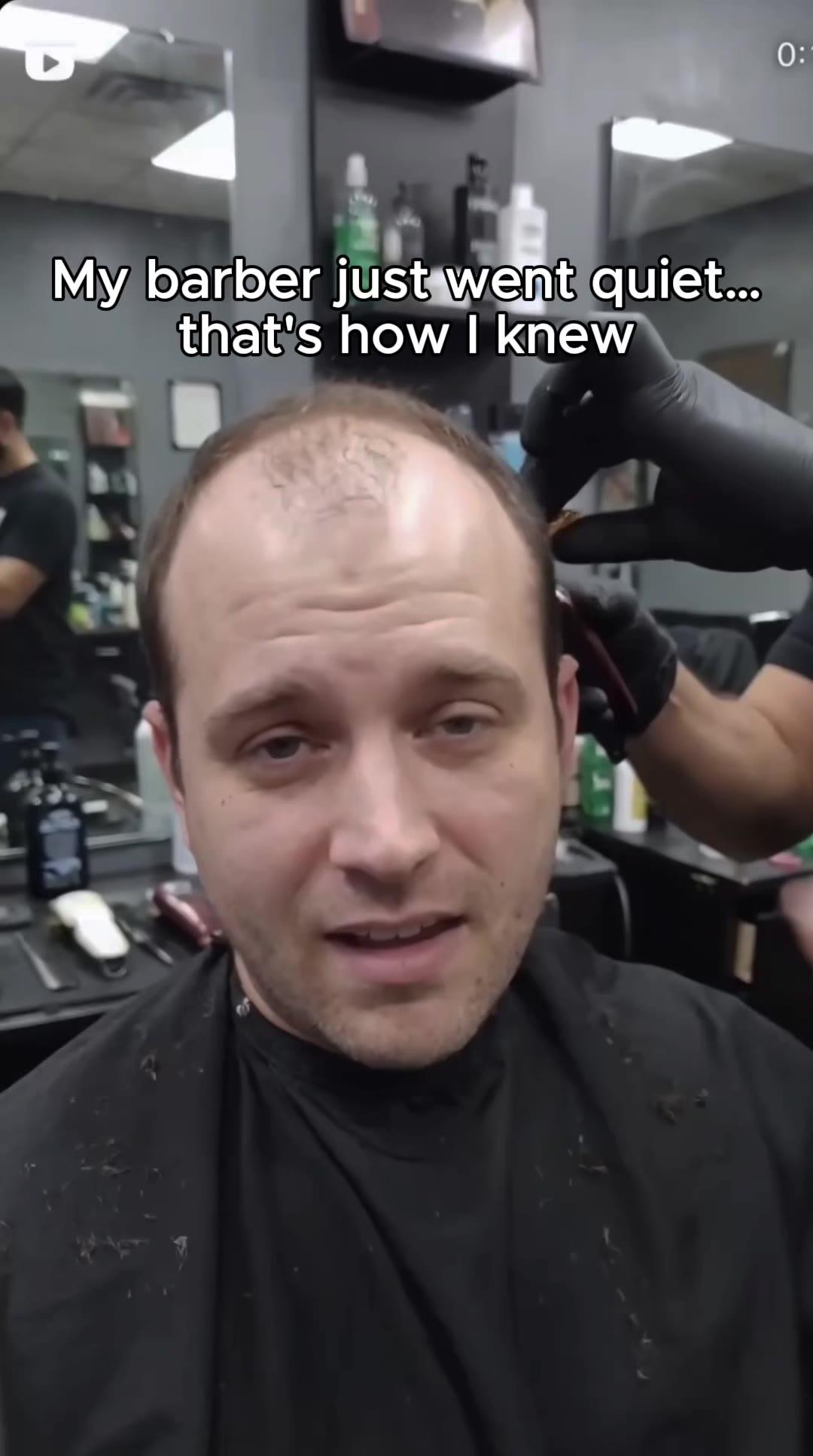




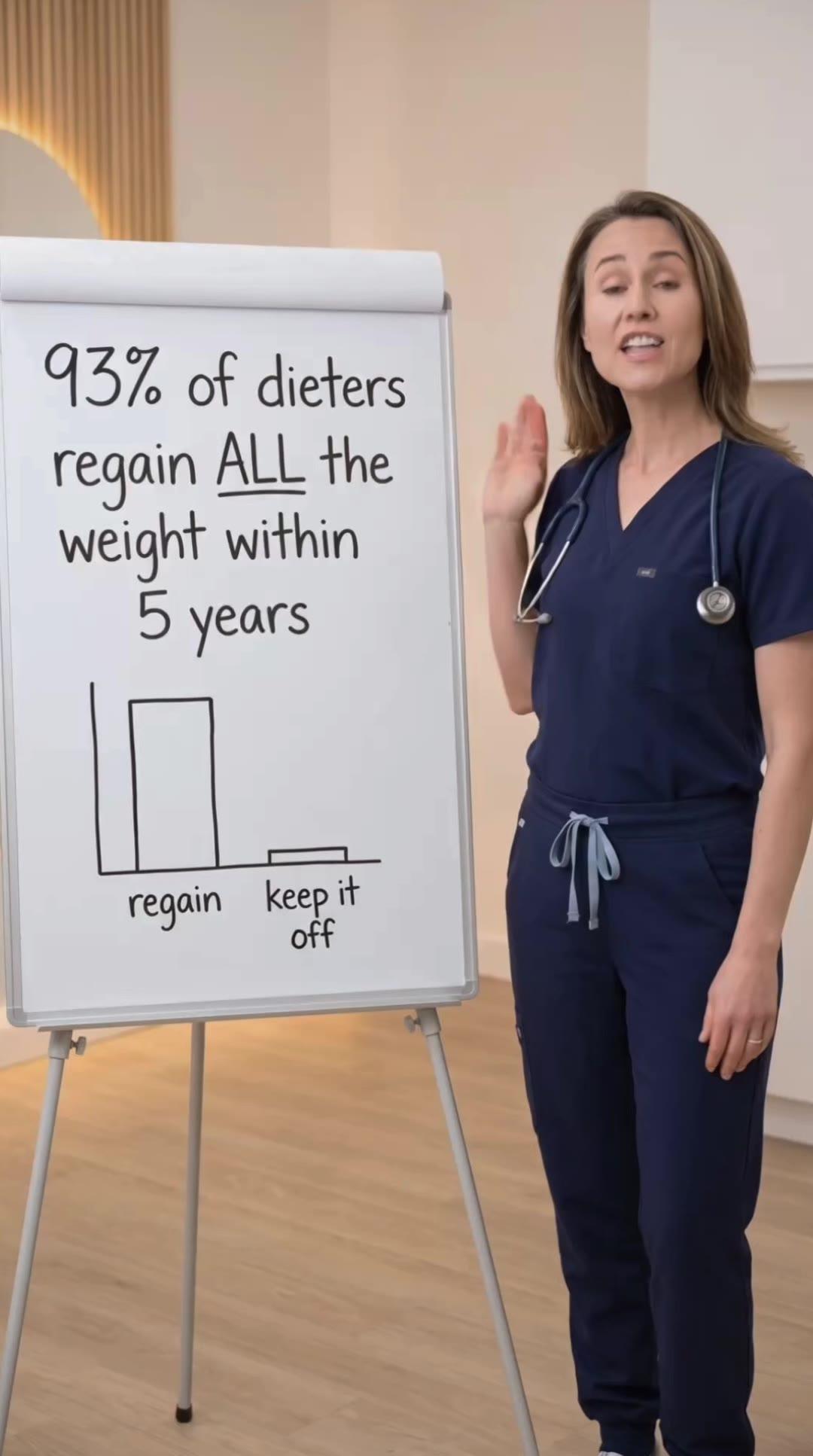
Substantiating health claims in telehealth ads is not about finding a study that vaguely supports something you want to say. The FTC's standard — "competent and reliable scientific evidence" — is specific, and it requires evidence that is proportionate to the strength and specificity of the claim. A claim that a GLP-1 medication "may support weight management" requires different substantiation than a claim that it "helps patients lose an average of 15% of their body weight in 12 months." Understanding how substantiation requirements scale with claim strength is the foundation of a compliant advertising claims program.
For telehealth brands, this is not an academic exercise. The FTC expects substantiation to exist before you make a claim — not after you receive an inquiry. If an FTC investigator contacts your brand and asks for the substantiation for a specific claim in your advertising, you need to produce it immediately from your files. "We believe the evidence supports our claim" is not substantiation. A documented evidence file with the relevant studies, expert opinions, or internal data is.
What Competent and Reliable Scientific Evidence Means
The FTC defines "competent and reliable scientific evidence" as tests, analyses, research, or studies that have been conducted and evaluated in an objective manner by qualified persons using procedures generally accepted in the relevant scientific discipline to yield accurate and reliable results. For health and medical claims, this typically means peer-reviewed clinical research published in medical journals, with particular weight given to randomized controlled trials and systematic reviews or meta-analyses of multiple studies.
What does not typically meet the competent-and-reliable standard: anecdotal evidence from individual patients, testimonials without objective data, animal studies presented as evidence of human efficacy, single case studies, or observational data without controls. In the GLP-1 space, the clinical trial literature for branded semaglutide (SUSTAIN, STEP, SELECT trials) represents competent and reliable scientific evidence for the branded product's specific approved claims. Applying that evidence to claims about a compounded version of semaglutide is a stretch that the FTC and FDA have both challenged.
Claim Strength and Evidence Requirements
The FTC applies a proportionality principle to substantiation: the stronger and more specific the claim, the stronger the evidence required to substantiate it. A general wellness claim — "supports healthy metabolism" — requires less rigorous evidence than a specific efficacy claim — "reduces body weight by an average of 15% in 52 weeks." A claim about a broad population — "helps most patients lose weight" — requires evidence from a representative sample of the relevant patient population, not just one or two studies.
For weight loss and GLP-1 claims specifically, the FTC's substantiation bar is at the higher end of the spectrum because weight loss is a category with a long history of deceptive advertising. The FTC has explicitly stated that weight loss efficacy claims require "well-controlled human clinical studies" as the substantiation standard — not observational data, not patient surveys, and not animal research. This is a higher standard than the general "competent and reliable" threshold and applies to the most common category of claims that GLP-1 telehealth brands want to make. See our guide to the typical results disclosure threshold for how this evidence connects to your testimonial disclosures.
This is what compliant telehealth creative looks like.
See the work →Structure Matters in a Claims Evidence File
A claims evidence file is a documented record of the substantiation supporting each specific claim your brand makes in advertising. The file should be organized by claim — each specific statement you make in your ads or on your website — with the evidence supporting that specific claim documented for each one. The evidence entry should identify the study or data source, summarize the relevant findings, and explain how those findings support the specific claim being made.
This structure is important because the FTC's standard is claim-specific. A study that supports claim A does not automatically substantiate claim B, even if both claims seem related. A clinical trial showing that semaglutide produces 15% weight loss in patients with obesity does not substantiate the claim that a specific compounded semaglutide telehealth program produces 15% weight loss, because the study was not conducted on that specific product in that specific clinical setting. Building the evidence file claim-by-claim prevents the common mistake of treating general scientific literature as blanket substantiation for any claim in the same neighborhood.
Working with Clinical Advisors on Substantiation
Telehealth brands that have licensed healthcare providers involved in their operations have an advantage in substantiation: those providers can review the evidence for specific claims and provide expert opinion about whether the evidence supports the claim being made. While expert opinion alone is not sufficient substantiation for the FTC's standard, expert opinion combined with peer-reviewed research can strengthen a substantiation file substantially. If your medical director or clinical advisory board can attest in writing that the claims being made in your advertising accurately reflect the clinical evidence, that documentation adds weight to your substantiation file.
This is particularly valuable for claims about compounded medications where published clinical trial data for the specific compound is limited. Expert opinion from your licensed providers — documenting their clinical experience with the specific compounded preparation — is a form of evidence, even if it is lower on the evidentiary hierarchy than published randomized controlled trials. Combined with mechanism-based research showing how the active ingredient works, expert clinical opinion can form part of a defensible substantiation package.
When to Modify Claims Rather Than Find Stronger Substantiation
Sometimes the right response to a substantiation gap is not to find more evidence — it is to modify the claim to a level of specificity that the existing evidence can support. A claim that "many patients experience significant weight loss" is weaker and more vague than "patients lose an average of 15% of body weight in 52 weeks," but the weaker claim may be the one you can actually substantiate with the evidence you have. Weaker, accurate, substantiated claims outperform stronger, unsubstantiated claims not just from a compliance standpoint but often from a conversion standpoint as well — because claims that feel credible to skeptical health consumers convert better than promises that seem too good to be true.
The discipline of writing to your evidence file — making claims as specific as your evidence supports and no more specific — forces a useful creative constraint that often produces better advertising. It prevents the hyperbolic outcome promises that drive high initial click rates but low conversion and high patient churn when the product does not deliver on the implied promise. Compliant claims tend to attract patients who are appropriately calibrated on what to expect, which reduces churn and complaint rates downstream. See our full guide to compliant claims in telehealth advertising for the full framework.
Keeping Substantiation Files Current
Substantiation files require maintenance. If a study that was part of your substantiation is later retracted or contradicted by a larger body of evidence, continuing to rely on it for your claims creates exposure. New clinical research may also change what the evidence supports — in ways that strengthen or weaken your claims. A quarterly review of your substantiation files against any new published research in the relevant areas is a reasonable maintenance cadence for an active advertising program.
The regulatory environment for substantiation is also evolving. FTC consent orders in the health category — including the NextMed case discussed in our NextMed FTC case guide — provide updated guidance on what the FTC considers adequate substantiation for specific claim types. Reading consent orders from FTC enforcement actions in your category is one of the most practical ways to understand how the FTC is currently interpreting its substantiation standard.
Related Articles
Making Compliant Claims in Telehealth Ads: The Complete Guide
What health claims you can make in telehealth advertising. Efficacy statements, outcome claims, and how to communicate benefits compliantly.
The Typical Results Disclosure Threshold for Weight Loss Ads
What the FTC actually requires you to disclose about typical results when you run testimonials in weight loss and GLP-1 telehealth advertising.
FDA Rules for Telehealth Advertising: What You Can and Can't Say
FDA regulations for prescription medication advertising in telehealth. Disease claims, treatment efficacy, and compliance requirements for 2026.
Compliant Ad Copy for Telehealth: What You Can (and Can't) Say
Write telehealth ad copy that passes platform review and FDA compliance. Claim structure, disclaimers, and language that converts without getting flagged.
Creative built to pass review, and convert anyway.
A 30-minute call. We audit your creative approach and show you exactly what a complete angle-format-hook system looks like for your vertical.