The Typical Results Disclosure Threshold for Weight Loss Ads
"Results not typical" has not been a sufficient disclosure for weight loss advertising in years. What the FTC actually requires when you use testimonials in GLP-1 and weight loss telehealth ads — and how to write disclosures that hold up.
Concepts shown are internal creative studies, not client campaigns.








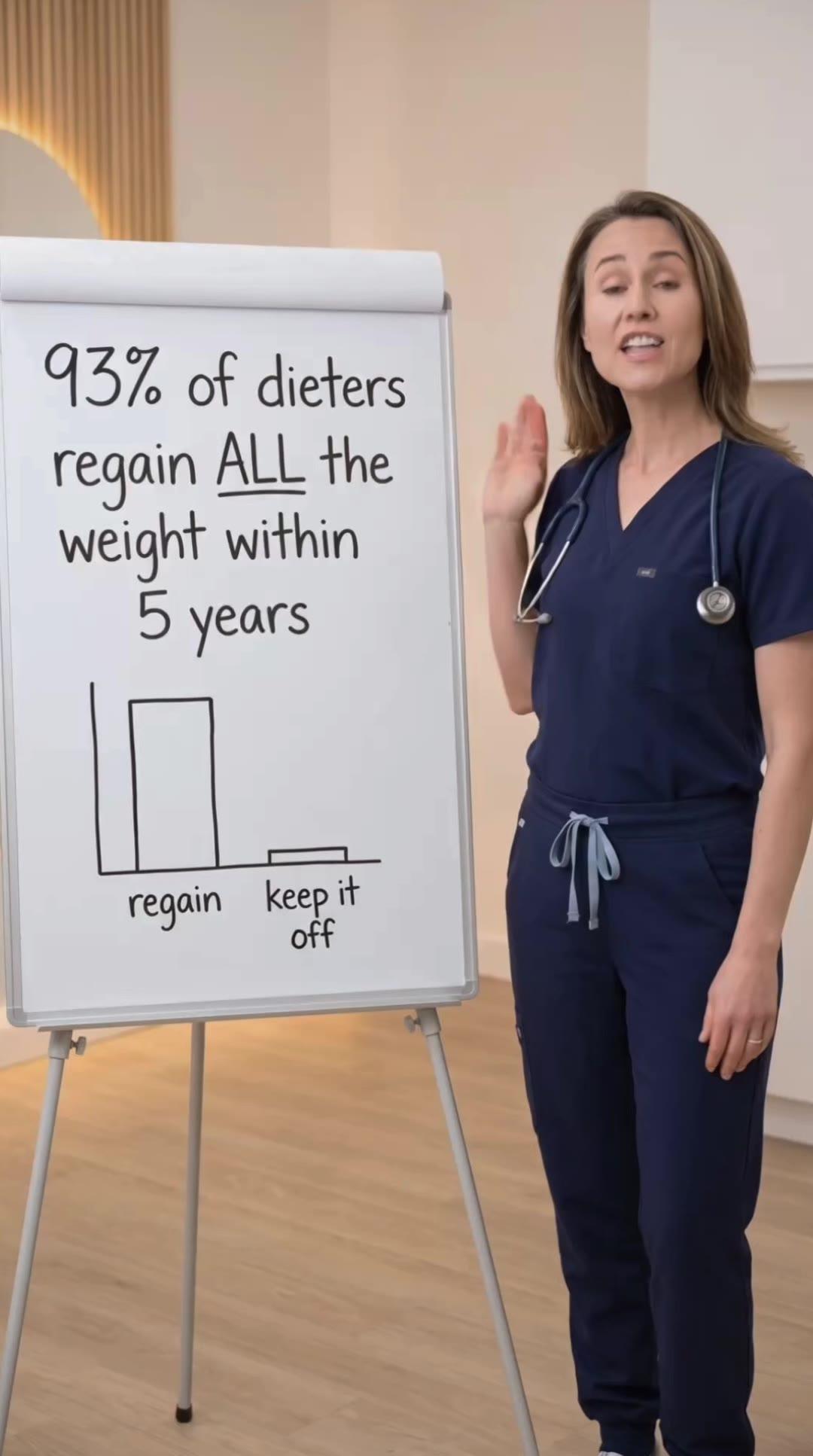
The typical results disclosure threshold for weight loss advertising is one of the most misunderstood compliance requirements in GLP-1 telehealth marketing. Many brands still run testimonials and before-and-after content with "results not typical" or "results may vary" disclaimers, believing this language satisfies the FTC's disclosure requirements. It does not. The FTC has been clear since at least 2009 that vague "results not typical" disclaimers are not sufficient when a testimonial shows results that are materially different from what typical consumers experience. In the GLP-1 space, where testimonials often feature dramatic weight loss that most patients do not achieve, this compliance gap is significant.
Understanding what the FTC actually requires — and what "typical results" means operationally for a GLP-1 telehealth brand — starts with understanding the two-path structure the FTC uses to evaluate testimonial disclosures. You can either substantiate that the testimonial results are representative of what typical consumers experience, or you must clearly disclose what results typical consumers actually do achieve. There is no third option.
Path One — Substantiating That the Testimonial Is Typical
If a patient testimonial shows 40 pounds of weight loss, and you can demonstrate through competent and reliable scientific evidence that 40 pounds of weight loss is typical for patients in your program, you do not need a separate typical results disclosure — because the testimonial itself represents typical results. This path is theoretically available but practically difficult for most GLP-1 telehealth brands because the clinical trial data for GLP-1 medications shows a wide distribution of weight loss outcomes. The median weight loss in the SUSTAIN-6 trial for semaglutide was in the range of 4-6% of body weight over two years — not the 15-25% that many testimonials feature.
Telehealth brands using testimonials featuring results significantly above the median cannot take path one without their own rigorous patient outcome data that shows their specific program produces higher-than-average results. This kind of data — a controlled outcomes study of your own patient population — is expensive to produce and difficult to validate. Without it, you cannot claim that above-average testimonials represent typical results.
Path Two — Disclosing Actual Typical Results
The more practical path for most GLP-1 telehealth brands is path two: using testimonials that show above-average results but disclosing what results typical patients actually experience. This disclosure must be specific and meaningful — not "results not typical" (too vague) and not "results may vary" (also too vague). The FTC's guidance suggests language like "most users lost [X] pounds" or "in our patient population, the average weight loss was [X] over [time period]." The specific number must be accurate and based on real data from your patient population.
This means you need data on your patient outcomes to write a compliant disclosure. If you do not have this data, you cannot use testimonials featuring specific weight loss outcomes without violating the FTC's typical results disclosure requirement. Building a patient outcome tracking system is not optional if you want to run testimonial-based GLP-1 advertising compliantly — it is the data foundation that your disclosure language rests on. See our guide to substantiating health claims in telehealth ads for how to build and maintain that evidence base.
This is what compliant telehealth creative looks like.
See the work →What Clear and Conspicuous Means for Disclosures
The typical results disclosure must be clear and conspicuous — meaning a reasonable consumer watching your ad will actually see, read, and understand it. In practice, this means: font size comparable to the testimonial content itself, not 6pt text in a contrasting color that blends with the background; position on screen that does not require the viewer to look away from the testimonial content; duration in video ads long enough for a viewer to read the disclosure, not a flash of text that appears and disappears in two seconds.
For social video ads, the FTC has indicated that disclosures placed only at the end of a video are generally not clear and conspicuous because consumers often stop watching before the end. Disclosures placed during or at the beginning of a video — before or simultaneous with the testimonial content — better meet the standard. Audio disclosure of typical results in video content is also effective, particularly for TikTok and Instagram Reels where text overlays may be missed by viewers who are not paying close attention to the screen.
The Relationship Between Typical Results and Before-and-After Imagery
Before-and-after imagery triggers the typical results disclosure requirement in its most stringent form because it visually implies that the transformation shown is what a consumer who uses your product can expect. When a before-and-after image shows 60 pounds of weight loss, a consumer's natural inference is that the product produces transformations of that magnitude. The FTC treats this visual implication as an implied claim, which must be either substantiated or disclosed.
Many GLP-1 brands have moved away from before-and-after imagery entirely — not because the results are not real, but because meeting the typical results disclosure requirement for extreme transformations while maintaining creative effectiveness is genuinely difficult. A disclosure that "most patients in our program lost 8-12% of their body weight" placed alongside a before-and-after image showing 30% body weight loss creates a cognitive dissonance that undermines both the creative and the trust it is trying to build. The creative approach that works better for compliant GLP-1 advertising features moderate, substantiated transformations with accurate disclosures — or narrative testimonials that focus on experience rather than specific numerical outcomes. See our full breakdown of before-and-after claims in telehealth ads.
Weight Loss Advertising and the FTC's Specific Guidance
Weight loss is one of the specific advertising categories where the FTC has provided detailed guidance beyond the general endorsement rules. The FTC's guidance on weight loss advertising states that weight loss claims must be substantiated by competent and reliable scientific evidence, and that testimonials showing results exceeding what the product normally produces for users — if used at all — require clear disclosure of typical results. The guidance also addresses the use of "lifestyle" disclosures — showing someone who exercised heavily and maintained a restrictive diet alongside your product, implying the product alone was responsible — as a form of misleading testimonial.
For GLP-1 telehealth brands, the lifestyle disclosure issue is relevant because GLP-1 medications work best in combination with diet and exercise modifications. If your testimonials show patients who lost significant weight but also made substantial lifestyle changes, and your ad implies the medication alone produced those results, you are creating a misleading impression. Disclosing the full picture — including any lifestyle changes that the featured patient made — is both accurate and legally required when those changes were material to the results shown.
Building a Disclosure System for Your Testimonial Library
The practical challenge for telehealth brands running at scale is maintaining a disclosure system that is accurate across a library of testimonial content, where each testimonial may show different results and therefore requires different typical results language. The cleanest approach is to develop a standardized disclosure based on your actual patient population data — "in our program, patients typically lose [X-Y] pounds over [Z months]" — and apply it consistently across all testimonial-based creative, regardless of whether the individual testimonial shows above-average or below-average results.
This standardized approach is less precise than testimonial-specific disclosures, but it is far more manageable at scale and provides consistent protection across your creative library. It also requires you to have accurate patient outcome data — which, as noted above, is the foundation of any compliant testimonial program. If you do not have this data, building it should be a priority before your next testimonial-based campaign launches. See the full guidance on testimonial rules for telehealth ads for how the FTC evaluates individual testimonials within the context of a brand's overall advertising.
Related Articles
Before-and-After Claims in Telehealth Ads: What the Rules Actually Say
FTC and platform rules for before-and-after imagery and claims in telehealth advertising. What you can show, what you must disclose, and what gets ads pulled.
Testimonial Rules for Telehealth Ads: What the FTC Actually Requires
FTC rules for patient testimonials in telehealth advertising. Disclosure requirements, typical results, and what makes a testimonial deceptive.
Making Compliant Claims in Telehealth Ads: The Complete Guide
What health claims you can make in telehealth advertising. Efficacy statements, outcome claims, and how to communicate benefits compliantly.
How to Substantiate Health Claims in Telehealth Ads
The FTC's substantiation standard for health claims in telehealth advertising — and how to build a claims evidence file that protects your brand.
Creative built to pass review, and convert anyway.
A 30-minute call. We audit your creative approach and show you exactly what a complete angle-format-hook system looks like for your vertical.