What the NextMed FTC Case Teaches Every GLP-1 Telehealth Brand
The July 2025 FTC action against NextMed sent shockwaves through the GLP-1 telehealth industry. What happened, why it happened, and what you need to change in your own advertising.
Concepts shown are internal creative studies, not client campaigns.
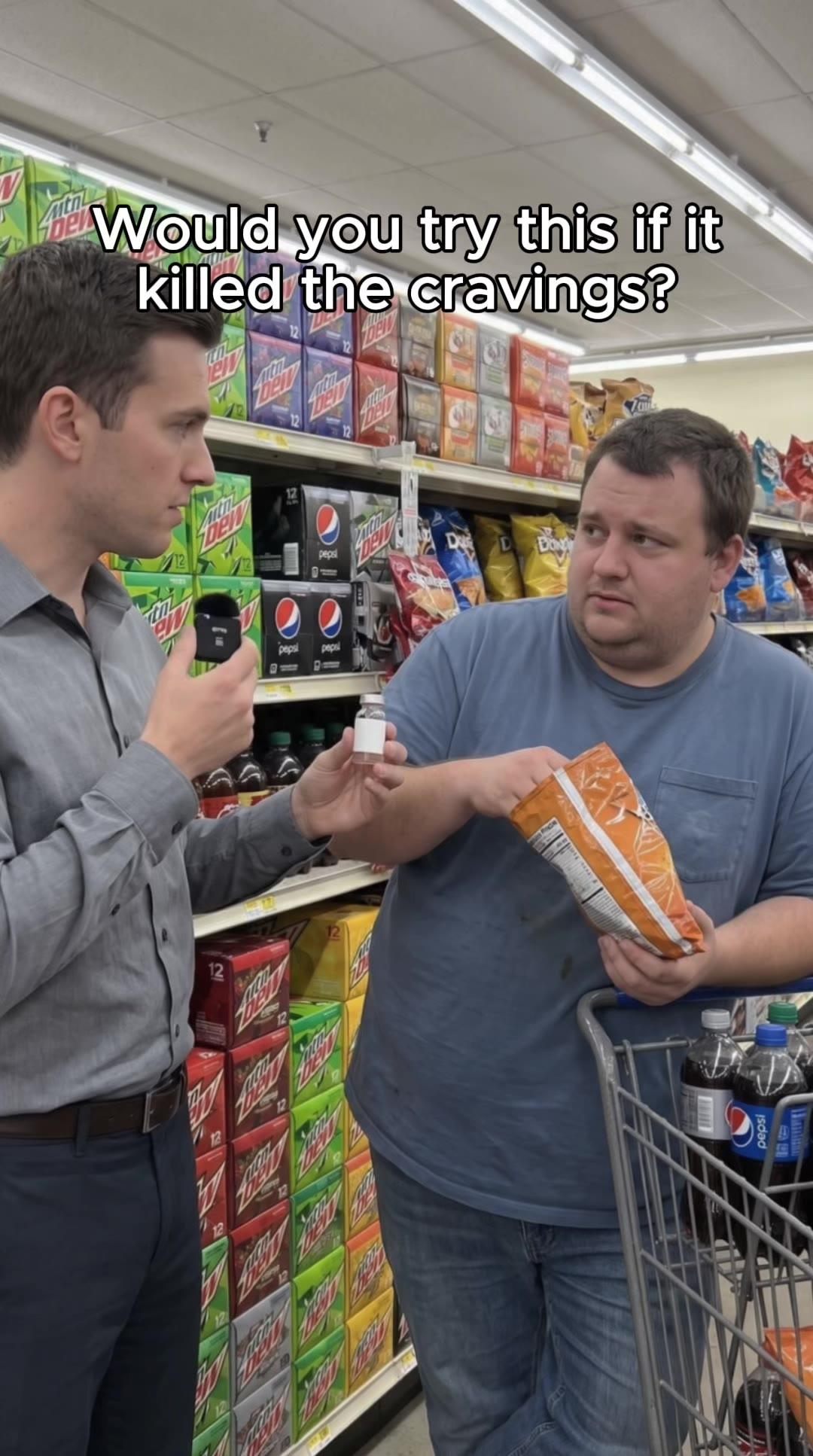
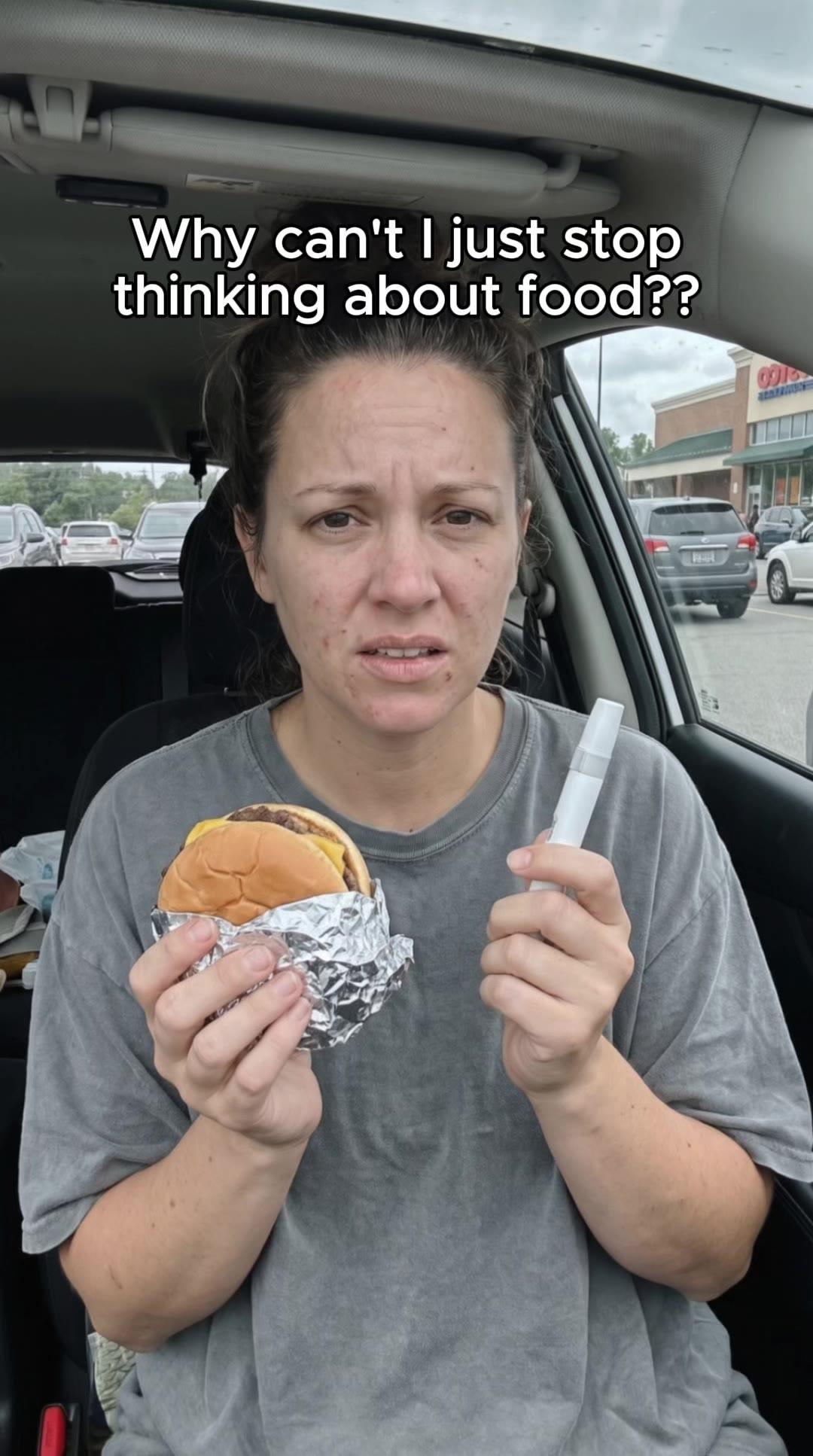

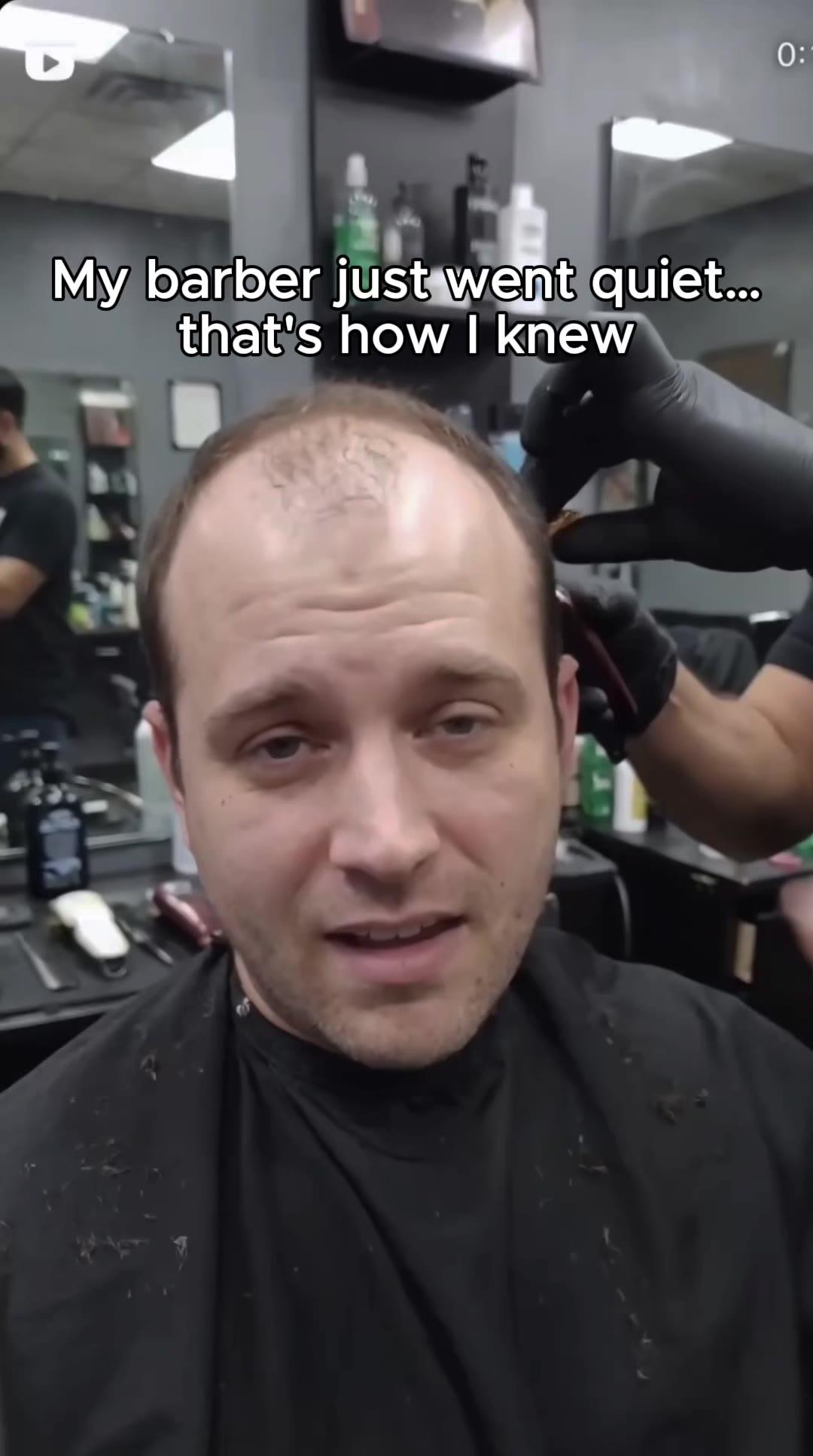




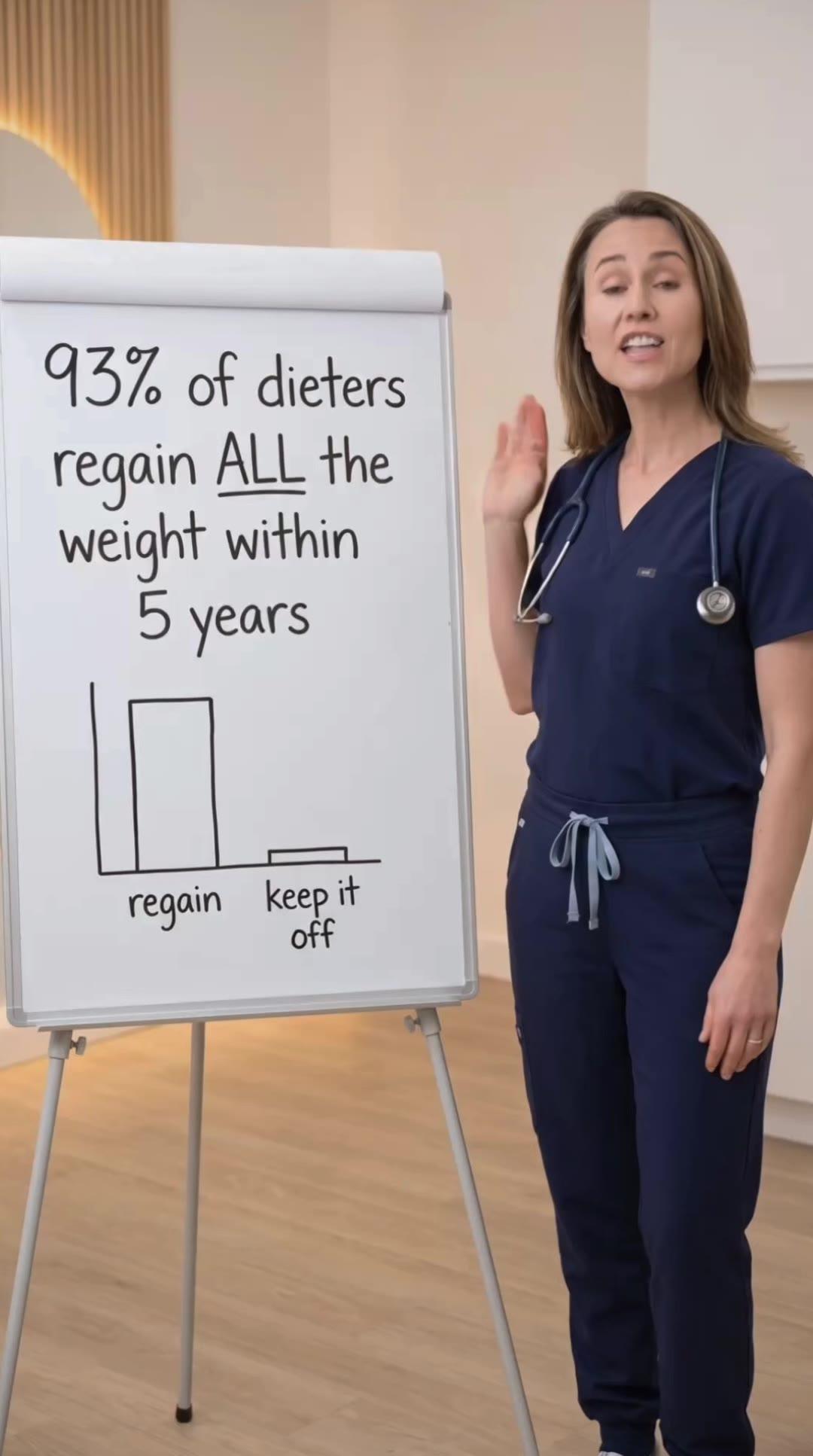
The NextMed FTC case is the most significant enforcement action against a GLP-1 telehealth brand to date, and almost every founder in this space should read it closely. In July 2025, the FTC reached a settlement with NextMed Health after alleging that the company made deceptive claims about weight loss outcomes, used before-and-after imagery that misrepresented typical consumer results, and buried material pricing disclosures in ways that violated Section 5 of the FTC Act. This was not a cautionary letter — it was a formal enforcement action with financial penalties and a multi-year compliance order that will follow the company.
What makes the NextMed case worth studying is not just what they did wrong, but how ordinary their advertising looked compared to what most GLP-1 telehealth brands are running right now. The FTC did not go after obvious fraud. They went after a company running the same kind of results-focused, before-and-after creative that fills GLP-1 ad accounts across Meta and TikTok every day. That is the warning worth internalizing.
What the FTC Alleged NextMed Did
The FTC's complaint against NextMed centered on three core areas. First, the company featured testimonials showing dramatic weight loss — figures in the range of 30 to 60 pounds — without adequately disclosing that these were not typical results. The FTC has a specific standard here: it is not enough to add "results not typical" in small print. Brands must either disclose what results a typical customer actually experiences, or substantiate that the testimonial results are genuinely representative. NextMed did neither.
Second, the FTC alleged that NextMed made express and implied claims that their compounded GLP-1 treatments would produce specific, quantified weight loss outcomes for a broad population of users. These were presented as near-certainties rather than possibilities subject to individual variation, lifestyle factors, and medical supervision. Third, NextMed was alleged to have structured its pricing and subscription disclosures in ways that obscured the true recurring cost of the program — a pattern the FTC has been targeting aggressively across all subscription-based health products, not just telehealth.
What the FTC Order Required
The NextMed consent order imposed several requirements that give you a clear picture of what the FTC expects from compliant GLP-1 advertising. The company was required to include clear and conspicuous disclosures of typical consumer results whenever it used testimonials or outcome claims. It had to stop using any before-and-after imagery unless that imagery was accompanied by a disclosure stating what results consumers typically achieve, supported by competent and reliable scientific evidence. The order also required that pricing disclosures appear in the same visual field as any price point mentioned in an ad — not buried in footnotes or behind a click.
The compliance period runs for 20 years, which is standard for FTC consent orders. This means NextMed must maintain detailed records of all advertising claims, all consumer complaints, and all evidence supporting any health-related statement for two decades. The administrative burden alone is significant. Most founders do not realize that FTC enforcement is not just about the fine — it is about the ongoing compliance infrastructure you are required to build and maintain afterward.
The Patterns That Attract FTC Attention
The FTC does not review every telehealth ad on the internet. They prioritize complaints, competitive intelligence from industry watchdogs, and patterns they identify through market surveillance. The GLP-1 category drew scrutiny for three specific reasons: the volume of consumer complaints about misleading weight loss promises, the rapid growth of the compounded semaglutide market attracting operators with limited compliance experience, and the outsized financial stakes for consumers who are paying out-of-pocket for ongoing treatment based on advertised outcomes.
If your GLP-1 ads include specific weight loss numbers without disclosure of typical results, before-and-after photos without adequate context, or testimonials from patients who experienced results significantly above the median, you are running the same risk NextMed took. The FTC does not require intent to deceive — they require only that reasonable consumers could be misled. That is a much lower bar than most founders assume.
This is what compliant telehealth creative looks like.
See the work →How to Audit Your GLP-1 Ads Right Now
Start with your testimonials. Pull every testimonial-based ad running in your account and ask two questions: does this person's result represent what a typical patient in your program achieves, and do you have data to prove that? If the answer to either question is no, you either need to add a clear disclosure of typical results or stop running that creative. The disclosure must be clear and conspicuous — not 6pt gray text on a white background, not a disclaimer that appears for half a second at the end of a video.
Next, look at your outcome language. Any phrase that promises specific results — "lose up to 20% of your body weight," "drop 40 pounds in 12 weeks," or similar — requires substantiation. That means you need published clinical data showing those results are achievable for a meaningful portion of users, not just cherry-picked case studies. The FTC standard is "competent and reliable scientific evidence," which in the weight loss context means well-controlled human clinical trials, not animal studies or patient anecdotes. See our guide to telehealth ad compliance for a full pre-launch review process.
What the NextMed Case Means for Compounded GLP-1 Brands Specifically
Compounded GLP-1 brands face an additional layer of risk that branded Ozempic or Wegovy prescribers do not. When you advertise a compounded medication, you cannot rely on the FDA-approved labeling for the branded drug to substantiate your claims. Compounded semaglutide does not have FDA-approved clinical trial data tied to your specific product. This means any outcome claim you make in advertising must be substantiated separately — you cannot simply point to the Wegovy clinical trials as proof that your compounded version produces the same results.
The FTC case also intersects with FDA warning letters about compounded GLP-1 products. When a brand receives FDA scrutiny about its product's claims and FTC scrutiny about its advertising claims simultaneously, the combined liability is substantial. If your telehealth brand is marketing compounded semaglutide or tirzepatide, review the FDA advertising rules for telehealth alongside FTC compliance requirements — they are two separate sets of obligations that your advertising must satisfy at the same time.
Building a Compliance Culture Before You Need It
The founders who sleep well at night are not the ones who have never made a compliance mistake — they are the ones who built review processes before a regulator showed up. A basic compliance review process for GLP-1 advertising includes: a pre-publication checklist for every ad (see our compliant ad copy guide), documented substantiation files for every health claim you make publicly, and a review step for any before-and-after creative that confirms disclosure language is present, clear, and accurate.
The NextMed consent order is public record. Anyone can read exactly what the FTC determined was deceptive and what they required to fix it. That document is also the clearest guide available to what compliant GLP-1 telehealth advertising looks like, written by the regulator itself. Read it, compare it to your current ads, and use the gaps as your compliance roadmap. The brands that will scale safely in the GLP-1 space are not the ones spending the most on ads — they are the ones building the processes that let them keep spending when others get shut down. Review our full breakdown of common telehealth ad compliance mistakes to identify other risk areas in your current campaigns.
Related Articles
Before-and-After Claims in Telehealth Ads: What the Rules Actually Say
FTC and platform rules for before-and-after imagery and claims in telehealth advertising. What you can show, what you must disclose, and what gets ads pulled.
Telehealth Ad Compliance Checklist
A step-by-step compliance checklist for telehealth advertising across Meta, Google, and TikTok. Use this before every campaign goes live.
Compliant Ad Copy for Telehealth: What You Can (and Can't) Say
Write telehealth ad copy that passes platform review and FDA compliance. Claim structure, disclaimers, and language that converts without getting flagged.
Common Telehealth Ad Compliance Mistakes and How to Avoid Them
The most common compliance errors telehealth brands make in paid advertising — and the specific fixes that keep your ads running.
Creative built to pass review, and convert anyway.
A 30-minute call. We audit your creative approach and show you exactly what a complete angle-format-hook system looks like for your vertical.