Advertising Compounded Skincare Formulas for Telehealth
A compounded skincare formula has no approved label to define what an ad can say. Federal law still sets a standard for its advertising, and FDA has shown which claims it objects to. What that means for custom formula, ingredient and comparison copy.
Concepts shown are internal creative studies, not client campaigns.



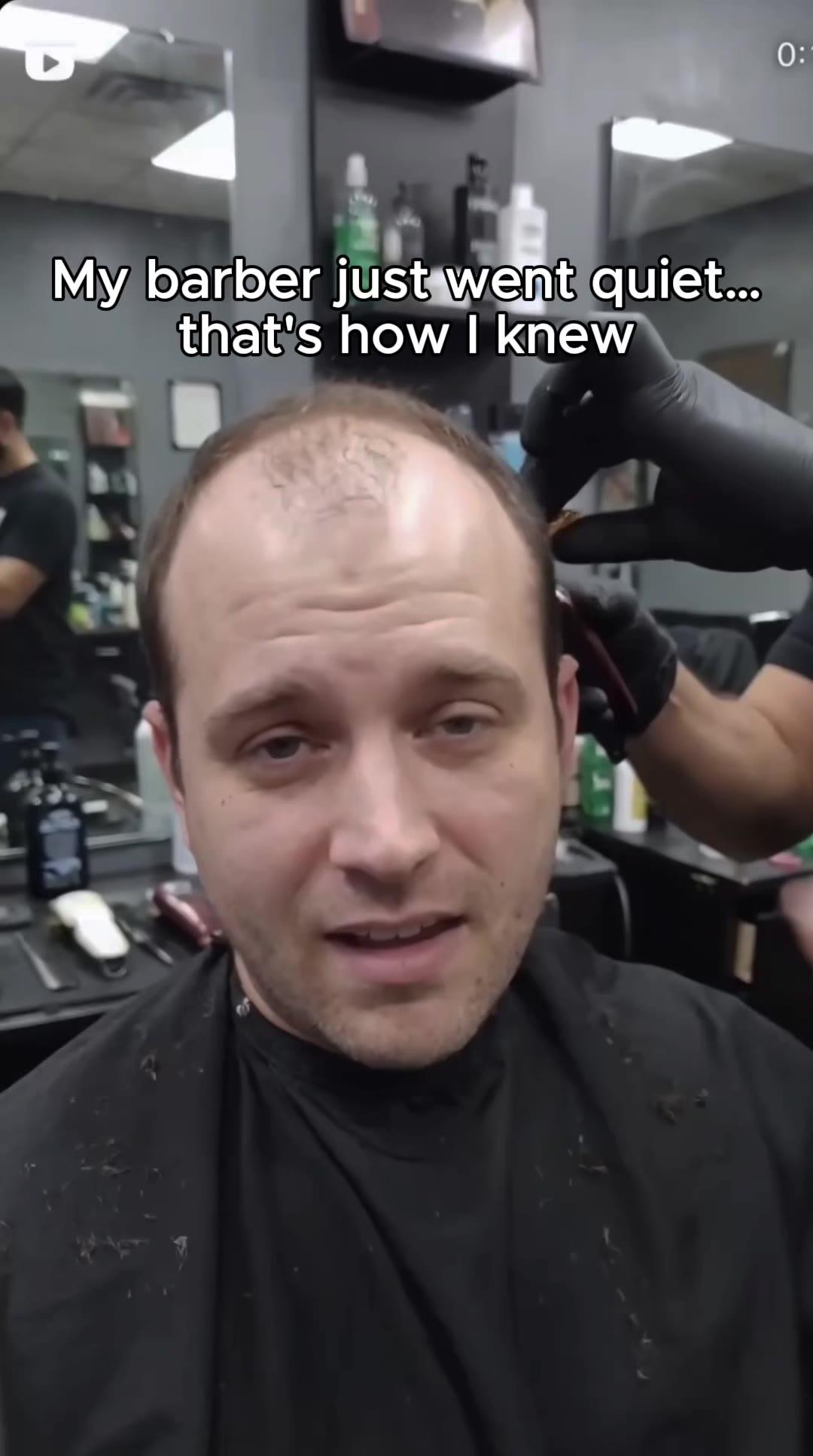





Many telehealth skin brands do not prescribe a branded product. They prescribe a compounded formula, often a combination cream prepared by a partner pharmacy, and they market it with words like custom, personalized and made for you. That marketing sits in a different place from an ad for an FDA-approved drug, and much of the confusion in this category comes from treating the two as the same.
For a branded product, the approved labeling marks the edge of what an ad can claim. A compounded formula has nothing equivalent, which is the gap our guide to prescription skincare advertising on Meta opens and does not fill. It is also why our anti-aging and prescription skin ad creative treats compounded formulas as their own brief. This piece covers the standard that applies, the claims FDA has objected to, and how custom, ingredient and testing language holds up against it.
What a Compounded Formula Is, in Regulatory Terms
The starting point is approval status. The FDA's compounding questions and answers state that compounded drugs are not FDA-approved, and that FDA does not verify the safety, effectiveness or quality of compounded drugs before they are marketed.
A formula prepared by a pharmacy for individual patients is typically compounded under section 503A of the Federal Food, Drug, and Cosmetic Act. The same FDA page describes these as drugs compounded by a licensed pharmacist in a state-licensed pharmacy or federal facility, or by a physician, and notes that unlike drugs made in outsourcing facilities, they are not subject to current good manufacturing practice requirements. FDA's December 2016 guidance, Prescription Requirement Under Section 503A, sets out the agency's policy on compounding for identified individual patients.
None of that has to appear in an ad. All of it shapes what an ad can truthfully imply about the product, the pharmacy and the patient.
The Standard Written for Compounded Drug Advertising
Compounded drugs can be advertised. An earlier federal provision that restricted pharmacies from promoting or advertising particular compounded drugs was struck down by the Supreme Court in Thompson v. Western States Medical Center in 2002, in a 5 to 4 decision that held the restriction violated the First Amendment.
What applies instead is a specific misbranding standard. Under 21 U.S.C. 352(bb), section 502(bb) of the Act, a compounded drug is misbranded if its advertising or promotion is false or misleading in any particular. That subsection was added by Public Law 113-54 in November 2013.
In any particular is a low threshold. One misleading line in a caption, a voiceover or a landing page headline can be enough, whatever the rest of the ad says. The FTC's substantiation standard for health claims applies alongside it, so a claim that is not misleading still needs support. Our guide to compounded versus name-brand medication advertising rules covers how those obligations differ from the rules for branded drugs.
The Claims FDA Has Objected To
FDA's recent enforcement shows how the standard is read. In a warning letter dated February 20, 2026 to a telehealth company selling compounded GLP-1 products, FDA cited section 502(bb) and objected to claims that the products had the same active ingredient as named brand-name drugs. FDA said those comparisons implied the products had been FDA-approved or otherwise evaluated. The same letter objected that the company's materials suggested it was the compounder when it was not.
That letter concerned weight loss products, but the two patterns translate directly to skincare. A compounded cream described as containing the same active ingredient as a named branded retinoid invites the same reading. And a brand that presents a formula as its own creation, when a partner pharmacy compounds it, risks the second objection.
The practical rule is to write as if every comparison, and every line saying the brand makes the formula, will be read literally. Say who compounds the formula. Avoid naming branded products in the same breath as the formula. Avoid any phrasing that could suggest FDA has approved or evaluated what the patient receives.
This is what compliant telehealth creative looks like.
See the work →Custom and Personalized Claims
Custom is a common word in compounded skincare marketing, and it is a factual claim. It tells the viewer that the formula she receives is made for her in particular. Whether that is true depends on how the brand actually operates.
If a clinician reviews each patient and prescribes from a range of strengths and combinations based on that review, custom may be accurate. If most patients receive one of a small number of standard formulas, an ad that implies a formula built from scratch for each person can mislead, and under section 502(bb) a misleading implication is enough. The words personalized and made for you carry the same risk.
A related issue sits underneath this. FDA's January 2018 guidance on compounded drug products that are essentially copies of a commercially available drug product addresses the section 503A condition that compounders not regularly or in inordinate amounts compound essentially copies of commercially available drugs. Marketing that presents a compounded formula as interchangeable with a branded product sits badly with that framework, which is one more reason to leave branded comparisons out. How the brand's formulas relate to commercially available products is a question for regulatory counsel, not for ad copy.
Ingredient and Mechanism Copy
Combination formulas invite ingredient lists, and ingredient lists invite claims. Each benefit statement attached to an ingredient is a claim about the formula, and a compounded formula has no approved label to fall back on. A claim that a particular ingredient in the cream does something to skin needs support that applies to the formula as prescribed, not to the ingredient in a different product or strength.
The safer approach is to name what is in the formula, if the brand wants to, without attaching outcomes to each component, and to keep any mechanism language neutral, sourced and clearly about the category rather than about what the viewer will see. The same FDA line between cosmetic and drug claims applies here as it does to any skincare copy.
Formulation and Testing Claims
Dermatologist-formulated, clinically tested and backed by research are all claims of fact. Each has to be true, and each has to mean what a reasonable viewer would take it to mean. A formula reviewed by a physician is not necessarily a formula a dermatologist developed. A formula whose ingredients have been studied is not a formula that has been tested.
The FTC's Health Products Compliance Guidance, published on December 20, 2022, requires competent and reliable scientific evidence for health claims. Testing and research claims about a compounded formula need evidence about that formula. If the evidence is about something else, the claim needs to say so precisely or come out. Our guide to whether you can advertise compounded medications online covers the wider limits on compounded medication claims.
The Platform Layer
None of this changes the platform rules. A compounded prescription formula is still a prescription drug for advertising purposes. Meta's Drugs and Pharmaceuticals standards still require telehealth providers to be certified with LegitScript, still prohibit targeting prescription drug ads to people under 18, and still limit targeting to eligible countries. Compounding adds legal requirements on top of the platform ones. It does not replace them.
What Survives Review
Compounded skincare ads that hold up describe the service accurately. A clinician reviews the patient. A licensed pharmacy, named or described accurately, prepares the formula. The formula is individualized only to the extent that it really is. There is no comparison to a branded product, no suggestion of FDA approval, no benefit attached to individual ingredients, and no testing or formulation claim the brand cannot document. The landing page, the quiz and the checkout say the same things as the ad, because the standard applies to advertising and promotion wherever the viewer meets it, not only to the creative.
The Short Version
Compounded skincare formulas can be advertised, but they are not FDA-approved and have no label to define their claims. Under section 502(bb), their advertising cannot be false or misleading in any particular. FDA has objected to same-ingredient comparisons that imply approval and to materials suggesting a company compounds what a partner pharmacy makes. Keep custom claims true to how the brand operates, leave branded products out, keep ingredient copy free of outcomes, and document every testing or formulation claim.
Related Articles
Prescription Skincare Advertising on Meta, What Gets Approved
How Meta reviews prescription skincare ads. Cosmetic rules versus prescription rules, before and after imagery, age targeting, and where claims cross over.
Tretinoin Ad Creative for Telehealth Brands
Tretinoin ad creative angles for telehealth brands: the adjustment window, prescription versus shelf, the not-yet-injectables buyer, and an honest timeframe.
Why Prescription Skincare Brands Lose Patients in the First Weeks
Prescription skincare patients often stop in the first weeks. What that costs a subscription brand, and why the expectation set in the ad matters.
Compounded vs Name-Brand Medication Advertising Rules
FDA and FTC rules apply differently to ads for compounded vs brand-name medications. The key differences and what they mean for telehealth brands offering both.
Creative built to pass review, and convert anyway.
A 30-minute call. We audit your creative approach and show you exactly what a complete angle-format-hook system looks like for your vertical.