Can You Advertise Compounded Medications Online?
A plain-English answer for telehealth founders. What is allowed in 2026, where the lines are, and how to stay on the right side while you grow.
Concepts shown are internal creative studies, not client campaigns.
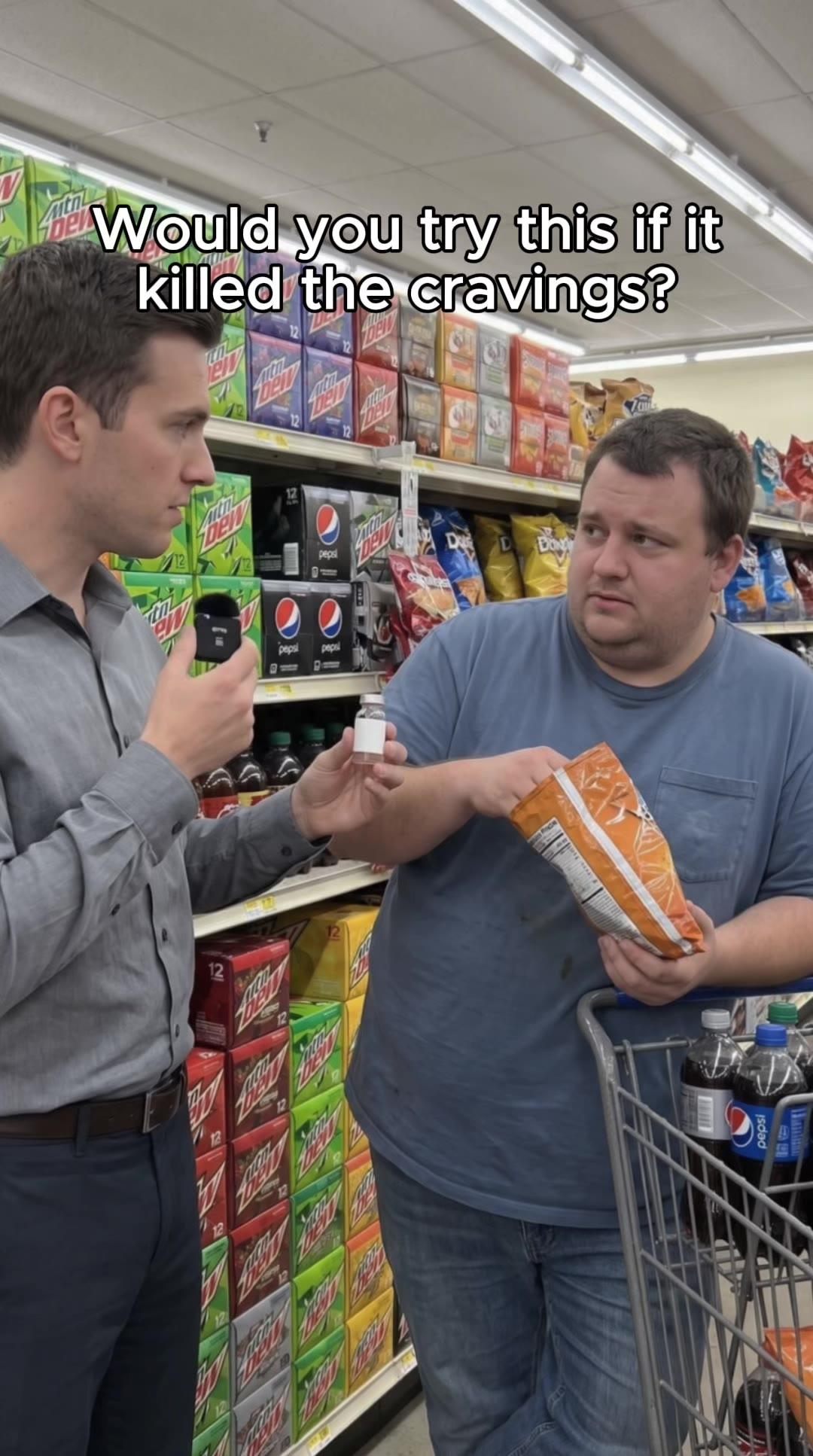
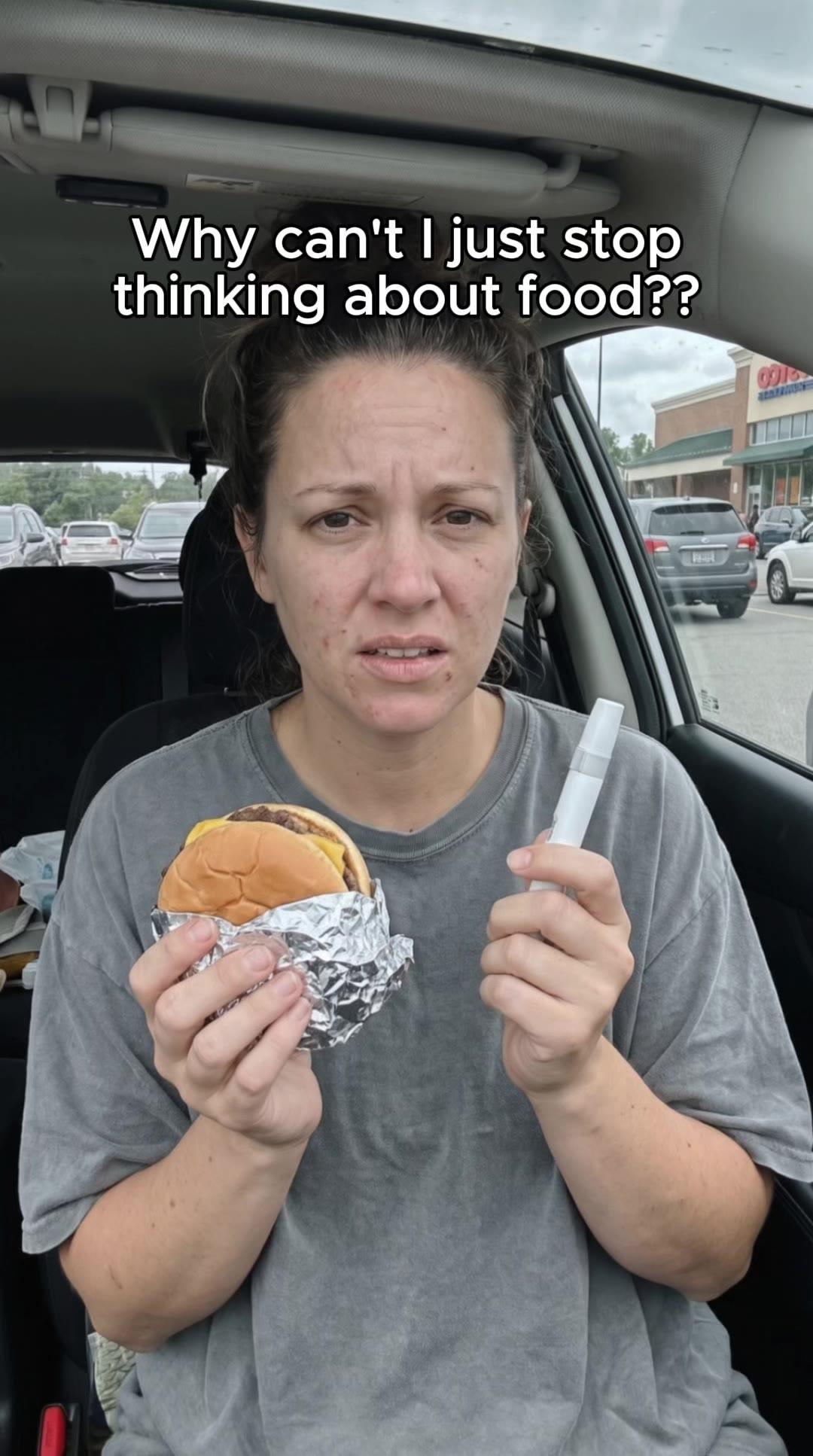







Yes, you can advertise compounded medications online. Telehealth brands have built large businesses around compounded semaglutide, tirzepatide, peptides, hormone therapies, and other compounded products. The category is legal, the platforms allow it within their policies, and the regulators have not banned it. But there is a meaningful gap between "yes, you can" and "yes, here is how you do it without burning your ad accounts or drawing FDA attention." That gap is what most founders need to understand.
Here is the plain-English answer.
The Three Layers of Compounded Medication Advertising
Layer one: federal regulation. The FDA and FTC oversee how compounded medications can be marketed at the federal level. Compounded drugs are not FDA-approved in the conventional sense, which limits the claims you can make about them.
Layer two: state regulation. State pharmacy boards and telemedicine boards have their own rules about compounding, prescribing, and marketing. Several states have tightened these rules in 2025-2026.
Layer three: platform policy. Meta, Google, TikTok, and YouTube each apply their own healthcare advertising policies, which interact with but are not the same as federal or state rules.
A compliant compounded medication ad has to clear all three layers. Brands that focus on one layer and ignore the others tend to find themselves on the wrong side of at least one regulator.
What You Can Advertise
Telehealth services that include compounded medication prescribing. The service itself is the primary offering; the medication is part of the clinical workflow. Most successful compounded medication brands market it this way.
Specific clinical use cases for the medication, framed around mechanism and process rather than outcome promises. "Compounded semaglutide is a personalized formulation of a GLP-1 receptor agonist." Acceptable mechanism language.
The qualification and consultation process. Process transparency is consistently approvable across all three regulatory layers.
The pharmacy partnership. Identifying your 503A or 503B pharmacy partner, their licensure, and their accreditation builds trust and is generally encouraged.
What You Cannot Advertise
Compounded medications as equivalent to FDA-approved brand-name versions. Claims of equivalence trigger FDA concern and are explicit policy violations on most platforms.
Specific outcome guarantees. The same outcome-claim rules that apply to brand-name medications apply to compounded ones, and the FDA scrutiny on outcome claims has tightened in 2026.
Compounded medications outside their permitted clinical context. Personal-use compounding rules vary by state, and marketing that implies broad availability where state restrictions apply creates exposure.
Pricing that does not reflect material subscription terms. FTC has named compounded medication subscription brands as a 2026 focus area.
This is what compliant telehealth creative looks like.
See the work →State-Level Considerations
Several states have tightened their compounding and telemedicine prescribing rules in 2025-2026. Some require additional prescriber documentation, some limit compounded versions of specific medications, and some have specific marketing language requirements for compounded products.
National creative needs to account for the strictest applicable state without naming geographic restrictions in the ad itself. State-specific landing page language can handle the variation downstream.
For more, see state telehealth advertising rules.
Platform-Specific Notes
Meta tolerates compounded medication advertising as long as creative respects healthcare and personal-attribute policies. Most compounded GLP-1, TRT, and peptide brands run on Meta successfully.
Google requires LegitScript certification for any pharmacy or telehealth brand prescribing medications. Compounded medication brands are not blocked from LegitScript, but the application requires clean documentation.
TikTok is strict on healthcare advertising, with a higher rejection rate for compounded medication content. Platform-native creative is required; cross-posting from Meta usually does not work.
FDA Risk Patterns
FDA warning letters for compounded medication telehealth typically focus on outcome claims, equivalence claims to FDA-approved brand-name medications, and direct prescribing language that implies medical advice. Brands that lead with provider authority and process transparency draw less attention.
The brands that get warning letters tend to share patterns: aggressive outcome claims, equivalence framing, and weak provider visibility. Avoiding these patterns is the most effective regulatory defense.
The Short Version
You can advertise compounded medications online in 2026. The path is to position the offering as a telehealth service that includes compounded prescribing, lead with mechanism and process, respect state-by-state restrictions, and stay inside platform healthcare policies. Brands that operate this way scale. Brands that lean on outcome claims, equivalence framing, and aggressive pricing tactics draw regulator attention and platform restrictions.
Related Articles
Compounding Pharmacy Telehealth Ads
A deeper dive on compounding pharmacy advertising.
Compounded Semaglutide Advertising
GLP-1-specific compounded medication advertising.
Tirzepatide Telemedicine: How to Market It Without Getting Flagged
Compounded tirzepatide marketing playbook.
State Telehealth Advertising Rules
How state-level rules affect telehealth advertising.
Why TikTok Bans Compounded Medication Ads
TikTok's compounded drug ban is wider than most advertisers expect. How detection works, and what it costs you at the account level.
Creative built to pass review, and convert anyway.
A 30-minute call. We audit your creative approach and show you exactly what a complete angle-format-hook system looks like for your vertical.