FTC Endorsement Rules for Paid Telehealth Creators
The FTC's 2023 updates to its endorsement guides changed how paid creator partnerships must be disclosed in telehealth advertising. What changed, what your creator contracts need to require, and how to handle disclosure in short-form video.
Concepts shown are internal creative studies, not client campaigns.
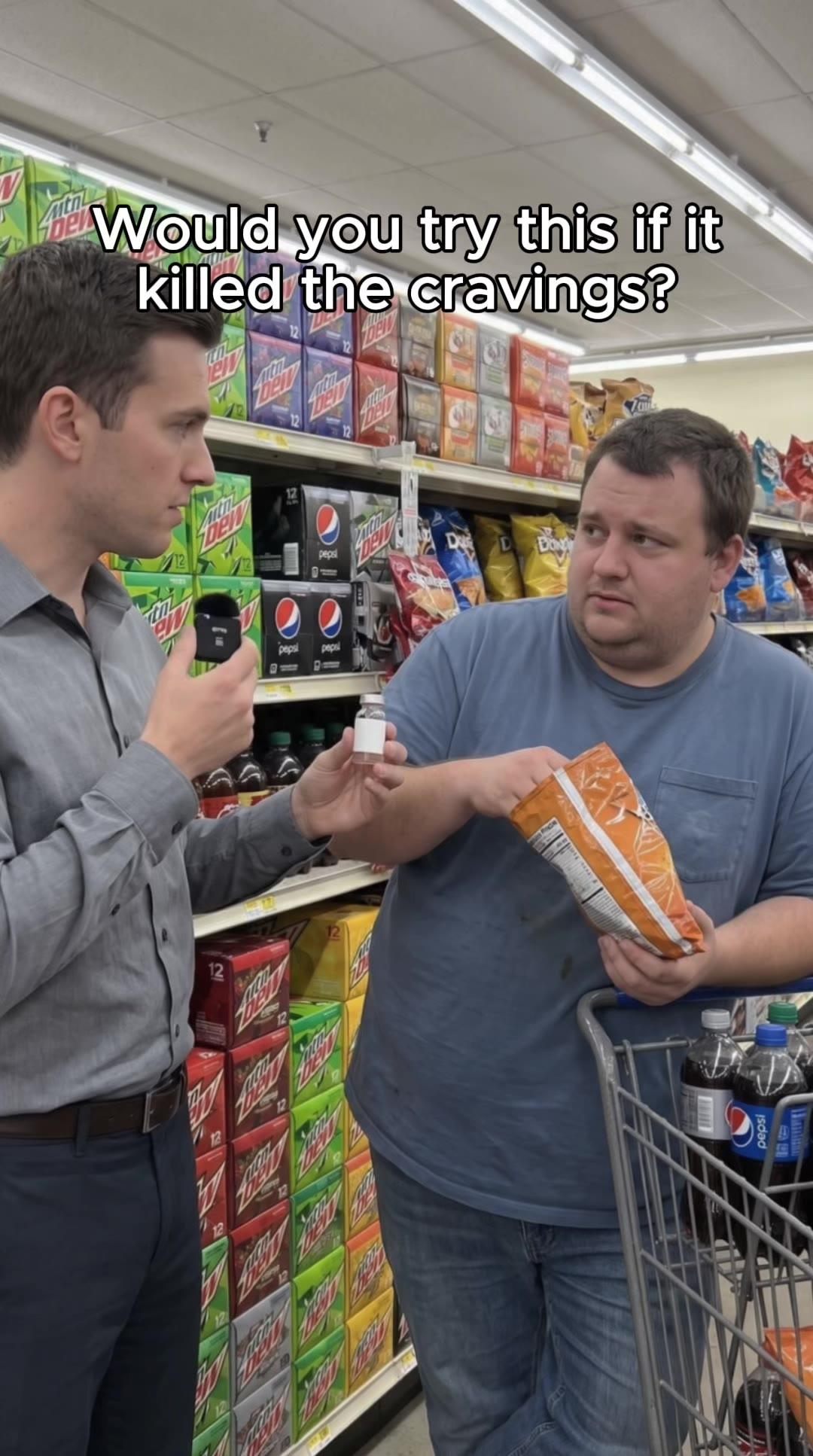
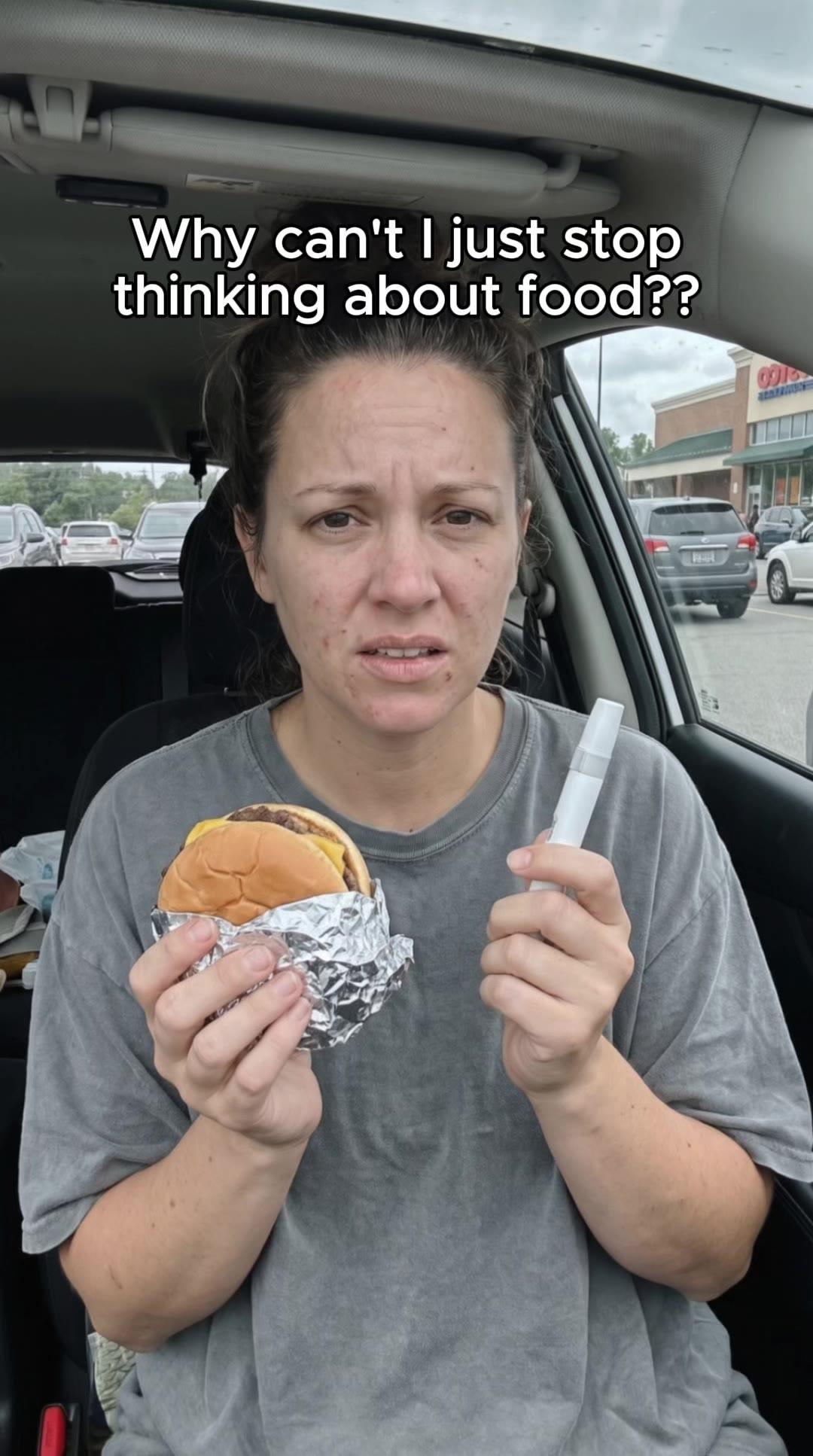
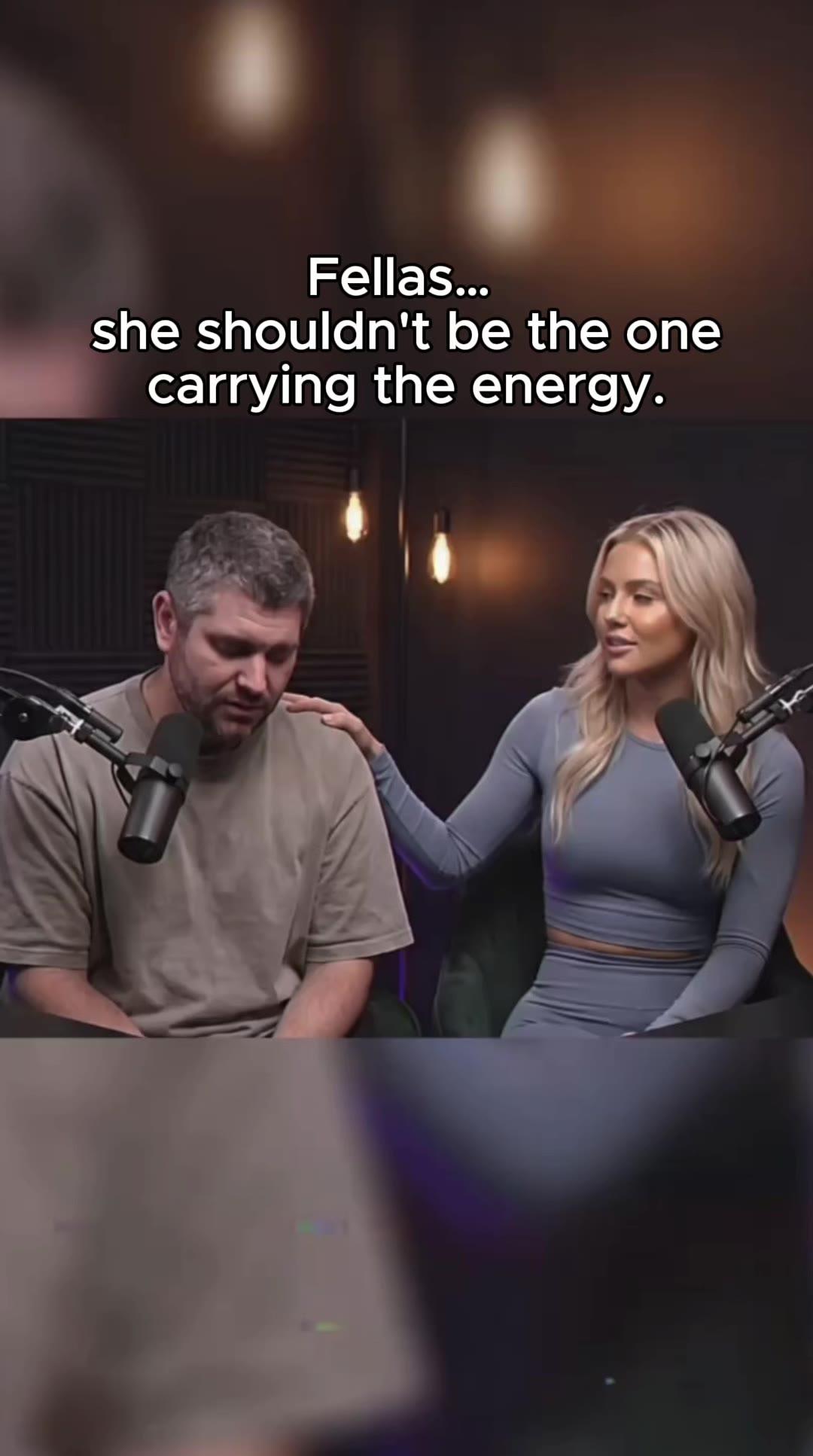
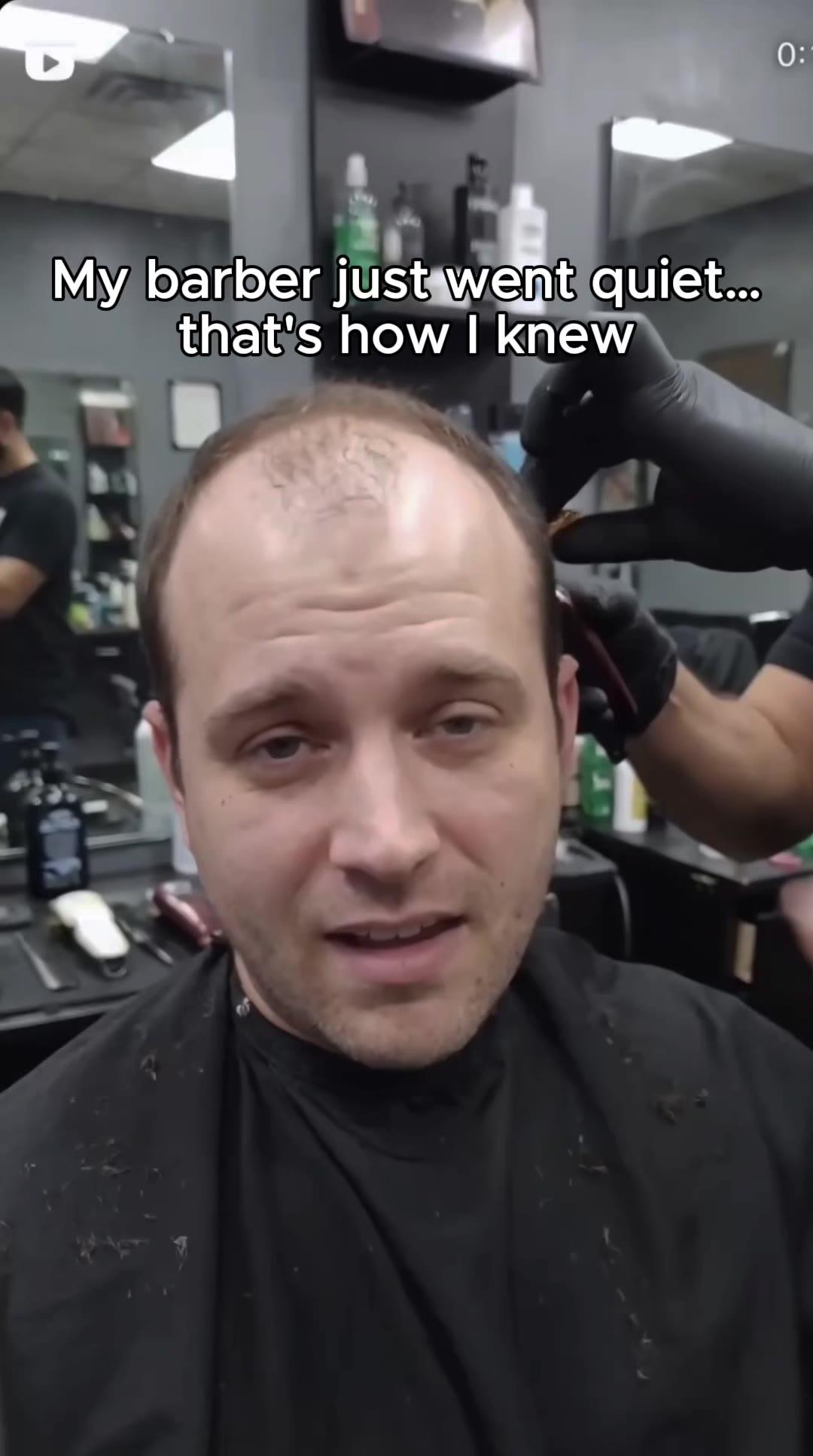

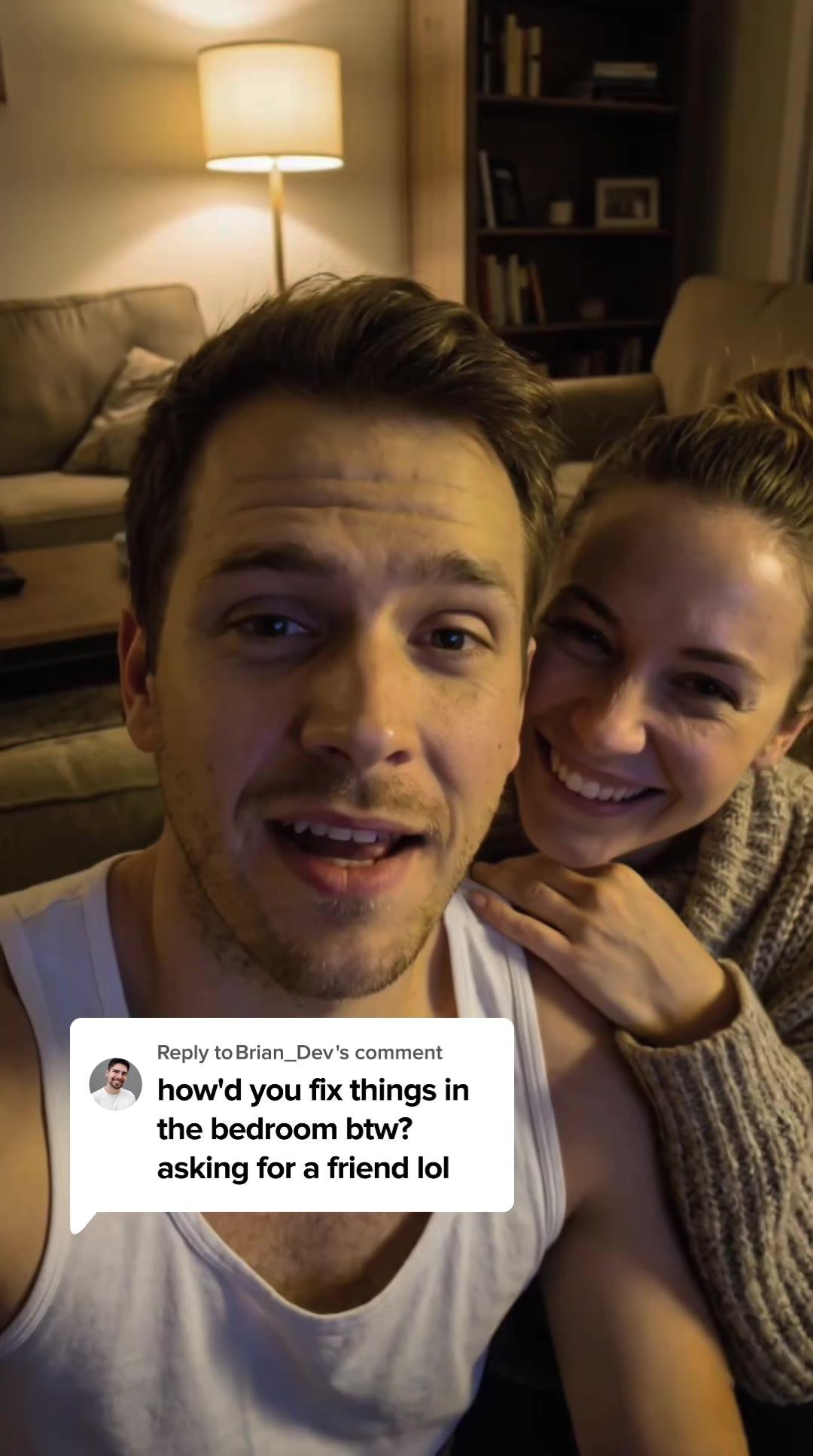

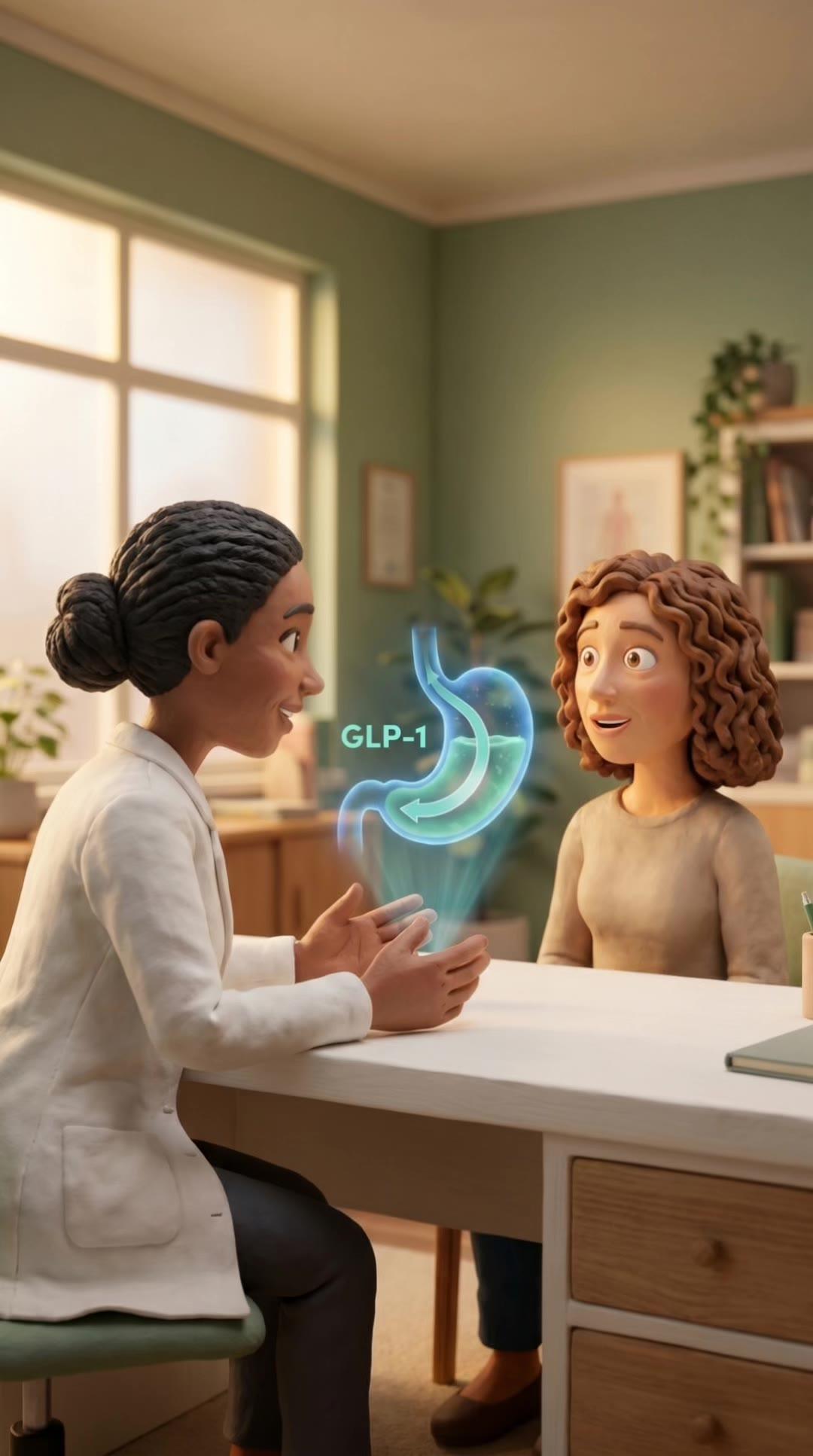
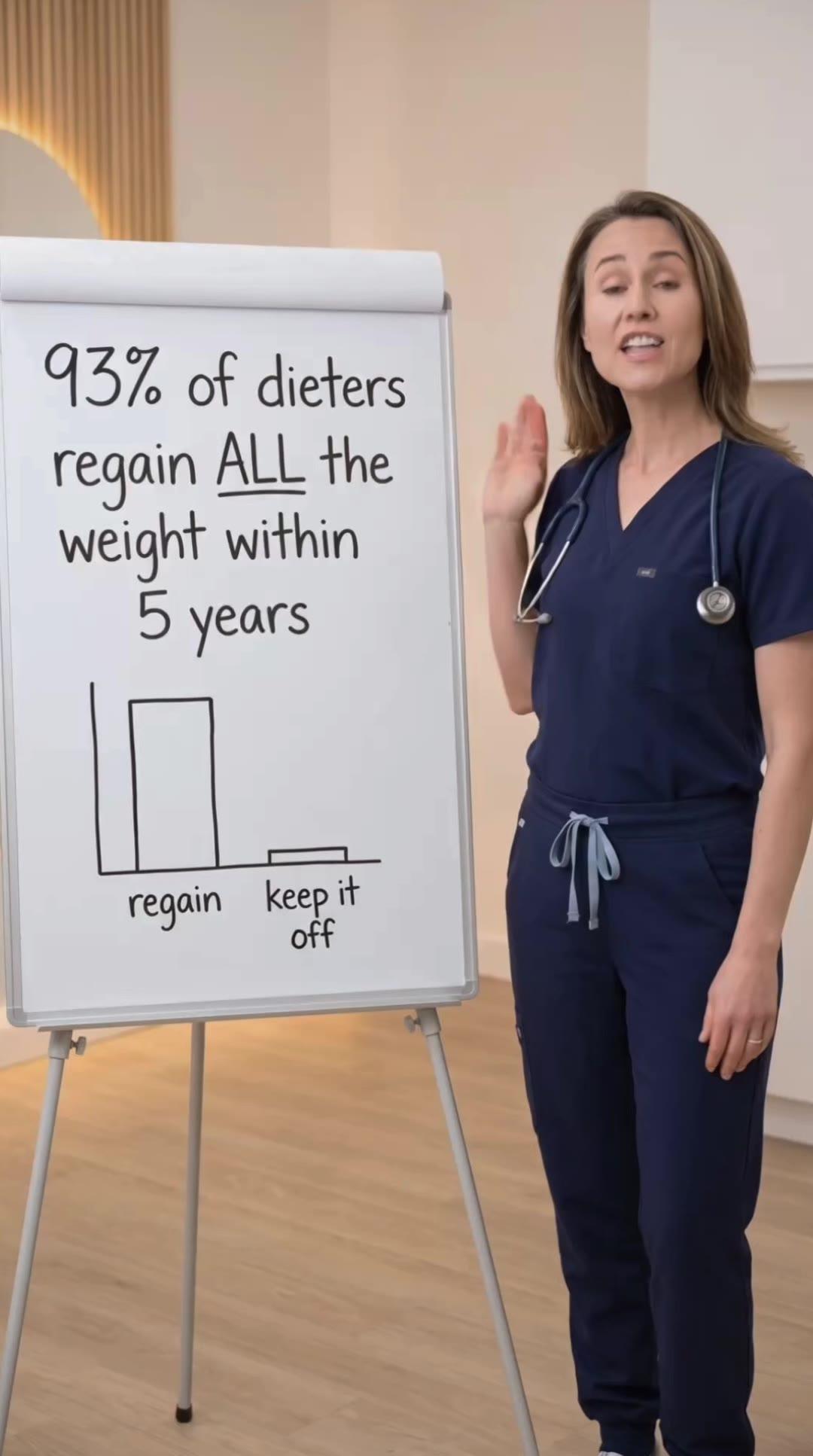
FTC endorsement rules for paid telehealth creators are more demanding than most brands and creators realize — and the 2023 updates to the FTC's Guides Concerning the Use of Endorsements and Testimonials in Advertising raised the bar further. If your telehealth brand works with UGC creators, patient ambassadors, physician influencers, or any other person who receives compensation — including free products, discounted services, or affiliate commissions — in exchange for creating or posting content about your brand, those FTC rules apply to every piece of content that person produces in connection with your brand.
The stakes in telehealth are higher than in most other categories because healthcare advertising is already under heightened FTC scrutiny, and because consumer trust in medical decisions is so consequential that the FTC treats deceptive health advertising as a priority enforcement area. An influencer or creator who fails to properly disclose their relationship with your telehealth brand creates FTC liability for both the creator and the brand — and in the health category, the brand is typically the primary enforcement target.
What the 2023 Endorsement Guide Updates Changed
The 2023 updates to the FTC's endorsement guides formalized several positions the FTC had taken in previous enforcement letters and made them binding policy. The most significant changes for telehealth brands: the guides now explicitly cover endorsements made by means of tags, likes, pins, and other social media interactions — not just written or spoken endorsements. A creator who consistently "likes" or shares your brand's content in exchange for compensation must disclose that relationship in those interactions.
The 2023 guides also addressed virtual influencers and AI-generated personas — stating that if a marketer creates a virtual influencer and uses it to endorse its own products, the connection between the marketer and the influencer must be disclosed. This has direct implications for telehealth brands that use AI-generated personas in their marketing, as discussed in our guide to AI-generated people in telehealth ads. Additionally, the 2023 guides strengthened the requirement that endorsers must have used the endorsed product — a creator who claims to use your GLP-1 program but does not actually use it is making a false statement that exposes both the creator and the brand to FTC action.
The Clear and Conspicuous Disclosure Standard
The FTC's disclosure standard is "clear and conspicuous" — the disclosure must be presented in a way that is noticeable, readable, and understandable to a typical consumer. For video content, this means: audio disclosure (not just text overlay) when the content is primarily audio/video; disclosure at the beginning of the content, not buried after engagement has already occurred; disclosure language that a typical viewer would actually understand as indicating a paid relationship ("I'm being paid to share this," "ad," "sponsored" — not vague terms like "partner," "collab," or "in partnership with [brand]" that research shows consumers often do not recognize as paid advertising disclosures).
TikTok and Instagram both have built-in paid partnership disclosure tools. Using these tools does not automatically satisfy the FTC's clear-and-conspicuous standard — they are platform features, and the FTC evaluates compliance based on its own standard rather than the presence of a platform label. But using these tools consistently, combined with explicit disclosure language in the creator's caption or audio, is the current best practice for meeting both platform policy and FTC requirements simultaneously.
What Compensation Triggers Disclosure Requirements
The FTC's material connection requirement covers any relationship that might affect how a consumer evaluates the endorsement. Compensation includes cash payments, free products or services, discounts, commissions on sales, gifts, and employment relationships. For telehealth brands, this means: a patient who receives a free consultation month in exchange for a testimonial video must disclose the free service; an affiliate creator who earns a percentage of new patient sign-ups they refer must disclose the commission; an employee who posts about the brand on their personal account must disclose their employment relationship.
Family and personal relationships also require disclosure when the connection might affect consumer perception. A founder's family member who posts about the telehealth brand must disclose the family relationship. An advisor or investor who regularly recommends the brand must disclose the financial relationship. The disclosure requirement follows the relationship, not just the explicit payment — which is why many telehealth brands have undisclosed compliance issues in their organic social content that they are unaware of.
This is what compliant telehealth creative looks like.
See the work →What Creator Contracts Must Require
Your creator agreements should include specific disclosure requirements, not just general compliance language. The contract should state that the creator must disclose the material connection in every piece of content related to the brand, including posts, stories, comments, reposts, and any other form of engagement; that the disclosure must use clear language that a typical consumer will understand as indicating a paid relationship; and that the creator must not make any claims about the brand's products or services that they have not personally experienced or that are not substantiated.
The contract should also give your brand approval rights over content before publication — both to ensure compliance with disclosure requirements and to ensure that any health claims in the content are consistent with your brand's substantiated claim set. A creator who makes an unsupported health claim about your GLP-1 program in a social post creates FTC liability for your brand even if the creator did not intend to make a deceptive claim. Pre-publication review prevents this. See our guide to testimonial rules for telehealth ads for the content standards that apply to creator and patient testimonials.
Physician and Medical Professional Endorsements
Medical professional endorsements carry the full weight of the FTC's expert endorsement rules, in addition to the general endorsement disclosure requirements. A physician who endorses your telehealth brand in any format — social media, podcast, video — must disclose any material connection to your brand. This includes employment, contract relationships, equity stakes, advisory arrangements, and free product or service access. Medical professional endorsers who hold professional licenses have additional disclosure obligations under some state medical board rules that go beyond FTC requirements.
The expert endorsement requirement also means that the physician's endorsement must reflect their genuine professional opinion. A physician who endorses your GLP-1 program without having clinical experience with the program — or who makes claims in the endorsement that go beyond their genuine professional assessment — creates liability for both the physician and the brand. This is not a case where a scripted testimonial that the physician reads verbatim is fine — the FTC requires that expert endorsements reflect genuine expert opinion, which means the physician needs to have actual experience and a genuine positive assessment to endorse compliantly.
Building a Compliant Creator Program
A compliant telehealth creator program has four components: clear contracts that specify disclosure requirements and pre-publication review rights; onboarding that educates creators on what they can and cannot say about your specific products; pre-publication review for every piece of sponsored content; and ongoing monitoring of creator posts to catch any posts that did not go through the review process or that introduce non-compliant claims after initial approval.
The monitoring component is underestimated by most brands. Creators often post additional content about a brand beyond what was contracted — follow-up videos, response videos to comments, Q&A sessions — that was not reviewed. Any of this content, if it makes claims about your brand and the creator has an undisclosed or disclosed material connection, falls under the FTC endorsement rules. Building a consistent monitoring process for creator content — not just the contracted deliverables — is part of what it means to have a compliant creator program in the health advertising category.
Related Articles
Testimonial Rules for Telehealth Ads: What the FTC Actually Requires
FTC rules for patient testimonials in telehealth advertising. Disclosure requirements, typical results, and what makes a testimonial deceptive.
Why Suppressing Bad Reviews Is an FTC Violation
The FTC's rule on review suppression prohibits practices common in telehealth marketing. What counts as suppression and what your review strategy needs to change.
Can I Use Patient Stories in Telehealth Ads
HIPAA considerations, FTC disclosure requirements, and platform policies for using patient stories in telehealth advertising.
The Typical Results Disclosure Threshold for Weight Loss Ads
What the FTC actually requires you to disclose about typical results when you run testimonials in weight loss and GLP-1 telehealth advertising.
Creative built to pass review, and convert anyway.
A 30-minute call. We audit your creative approach and show you exactly what a complete angle-format-hook system looks like for your vertical.