Can You Use Patient Stories in Telehealth Ads?
A plain-English guide for founders on using patient stories in telehealth ads. Consent, compliance framing, and the format that keeps testimonials approved while building real trust.
Concepts shown are internal creative studies, not client campaigns.

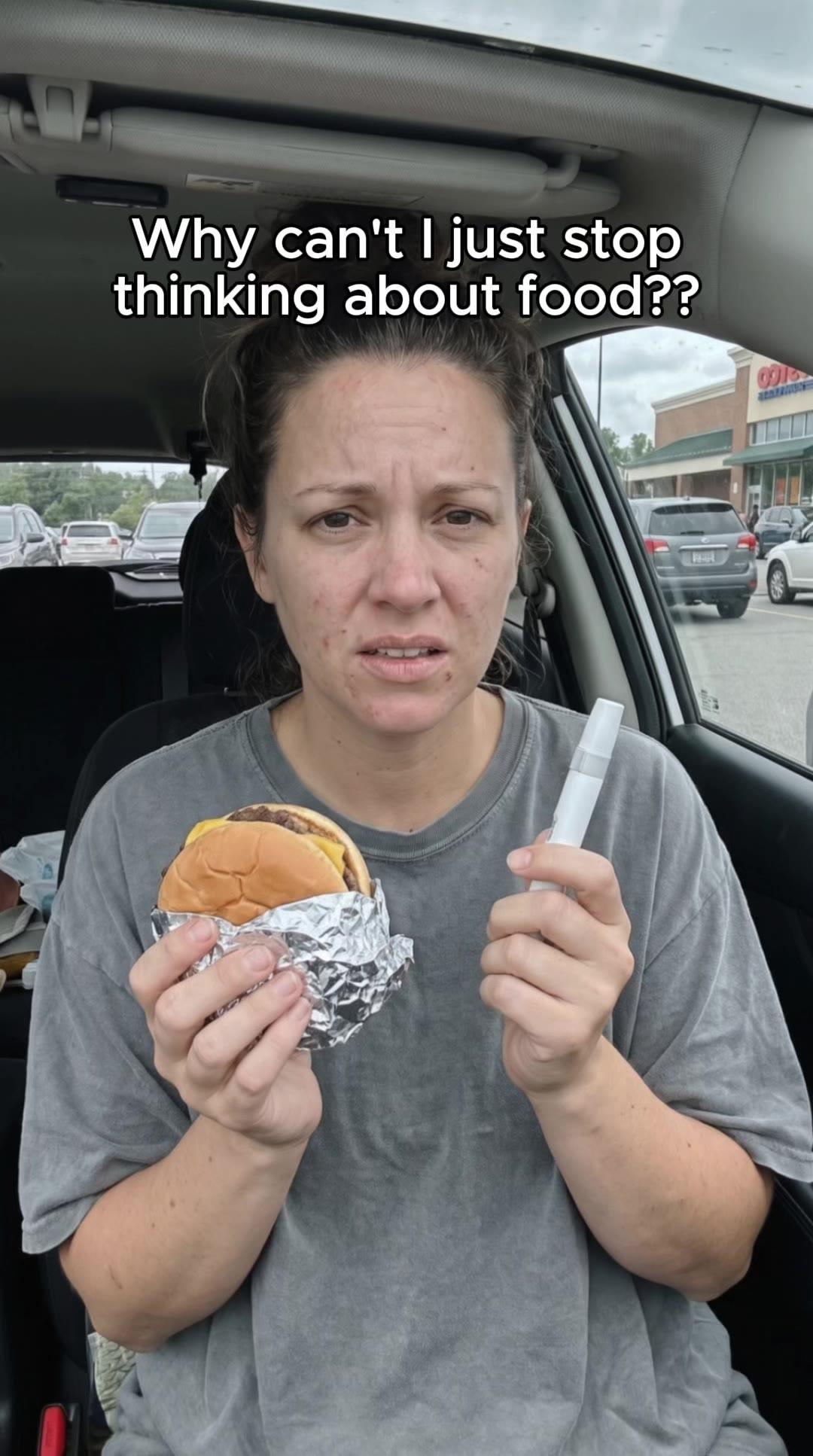

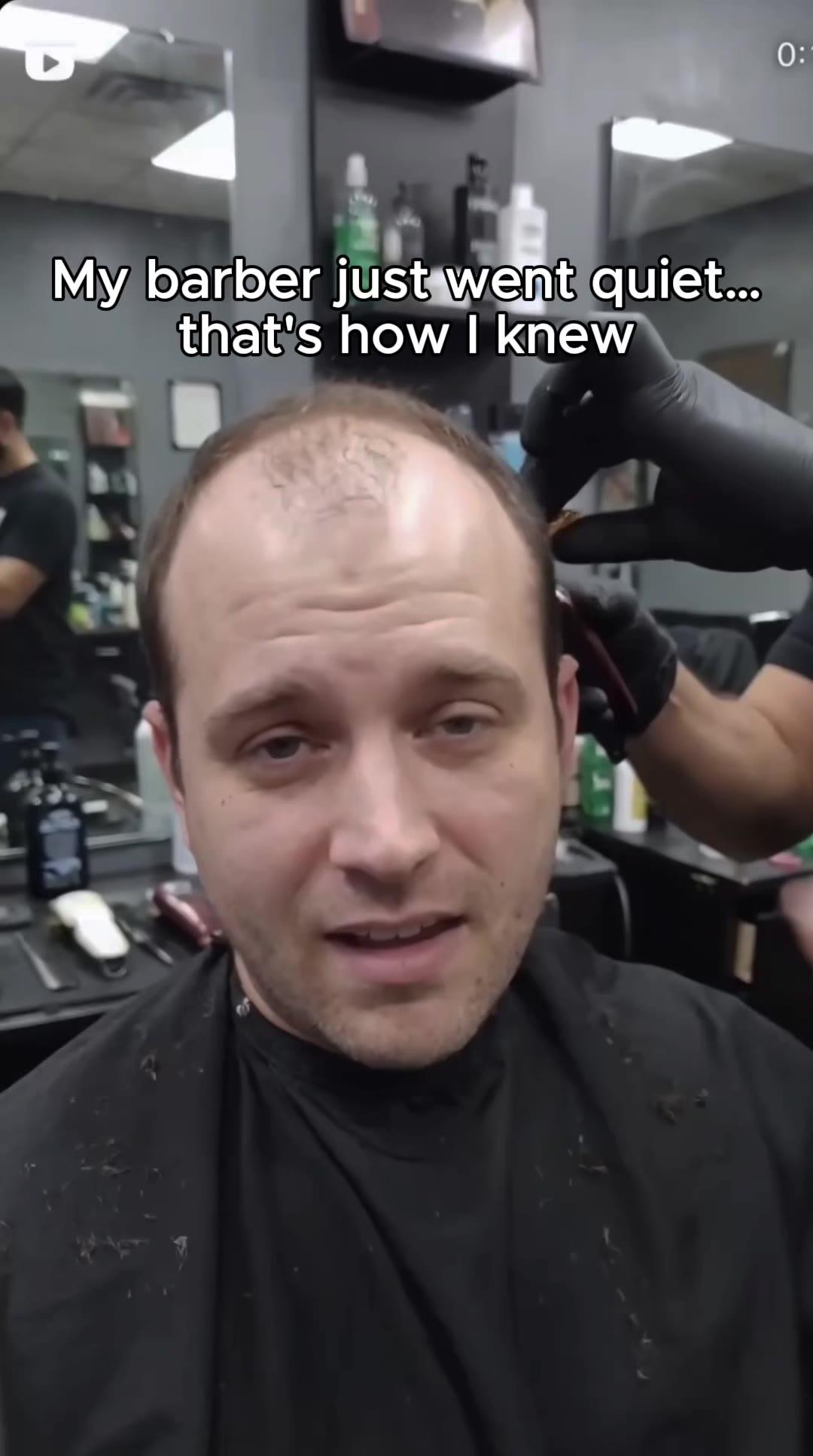




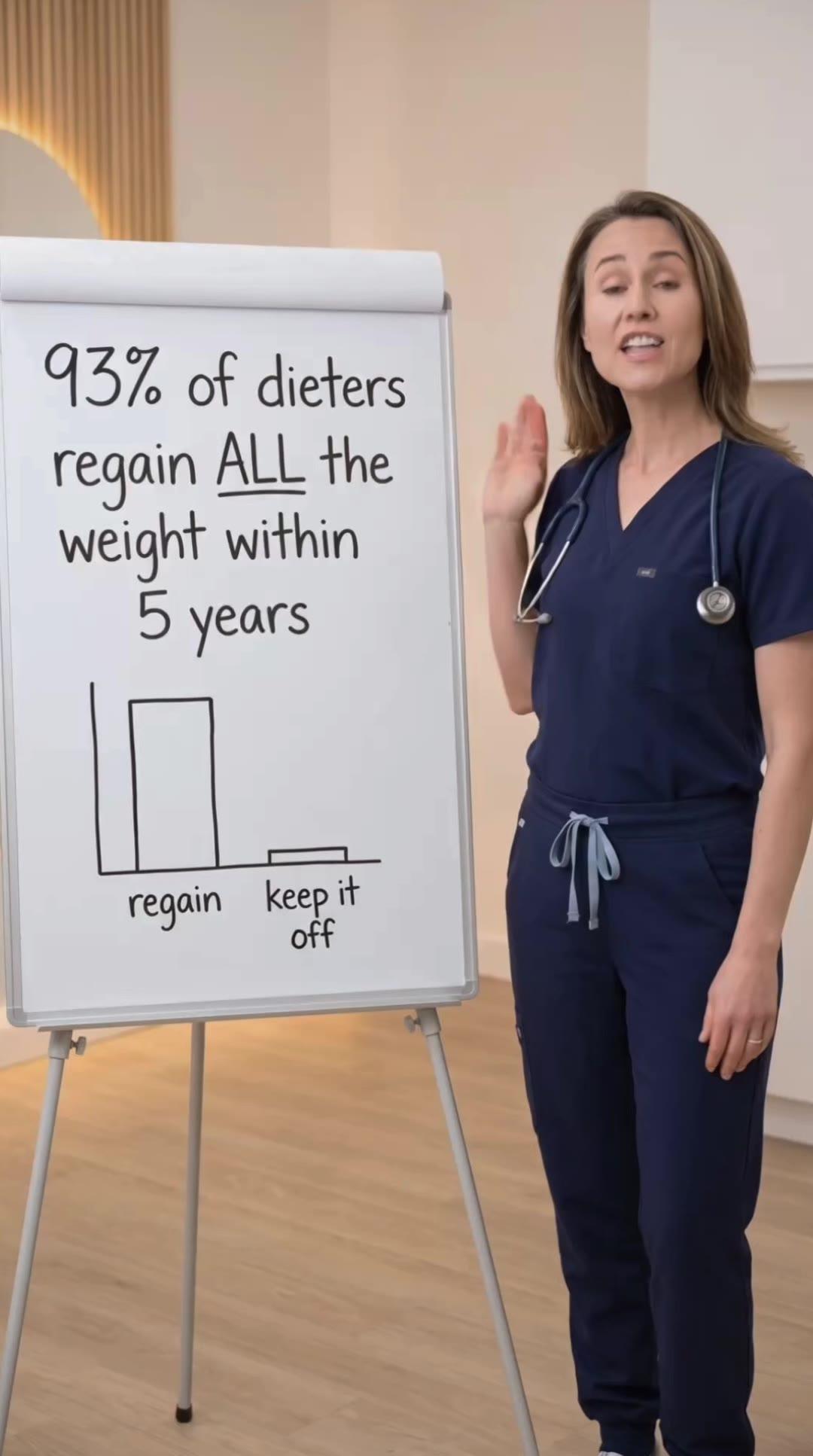
Yes, you can use patient stories in telehealth ads, and you should. Real patient stories are among the highest-converting creative formats in the category. But the bar for getting them right is meaningful. You need real consent, you need compliance framing, and you need to avoid the specific patterns that turn patient stories from a trust asset into a regulator headache.
Here is the plain-English guide for founders.
Why Patient Stories Work
The telehealth buyer is making a high-trust decision about their health. They want to hear from someone like them who has been through the experience. A 60-second video where a real patient walks through what changed for them does what no provider explainer or marketing copy can do: it earns trust through specific, recognizable detail.
Brands using compliant patient story creative consistently see 20-50% lift in CTR and conversion compared to non-story creative in the same category. The format works because it matches how the audience actually evaluates the decision.
What Real Consent Looks Like
Real consent for patient stories includes a signed release that specifies: how the patient's likeness, story, and likeness can be used; what media (Meta, Google, TikTok, organic content) the story can appear in; how long the consent is valid; what compensation, if any, the patient is receiving; and what happens to the content if the patient withdraws consent later.
Generic creator-style usage rights do not satisfy the patient story standard. The release should be specific to the patient role and reviewed by counsel for your jurisdiction.
If the patient is also a creator you are paying for production, document both the patient consent and the creator compensation separately. Conflating them creates problems if either relationship needs to be unwound later.
Framing That Stays Approved
Lead with the patient's own words and specific experience. "I noticed my energy returning around week six." "I had tried the in-person clinic route and it was not working for me." Specifics earn trust and feel honest.
Avoid universal outcome claims. The patient story should describe what happened for that individual, not what happens for "everyone." "My experience" survives review; "everyone gets these results" does not.
Include a results-not-typical disclosure when the patient describes any specific outcome. The placement and language should match Meta and FDA guidance for your category.
For deeper testimonial-specific rules, see testimonial rules for telehealth ads.
This is what compliant telehealth creative looks like.
See the work →What Triggers Rejections
Patient stories with specific weight loss numbers, hair regrowth percentages, or testosterone level changes. Specific numerical outcome claims in testimonials are flagged at high rates.
Before-after physique imagery without strict disclaimers. Even with consent, the visual format itself often triggers review.
Stories that imply guaranteed outcomes for the audience. "If you sign up, you will get the same results" is a common pitfall that disqualifies otherwise-compliant stories.
Stock-style production values that contradict the "real patient" claim. The audience and reviewers both spot stock immediately, and the credibility loss is steep.
Patient vs Creator vs Actor
A real patient telling their real story is the strongest format and the strictest compliance bar.
A creator who is also a real patient (compensated for production effort, telling their own real experience) is also strong and increasingly common. Just document both relationships.
An actor portraying a patient is a different category entirely. It can be done legally with proper disclosure ("dramatization") but the audience response is much weaker and the format usually does not justify the production cost.
For the framework, see real patients vs hired actors in telehealth ads.
HIPAA and Privacy
If you are a covered entity under HIPAA, patient story consent has to include the specific HIPAA authorization for use of protected health information in marketing. Generic release language does not cover the HIPAA dimension.
Coordinate with your privacy officer or legal counsel before publishing any patient story. The penalties for HIPAA violations in marketing are significant and have grown in 2026.
How to Source Patient Stories Ethically
Invite participation, do not press. Patients who feel pressured to share their stories often disclose less and create stories that do not perform.
Pay for time, not for testimonials. The participant is being compensated for their effort, not for saying something positive about the brand. This distinction matters legally and ethically.
For the operational walkthrough, see how to get telehealth patients to share their story.
The Short Version
You can use patient stories in telehealth ads in 2026. Real consent, compliance framing, transparent HIPAA handling, and patient-led specificity are the four pillars that keep stories approved while building the trust they should. Brands that invest in patient story production right have one of the highest-converting creative formats in the category. Brands that cut corners on consent or compliance turn an asset into a regulator problem.
Related Articles
Testimonial Rules for Telehealth Ads
The compliance rules around testimonials in telehealth advertising.
Patient Stories Telehealth UGC
How to produce patient stories for telehealth UGC.
How to Get Telehealth Patients to Share Their Story
How to source patient stories ethically.
Real Patients vs Hired Actors in Telehealth Ads
When to cast real patients vs actors.
Creative built to pass review, and convert anyway.
A 30-minute call. We audit your creative approach and show you exactly what a complete angle-format-hook system looks like for your vertical.