How to Get Telehealth Patients to Share Their Story
A founder's guide to ethically sourcing patient stories. Outreach, compensation, consent, and the patterns that produce real stories that convert without crossing ethical lines.
Concepts shown are internal creative studies, not client campaigns.
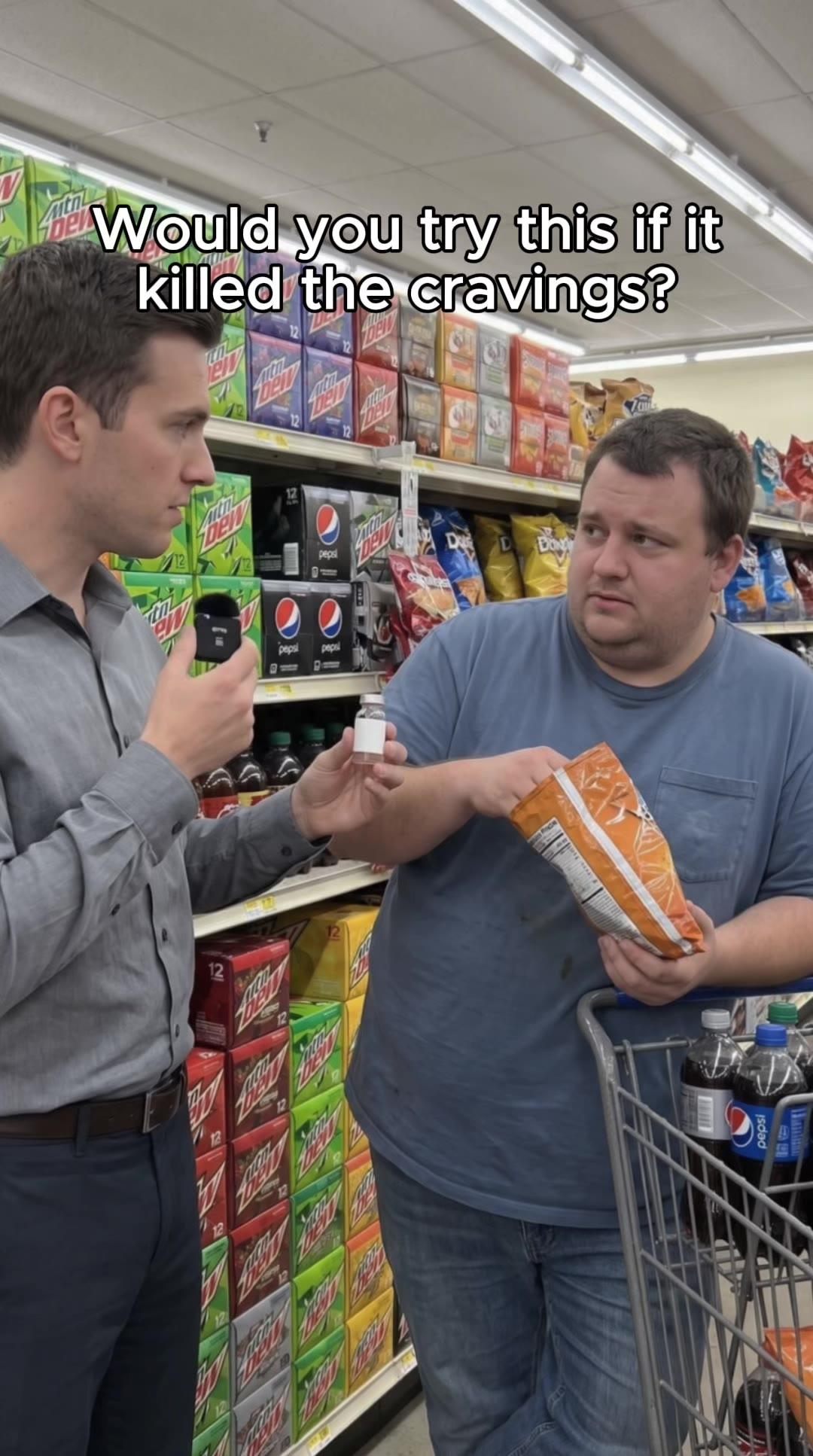
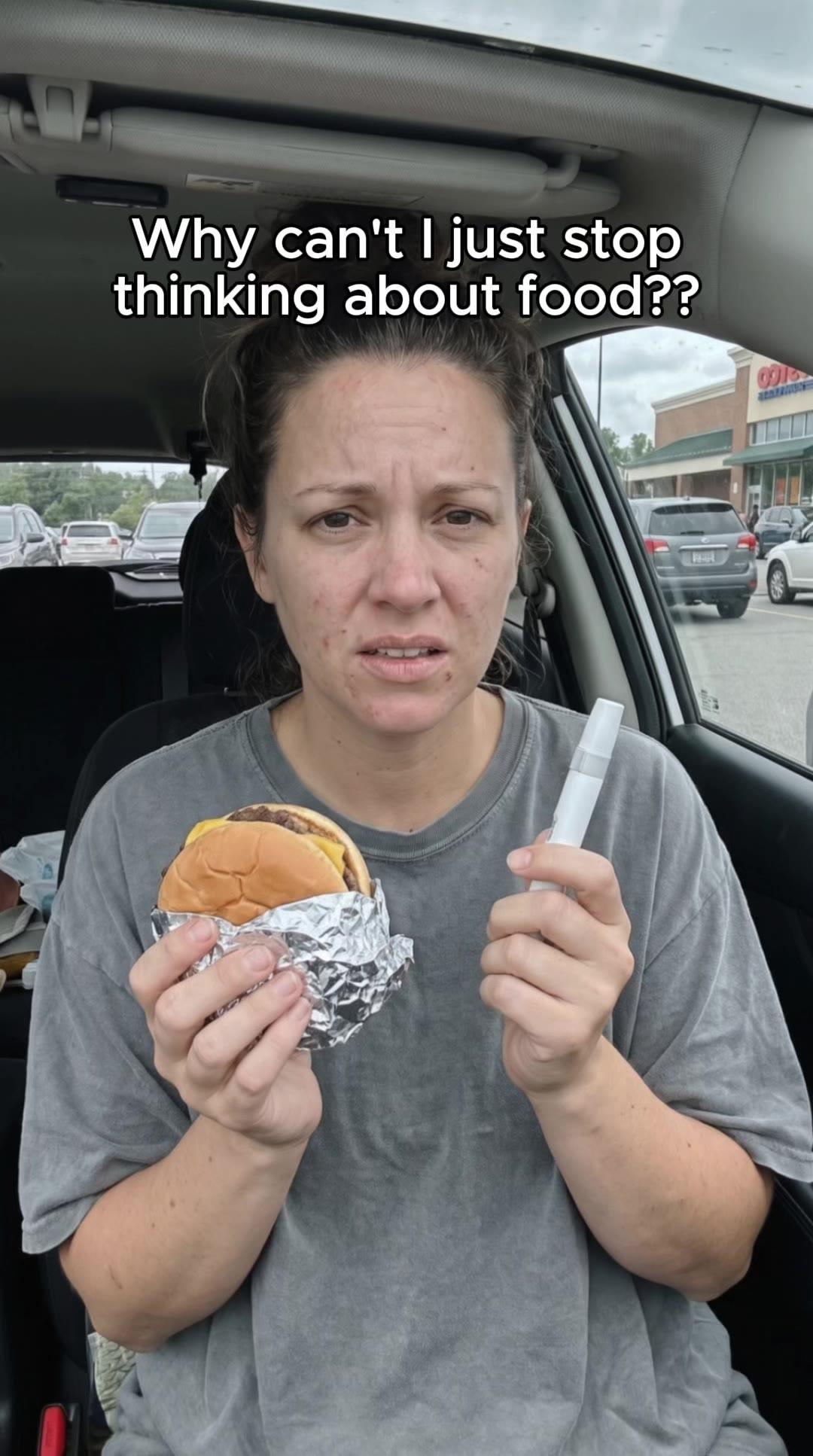
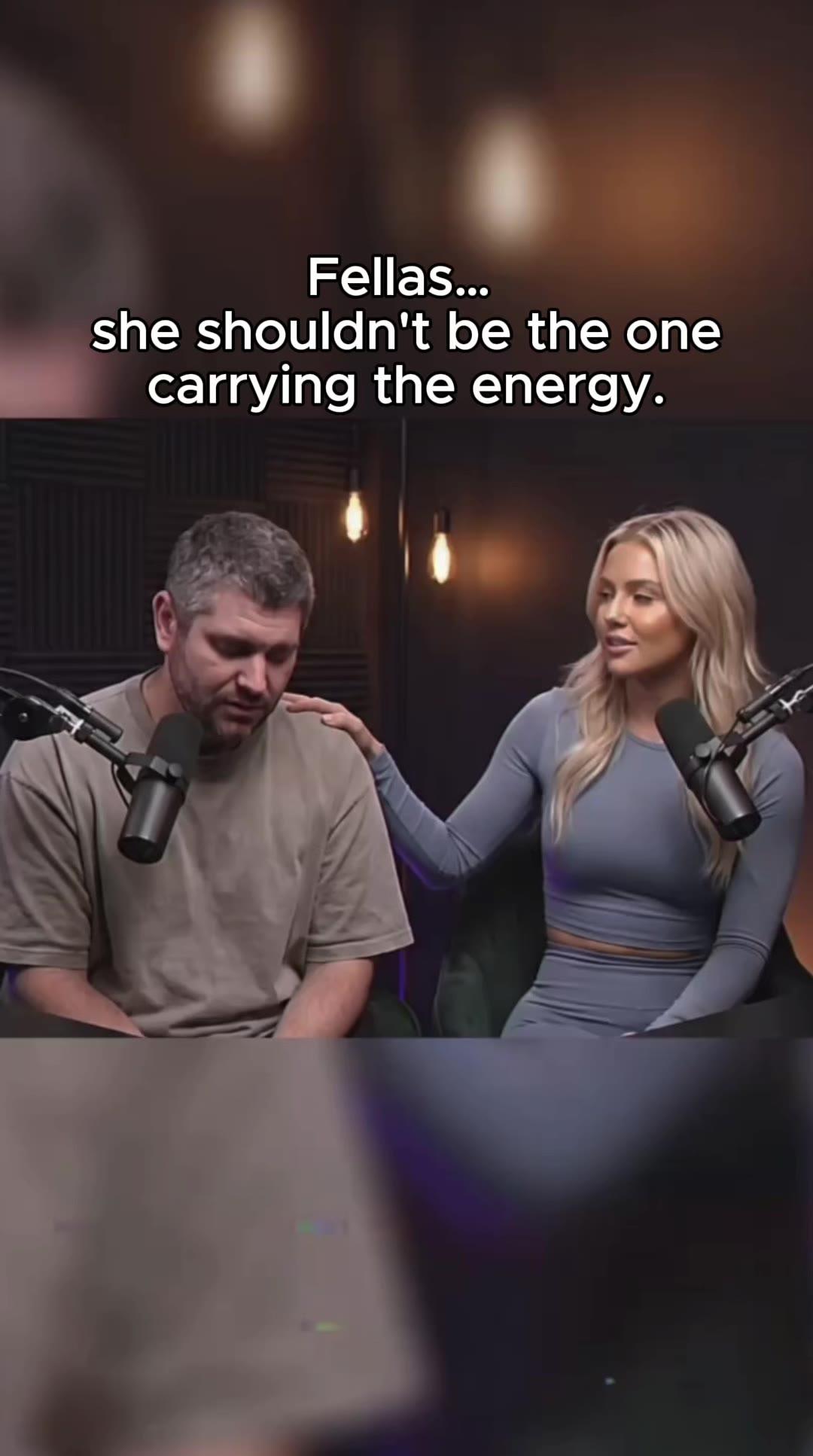
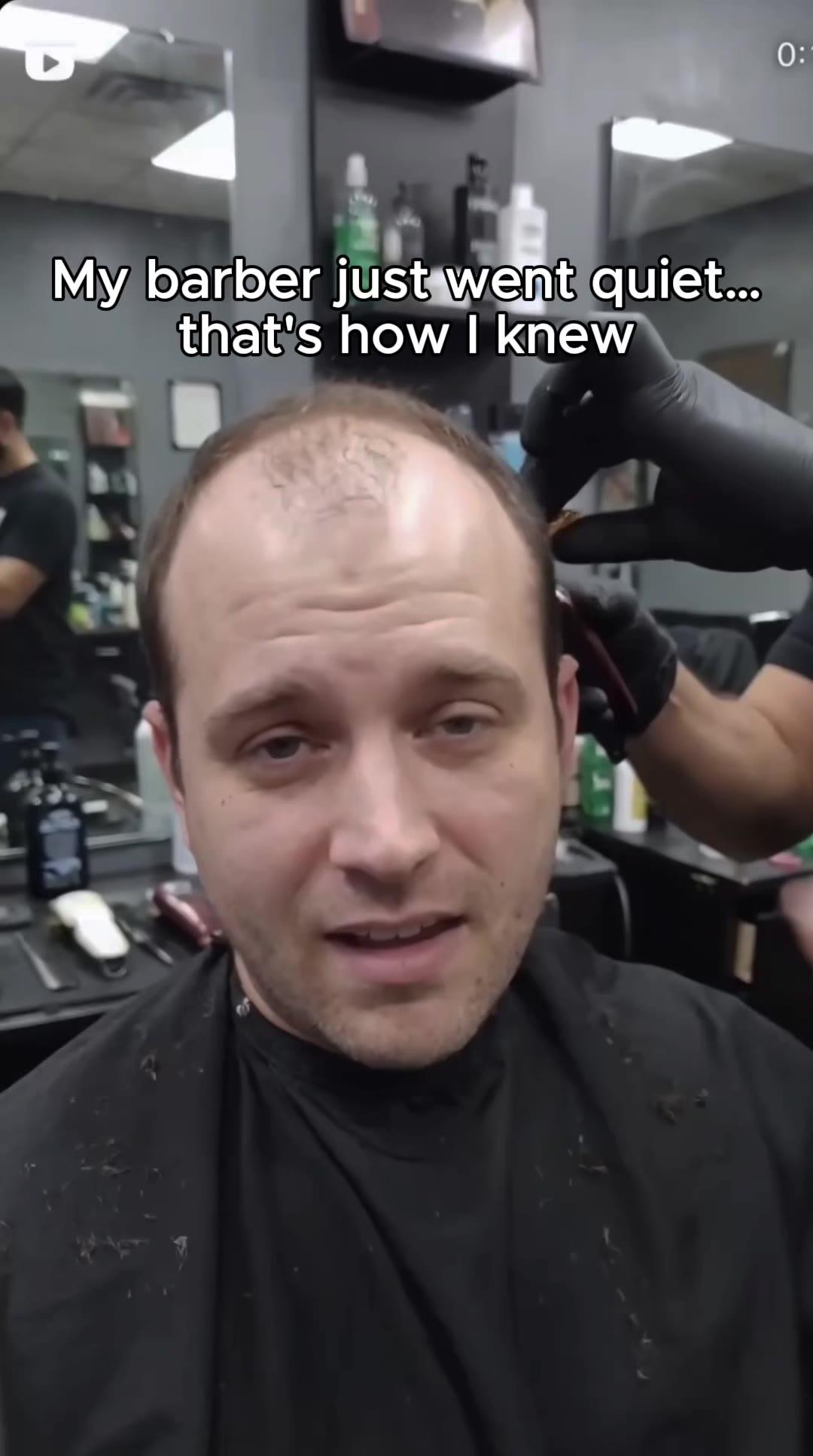

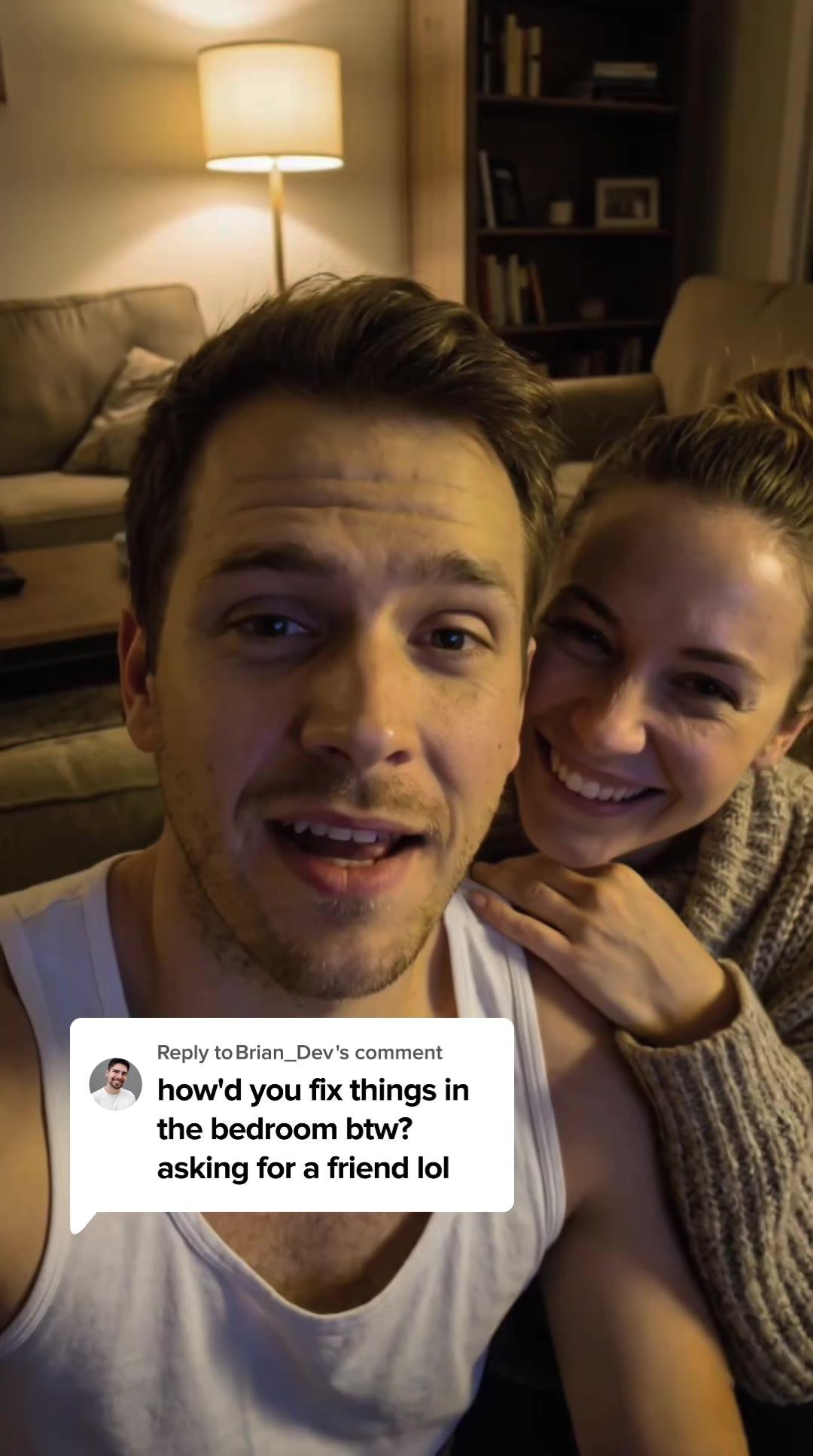

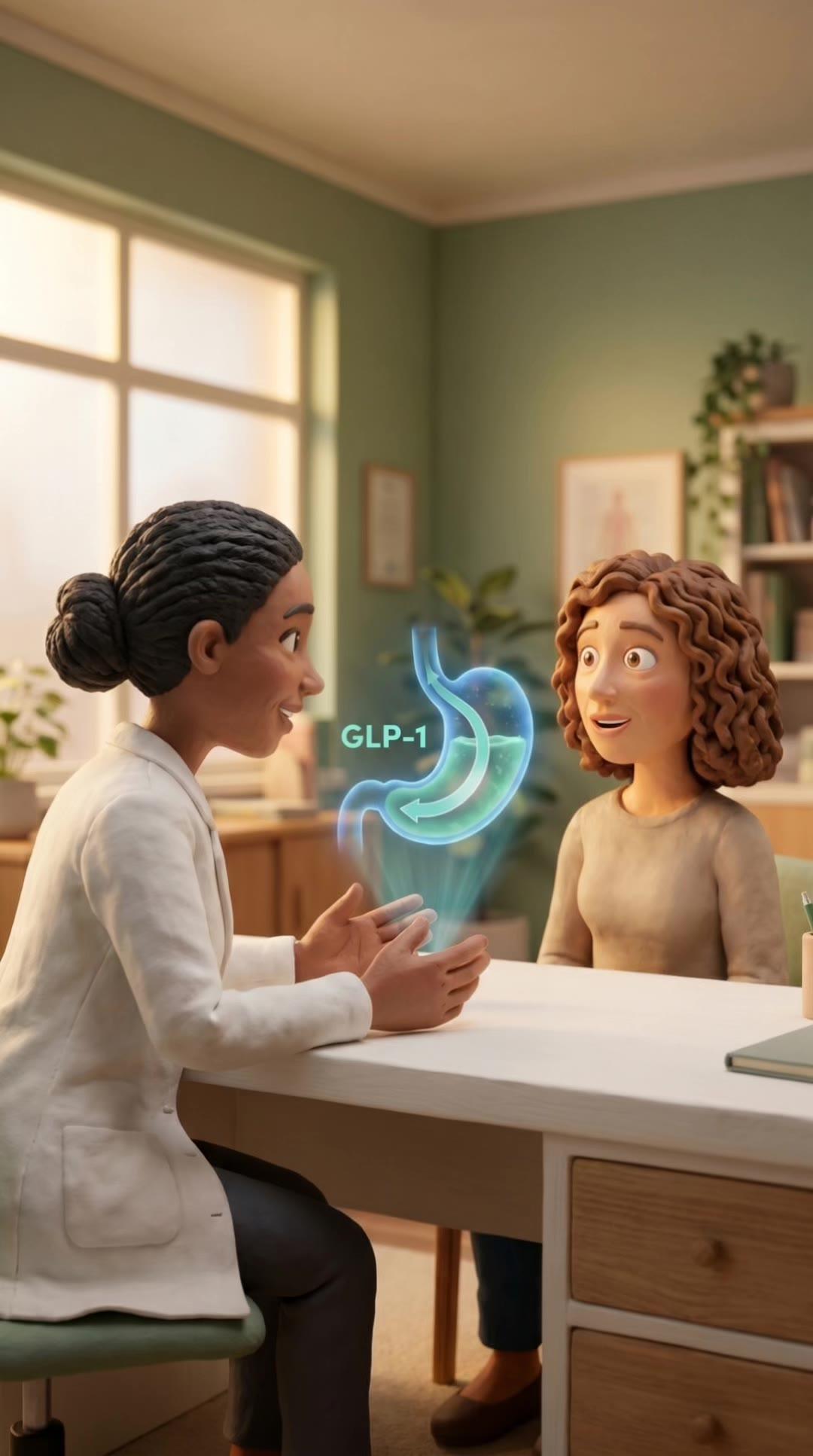
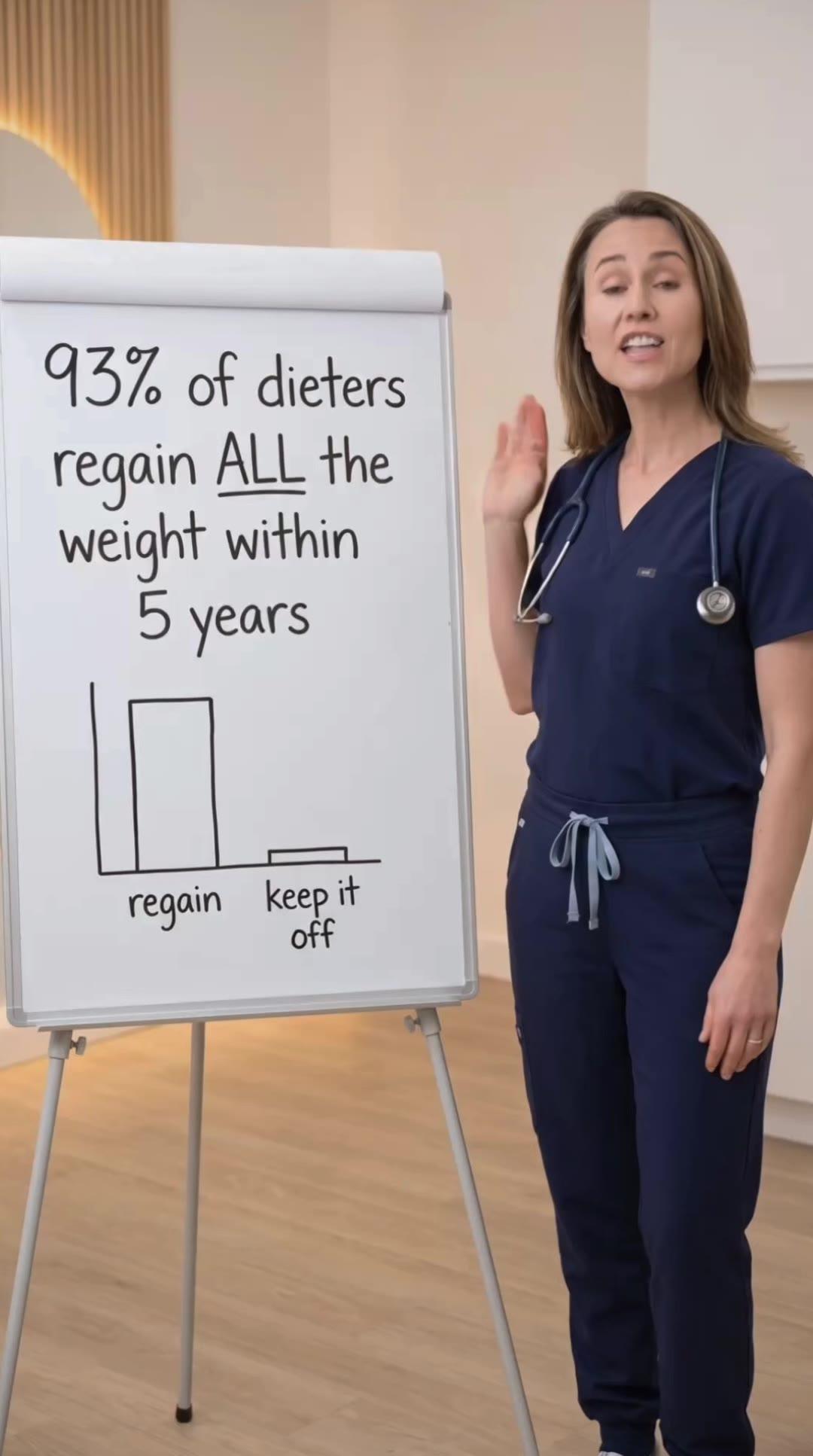
Getting real patients to share their stories is one of the hardest creative production tasks in telehealth and one of the most valuable. Real stories convert better than any other format, but real stories are harder to source than founders expect. The mistakes are usually ethical or operational: pressuring patients, paying for positive content, or treating story collection as a transactional creator brief rather than a relationship.
Here is how to source telehealth patient stories ethically and operationally in 2026.
Start With Who Already Wants to Share
Patients who voluntarily say something positive in support tickets, NPS surveys, community posts, or social media are your highest-value candidates. They have already signaled willingness to be vocal; the ask is just whether they will do it on camera.
Build a system to surface these patients. Tag positive responses in your support system, monitor brand mentions on social media, and follow up on community engagement. The right pipeline produces 5-15 willing candidates per month for most growing brands.
The Right Way to Ask
Personal outreach from a real person at the brand. Not a generic email blast. Not a creator agency intermediary. A founder, care coordinator, or community manager reaching out to the patient by name with a specific reason.
Frame the request around helping others, not around helping the brand. "We are putting together stories to help other patients navigate the first month of TRT. Would you be open to sharing what your experience was like?"
Make the lift small. A 20-minute Zoom call recording, not a full studio shoot. A phone-recorded answer to three questions, not a polished script.
Compensation: Pay for Time, Not for Content
Pay the patient for their time and the inconvenience of the recording effort. Typical compensation: $100-500 depending on the production lift required. This is paid for participation, not for saying something positive.
The distinction matters legally (FTC endorsement rules) and ethically (you do not want testimonials that exist because the patient was paid to be positive).
Document the compensation as time-and-effort payment in the release. Generic "talent fee" language conflates the relationship and creates compliance risk.
Consent Documentation
A specific, written release that covers usage rights, media, duration, and what happens if the patient withdraws consent later. Generic creator releases do not cover the patient role properly.
If you are a covered entity under HIPAA, include the HIPAA authorization for marketing use of protected health information explicitly. Generic releases do not cover the HIPAA dimension.
For deeper coverage, see can you use patient stories in telehealth ads.
UGC formats we produce for telehealth.
See the work →Building a Patient Story Pipeline
Treat story sourcing as an ongoing operational discipline, not a one-time creative brief. Tag potential candidates as they engage positively. Reach out at clinical milestones (month 3 retention, refill renewal, dose calibration success). Follow up to thank patients after their story has been used.
The brands that scale patient story production have a real pipeline producing 5-15 willing candidates per month at moderate volume, 20+ at scale.
Interview Format That Produces Good Stories
Specific questions, open-ended answers. "Walk us through the moment you decided to book a consultation." "What did the first month actually feel like?" Specific prompts produce better stories than generic ones.
Recorded conversation, not scripted monologue. Patients answering questions naturally produce content that feels honest; patients reading scripts produce content that feels staged.
Twenty to thirty minutes of recorded conversation typically yields 60-90 seconds of usable testimonial content. Plan accordingly.
What Not to Do
Do not pressure patients. Patients who feel pressured share less, share worse, and create stories that do not convert.
Do not write the testimonial for them. Brands that script "patient" testimonials produce content the audience reads as fake within seconds.
Do not pay contingent on the story being positive. Compensation tied to content quality (versus time and participation) creates ethical and legal exposure.
Do not suppress negative or critical responses. Patients who give critical feedback in the interview process are also providing valuable operational intelligence.
Repurposing Stories Long Term
Negotiate usage rights for the windows you actually need. Many brands buy 30-day rights and then have to re-negotiate every quarter; brands that buy 12-24 month rights upfront save meaningful operational overhead.
Repurpose across formats: paid social ads, landing page testimonials, email nurture content, podcast excerpts. The same recording can support 3-5 distinct creative assets.
The Short Version
Getting telehealth patients to share their stories is a relationship and operational discipline, not a creative production task. Source from patients who have already signaled willingness, ask the right way, pay for time and not for content, document consent properly, and treat story collection as an ongoing pipeline. Brands that do this right have a uniquely converting creative library. Brands that treat patient stories transactionally produce content that does not work and creates ethical exposure.
Related Articles
Patient Stories Telehealth UGC
How to produce patient stories for telehealth UGC.
Using Patient Testimonials in Telehealth Marketing
Using patient testimonials in telehealth marketing.
Can You Use Patient Stories in Telehealth Ads?
Patient story compliance answers.
Real Patients vs Hired Actors in Telehealth Ads
When to cast real patients vs hired actors.
UGC systems built for telehealth.
A 30-minute call. We audit your creative approach and show you exactly what a complete angle-format-hook system looks like for your vertical.