Using Patient Testimonials in Telehealth Marketing
A founder's guide to using patient testimonials in telehealth marketing. Format, consent, compliance, and the patterns that convert at scale.
Concepts shown are internal creative studies, not client campaigns.
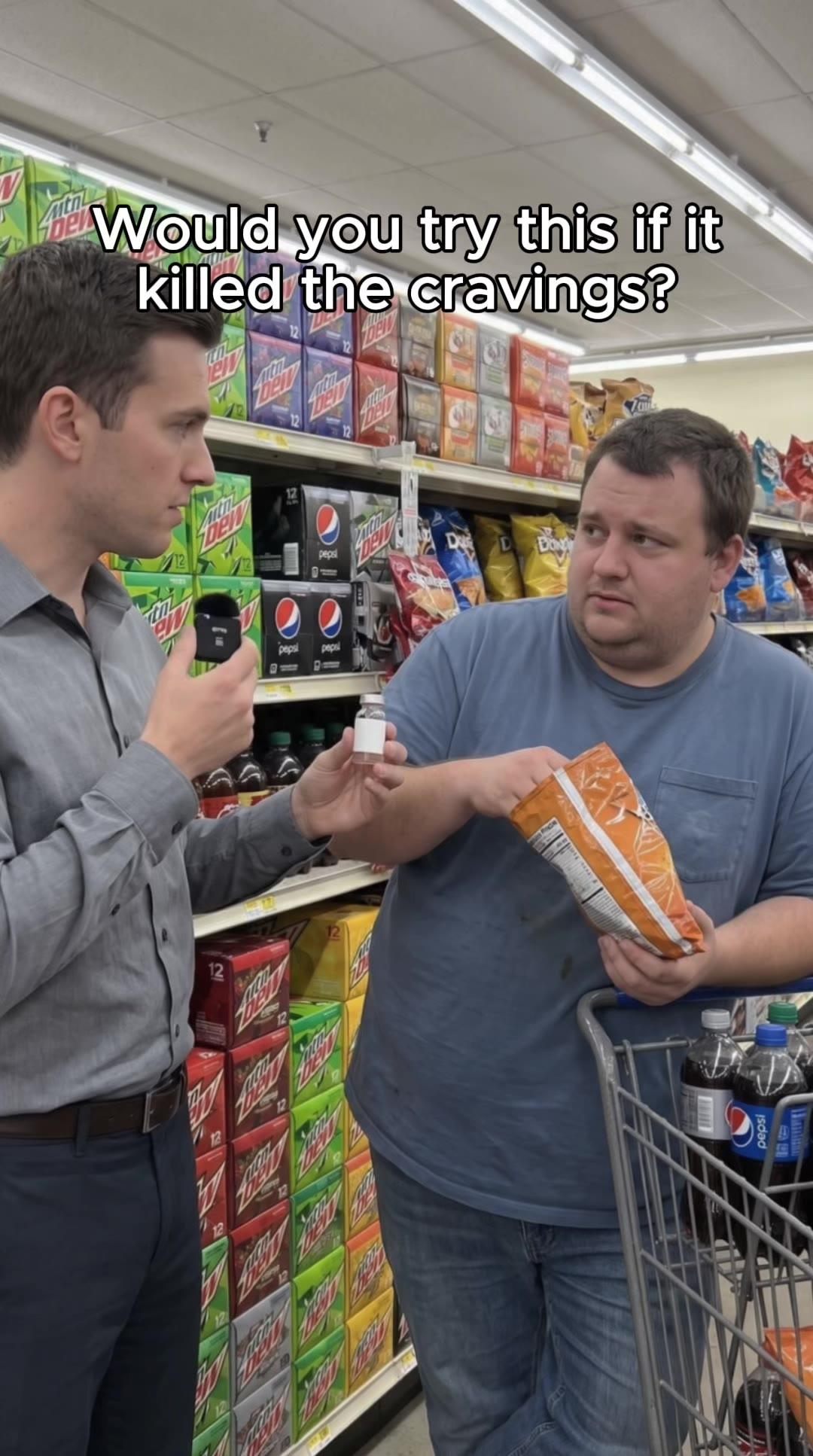

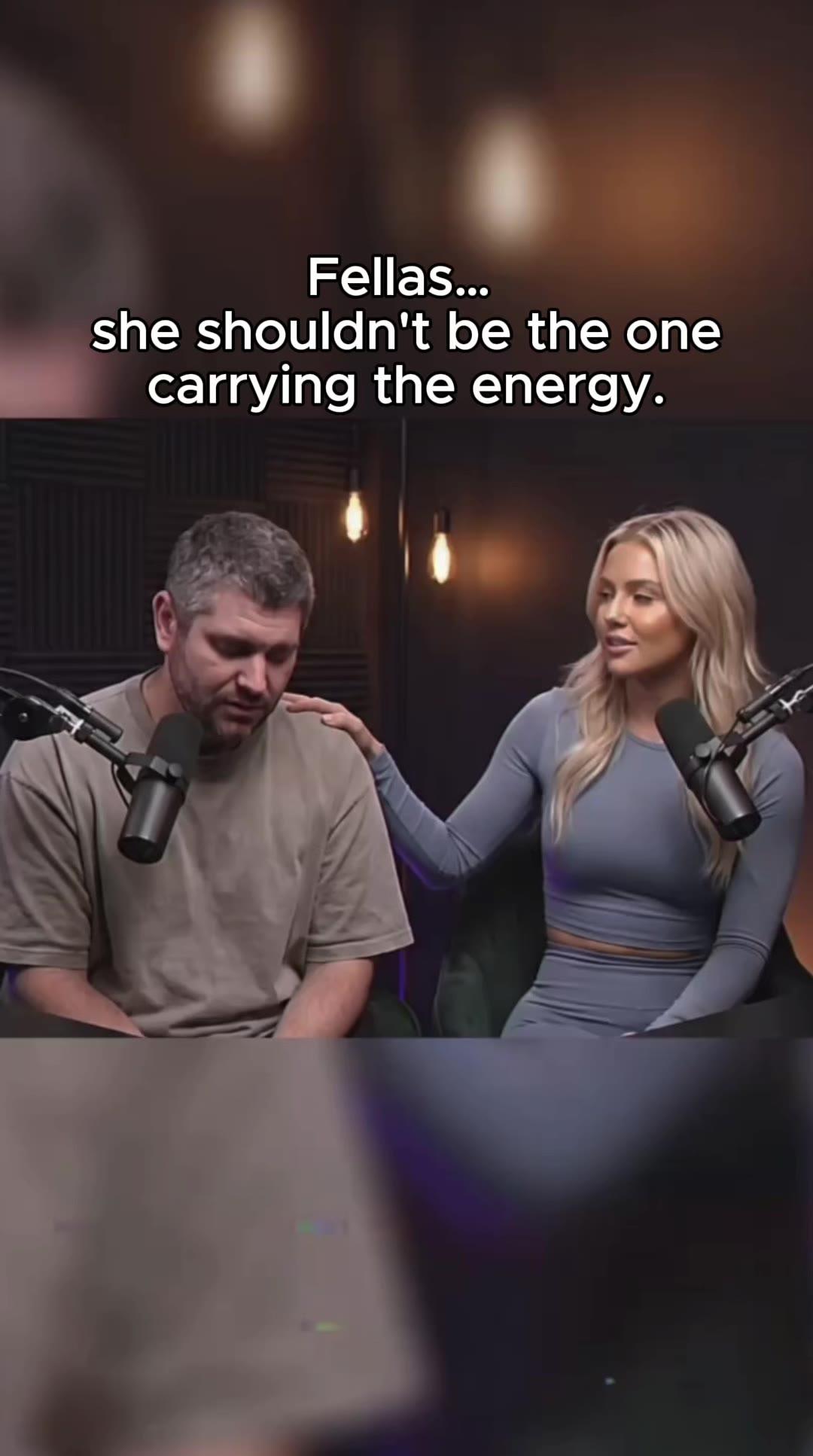
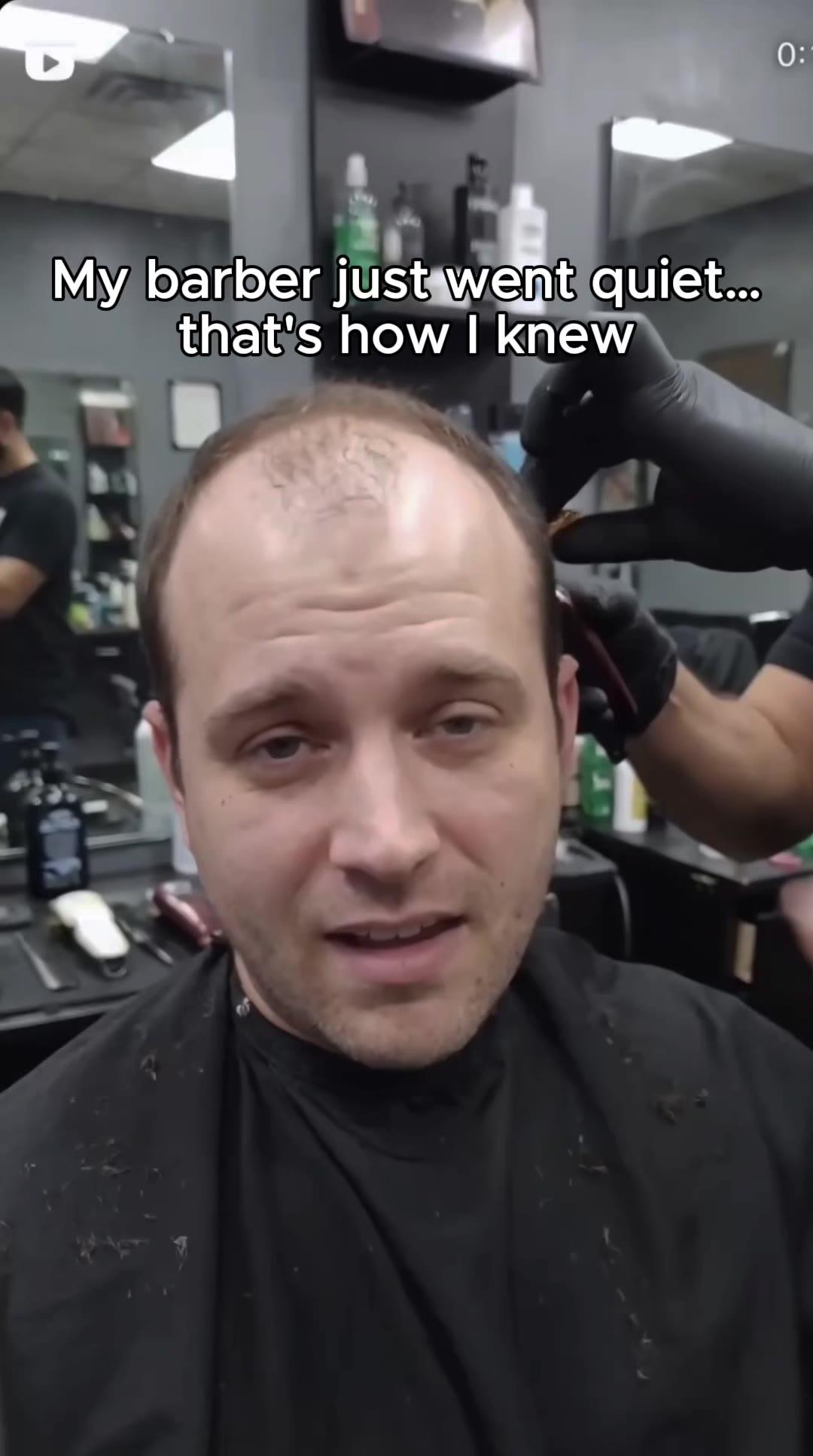

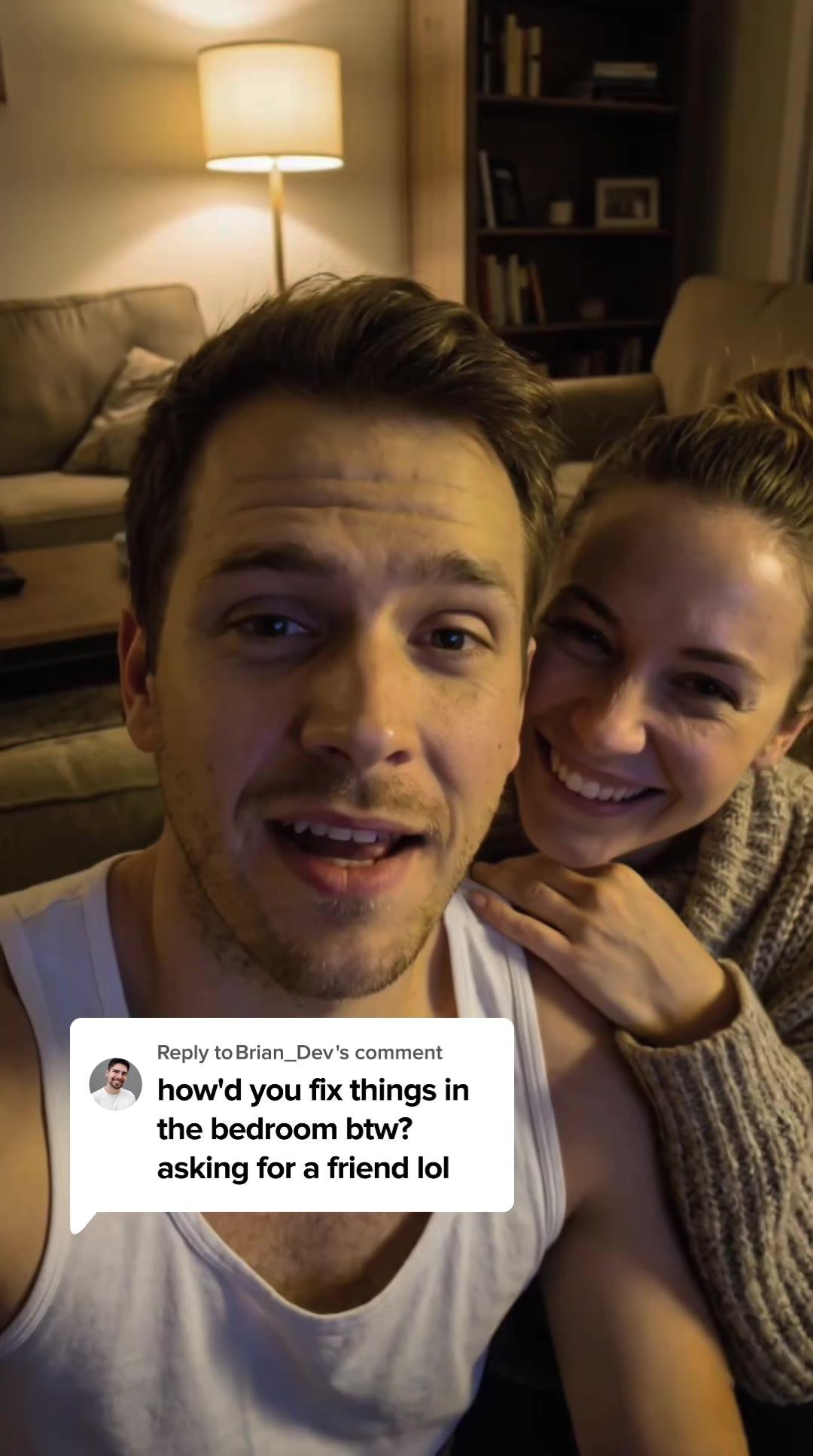

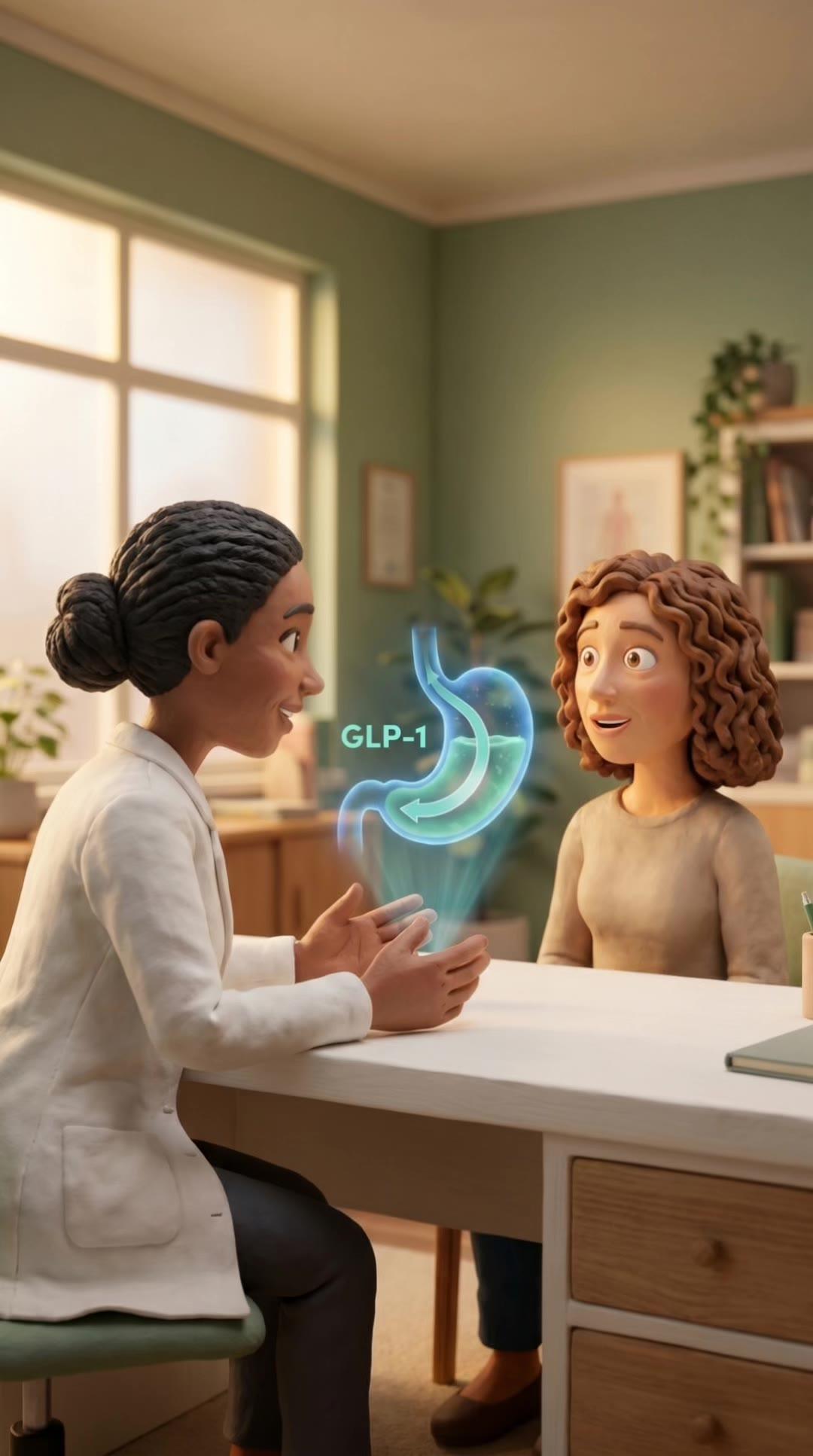
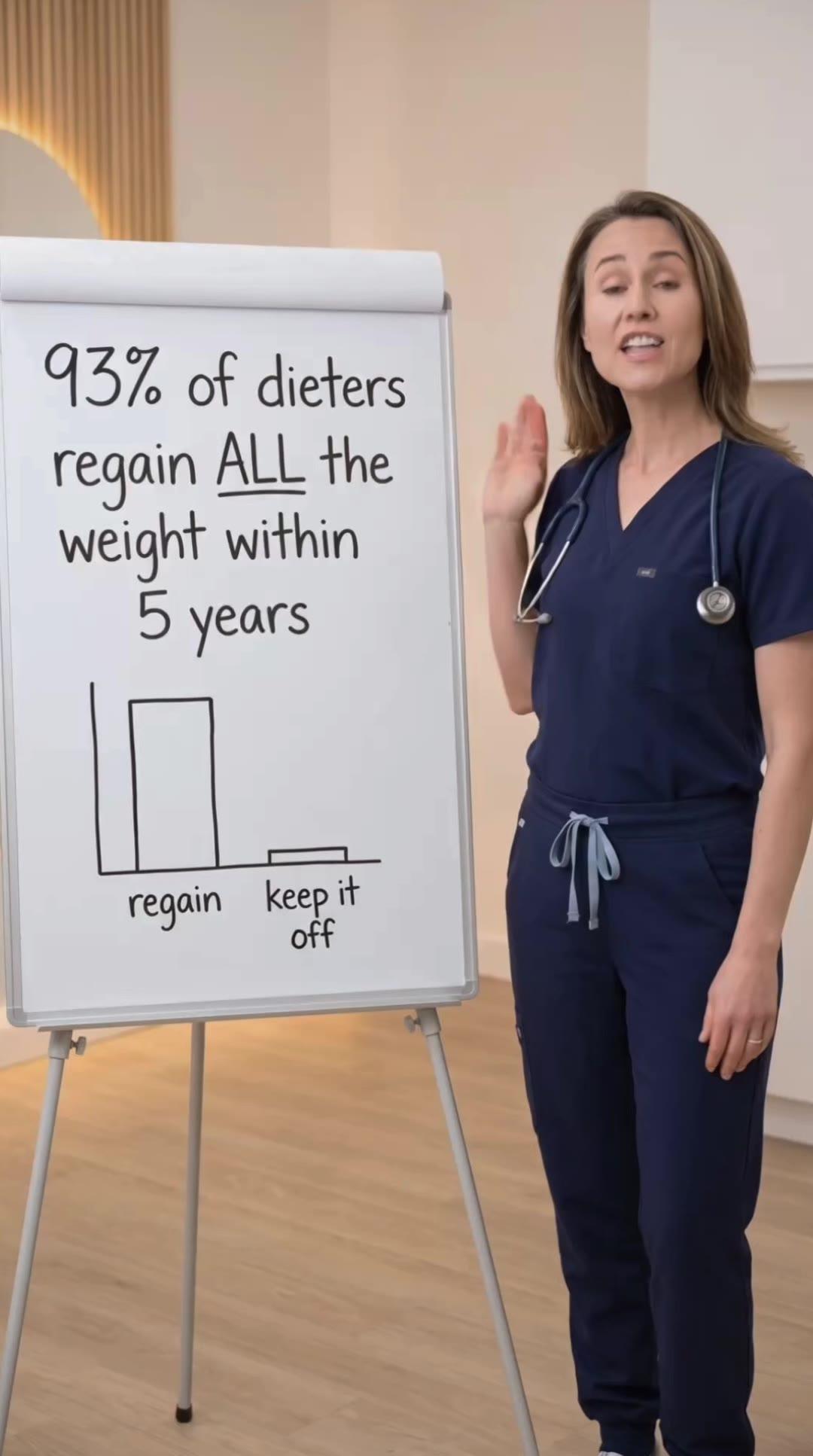
Patient testimonials are among the highest-converting creative formats in telehealth advertising. A 60-second video of a real customer talking about their experience does what no provider explainer or marketing copy can do: it earns trust through specific, recognizable detail. Brands that use them right see 20-50% lift in CTR and conversion. Brands that use them wrong end up with rejected ads, regulator letters, or both.
Here is how to use patient testimonials in telehealth marketing in 2026 in a way that converts and stays compliant.
Why Testimonials Work
The telehealth buyer is making a high-trust decision about their health. They want to hear from someone like them who has been through the experience. A real patient telling their real story matches how the audience actually evaluates the decision; provider explainers and marketing copy do not.
The audience is also sophisticated. They can spot stock testimonials, hired actor portrayals, and over-produced "patient stories" in seconds. The format only works when the testimonial reads as real.
What Real Consent Looks Like
A signed release that specifies how the patient's likeness, voice, and story can be used; what media (paid social, organic, website) the testimonial can appear in; how long the consent is valid; what compensation, if any, the patient is receiving; and what happens to the content if the patient withdraws consent later.
If you are a covered entity under HIPAA, the consent also has to include the HIPAA authorization for use of protected health information in marketing. Generic consent does not cover this.
For deeper coverage, see can you use patient stories in telehealth ads.
Format Patterns That Convert
The "moment that mattered most" testimonial. The patient describes a specific moment when the experience felt different from what they expected. "I noticed it walking up the stairs three weeks in. I had not realized how much I had been avoiding the stairs."
The "second-product" testimonial. The patient explains why they switched from a previous solution to this one. Highly converting in mature categories like GLP-1, TRT, and hair loss.
The "consultation experience" testimonial. The patient walks through what the first consultation actually felt like. Best for retargeting audiences who started but did not finish booking.
The "three things I wish I knew" testimonial. The patient shares practical wisdom from their experience. Builds trust and drives long retargeting consideration cycles.
What Triggers Rejections
Specific outcome claims (pounds lost, energy returned to specific levels). Numerical outcome claims in testimonials are flagged at high rates.
Before-after physique imagery without strict disclaimers and consent documentation. The format itself often triggers review.
Universal outcome implications ("you will get these results too"). The story has to be specific to the patient, not predictive for the viewer.
Stock-style production values that contradict the "real patient" claim. The audience and platform reviewers both spot stock immediately.
UGC formats we produce for telehealth.
See the work →Production Quality: Lower Wins
In 2026, lower production values consistently outperform higher ones in patient testimonials. The audience reads polished as commercial, and commercial as untrustworthy. Vertical phone-recorded testimonials in natural lighting often outperform studio-shot equivalents.
The threshold is: does it look like a real person actually recorded this, or does it look like an ad? The first reads as honest; the second triggers skip.
How to Source Testimonials
Invite participation from happy patients identified through your retention systems. Patients who voluntarily say something nice in support tickets or NPS surveys are the best candidates.
Pay for time, not for content. Compensate the patient for the production effort (typically $200-1,000 depending on involvement), not for saying something positive. This distinction matters legally and ethically.
Use a structured prompt or interview rather than asking for a free-form video. Specific prompts produce better stories. For example: "Walk us through the moment you decided to book a consultation, what the consultation felt like, and one thing you noticed in the first month."
Where Testimonials Perform
Top-of-funnel: testimonials with situational hooks ("I noticed it during a workout I had done a thousand times") earn the watch time cold audiences typically refuse.
Retargeting: process-experience testimonials reduce the uncertainty driving most consultation drop-offs.
Landing pages: embedded video testimonials lift conversion rates 15-30% across most telehealth categories.
Email and SMS: short testimonial clips in win-back and nurture sequences convert reactivation candidates at higher rates than provider-led content.
The Short Version
Patient testimonials in telehealth marketing in 2026 work when they are real, properly consented, specifically framed, and lower-fi in production. The brands that invest in genuine testimonial production right have one of the highest-converting creative formats in the category. The brands that cut corners on consent, frame testimonials as outcome guarantees, or over-produce them turn an asset into a regulator headache.
Related Articles
Patient Stories Telehealth UGC
How to produce patient stories for telehealth UGC.
Can You Use Patient Stories in Telehealth Ads?
The plain-English compliance answer.
Real Patients vs Hired Actors in Telehealth Ads
When to cast real patients vs hired actors.
Testimonial Rules for Telehealth Ads
The compliance rules around testimonials.
Why Real Product Users Beat Actors in Telehealth UGC
Why real telehealth patients outperform actors in UGC ads. FTC disclosure requirements for paid actors, authenticity signals, and when to use each approach.
UGC systems built for telehealth.
A 30-minute call. We audit your creative approach and show you exactly what a complete angle-format-hook system looks like for your vertical.