Real Patients vs Hired Actors in Telehealth Ads
A founder's guide to when to cast real patients, real creators, and hired actors in telehealth ads. Performance trade-offs, compliance differences, and the right choice by category.
Concepts shown are internal creative studies, not client campaigns.



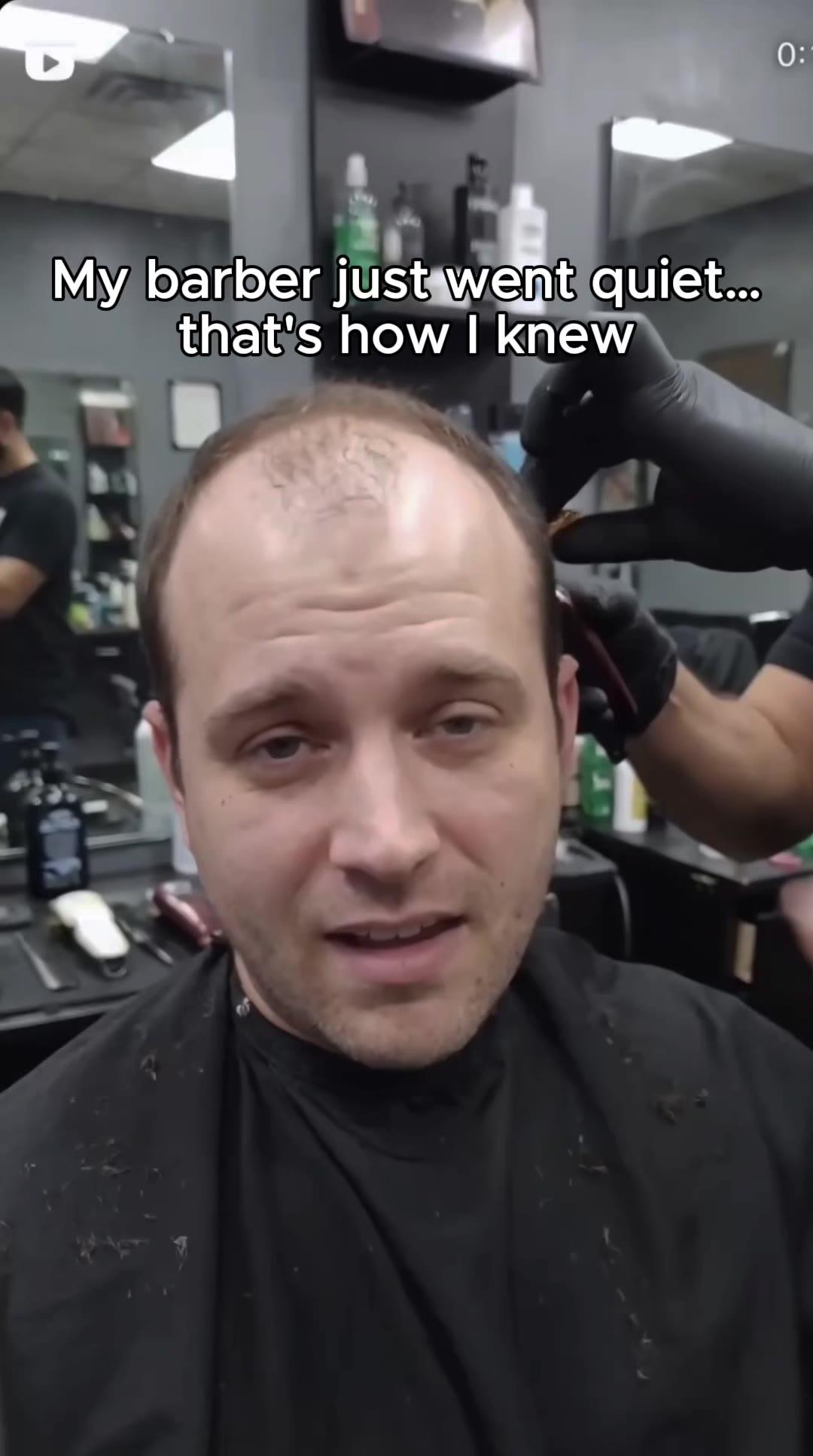

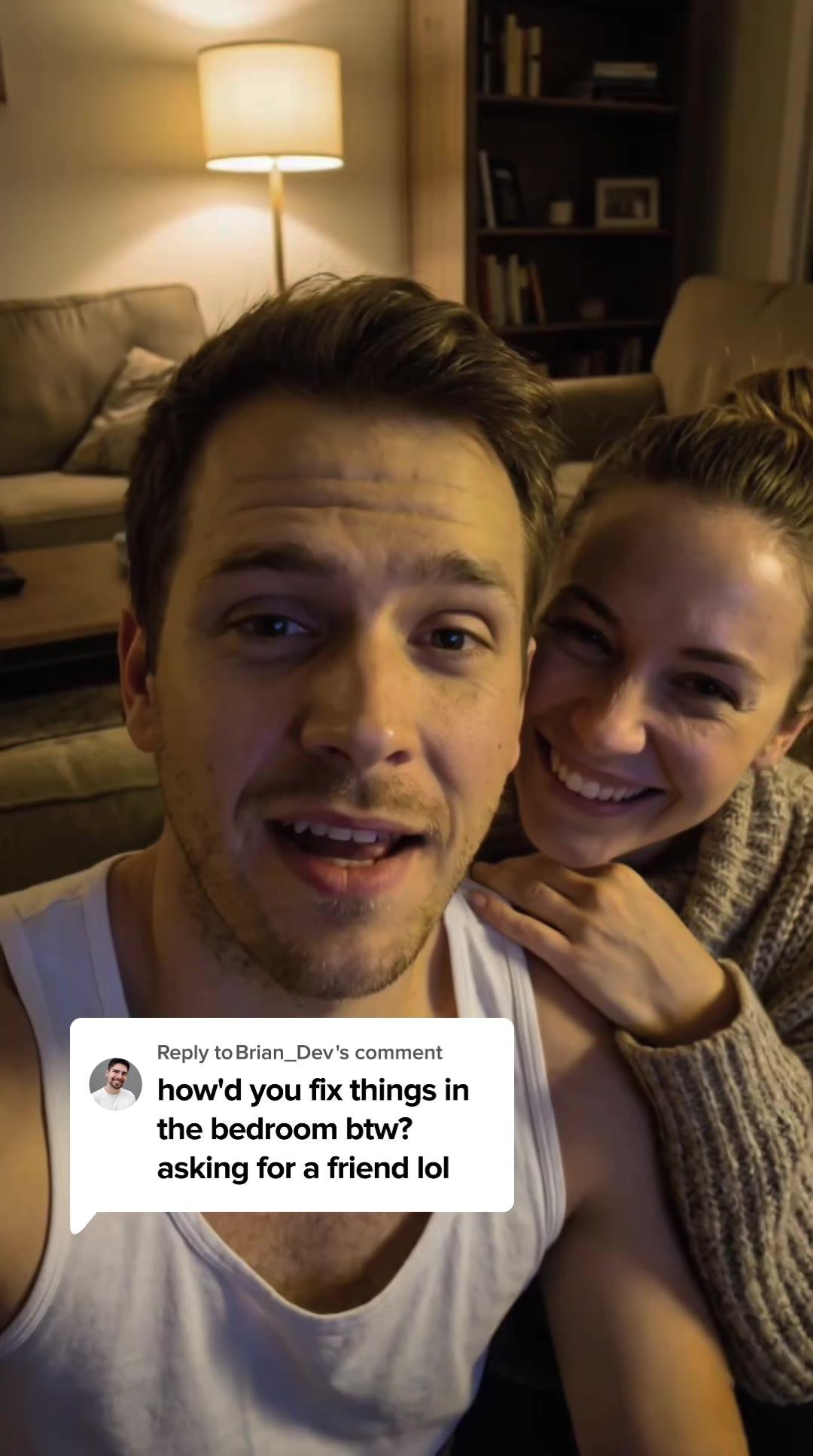


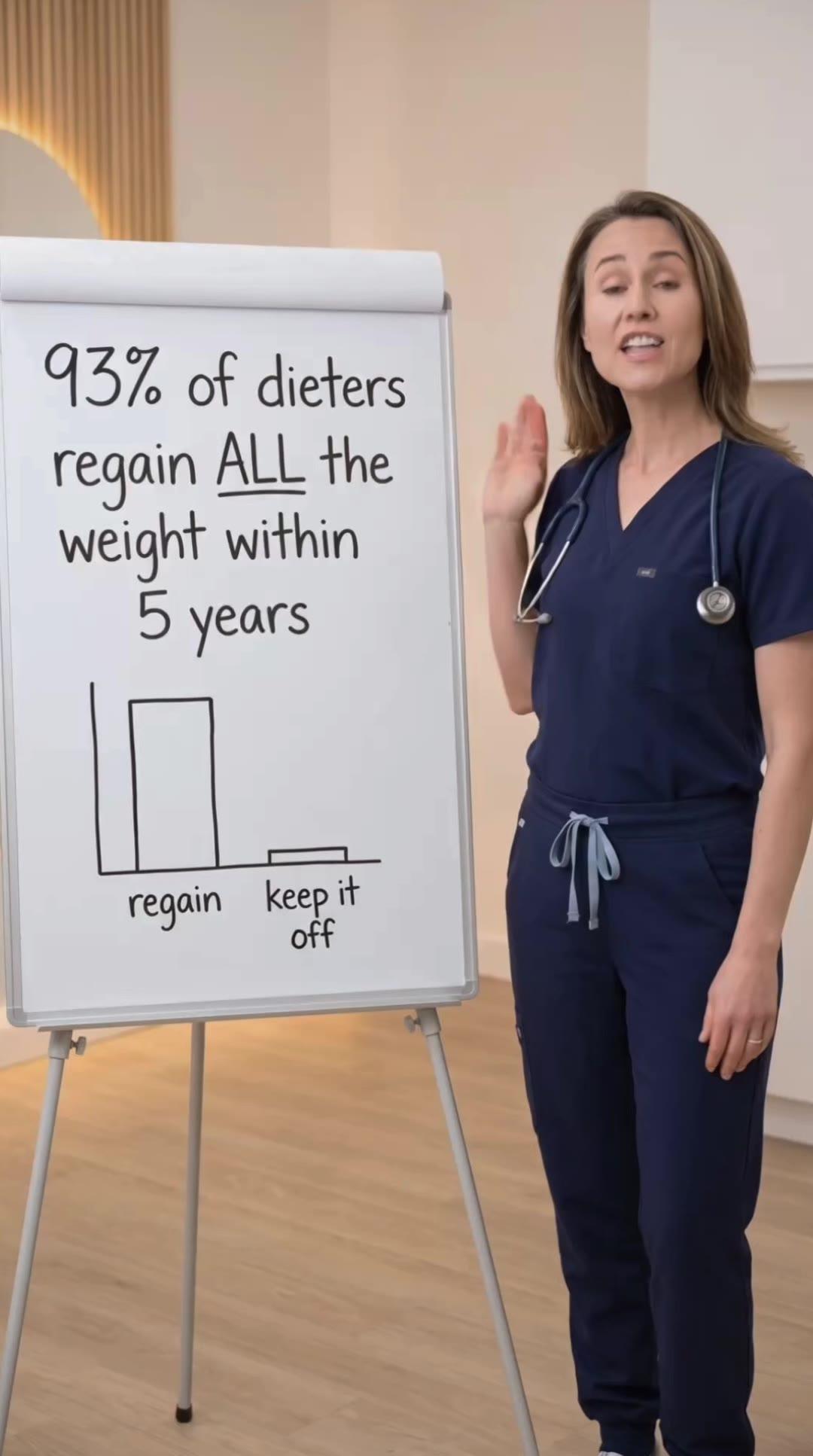
Every telehealth founder eventually has to decide who is going to be on camera in their ads. The decision is bigger than it sounds. Real patients, real creators, and hired actors each have different performance profiles, compliance requirements, costs, and operational complexities. Picking the wrong type for your category costs you conversion and creates compliance exposure.
Here is how to think about real patients vs hired actors in telehealth ads in 2026.
Real Patients
Real patients telling their real stories produce the highest-converting creative in trust-sensitive categories. The audience reads the authenticity in seconds.
The trade-off is operational lift. Sourcing willing patients, navigating consent, scheduling production, and managing the ongoing relationship are real costs.
Compliance bar is highest. Real patients require specific HIPAA-compliant consent, separate releases for photos and videos, and explicit usage rights documentation.
Best for: trust-sensitive categories where authenticity drives conversion. Hair loss, mental health, ED, fertility, men's health.
Real Creators Who Are Also Real Patients
The middle category that increasingly dominates telehealth UGC: creators who use the product genuinely, compensated for production effort, sharing their real experience.
Performance approaches real patient testimonial levels with significantly lower operational lift. The creator is already comfortable on camera, already understands the production workflow, and is paid for the time investment.
Compliance requires careful documentation: separate the patient role from the creator role, document both relationships, and ensure FTC material connection disclosure is handled correctly.
Best for: GLP-1, TRT, peptide therapy, and other categories where credentialed creators are increasingly the standard.
Hired Actors
Actors portraying patients. Significantly lower operational lift and faster production timelines. Better visual control and casting flexibility.
The trade-off is performance. The audience can tell within seconds whether they are watching a real person or an actor portrayal, and actor-portrayed "testimonials" convert significantly worse in most categories.
Compliance requires explicit "dramatization" disclosure. Without it, actor-portrayed testimonials cross into deceptive advertising territory.
Best for: lifestyle B-roll, supplementary visuals where the actor is not portraying a patient experience, and educational content where the speaker is explicitly an actor rather than a patient.
When Hired Actors Make Sense
Educational explainer content where the speaker is not implying a patient relationship. "Here is how GLP-1 receptors work" delivered by an actor in a clean studio is acceptable if labeled as educational content.
B-roll and lifestyle visuals. Footage of a person opening a package, walking outside, going about their day. These do not imply a testimonial relationship and do not require actor portrayal disclosure.
Highly time-sensitive production where real patient sourcing cannot meet the timeline. Use with explicit dramatization disclosure.
UGC formats we produce for telehealth.
See the work →When Hired Actors Almost Never Work
Testimonial-style content. The audience reads the actor immediately and the conversion drops.
Specific patient stories. The audience reads contrived stories as obvious advertising.
Trust-sensitive categories. ED, mental health, fertility, and other categories where authenticity is the dominant conversion driver.
The Hybrid That Often Wins
Real patients (or creator-patients) for the testimonial and story content. Hired actors for B-roll, lifestyle imagery, and educational explainer content where the speaker is explicitly not portraying a patient.
This hybrid approach captures the conversion benefit of real patients without the operational cost of trying to source real patients for every visual asset.
Cost Comparison
Real patient (sourced from your own pipeline): $100-500 in time-and-effort compensation plus sourcing overhead. Real creator-patient (compensated for production): $250-1,500 per video including usage rights.
Hired actor (testimonial-style): $500-2,500 per video plus production overhead. Hired actor (educational or B-roll): $300-1,500 per video.
Per-video cost is not the right comparison. The right comparison is cost per conversion, which strongly favors real patients and creator-patients for testimonial content.
Compliance Disclosure Requirements
FTC rules require clear disclosure when a depiction is a dramatization rather than a real patient experience. Specific language ("dramatization" or "actor portrayal") is required.
For real patients, FTC requires disclosure of material connections (compensation, free product, employment). The disclosure language has to be specific and prominent.
For real creators who are also real patients, both disclosures may apply depending on the framing.
The Short Version
Real patients are the conversion gold standard for testimonial content. Real creator-patients are the operational sweet spot for scaled UGC production. Hired actors should be reserved for educational, B-roll, and lifestyle content where the speaker is not implying a patient relationship. The brands that pick the right cast type for each creative slot have the best mix of performance and operational cost. The brands that use actors for testimonials save money on production and lose meaningfully more on conversion.
Related Articles
Patient Stories Telehealth UGC
How to produce patient stories for telehealth UGC.
Using Patient Testimonials in Telehealth Marketing
General patient testimonial framework.
How to Get Telehealth Patients to Share Their Story
Sourcing patient stories ethically.
Credentialed Creators for Telehealth Ads
Credentialed creator framing for telehealth UGC.
UGC systems built for telehealth.
A 30-minute call. We audit your creative approach and show you exactly what a complete angle-format-hook system looks like for your vertical.