Can You Use AI-Generated People in Telehealth Ads in 2026
FTC disclosure rules, Meta and TikTok platform policies, and the New York Synthetic Performer Law all intersect with AI-generated people in telehealth advertising. Here is what is currently allowed and what is not.
Concepts shown are internal creative studies, not client campaigns.


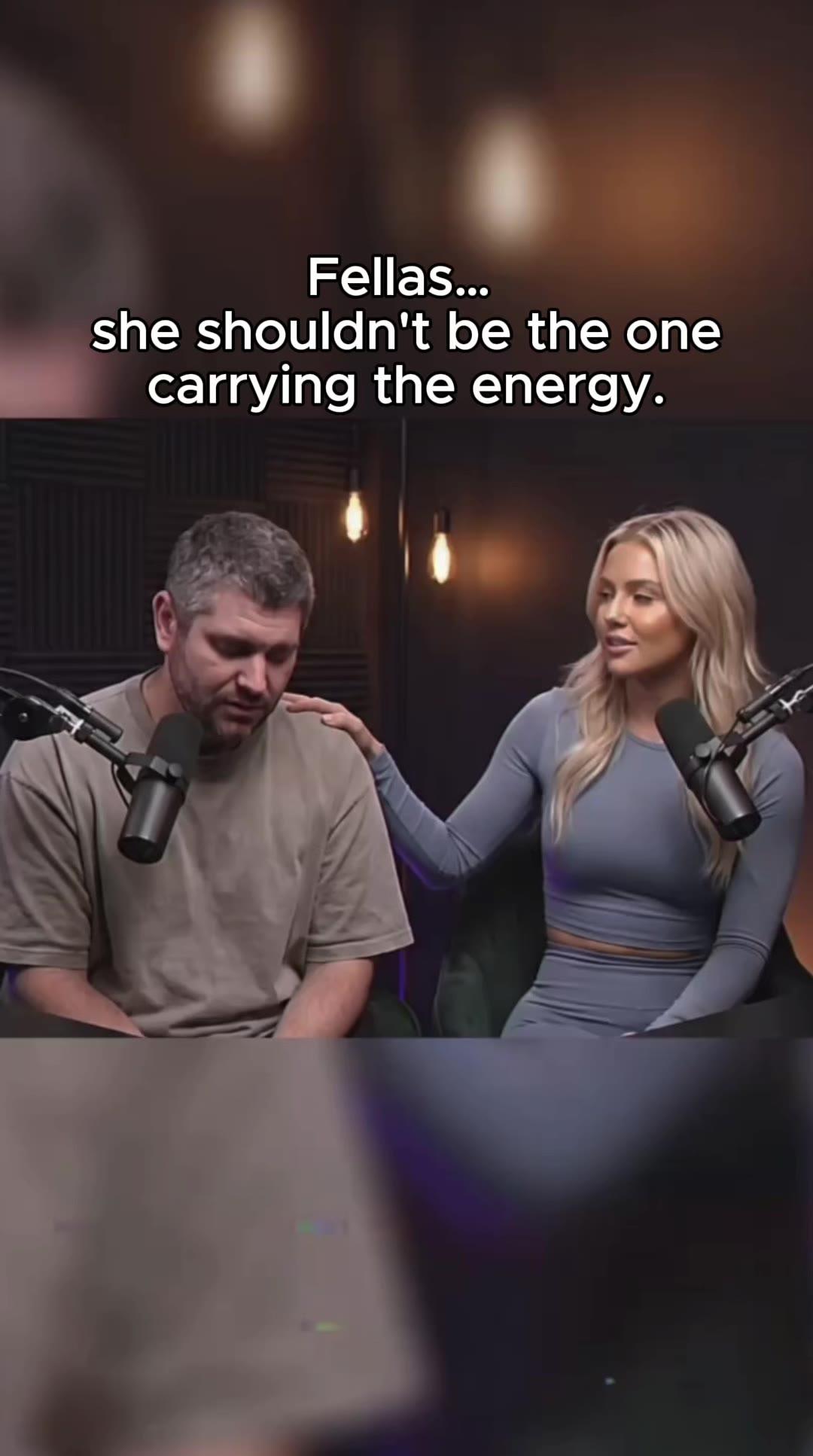
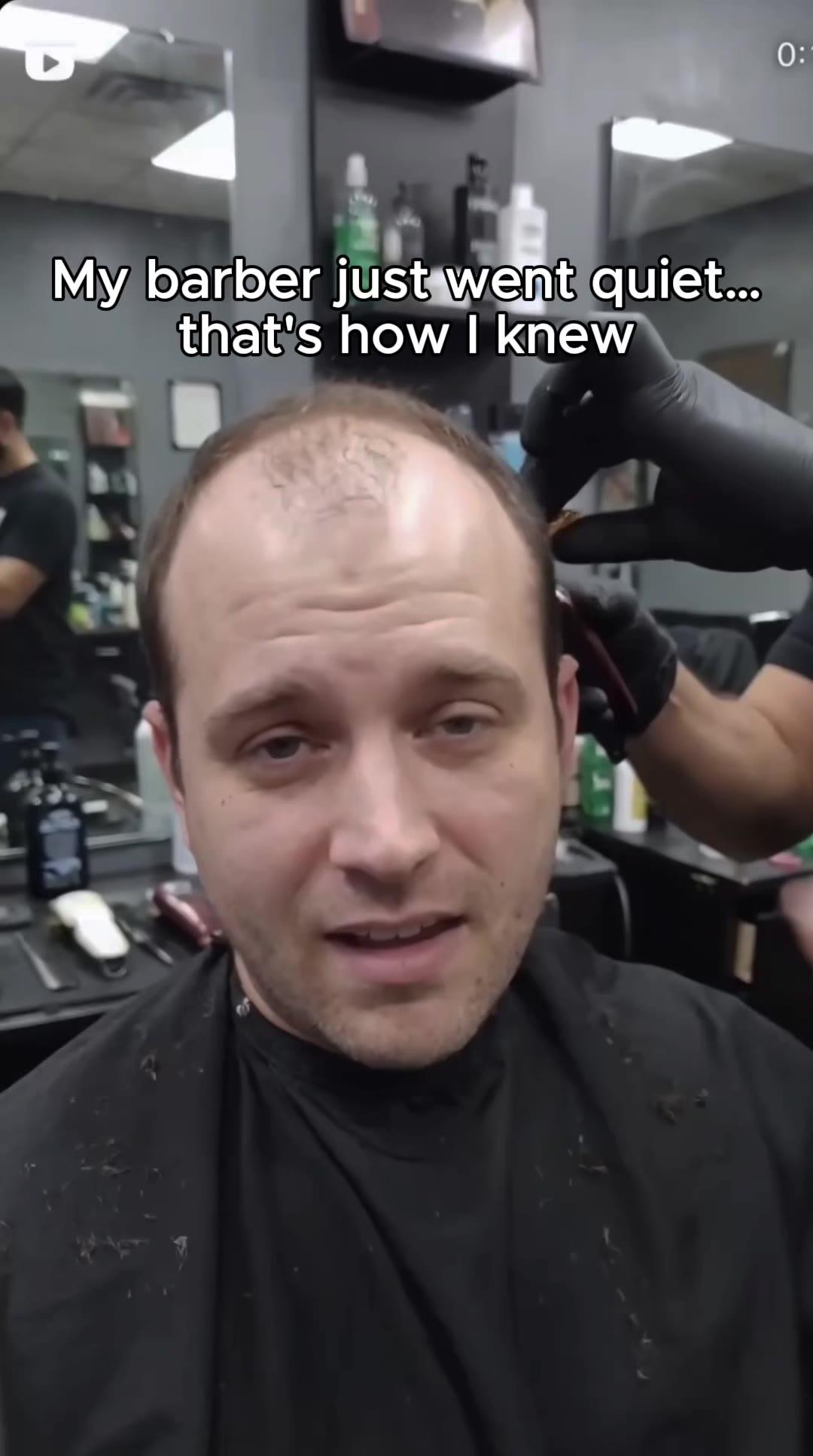



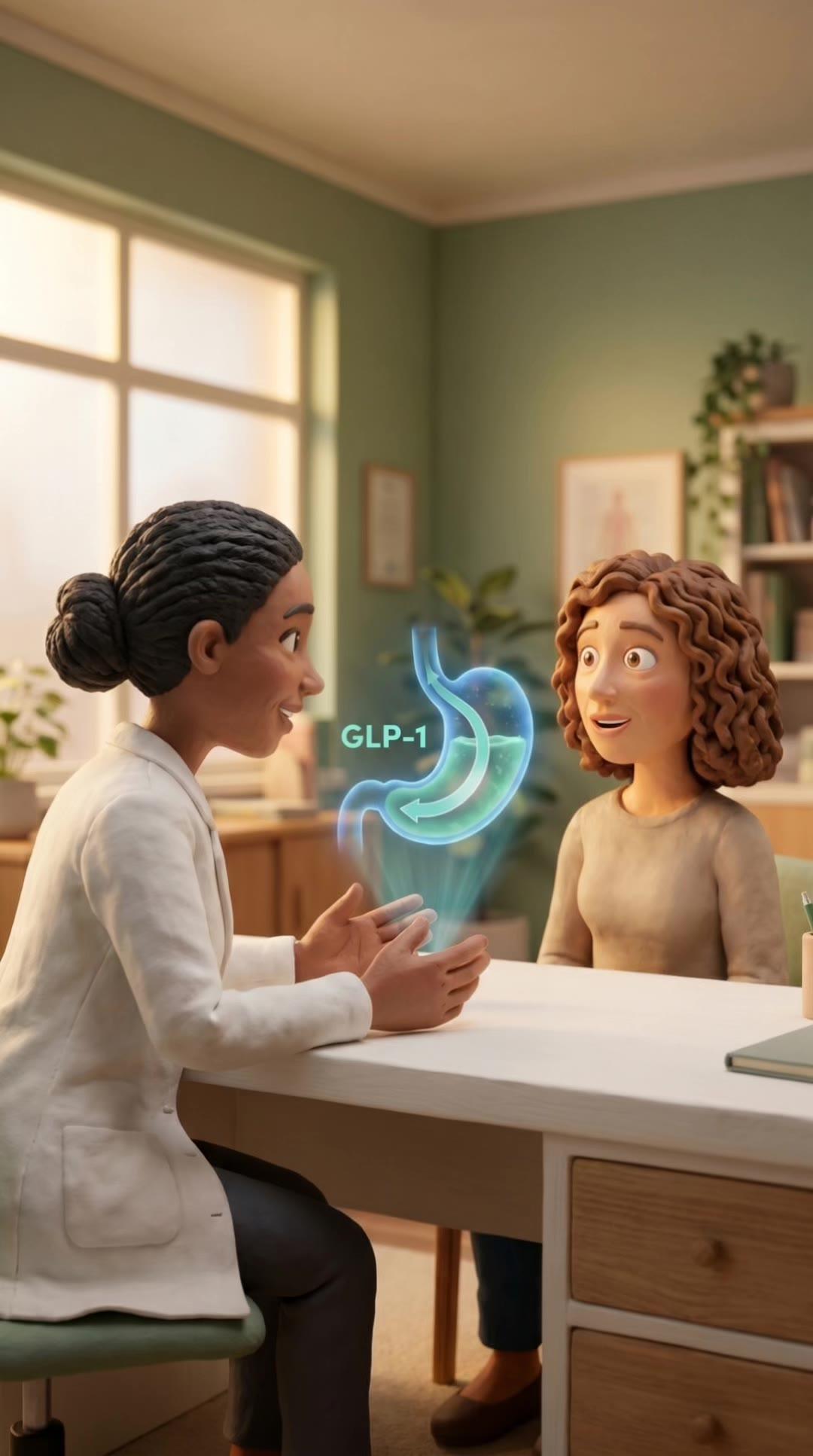
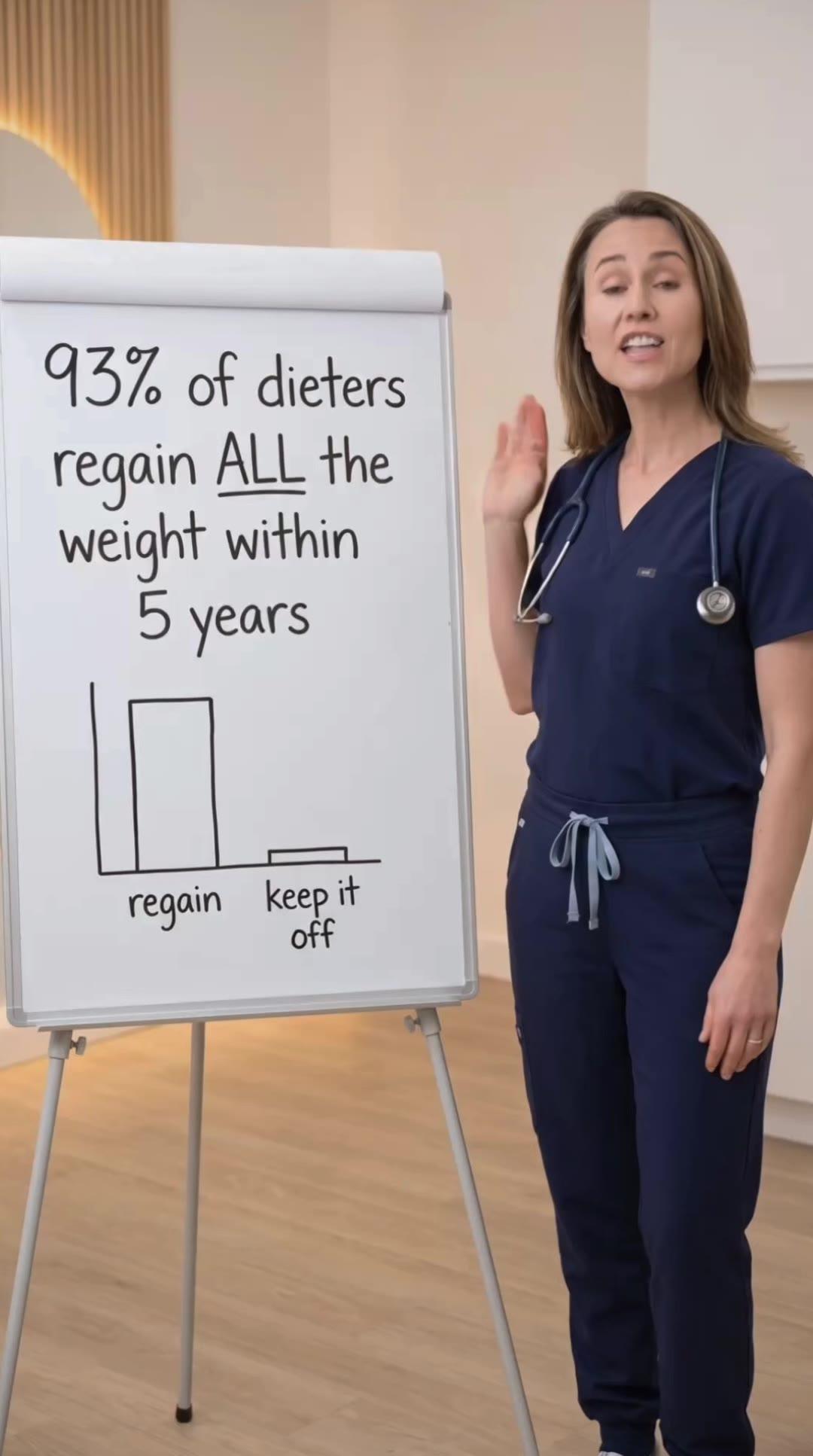
Using AI-generated people in telehealth ads is legal in 2026, but it comes with disclosure requirements that most brands are not meeting. The question is not simply whether you can use AI avatars or synthetic faces in your creative — you can. The question is whether your use of that content creates deceptive representations under FTC guidelines, violates platform policies, or, if you are advertising to audiences in New York, triggers liability under the state's new synthetic performer law that took effect June 9, 2026.
The compliance picture changed significantly in early 2026 as state laws, platform policy updates, and FTC guidance all converged around the same core principle: consumers have a right to know when the person they are watching is not real. For telehealth brands, where trust and credibility are foundational to conversion, this transparency requirement is both a legal obligation and a business interest.
What the FTC Requires for AI-Generated Testimonials
The FTC's endorsement guides, updated in 2023 and interpreted in subsequent guidance, treat AI-generated testimonials and endorsements the same way they treat paid human testimonials. If an AI-generated person appears in your ad and that person is presented as a patient who experienced results from your telehealth service, that is a testimonial — and the FTC's testimonial rules apply in full. You must disclose that the person is AI-generated, and you must ensure that the testimonial does not misrepresent the results a typical patient can expect.
The disclosure must be clear and conspicuous, not buried in fine print. If your video features an AI-generated person saying they lost 30 pounds with your GLP-1 program, a small on-screen label reading "AI-generated" that appears for two seconds is unlikely to meet the FTC's clear-and-conspicuous standard. The FTC has indicated that disclosures need to be presented in a way that a reasonable consumer would actually notice and understand — which typically means audio disclosure in video content, not just visual text overlays that viewers may not register.
Meta's Policy on Synthetic Media
Meta requires advertisers to disclose when an ad contains synthetic media — AI-generated imagery, audio, or video — that depicts real people, events, or places in a realistic way. For telehealth advertisers, this policy has a specific application: if you use an AI-generated face that appears to be a real patient or a real physician, you must disclose this in the ad. Meta's ad review system uses AI detection to identify synthetic content, but detection is not perfect. Ads that pass review are not necessarily compliant — they may still face post-approval action if reported.
The practical guidance from Meta's policies is to label AI-generated content explicitly rather than relying on detection to catch violations. If your ad features an AI avatar, include a visible disclosure in the creative itself and indicate it during the ad creation process. This protects both your ad account and limits your liability if the ad is challenged. Meta has been increasingly active in enforcing synthetic media disclosures in health-related advertising categories, where consumer deception carries higher consequences.
TikTok's Approach to AI Content in Ads
TikTok requires advertisers to label AI-generated content using TikTok's AIGC (AI-Generated Content) label system. For paid advertising, this disclosure is mandatory when the content features realistic AI-generated faces, voices, or scenarios. TikTok's health advertising policies also restrict the types of claims that AI-generated spokespersons can make — an AI avatar claiming to be a doctor or presenting as a patient testimonial faces additional scrutiny beyond the AIGC labeling requirement.
TikTok has also extended its restrictions to ads that use AI-generated voices to simulate doctor endorsements or patient testimonials without clear disclosure. If your telehealth ad uses a synthetic voice reading a patient story, that requires the same disclosure as a synthetic face. The combination of synthetic face and synthetic voice presenting as a real patient without clear disclosure is one of the highest-risk creative formats in health advertising on TikTok right now.
This is what compliant telehealth creative looks like.
See the work →The New York Synthetic Performer Law
New York's digital replica law, effective June 9, 2026, adds state-level legal risk to the federal and platform requirements. The law imposes fines of $1,000 per violation and $5,000 per knowing violation for unauthorized use of a digital replica of a real person in commercial content. For telehealth brands advertising in New York — which includes any paid social campaign that targets New York users — this law applies. See our full breakdown of the New York Synthetic Performer Law for details on what constitutes a digital replica and what written consent is required.
The key distinction in the New York law is between truly novel AI-generated faces — people who do not exist — and digital replicas of real people. If you use an AI image generator to create a fictional patient face, you are not creating a digital replica of a real person, and the New York law does not apply. But if you use AI to generate a video of a real person saying or doing something they did not say or do, you are creating an unauthorized digital replica — and you face liability under the law regardless of whether that person is a public figure or a private individual.
What AI Content Is Actually Safe to Use
AI-generated images and videos of fictional people — faces that no real person owns — are generally safe to use in telehealth advertising, provided you disclose their AI-generated nature and do not present them as real patient testimonials without meeting the FTC's testimonial requirements. AI-generated illustrations, background imagery, and brand visuals that do not depict realistic people making health claims carry minimal compliance risk.
Where AI content becomes risky is when it is used to simulate authenticity that the brand does not actually have — real patients who did not exist, doctors who did not endorse the product, before-and-after transformations that were not real outcomes. The problem is not AI as a production tool. The problem is using AI to manufacture deceptive credibility. Telehealth brands that use AI responsibly — as a creative production tool with appropriate disclosure — face far lower risk than those using it to fabricate social proof. See our analysis of fake doctors and AI physicians in telehealth ads for the specific risk associated with simulated medical professionals.
Building a Disclosure Standard for Your Creative Team
The practical challenge for telehealth brands is building a consistent disclosure standard that their creative team applies automatically, without case-by-case legal review for every ad. A workable internal standard for 2026 looks like this: any creative that features a realistic human face generated or modified by AI requires a clear disclosure in the ad ("AI-generated"); any content presenting as a patient testimonial must be from a real patient with documented consent, or must be clearly labeled as dramatized; any content featuring a person described as a medical professional must either be a real licensed professional or be clearly labeled as an actor.
This standard gives your creative team a yes/no decision framework rather than a grey area. It protects your brand against FTC, platform, and state-level enforcement simultaneously. And it aligns with where consumer trust is heading — audiences in 2026 are increasingly sophisticated about synthetic media, and transparency about AI content often performs better with the health-conscious demographics that make up most telehealth audiences. Review the FTC endorsement rules to ensure your full creator and AI content strategy is aligned.
Related Articles
The New York Synthetic Performer Law and Telehealth Ads
New York's digital replica law, effective June 9 2026, imposes fines up to $5,000 per knowing violation for unauthorized use of synthetic performers in commercial content.
The Legal Risk of Fake Doctors and AI Physicians in Telehealth Ads
Using AI-generated or fictitious medical professionals in telehealth advertising creates FTC liability, state medical board risk, and platform policy violations.
FTC Endorsement Rules for Paid Telehealth Creators
The FTC's updated endorsement guides require clear material connection disclosures for paid creators, including AI-generated testimonials and brand partnerships.
Why TikTok Rejects Telehealth Ads and What Gets Through
The specific content patterns that trigger TikTok rejections for telehealth advertisers — and what compliant telehealth creative looks like on the platform.
Creative built to pass review, and convert anyway.
A 30-minute call. We audit your creative approach and show you exactly what a complete angle-format-hook system looks like for your vertical.