The Legal Risk of Fake Doctors and AI Physicians in Telehealth Ads
Using fictitious or AI-generated medical professionals in telehealth advertising creates liability under FTC endorsement rules, state medical board regulations, and platform policies. Here is what the rules actually say.
Concepts shown are internal creative studies, not client campaigns.


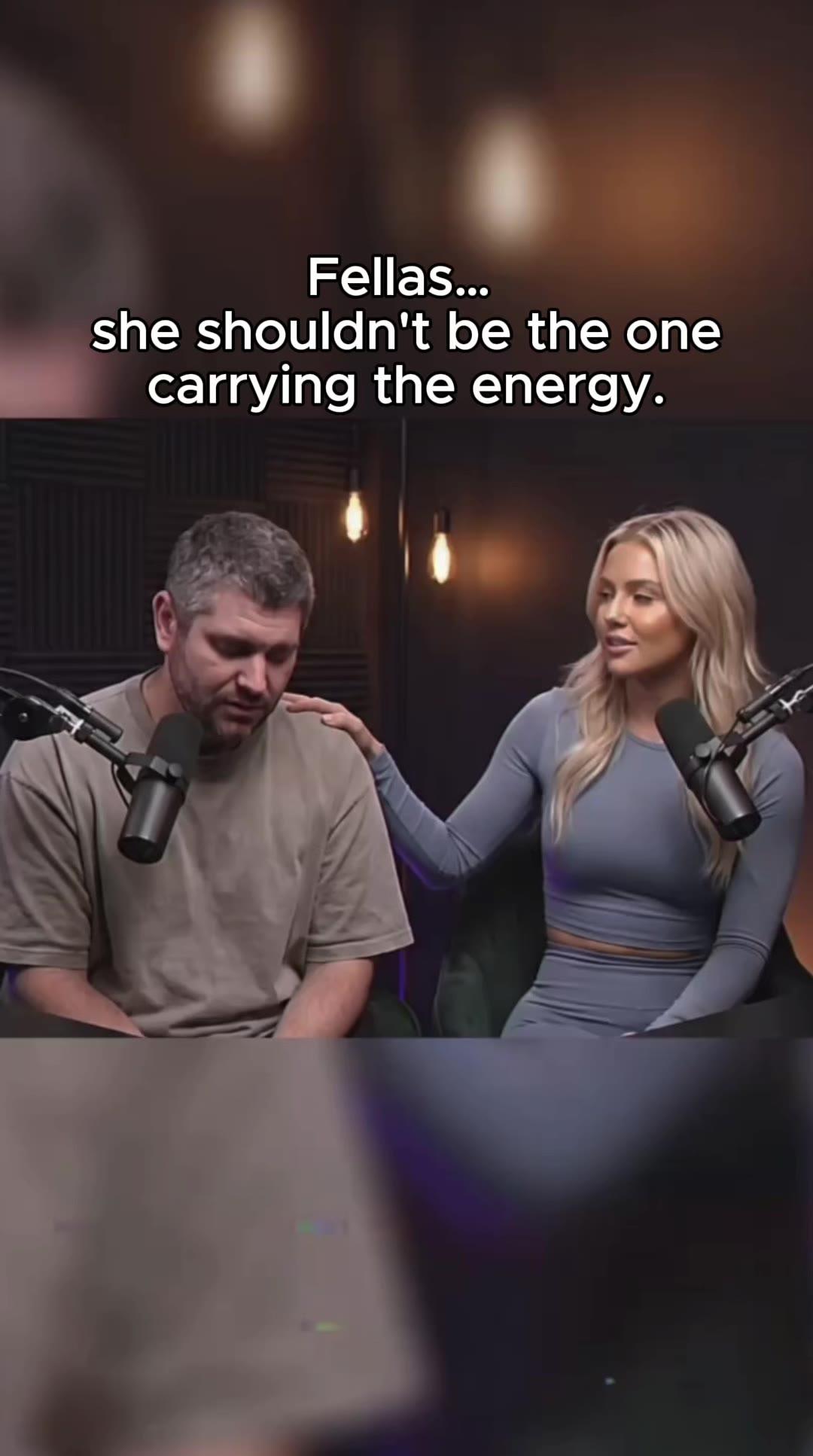
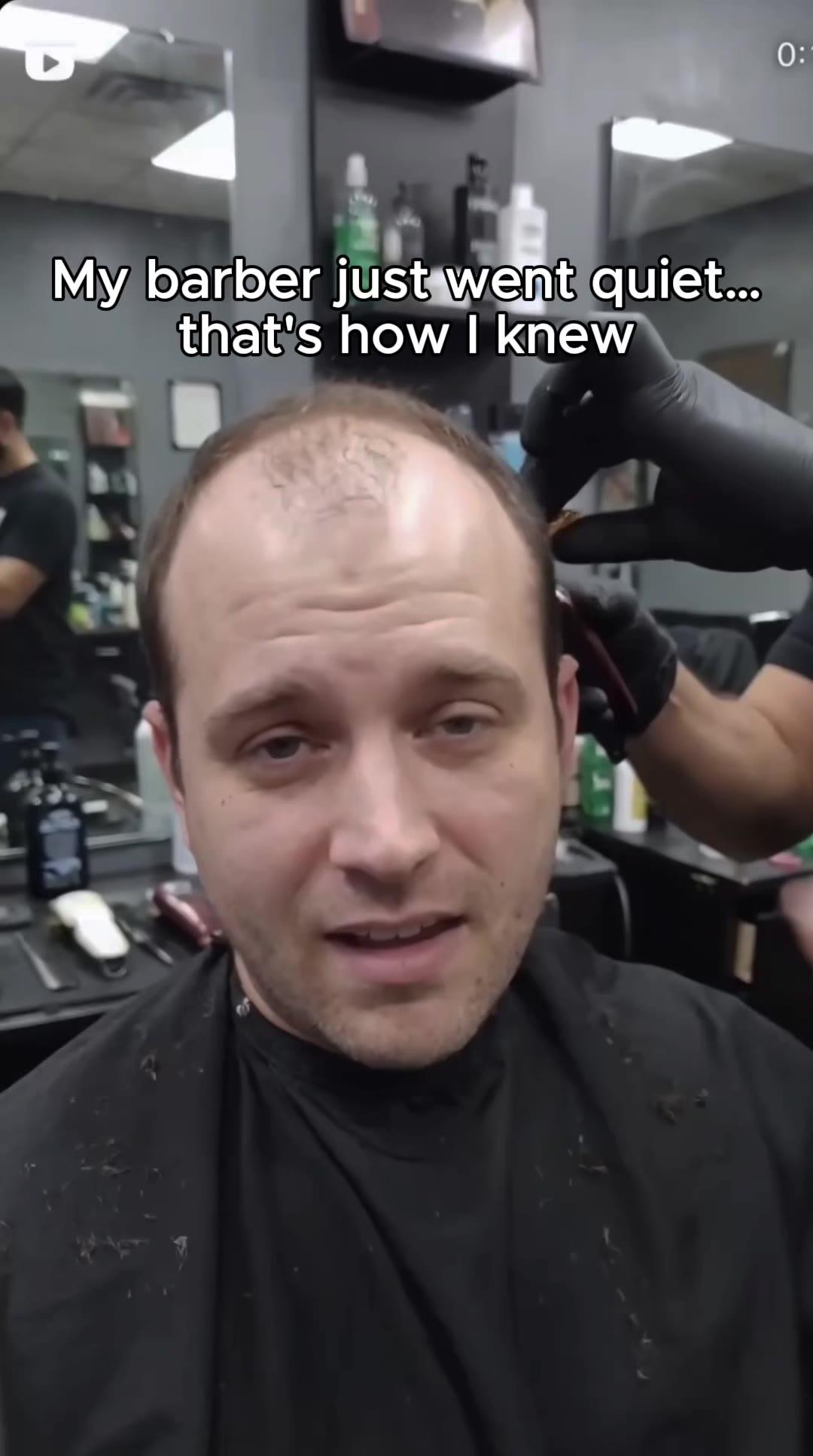



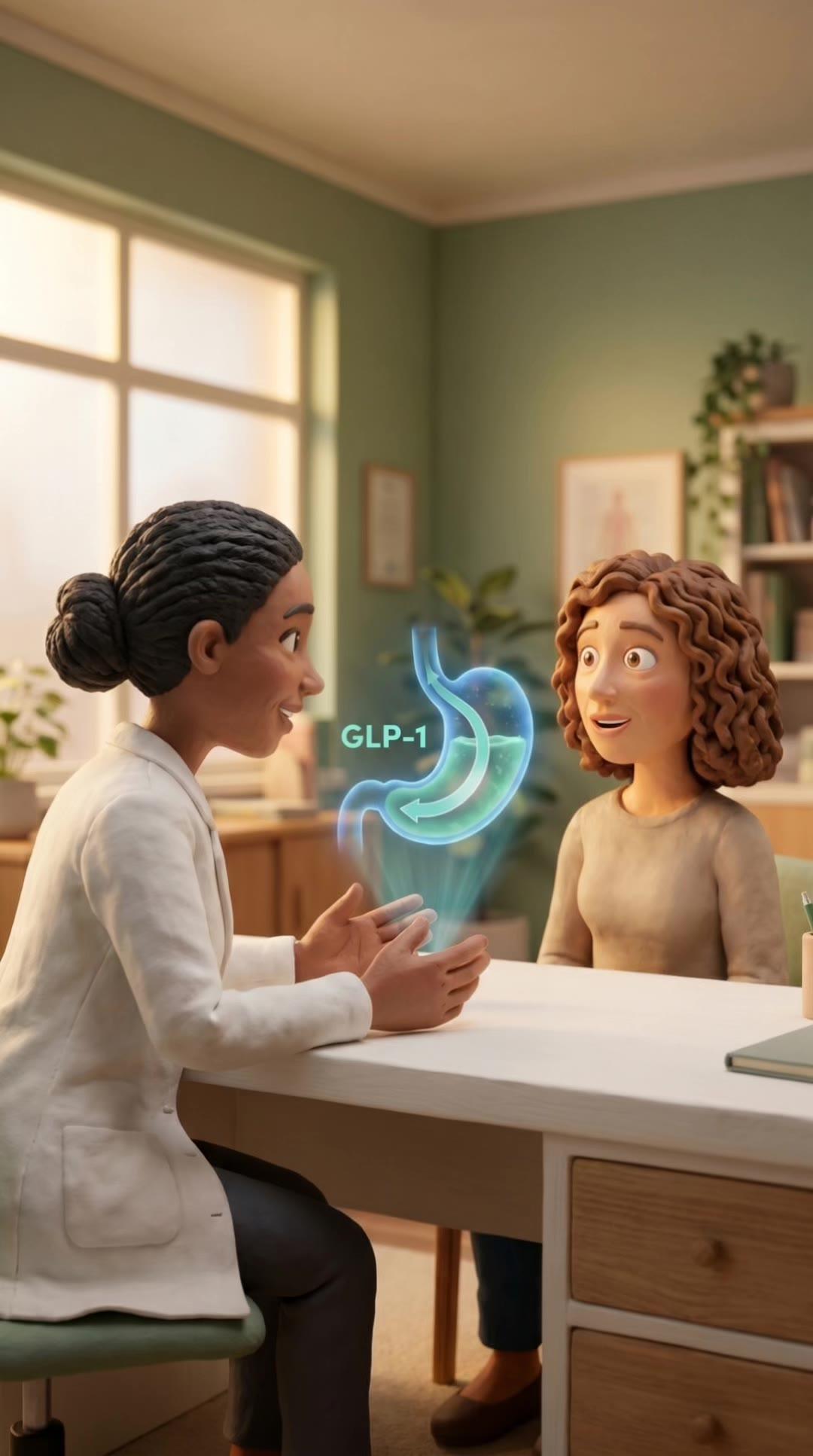
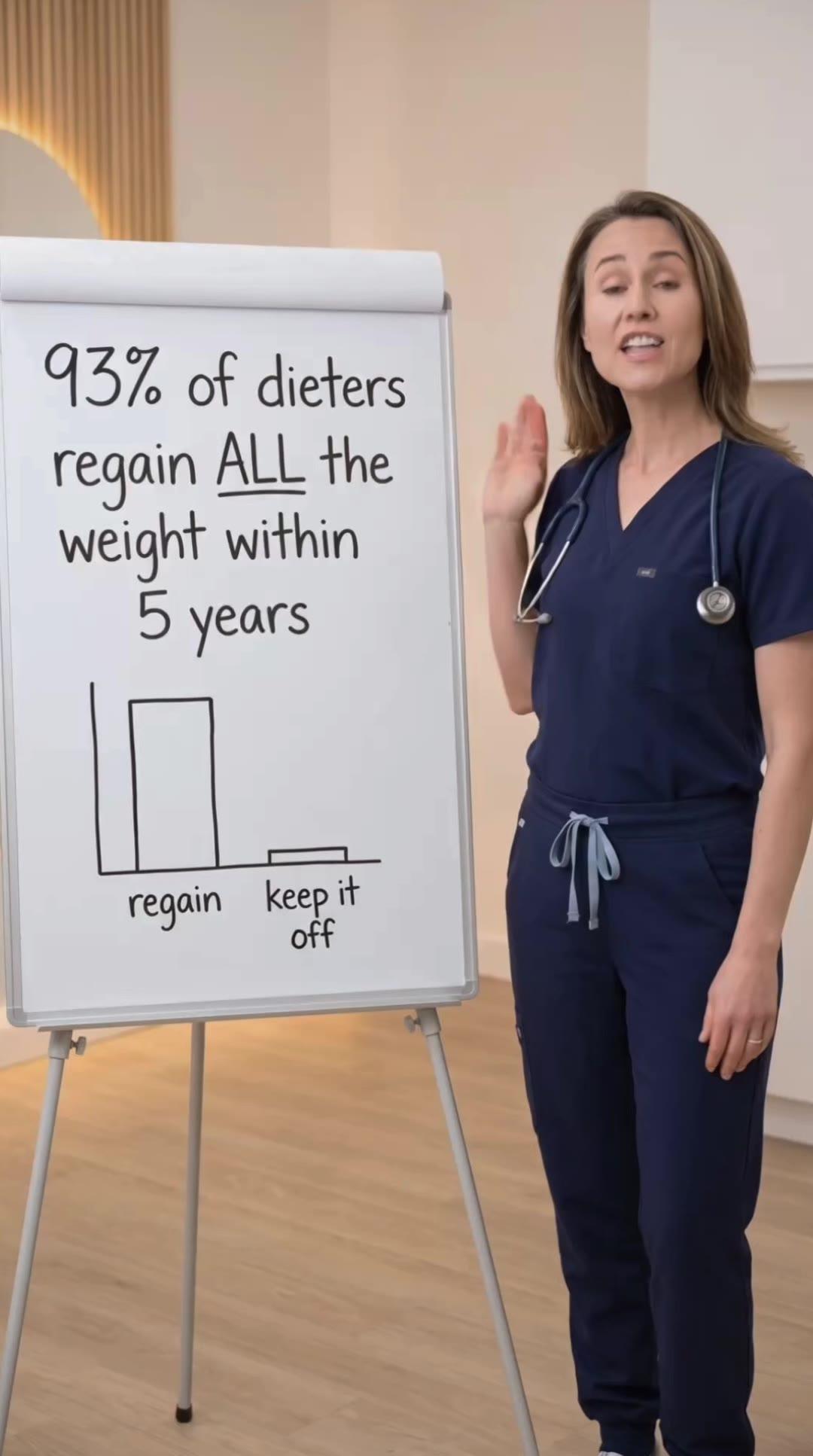
Fake doctors and AI physicians in telehealth ads are a bigger legal problem than most founders realize. The pattern is common: a telehealth brand produces a video featuring an actor in a white coat, or generates an AI avatar presented as "Dr. Smith," who endorses the brand's weight loss program or TRT service. The intention is usually to borrow the credibility that medical authority conveys. The legal exposure that comes with it is substantial, and it operates across three different regulatory frameworks simultaneously.
This is not a theoretical risk. The FTC has taken enforcement action against companies using fake professional endorsements in health advertising, and state medical boards in several states have issued guidance about unauthorized use of physician-like representations in direct-to-consumer health advertising. Understanding what constitutes a "fake doctor" for regulatory purposes — and where the actual lines are — lets you make compliant creative choices without eliminating professional authority as a creative element entirely.
What the FTC Considers a Fake Expert Endorsement
Under the FTC's endorsement guides, an expert endorsement is one in which a person who has relevant expertise — in this case, medical expertise — represents that your product or service is safe, effective, or beneficial. The FTC's rules require that expert endorsements reflect the genuine opinion of a real person who actually holds the claimed expertise. An endorsement from "Dr. Jennifer Reyes, MD" is an expert endorsement whether Dr. Reyes is a real physician or an AI-generated avatar with a fabricated name and credential.
If the physician is fictional, the endorsement is deceptive under FTC Section 5 — period. There is no "actor portrayal" safe harbor for physician endorsements in the way there is for general product testimonials. Consumer research shows that physician endorsements carry disproportionate weight in health advertising decisions. The FTC treats fabricated physician endorsements as a serious deception because they exploit that disproportionate trust in a way that a non-expert endorsement would not.
State Medical Board Exposure
Beyond the FTC, state medical boards have jurisdiction over the commercial use of medical professional representations in advertising. Several states — including California, New York, and Texas — have rules about what constitutes the unauthorized practice of medicine or unauthorized use of medical title designations in commercial contexts. A brand that uses an AI-generated person named "Dr. Smith" in its advertising is making a representation about medical credentials that it cannot substantiate. In states with strong medical practice act protections, this can trigger complaints to the state medical board against the business entity, not just the advertising agency or creator.
The risk is compounded for telehealth brands because you are already operating in a regulated medical context. Your business involves licensed healthcare providers. Using fabricated physicians in your advertising while real licensed professionals operate your platform creates a credibility mismatch that regulatory bodies find particularly concerning — it suggests that the brand is willing to misrepresent credentials in advertising, which raises questions about how the brand represents its actual clinical practices.
Platform Policy on Fictitious Medical Professionals
Meta's advertising policies prohibit ads that make false claims about credentials or expertise. An ad featuring an AI-generated physician who does not exist, presented as if they are a real physician with real credentials, falls into this prohibition. TikTok's policies similarly restrict ads that use unsubstantiated credential claims to promote health products. If your AI physician has a name, a specialty, and a photo presented as real, and none of those elements are real, you are likely in violation of platform policies regardless of whether the ad passes the initial automated review.
Platform violations in this category tend to be discovered through user reports rather than automated review. When a competitor or a consumer reports that the "doctor" in your ad does not appear to exist, platforms take those reports seriously in the health advertising category. The result is typically account-level action rather than just ad removal. Protecting your ad account from this type of complaint is a strong practical reason to keep physician representations real and documented.
This is what compliant telehealth creative looks like.
See the work →The Distinction Between Actors and Fabricated Endorsers
There is an important distinction between using an actor in a white coat for general brand visuals and presenting a fictitious physician as endorsing your product. A brand asset that shows a person in medical attire in a general lifestyle context — without naming that person, without giving them credentials, without having them make claims about your product's efficacy — is different from an ad where a named, credentialed "doctor" speaks directly to the camera about the benefits of your telehealth service. The former is a creative aesthetic choice; the latter is a fabricated expert endorsement.
Many telehealth brands successfully use real licensed professionals who are associated with their platform as advertising talent. A real physician who works with your telehealth company can appear in advertising that reflects their genuine professional opinion, with disclosure of their material connection to the brand. This is substantially safer than any fabricated alternative and often more persuasive, because real physicians can speak with the authentic authority that fabricated endorsements are trying to simulate.
What Safe Doctor-Adjacent Creative Looks Like
Safe approaches to physician authority in telehealth advertising focus on real provider access rather than fabricated endorsement. You can advertise that your platform connects patients with licensed physicians or nurse practitioners without needing a specific physician to endorse your brand. You can mention the credentials of the providers on your platform — "our network includes board-certified physicians" — if that statement is accurate and verifiable. You can use real provider testimonials if the providers are real, their credentials are accurate, and their material connection to your brand is disclosed.
What you should not do is create composite physician characters ("Dr. Sarah, a board-certified endocrinologist" who does not exist), use AI avatars named and credentialed as specific physicians, or present actors as physicians making product endorsements without clear disclosure that they are actors. The disclosure "actor portrayal" can be used when an actor is playing a patient role, but it does not cure the deception problem when an actor is playing an expert endorser — because the FTC's issue with fake expert endorsements is not just about the individual's identity but about the fabrication of expertise itself. Review the FTC endorsement rules to understand the full framework for compliant expert and patient testimonials.
Building a Compliant Creative Approach to Medical Authority
The most sustainable approach to medical authority in telehealth advertising is one that is grounded in the real clinical credentials of your platform. If your telehealth service is staffed by licensed physicians, NPs, or other healthcare providers, those providers are a genuine creative asset. Featuring real providers — with their consent, with disclosure of their professional relationship with your brand, and with content that reflects their genuine professional opinions — gives you the physician-authority creative that converts, without the legal exposure of fabrication.
If producing real provider content is logistically difficult, the alternative is not fabricated providers — it is service-focused creative that does not rely on physician authority at all. Patient outcome stories, service convenience narratives, and access-focused messaging can all perform well in telehealth advertising without any physician representation. The brands that build creative approaches around their genuine clinical differentiation outperform those relying on fabricated credibility in the long run — because the fabricated credibility eventually creates an enforcement event that disrupts everything. See our guide to compliant claims in telehealth ads for the full framework.
Related Articles
FTC Endorsement Rules for Paid Telehealth Creators
The FTC's updated endorsement guides require clear material connection disclosures for paid creators, including expert endorsements from medical professionals.
Can You Use AI-Generated People in Telehealth Ads in 2026
FTC disclosure rules, Meta and TikTok platform policies, and state laws all apply to AI-generated people in telehealth advertising.
Making Compliant Claims in Telehealth Ads: The Complete Guide
What health claims you can make in telehealth advertising. Efficacy statements, outcome claims, and how to communicate benefits compliantly.
FDA Rules for Telehealth Advertising: What You Can and Can't Say
FDA regulations for prescription medication advertising in telehealth. Disease claims, treatment efficacy, and compliance requirements for 2026.
Creative built to pass review, and convert anyway.
A 30-minute call. We audit your creative approach and show you exactly what a complete angle-format-hook system looks like for your vertical.