The New York Synthetic Performer Law and Telehealth Ads
New York's digital replica law, effective June 9, 2026, imposes fines of $1,000 per violation and $5,000 per knowing violation for commercial use of synthetic performers without written consent. Here is what telehealth brands need to know.
Concepts shown are internal creative studies, not client campaigns.

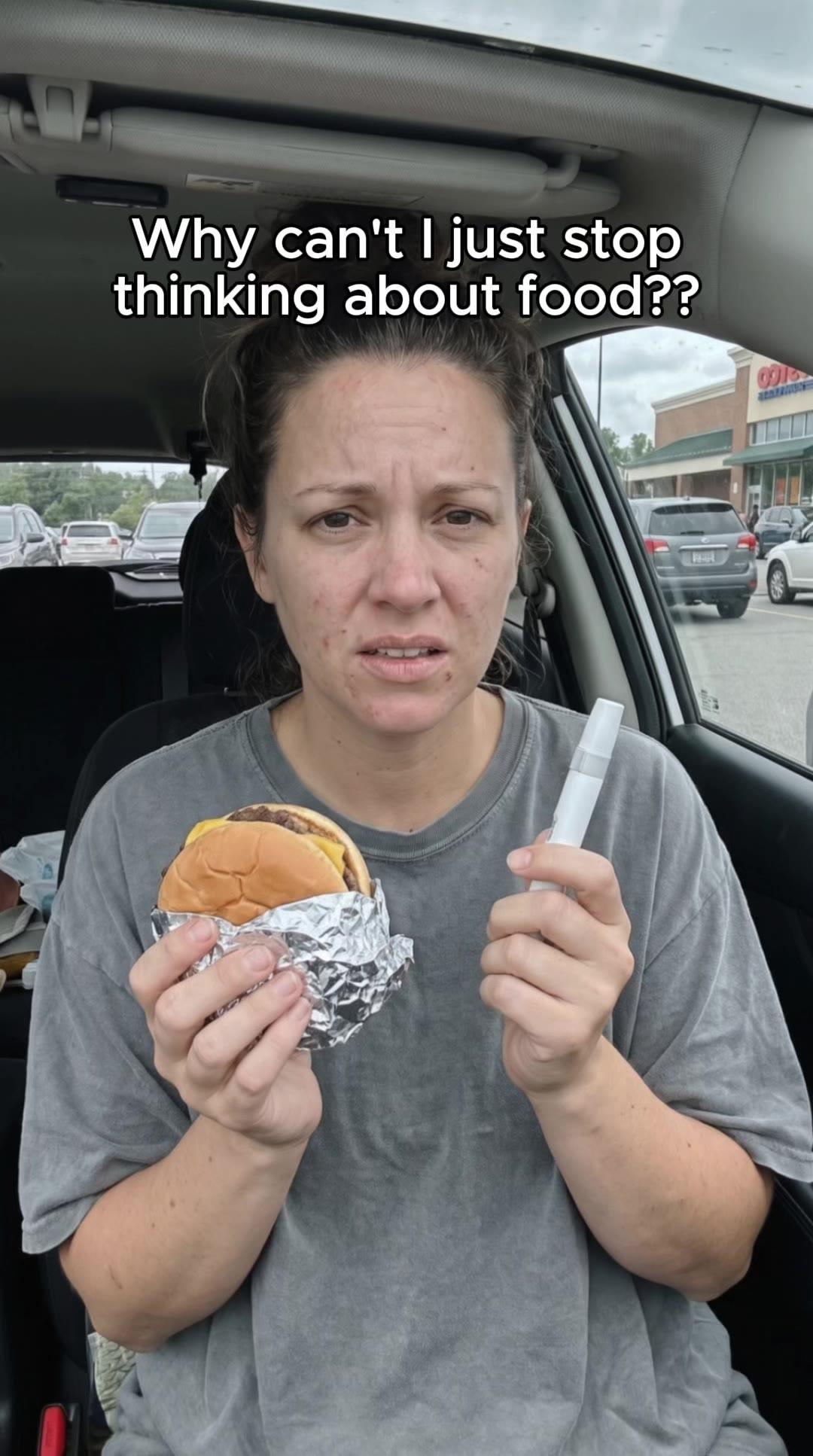
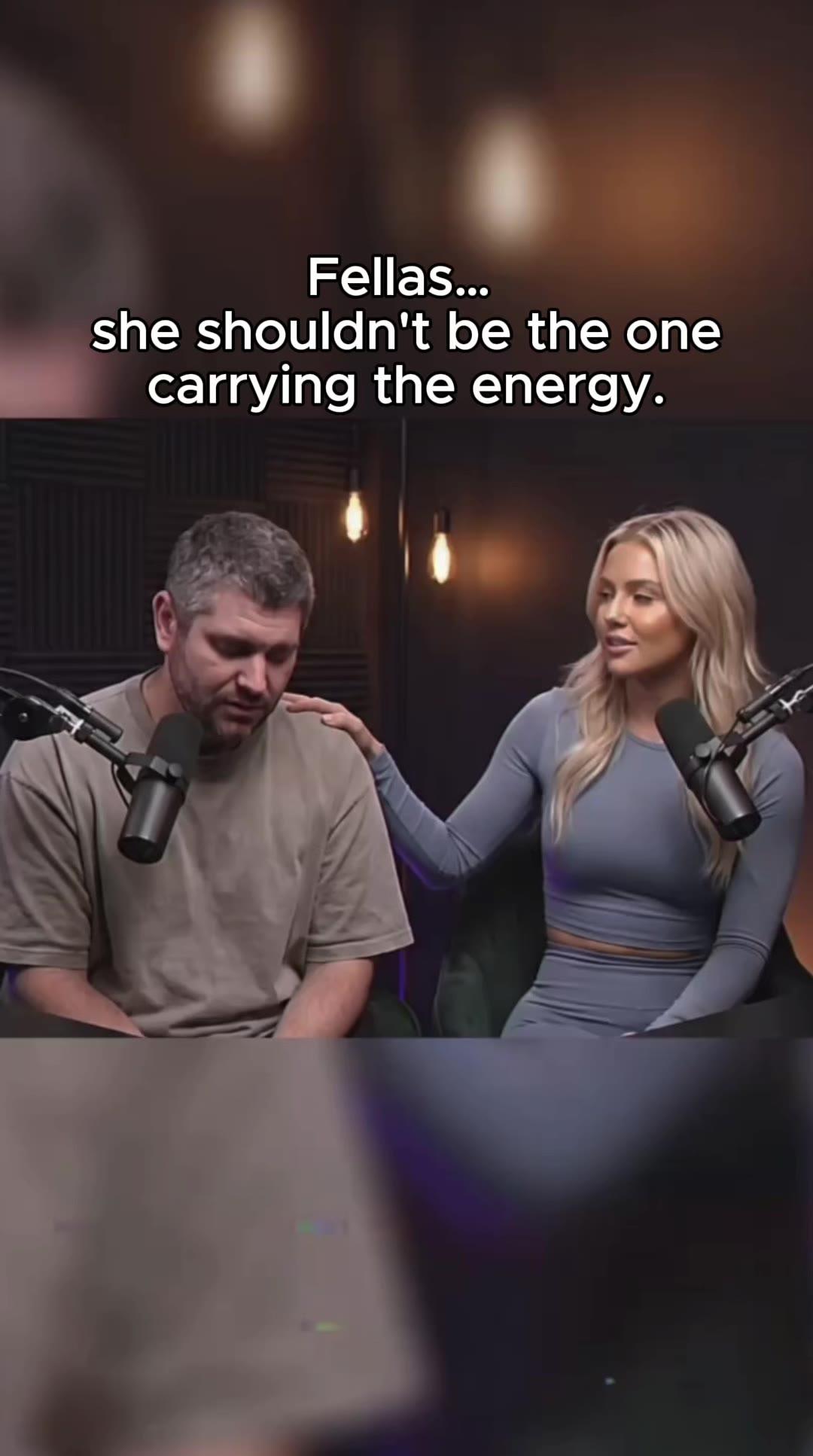
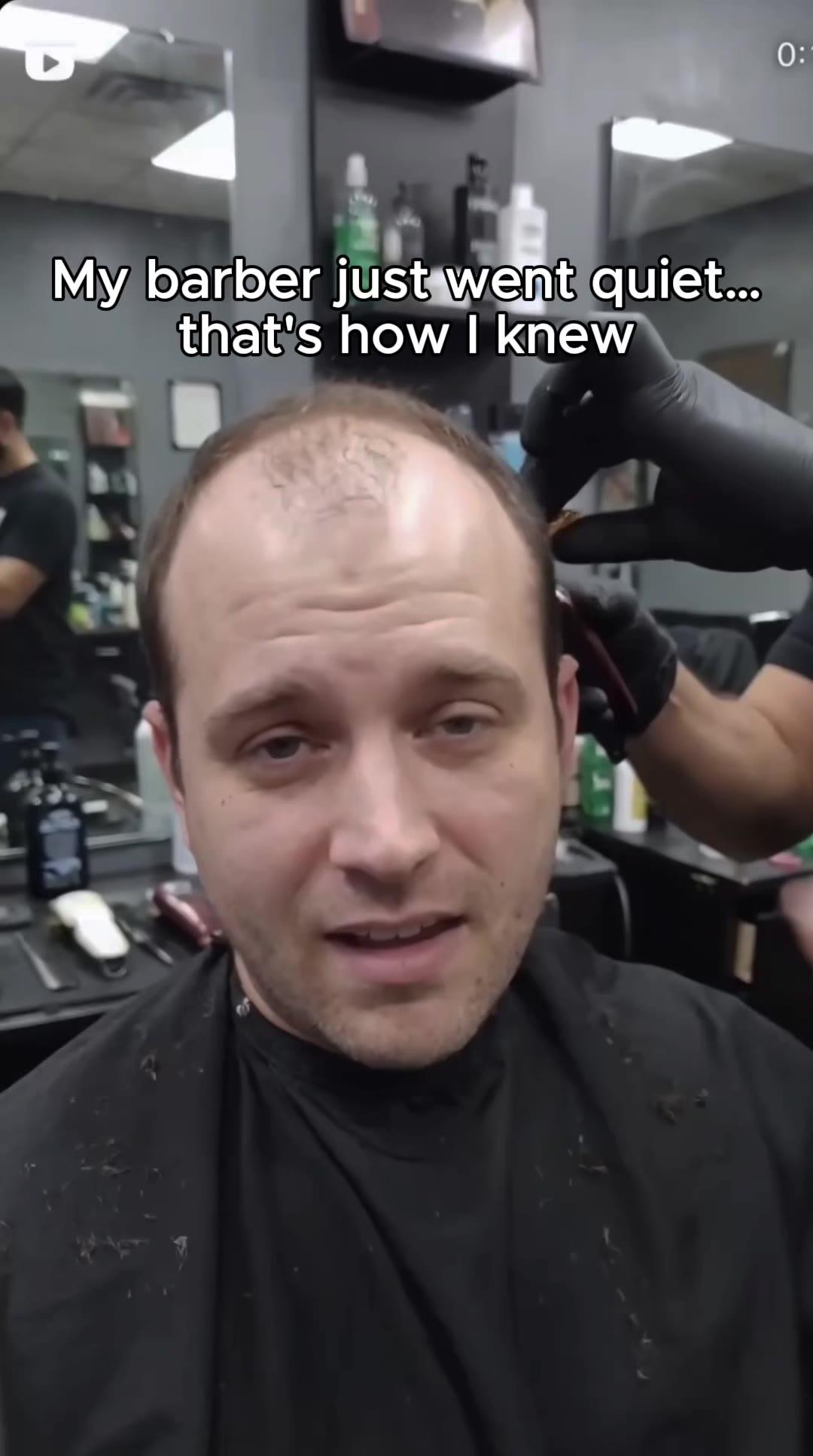

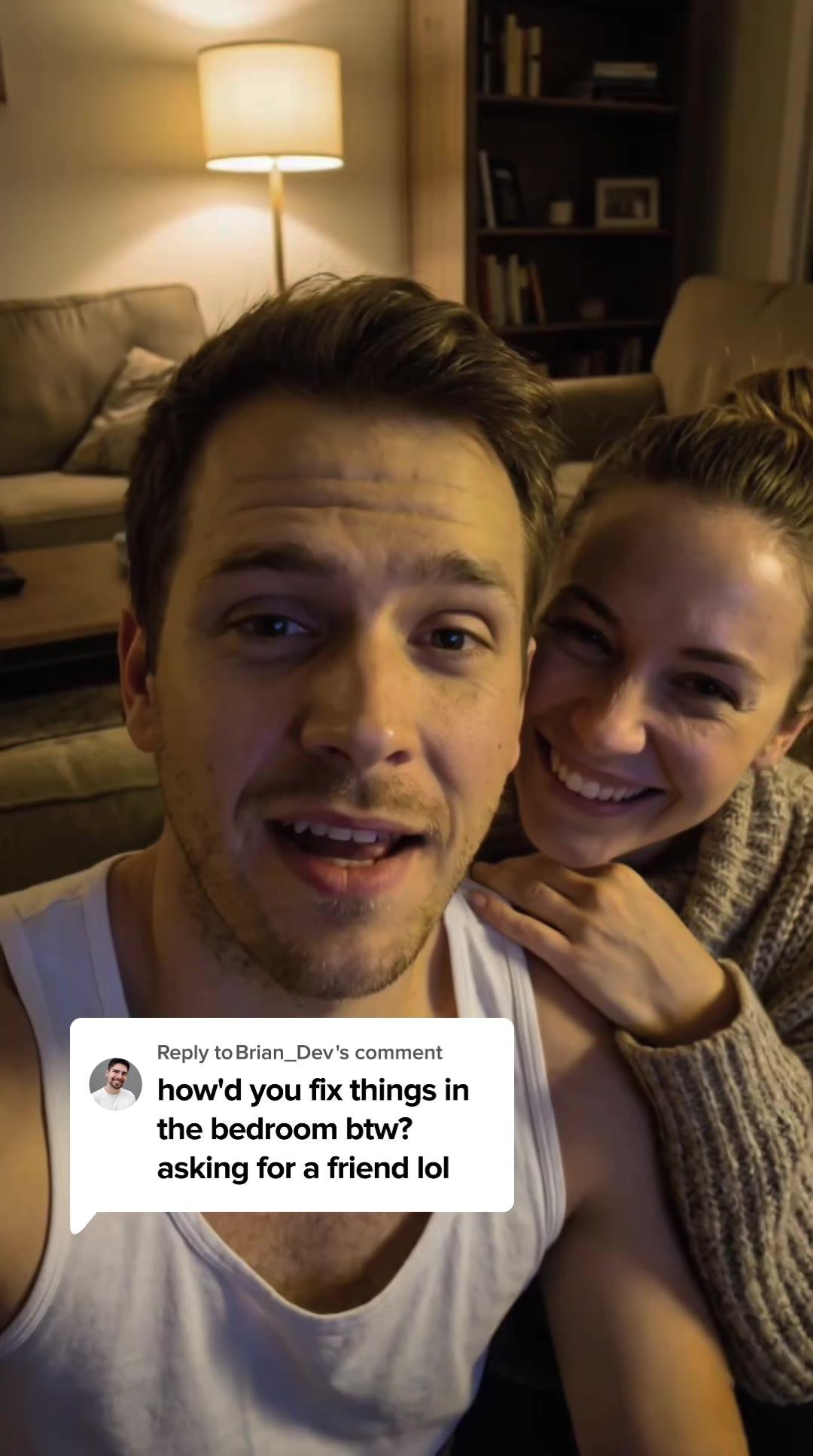

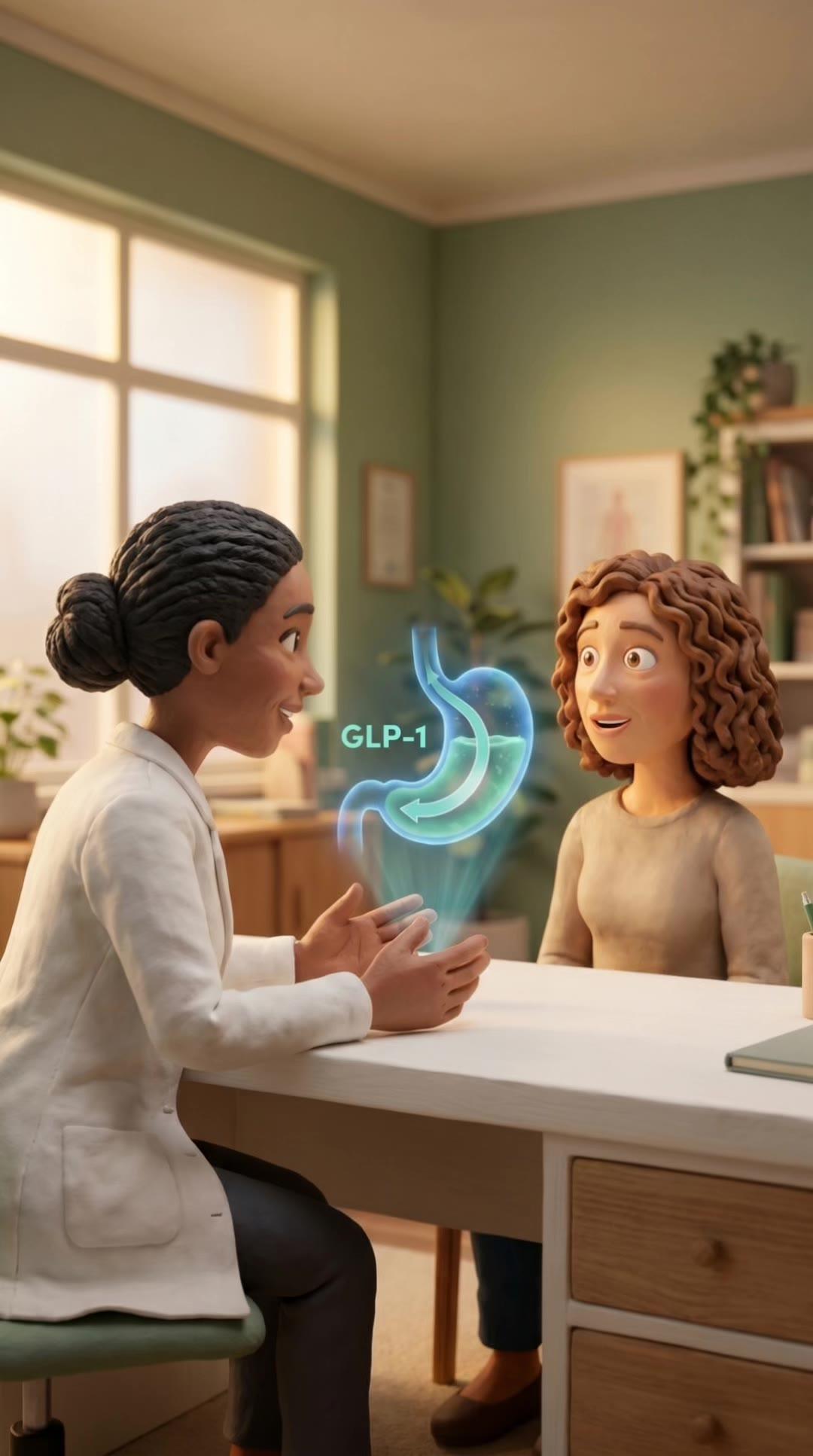
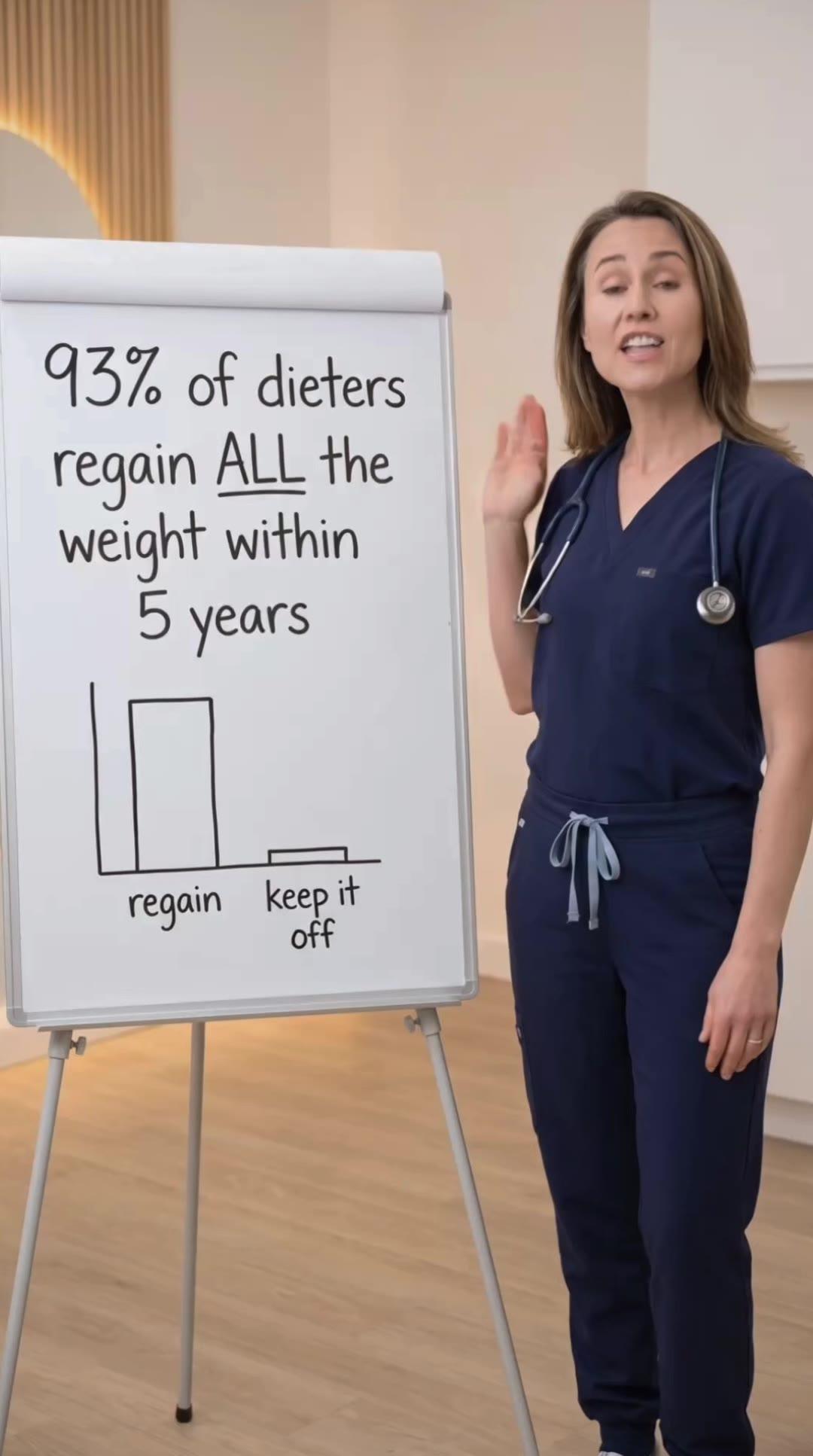
The New York Synthetic Performer Law is the most consequential state-level regulation for telehealth advertising creative in 2026. Effective June 9, 2026, the law establishes a right of publicity for digital replicas of real people used in commercial contexts — including advertising. Any telehealth brand running paid social campaigns that reach New York audiences needs to understand what this law requires, what the penalties are for violations, and how it interacts with federal regulations and platform policies that are already in place.
The law applies to the commercial use of a digital replica — defined broadly as an AI-generated or digitally altered likeness of a real, identifiable person — without that person's written consent. The fines are specific: $1,000 per violation for unintentional violations and $5,000 per knowing violation. In advertising, where a single piece of creative may run thousands of impressions per day across multiple ad sets, the per-violation structure can compound quickly if the violation is discovered and challenged.
What Counts as a Digital Replica Under the Law
The New York law defines a digital replica as a computer-generated or substantially digitally altered depiction of a real individual's likeness, voice, or image that is realistically indistinguishable from the actual individual. This definition covers deepfakes of real people, AI-generated videos that place a real person in a fabricated scenario, voice cloning of a real person's voice used in commercial content, and digitally aged or de-aged versions of a real person used without consent.
What the definition does not cover, based on the law's text, is a novel AI-generated face that does not correspond to any real, identifiable person. If you use an AI image generator to create a fictional patient — someone who has never existed — and that person is not recognizably similar to any real individual, you are not creating a digital replica under the New York law. This is an important practical distinction for telehealth brands that use AI avatars for creative production: wholly fictional AI faces are outside the scope of the law, while realistic depictions of real people generated without consent are within it.
The Written Consent Requirement
The New York law requires written consent from any real person whose digital replica is used in commercial advertising. The consent must be specific to the use — a general photo release or content licensing agreement that predates the AI era is unlikely to satisfy the requirement if it does not specifically contemplate digital replication or synthetic generation. Telehealth brands that have worked with real patients or creators in the past and now want to use AI tools to modify that content — aging them, placing them in different scenarios, or generating derivative versions — need new written consent that specifically addresses digital replica use.
The consent requirement also applies retroactively to content. If your brand has an archive of patient testimonial videos and you use AI to modify those testimonials — even in minor ways, such as changing the background or adjusting the person's appearance — you may be creating a digital replica that requires separate written consent. The safest approach is to treat any AI modification of real person content as requiring a new consent specifically covering digital replica use, regardless of what consents you already have on file.
How the Law Applies to Out-of-State Brands
The New York law applies to commercial use of digital replicas in New York, regardless of where the advertiser is based. If you are a telehealth brand headquartered in Texas or Florida and you run paid social campaigns that reach New York residents — which effectively any national campaign will — the New York law applies to your advertising if it features digital replicas of real individuals. The jurisdictional reach of state right-of-publicity laws is an active area of legal development, but the safest interpretation for multistate advertisers is that if New York residents see your ad, New York law applies.
This does not mean you need to create separate ad sets for New York. It means that the consent and disclosure standards you apply to your advertising should meet the most stringent state standard applicable to your audience. Since New York is among the strictest states for synthetic performer rights, building your consent and disclosure process around the New York standard effectively covers you in most other states as well. See our full overview of state-by-state telehealth advertising rules in 2026 for how other states' laws compare.
This is what compliant telehealth creative looks like.
See the work →The Intersection with FTC Endorsement Rules
The New York law and the FTC's endorsement guides work in parallel, not as alternatives to each other. You can meet the New York written consent requirement and still violate FTC endorsement rules — for example, by having proper written consent for a digital replica but failing to disclose that the "patient" in your testimonial is AI-generated. Conversely, you can disclose the AI-generated nature of a testimonial for FTC purposes but still violate the New York law if you used a real person's digital replica without written consent.
For telehealth brands, compliance with both requirements simultaneously is straightforward: use only wholly fictional AI-generated faces that do not correspond to real individuals, disclose their AI-generated nature in the ad, and ensure that any testimonial-style claims meet FTC substantiation and disclosure requirements. If you want to use real people in AI-modified or AI-enhanced content, obtain written consent that specifically covers digital replica use and maintain that consent documentation. See our overview of FTC endorsement rules for telehealth creators for the federal layer of requirements.
Practical Steps for Telehealth Brands Right Now
The first practical step is auditing your current creative library. Identify any ads, videos, or images that feature AI-modified versions of real people — including brand ambassadors, patient testimonials, or influencer content that has been AI-enhanced or used as a training dataset for AI-generated content. For each piece of content involving a real person, confirm whether your existing consent documentation covers digital replica use under the New York law's definition.
The second step is updating your consent and release agreements for any creator or patient content going forward. The consent language should specifically reference the right to create digital replicas of the person's likeness, voice, and image for commercial advertising purposes, including AI-generated derivatives. This language needs to be affirmatively agreed to — embedded in existing contracts without the person's awareness of the digital replica provision will not satisfy the written consent requirement.
The Broader Trend in State Synthetic Media Law
New York is not alone. California, Illinois, Tennessee, Georgia, and several other states have enacted or are advancing similar digital replica and right-of-publicity protections. The trend is clear: state legislatures are moving faster than federal law on synthetic media, and the protections are getting more specific. Telehealth brands that build their AI content practices around the strictest current standards are better positioned as additional state laws come into effect.
The businesses that will face the most exposure as these laws mature are the ones that built AI content workflows without building the consent infrastructure to support them. If your creative team has been generating AI content involving real people without systematic consent documentation, now is the time to build that infrastructure. The cost of building it proactively is far lower than the cost of litigating violations after a complaint is filed. For additional context on how AI content intersects with telehealth advertising rules more broadly, see our analysis of AI-generated people in telehealth ads in 2026.
Related Articles
Can You Use AI-Generated People in Telehealth Ads in 2026
FTC disclosure rules, Meta and TikTok platform policies, and the New York law all apply to AI-generated people in telehealth advertising.
The Legal Risk of Fake Doctors and AI Physicians in Telehealth Ads
Using AI-generated or fictitious medical professionals in telehealth advertising creates FTC liability, state medical board risk, and platform policy violations.
FTC Endorsement Rules for Paid Telehealth Creators
The FTC's updated endorsement guides require clear material connection disclosures for paid creators, including AI-generated testimonials and brand partnerships.
State-by-State Telehealth Advertising Rules in 2026
A state-by-state overview of telehealth advertising regulations in 2026 — from New York's synthetic performer law to California's healthcare marketing rules.
Creative built to pass review, and convert anyway.
A 30-minute call. We audit your creative approach and show you exactly what a complete angle-format-hook system looks like for your vertical.