UGC for TRT Brands: Finding Creators Who Understand Men's Health
Concepts shown are internal creative studies, not client campaigns.


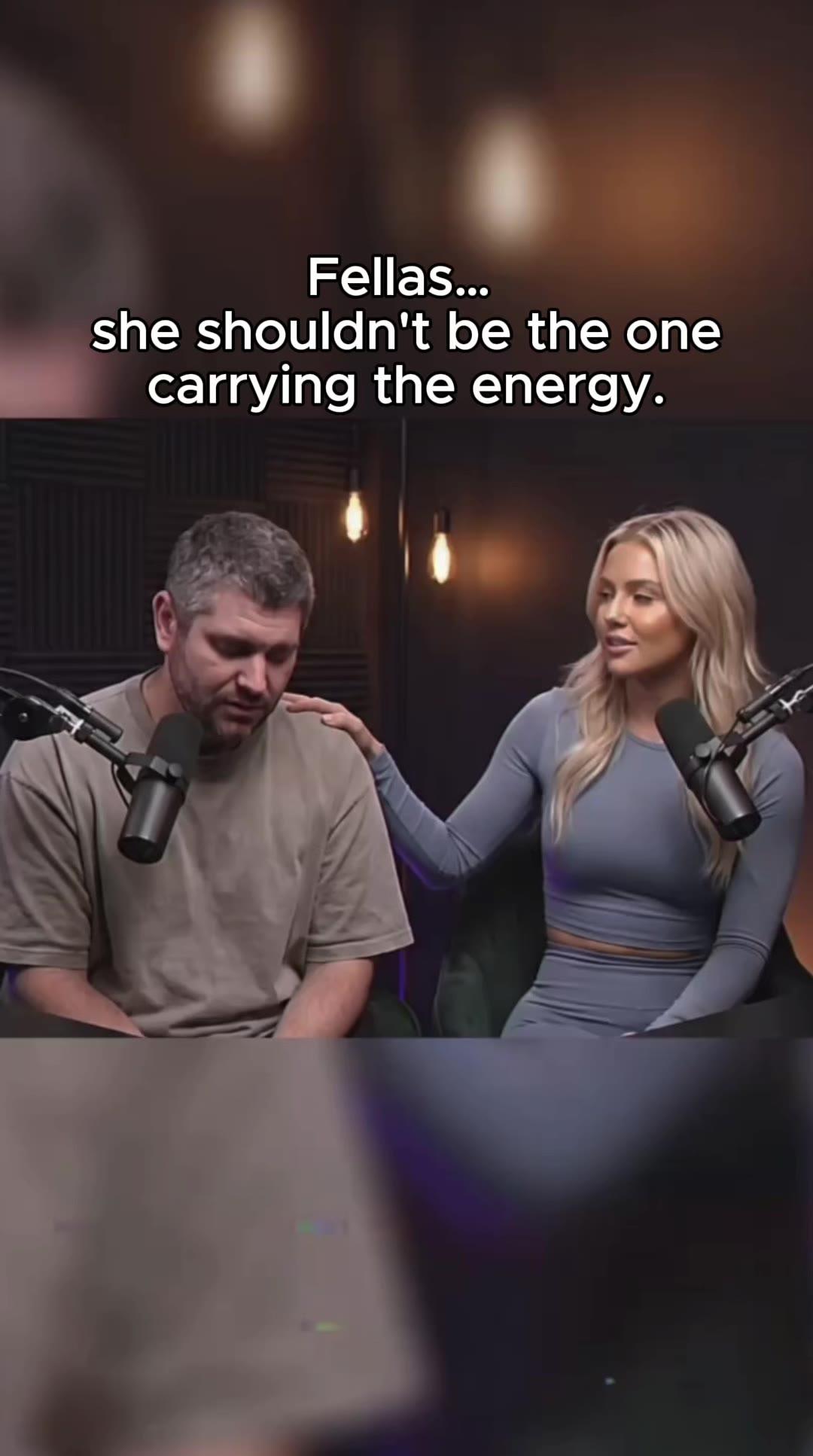
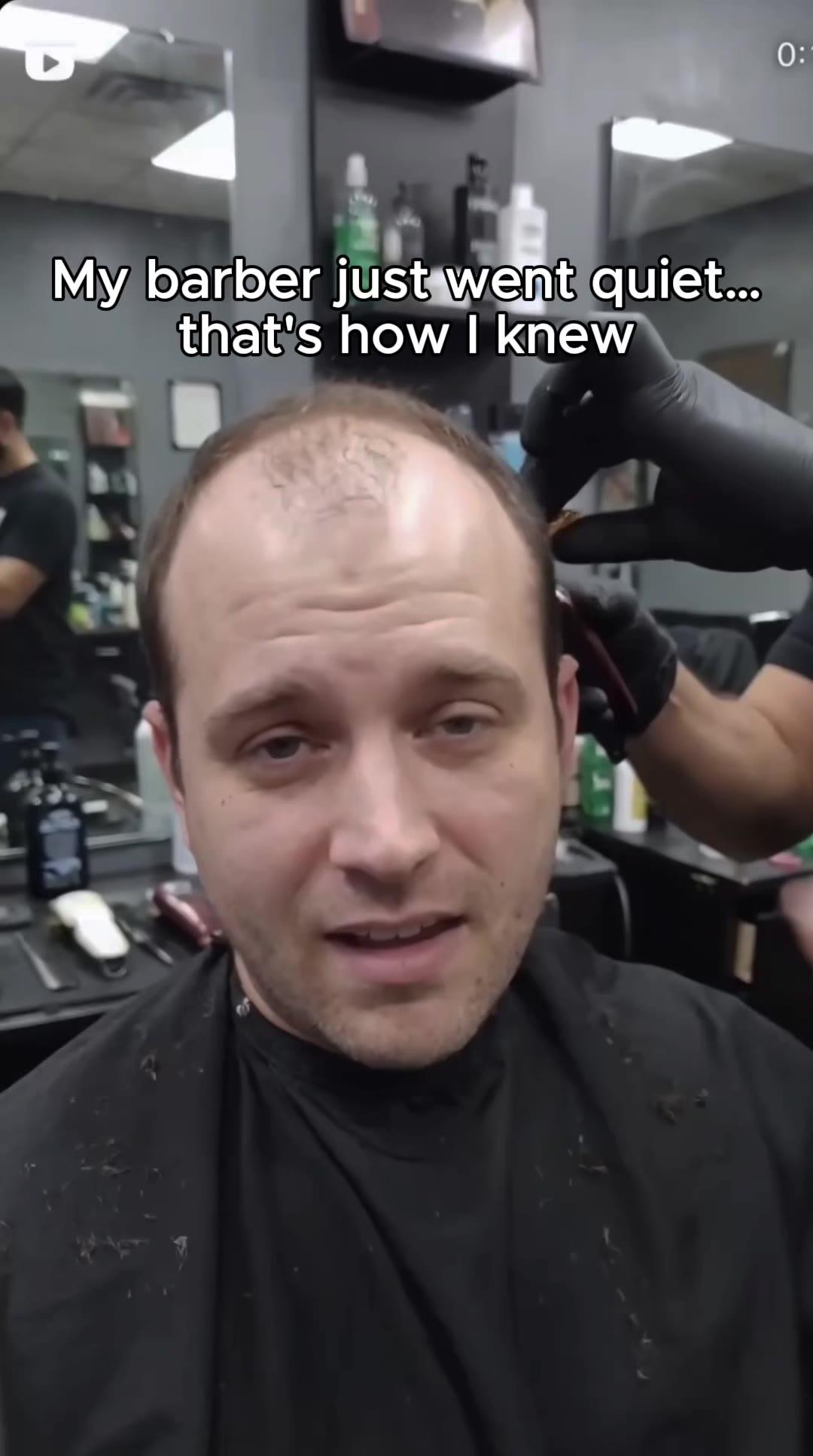

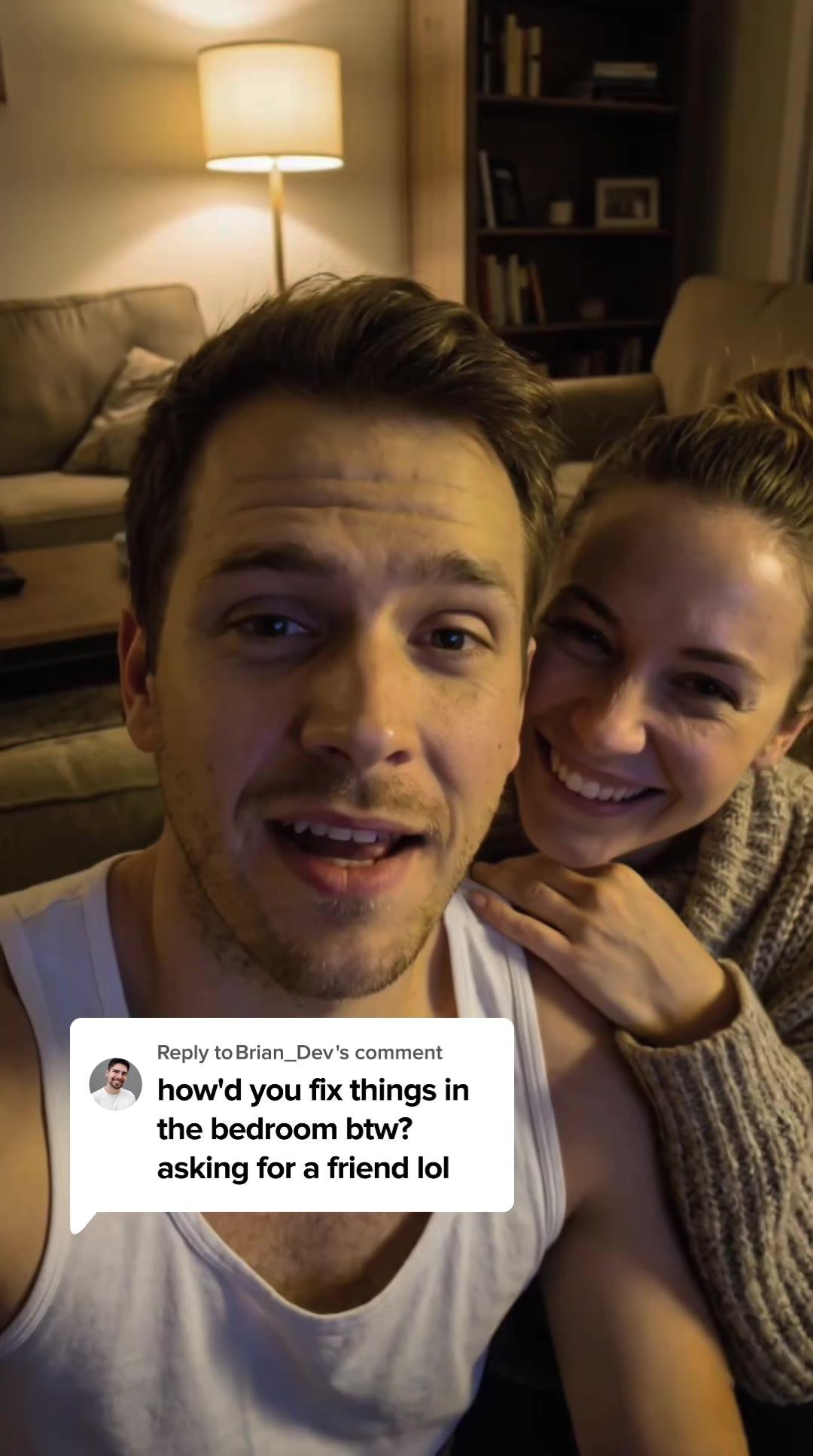

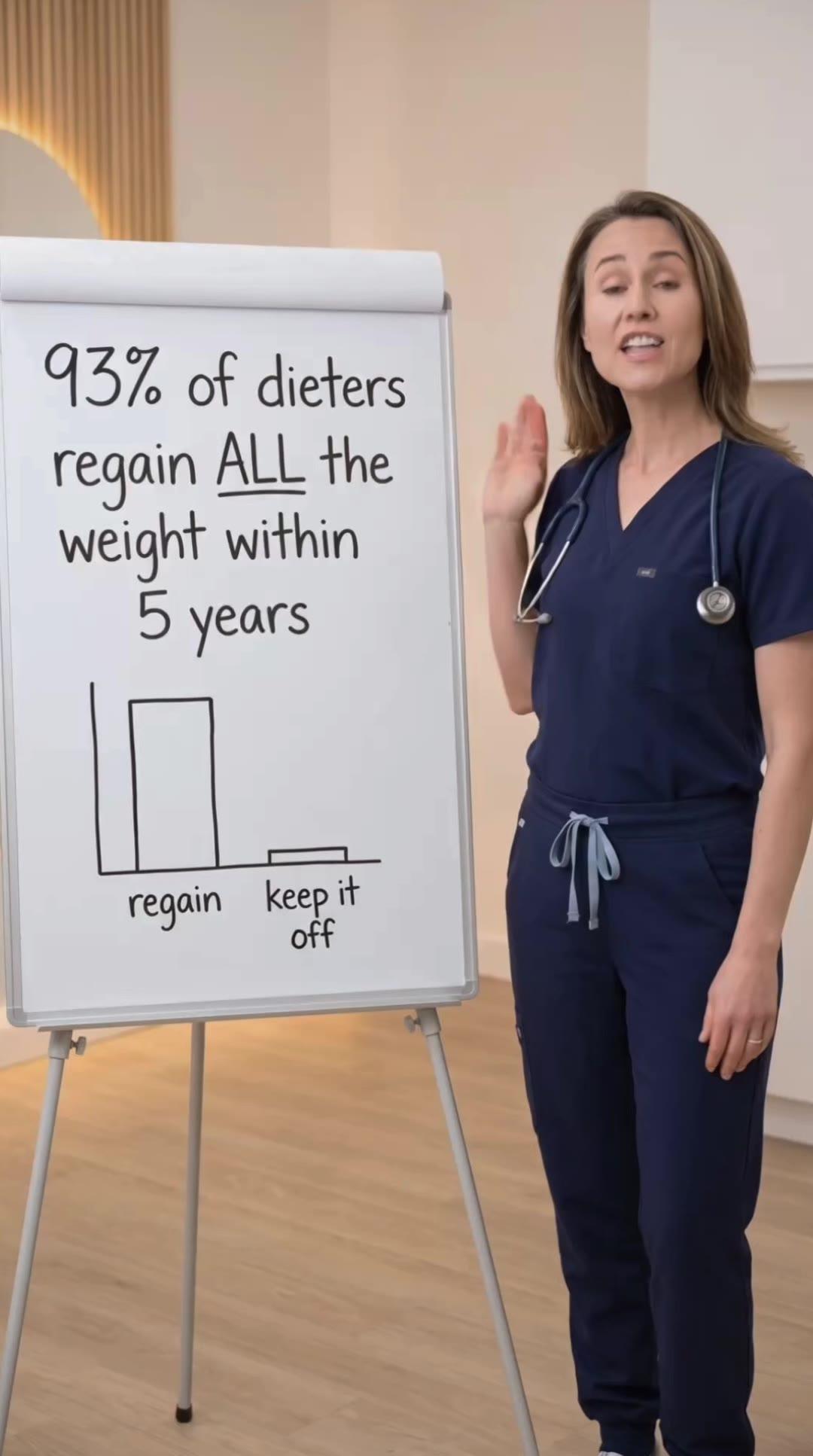
Finding UGC creators for testosterone replacement therapy brands is harder than recruiting for most telehealth verticals. Men are less likely to discuss hormone health publicly than women. The creators willing to talk about low testosterone, declining energy, or sexual health on camera often lack the credibility or polish needed to convert skeptical audiences. And TRT advertising comes with stricter compliance requirements than weight loss or general wellness, which eliminates most generic health creators.
The best TRT UGC comes from men who understand the category from personal experience, can articulate symptoms and benefits without making medical claims, and bring authentic energy to their delivery. They speak the language of men's optimization, not clinical terminology. They address skepticism directly and position treatment as part of a broader health strategy, not a magic fix. This guide explains where to find these creators, how to vet them, and what to prioritize when building your TRT creator roster.
Look for Men Already Talking About Optimization
The fastest way to find TRT creators is to search for men who are already posting about health optimization, fitness, energy management, or performance. These creators are comfortable discussing men\'s health topics and have proven they can create engaging content without crossing compliance lines. They understand the audience because they are the audience.
On TikTok, search hashtags like #testosterone, #trt, #menshealth, #optimization, #biohacking, and #hormonetherapy. Filter by engagement rate and comment quality. Look for creators whose audiences are asking real questions, not just leaving generic praise. Active comment sections signal trust and genuine interest. Also check how creators respond to questions. If they're thoughtful and informative, they'll likely handle your brief well.
On Instagram, look for Reels from men discussing fitness, energy, motivation, or performance improvements. Watch for creators who mention feeling better at 40 than 30, or who talk about getting labs done and optimizing health metrics. These signals indicate they understand the category and may have personal experience with testosterone therapy. Personal experience translates to authenticity in ads, which drives better performance.
Prioritize Age Range and Life Stage
TRT brands need creators across multiple age ranges because different demographics respond to different messengers. Men in their early 30s searching for TRT are usually fitness-focused and interested in optimization. Men in their 40s and 50s are experiencing symptoms like fatigue, low libido, or declining motivation. The creator who resonates with one group won't necessarily connect with the other.
For younger audiences (28-38), recruit creators who talk about performance, gym progress, recovery, or productivity. These men frame TRT as part of an optimization stack alongside sleep, diet, and training. They're proactive about health and willing to invest in performance improvements. Their content should emphasize feeling better, not fixing a problem.
For older audiences (38-55), recruit creators who address declining energy, motivation, or mood. These men aren't looking for peak performance gains; they want to feel like themselves again. Their content should normalize the conversation around age-related hormone decline and position TRT as a practical solution to a common problem. Relatability matters more than aspirational messaging.
Recruit From Your Customer Base First
Your existing TRT customers are your best source of authentic UGC. They're already using your service, understand the benefits, and can speak credibly about their experience. They know what it's like to go through the consultation, receive treatment, and track results over time. That firsthand knowledge creates content that converts because it addresses real concerns with genuine perspective.
Send post-treatment emails asking customers if they're open to creating content. Offer clear compensation and explain what's involved: a 60-90 second video discussing their experience, full usage rights for 12-24 months, and potential use in paid ads. Some men will decline because they don't want to be publicly associated with testosterone therapy. Respect their privacy and move to the next candidate.
When recruiting customers, prioritize those who report noticeable improvements. Look for men who mention better energy, improved mood, stronger workouts, or restored confidence. Results-driven testimonials outperform generic endorsements. Also recruit men who can articulate their symptoms before treatment. The contrast between before and after creates a narrative arc that holds attention and builds trust.
We produce paid social creative exclusively for telehealth brands. From 18 to 200 assets per month.
Get in TouchAvoid Generic Health and Wellness Creators
Most health and wellness creators who post about supplements, fitness, or general lifestyle content are not a good fit for TRT ads. They lack vertical-specific knowledge and often struggle with compliance requirements. TRT advertising requires understanding what language triggers platform rejections, how to discuss hormone therapy without making medical claims, and how to frame benefits authentically. Generic creators don't have this context.
Generic creators also lack credibility with TRT audiences. Men researching testosterone therapy can spot someone reading from a script versus someone speaking from experience. If a 25-year-old fitness influencer is pitching TRT without understanding the symptoms or process, audiences will dismiss the message as inauthentic. Credibility comes from lived experience or deep category knowledge, not follower count.
When vetting creators, check their past content for TRT-adjacent topics. If they've posted about getting labs done, discussing health metrics with doctors, or optimizing hormones naturally, they understand the category. If their content is limited to workout routines and supplement reviews, they're not equipped to create authentic TRT content. Skip them and find someone with relevant experience.
Test Fitness and Performance Creators
Men who create content about strength training, bodybuilding, or athletic performance often have knowledge of testosterone and hormone optimization. Many are already familiar with TRT through gym culture or personal research. They understand how testosterone affects muscle mass, recovery, energy, and performance, which makes them naturals for TRT ads when properly briefed.
Search for fitness creators who discuss topics like recovery, energy management, training volume, or strength plateaus. These creators understand how hormones affect performance and can speak to that connection authentically. Avoid bodybuilders who promote non-prescription anabolic use or make exaggerated transformation claims. You need creators who approach hormone health responsibly and can stay within compliance guardrails.
When working with fitness creators, brief them to focus on optimization and health metrics, not muscle gains or physique changes. TRT ads that emphasize bodybuilding results often get flagged for steroid promotion. Instead, frame the content around energy, recovery, mood, and feeling better during training. This positioning keeps the content compliant while still resonating with performance-focused audiences.
UGC formats we produce for telehealth.
See the work →Consider Credentialed Creators for Education-Focused Content
Credentialed creators like physician assistants, nurses, or health coaches add authority to TRT ads, especially for audiences in the research phase. Men who are skeptical about telehealth or concerned about hormone therapy legitimacy respond well to medical professionals explaining the process. Credentialed creators can address objections, clarify misconceptions, and build trust in ways non-credentialed creators cannot.
Search LinkedIn for PAs, nurse practitioners, or men\'s health specialists who also have active social media accounts. Many healthcare professionals are building side businesses in health education and are open to brand partnerships. When reaching out, clarify that they'll be providing educational information, not medical advice, and that all content must follow platform compliance guidelines.
Brief credentialed creators carefully. They cannot make diagnosis claims, recommend treatment without consultation, or use their credentials to guarantee outcomes. They can explain how testosterone levels are measured, what the consultation process involves, and what men typically experience during treatment. Educational framing leverages their expertise without crossing into medical advice, which keeps the content compliant and effective.
Vet Creators for Compliance Awareness
Before hiring any creator for TRT ads, review their past content for compliance red flags. Look for videos where they make medical claims, guarantee results, or promote non-prescription hormone products. If they've posted non-compliant content organically, they'll likely repeat those mistakes in your ads. Compliance violations get your ad rejected and waste production budget.
Ask creators directly if they've worked with telehealth, hormone therapy, or regulated health brands before. If they have, request portfolio examples and ask how they approached compliance. Creators who understand FTC guidelines, platform policies, and telehealth advertising restrictions are easier to work with and produce usable content faster. Experience matters more than follower count.
Send a sample brief during the vetting process and ask the creator to outline how they'd approach filming. Their response reveals whether they understand the constraints. If they pitch ideas that include before-and-after physiques, muscle gain promises, or language about curing symptoms, they don't understand TRT compliance. Move on to someone who demonstrates awareness of the rules upfront.
Pay Attention to Tone and Delivery Style
TRT ads perform best when the creator's tone is conversational, not clinical or overly scripted. Men researching testosterone therapy are skeptical of sales pitches and respond better to peer-to-peer communication. The creator should sound like someone giving advice to a friend, not reading from a marketing script. Natural delivery builds trust and reduces ad fatigue.
Watch how creators handle sensitive topics in their organic content. If they discuss personal health, relationships, or performance struggles with authenticity and without oversharing, they'll likely handle TRT content well. TRT ads require balancing openness with professionalism. The creator needs to be relatable without being overly vulnerable, and confident without being preachy.
Avoid creators who rely heavily on hype, hyperbole, or exaggerated enthusiasm. TRT audiences are older, more skeptical, and allergic to over-the-top sales tactics. Content that feels like a late-night infomercial will get skipped. Look for creators who speak with calm authority, acknowledge nuance, and respect the audience's intelligence. Thoughtful delivery outperforms high-energy pitches in this category.
Build Long-Term Relationships With Top Performers
Once you find creators who produce high-performing TRT content, lock them in with recurring contracts. Offer monthly retainers for 2-4 videos per month with guaranteed usage rights and whitelisting permissions. Long-term relationships improve content quality because creators learn your brand voice, understand compliance requirements, and refine their messaging based on performance feedback.
Top-performing TRT creators are worth paying above market rate to retain. If a creator consistently delivers videos that drive conversions at or below your target CPA, increase their rate to prevent them from working with competitors. Exclusivity costs more but protects your investment in their credibility and audience trust. A creator whose face becomes associated with your brand is more valuable than rotating through dozens of one-off hires.
Share performance data with your top creators. When their video drives strong results, send them the numbers and explain why it worked. This feedback loop helps them improve future content and reinforces that you value their contribution. Creators who see their impact are more motivated to deliver consistently high-quality work. Treat them as partners, not vendors, and they'll prioritize your projects over others.
Test Diverse Creator Profiles to Avoid Creative Fatigue
TRT brands should test multiple creator profiles to avoid audience fatigue and discover which demographics drive the best performance. Different faces, ages, and messaging angles resonate with different segments of your audience. A 35-year-old entrepreneur discussing productivity and focus connects with a different demographic than a 50-year-old discussing energy and motivation.
Build a roster of 10-15 creators across different age ranges, body types, and backgrounds. Test fitness-focused creators against lifestyle-focused creators. Test credentialed professionals against customer testimonials. Test optimization messaging against problem-solving messaging. Performance data will reveal which creator profiles and angles drive the strongest conversion rates for your specific audience.
Rotate creators based on performance and campaign goals. If you're targeting younger audiences, feature optimization-focused creators. If you're targeting older men, feature relatable testimonials from customers in their 40s and 50s. If you're running educational campaigns, feature credentialed creators. Strategic rotation keeps content fresh, prevents audience burnout, and allows you to match messaging to audience intent.
Need help sourcing and managing UGC creators for your TRT brand? Book a call or explore our creative services.
Related Articles
- UGC Ads for Telehealth: What Works and What Gets Rejected
- How to Find UGC Creators for Telehealth Brands
- Credentialed Creator Strategy for Telehealth: Doctors and Nurses in Ads
- How to Brief UGC Creators for Telehealth Ad Compliance
- How to Build a UGC Creator Pipeline for a Telehealth Brand
- UGC for Female Rx Telehealth Brands
UGC systems built for telehealth.
A 30-minute call. We audit your creative approach and show you exactly what a complete angle-format-hook system looks like for your vertical.