Hair Loss Treatment Advertising Compliance Rules
Hair loss treatment telehealth advertising involves a mix of prescription medications, OTC products, and compounded formulations — each with different compliance requirements on FDA, FTC, and platform levels. The specific rules for 2026.
Concepts shown are internal creative studies, not client campaigns.



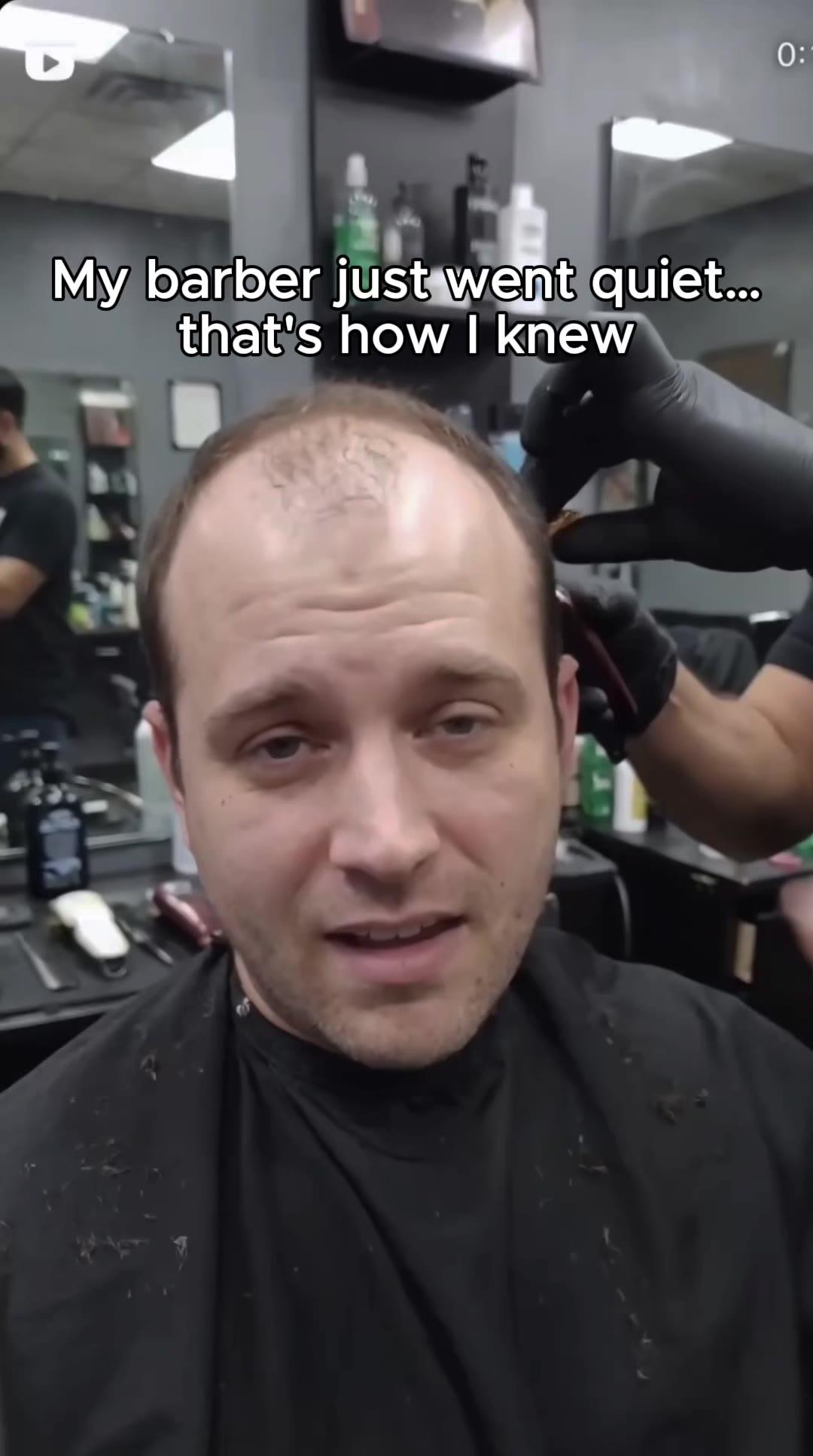





Hair loss treatment advertising compliance rules are shaped by the unusual product mix in the hair loss telehealth category. Most hair loss telehealth brands offer a combination of FDA-approved prescription medications (finasteride, minoxidil prescription strength), FDA-approved OTC products (OTC minoxidil), and compounded formulations (compounded finasteride-minoxidil topicals, compounded dutasteride). Each of these product types carries different advertising rules under FDA's framework, and the FTC's claim substantiation requirements add a further layer of complexity.
The most common compliance mistakes in hair loss telehealth advertising come from treating all of these product types the same — running claims or making comparisons that work for OTC minoxidil but do not apply to compounded topicals, or using clinical trial data from prescription finasteride to support claims about a compounded combination product. Understanding the product-specific compliance requirements is the starting point for building a hair loss advertising program that holds up under scrutiny.
FDA-Approved Versus Compounded Hair Loss Products
Finasteride (branded as Propecia) and minoxidil (branded as Rogaine in OTC form) are FDA-approved for specific hair loss indications. Finasteride is approved for male pattern hair loss; minoxidil is approved for androgenetic alopecia in men and women. Advertising these products in connection with their approved indications is permitted under FDA guidelines, subject to the prescription drug advertising requirements for finasteride and the standard advertising rules for minoxidil.
Compounded hair loss formulations — including compounded finasteride-minoxidil topicals and compounded dutasteride — are not FDA-approved for any indication. Advertising these products requires the same approach as advertising any other compounded medication: focus on the telehealth service and provider access, avoid equivalence claims to branded products, and ensure that any efficacy claims are substantiated independently rather than borrowed from the branded drug's clinical data. The compounded combination formulations present specific challenges because no clinical trial data exists specifically for those combinations, making efficacy claims particularly difficult to substantiate. See our guide on substantiating health claims in telehealth ads for the evidence standard that applies.
Before-and-After Claims in Hair Loss Advertising
Hair loss before-and-after creative faces the same platform policy restrictions as weight loss before-and-after content — Meta and TikTok both restrict it explicitly. Hair regrowth comparison imagery is particularly sensitive because the results are highly variable, individual factors significantly affect outcomes, and the before-and-after comparison format implies a level of predictable efficacy that does not reflect most patients' experience.
The FTC's typical results disclosure requirement applies to hair regrowth claims just as it does to weight loss claims. If your hair loss telehealth advertising features a patient with dramatic hair regrowth — before-and-after imagery or a testimonial describing significant regrowth — you must either substantiate that this result is typical or clearly disclose what typical patients experience. For finasteride specifically, the PLESS clinical trial data provides some substantiation basis for regrowth claims in the approved population, but using that data to substantiate claims about a compounded finasteride-minoxidil topical requires the additional substantiation step discussed above.
This is what compliant telehealth creative looks like.
See the work →Platform-Specific Rules for Hair Loss Advertising
Meta's policies for hair loss telehealth advertising have become more specific over time as the category has grown. The most common rejection trigger is before-and-after imagery in the context of a health condition — Meta's system treats pattern baldness as a health condition and applies its personal health and body image policy to before-and-after hair regrowth comparisons. The alternative that consistently passes Meta review is narrative-based content: a patient talking about the experience of starting treatment, what the telehealth process was like, and how they feel about the change — without showing explicit before-and-after visual comparison.
Google's policies for hair loss telehealth advertising operate similarly to its broader health advertising framework — LegitScript certification is required for prescription medication-adjacent content, and claims must be accurate and substantiated. Google has historically been a strong channel for hair loss telehealth brands because search intent targeting allows you to reach people actively searching for specific treatments, which improves both conversion rates and the relevance of your advertising to the audience seeing it. See our full guide to hair loss treatment advertising on Meta for platform-specific guidance.
Gender-Specific Compliance Considerations
Hair loss telehealth advertising that targets both men and women requires gender-specific compliance attention. Finasteride is not FDA-approved for women and is contraindicated in women of childbearing potential. Advertising finasteride in any way that could reach or appeal to women without clear safety communication creates both FDA and FTC compliance issues. If your hair loss platform serves both men and women, your advertising strategy should either segment clearly by gender or focus exclusively on gender-neutral treatment options (OTC minoxidil, certain laser devices) in gender-combined advertising.
Women's hair loss telehealth advertising has its own compliance considerations — the approved treatments for female pattern hair loss have different clinical data profiles than the male pattern hair loss treatments, and the condition categories (androgenetic alopecia, telogen effluvium, alopecia areata) respond differently to different treatments. Advertising that conflates different types of hair loss or implies a single treatment works for all causes of hair loss creates misleading impression claims that the FTC would treat as deceptive.
Building a Claim Library for Hair Loss Advertising
A practical approach to hair loss advertising compliance is building a claim library — a documented set of pre-approved claims for each product type in your portfolio, with the substantiation for each claim documented in your evidence file. The library separates finasteride claims (substantiated by PLESS trial and Propecia prescribing information), OTC minoxidil claims (substantiated by FDA approval and clinical studies), and compounded product claims (requiring independent substantiation or service-access framing).
Writers and creative directors working on hair loss campaigns draw from the claim library rather than inventing new claims, which ensures that no ad introduces an unsubstantiated claim inadvertently. The claim library is updated when new research is published, when platform policies change, or when an ad receives a rejection that signals a claim has crossed a line the library had not identified. This systematic approach to claims management is more efficient at scale than reviewing each ad for compliance individually, and it builds institutional knowledge about what works in the category. See our compliance checklist guide for the full review process — telehealth ad compliance checklist.
Related Articles
How to Advertise Hair Loss Treatment on Meta
Compliance rules for advertising finasteride, minoxidil, and hair loss telehealth services on Facebook and Instagram.
Compliant Ad Copy for Telehealth: What You Can (and Can't) Say
Write telehealth ad copy that passes platform review and FDA compliance. Claim structure, disclaimers, and language that converts without getting flagged.
FDA Rules for Telehealth Advertising: What You Can and Can't Say
FDA regulations for prescription medication advertising in telehealth. Disease claims, treatment efficacy, and compliance requirements for 2026.
How to Substantiate Health Claims in Telehealth Ads
The FTC's substantiation standard for health claims in telehealth advertising — and how to build a claims evidence file that protects your brand.
Creative built to pass review, and convert anyway.
A 30-minute call. We audit your creative approach and show you exactly what a complete angle-format-hook system looks like for your vertical.