Hair Loss Treatment Advertising on Meta: What Gets Approved
How to advertise finasteride and minoxidil on Facebook compliantly. What Meta allows for hair loss treatment ads and what triggers rejection.
Concepts shown are internal creative studies, not client campaigns.



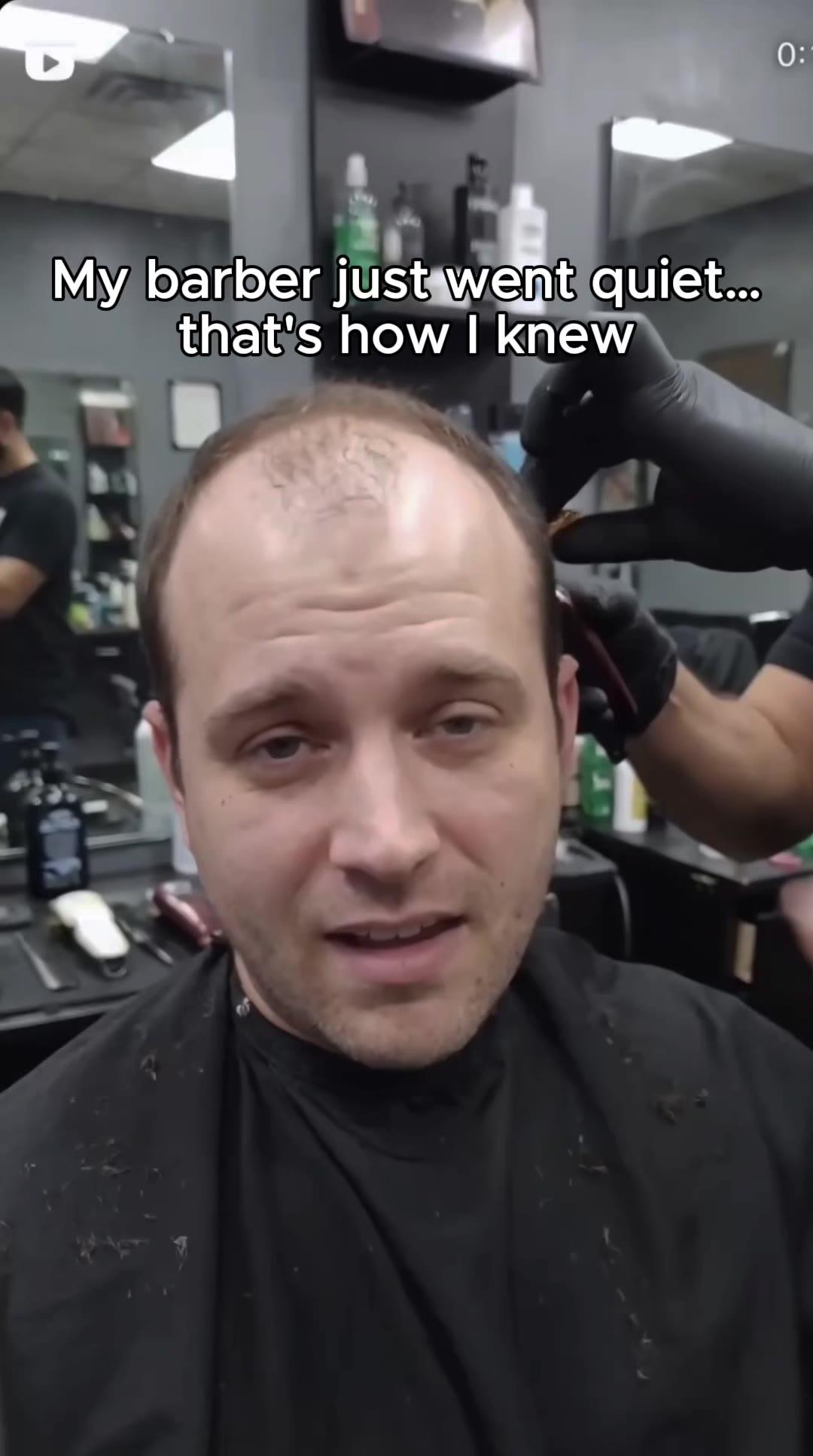





Hair loss treatment advertising on Meta is less restrictive than GLP-1 or ED ads, but it still operates under healthcare advertising policies that most brands misunderstand. The category includes everything from topical minoxidil to prescription finasteride, and Meta treats them differently. Topical treatments face fewer restrictions. Prescription medications face the same scrutiny as other telehealth verticals. If your ad copy makes regrowth guarantees or shows exaggerated before and after results, it will get rejected. This guide explains what works based on managing hair loss ad accounts with combined spend over $8M.
Why Hair Loss Ads Get Approved More Often Than Other Telehealth Categories
Hair loss treatment is not classified as a controlled substance or high-risk medication. Finasteride is a prescription drug, but it does not carry the regulatory weight of testosterone or semaglutide. Minoxidil is available over-the-counter, which makes it subject to supplement advertising rules rather than prescription medication rules. That gives hair loss telehealth brands more flexibility in ad copy and creative than most other verticals.
Meta still enforces healthcare advertising policies for hair loss brands, but the review process is more lenient. You can discuss hair regrowth outcomes as long as you include proper disclaimers. You can show before and after imagery as long as you clarify that results vary. The threshold for rejection is higher, which means more creative formats pass review.
What You Cannot Say in Hair Loss Ads
Do not guarantee regrowth or hair restoration. "Regrow your hair in 90 days" fails review. So does "reverse hair loss permanently." Meta treats these as unsubstantiated medical claims. You can say "finasteride and minoxidil are clinically proven to support hair growth," but you cannot promise specific results for individual patients.
Do not compare your product to brand-name treatments like Propecia or Rogaine. Meta treats trademark comparisons as misleading advertising. You can reference the active ingredient (finasteride or minoxidil), but you cannot position your service as "generic Propecia" or "Rogaine alternative."
Do not use exaggerated before and after imagery. Meta allows hair transformation photos, but they must be realistic and include disclaimers. If the before photo shows complete baldness and the after photo shows a full head of hair, Meta assumes the transformation is fabricated or misleading. Use realistic progressions and always overlay "results not typical" or "individual results may vary."
What Passes Review for Hair Loss Ads
Evidence-based claims with proper disclaimers. "Clinical studies show finasteride reduces hair loss in 85% of men" is compliant as long as you cite the source and clarify that individual results vary. You are referencing published research, not making patient-specific promises.
Physician-led content explaining treatment options. Ads featuring licensed doctors discussing the causes of hair loss and how prescription treatments work pass review reliably. These ads build credibility and avoid the compliance risks of patient testimonials or influencer endorsements.
Before and after imagery with visible disclaimers. Hair loss is one of the few telehealth verticals where transformation photos are allowed. The key is to make disclaimers prominent. Overlay "results not typical" in text for at least three seconds. Include voiceover stating "individual results vary." Meta's review system looks for these elements, and their absence triggers rejection.
This is what compliant telehealth creative looks like.
See the work →The Creative Formats That Work for Hair Loss Brands
Patient testimonials about the process, not just the results. A patient can say "I noticed less shedding after three months" as long as the ad includes a disclaimer. That describes a personal experience, not a guaranteed outcome. A patient cannot say "finasteride cured my hair loss" without triggering rejection. The word "cure" is a medical claim that Meta does not allow.
Educational explainers on hair loss causes. Ads that discuss androgenic alopecia, DHT blockers, and how finasteride works perform well in review. These ads position your brand as a healthcare resource, not a miracle cure seller. The call-to-action should lead to a consultation or more information, not an immediate purchase.
Progress updates over time. Show a patient at month 0, month 3, month 6, and month 12. This format demonstrates realistic timelines and sets proper expectations. Meta is more lenient on transformation content when it shows gradual progress rather than overnight results.
How to Advertise Finasteride vs Minoxidil
Finasteride is a prescription medication, which means your ads must clarify that treatment requires medical evaluation. You cannot sell finasteride without a prescription, and your ads must reflect that. "Get a prescription for finasteride from a licensed provider" is compliant. "Order finasteride online" is not, because it implies direct purchase without physician oversight.
Minoxidil is available over-the-counter, which gives you more flexibility. You can advertise minoxidil as a direct purchase without mentioning prescriptions or consultations. But you still cannot make unsubstantiated regrowth claims. "Minoxidil supports hair growth" is compliant. "Minoxidil regrows hair in 6 weeks" is not.
If your telehealth brand offers both finasteride and minoxidil, structure your ads to highlight physician oversight for finasteride and convenience for minoxidil. The value proposition is different, and the compliance requirements are different.
What to Do If Your Hair Loss Ad Gets Rejected
Request manual review and provide documentation that your claims are supported by clinical research. If your ad references a study, include the study link in your appeal. Meta's automated system cannot verify medical claims, but human reviewers can assess whether your ad is based on legitimate science or exaggerated marketing.
If the appeal fails, revise your ad copy to remove any language that implies guaranteed results. Replace "regrow your hair" with "support hair growth." Replace "stop hair loss" with "reduce hair shedding." The meaning is similar, but the compliance posture is different.
Test your ads on Facebook Feed first, then expand to Instagram and Facebook Reels if performance is strong. Hair loss ads perform well across all placements, but Feed is the safest for initial testing because the review process is more predictable.
How to Scale Hair Loss Ads Without Compliance Issues
Hair loss telehealth brands have an advantage over GLP-1 and ED brands because the category has fewer compliance restrictions. That does not mean you can ignore policies, but it does mean you have more room to test aggressive creative and performance-focused copy.
Start with a mix of educational content and transformation content. Educational ads build trust and pass review reliably. Transformation ads drive conversions but carry higher rejection risk. Balance the two to maintain account health while maximizing performance.
Invest in long-form video content showing patient journeys. A 60-90 second video that walks through the consultation process, prescription decision, treatment timeline, and progress updates performs better than 15-second UGC clips. Long-form content gives you space to include disclaimers, explain the science, and build credibility without triggering compliance flags.
Special Considerations for Women's Hair Loss Advertising
Hair loss advertising for women operates under different social norms than men's hair loss advertising. Women are more likely to seek treatment earlier and respond to emotional messaging about confidence and self-image. But Meta is also more sensitive to body image and appearance-based advertising for women.
Avoid language that implies hair loss makes women less attractive or less valuable. "Feel confident again" is acceptable. "Look beautiful again" is not. The first focuses on internal confidence. The second ties self-worth to appearance, which Meta treats as problematic.
Women's hair loss ads also face stricter review on before and after imagery. Meta is more likely to flag transformation content for women because the platform has policies against appearance-shaming and body image manipulation. Use realistic progressions and prominent disclaimers.
For more on telehealth advertising compliance, see our guides on Meta ad policies, writing compliant ad copy, and using before and after claims. If your account has been restricted, read how to get reinstated. More at our compliance hub.
Need hair loss creative that passes Meta review on first submission? We produce compliant video ads for telehealth brands exclusively. Book a strategy call.
Creative built to pass review, and convert anyway.
A 30-minute call. We audit your creative approach and show you exactly what a complete angle-format-hook system looks like for your vertical.