How to Use Disclaimers in Telehealth Video Ads Without Killing Conversions
The right way to add disclaimers to telehealth video ads. What FTC and Meta require, how to make them visible without hurting performance.
Concepts shown are internal creative studies, not client campaigns.



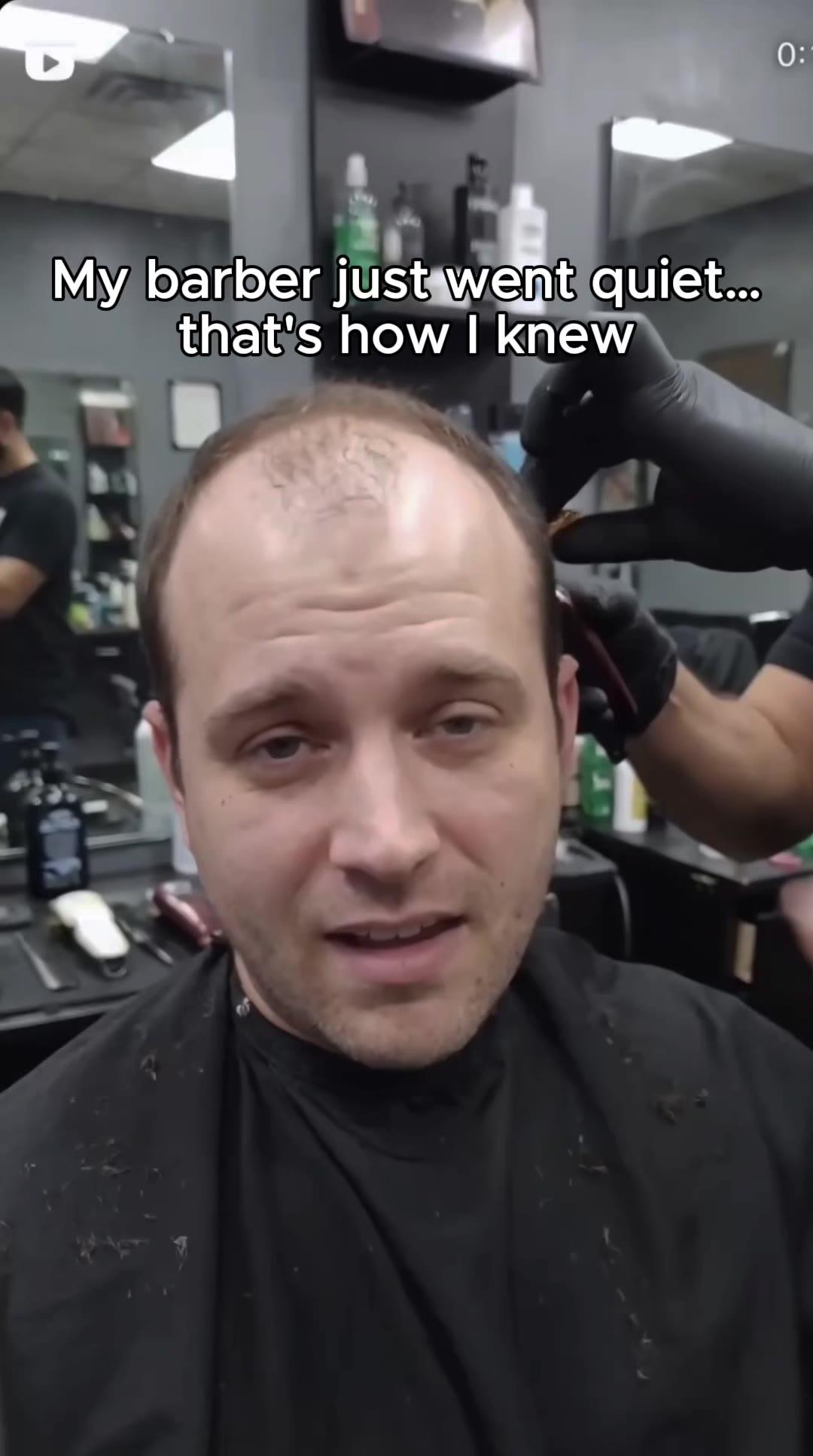




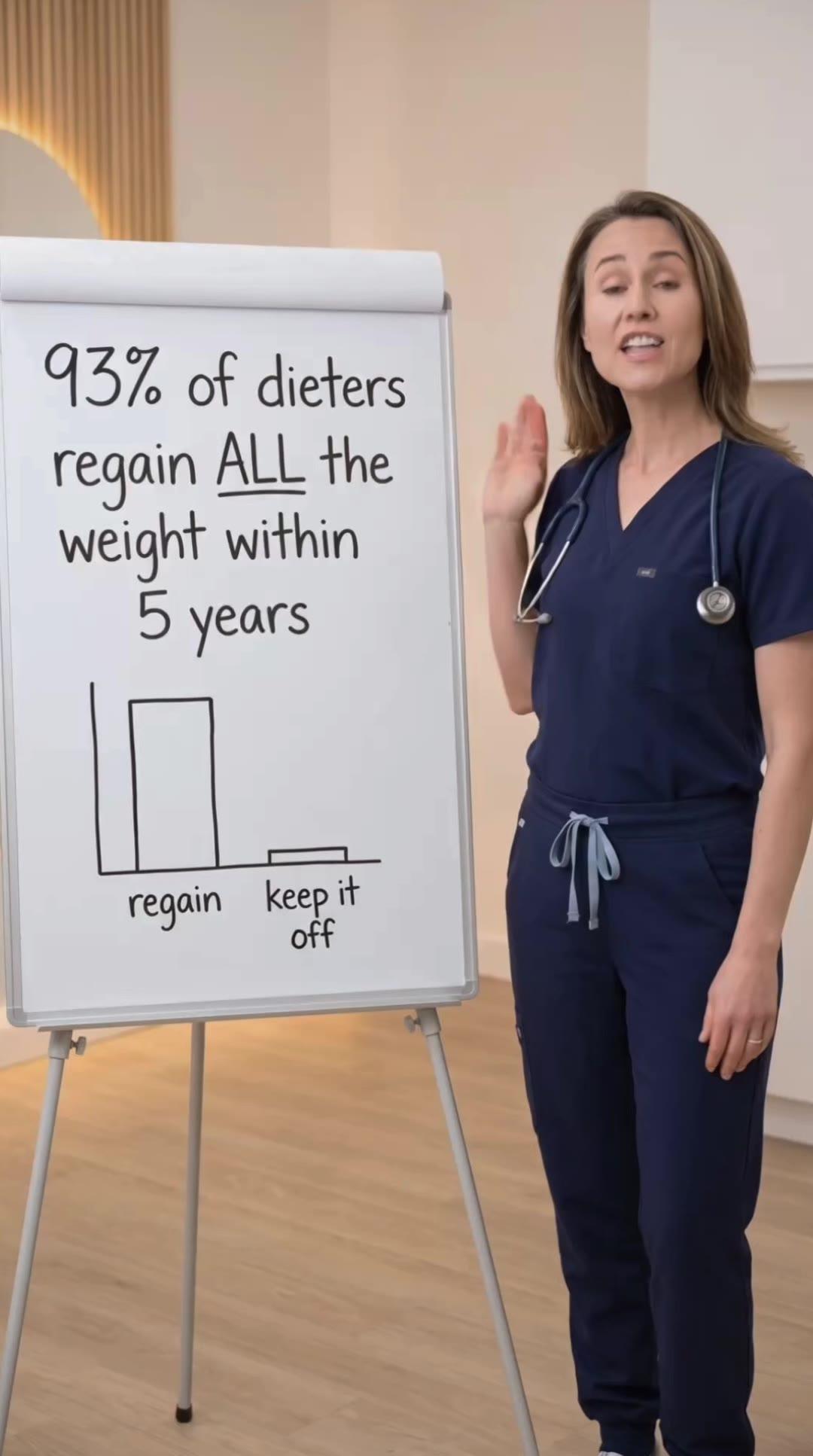
Disclaimers are required for most telehealth video ads, but most brands implement them wrong. The disclaimer appears too small, shows for half a second, or gets buried at the end of the video where nobody sees it. That does not meet FTC or Meta compliance standards, and it does not protect you from enforcement. The challenge is making disclaimers prominent enough to pass review without killing the ad's conversion rate. This guide explains how to structure disclaimers that meet regulatory standards and still perform based on producing over 1,500 compliant telehealth video ads.
When Disclaimers Are Required
Any time a patient mentions results. If a testimonial includes weight loss numbers, symptom relief, or clinical outcomes, you need a disclaimer. FTC requires "results not typical" or "individual results vary" whenever you show or describe patient outcomes that may not be representative.
Any time you show before and after imagery. Transformation content requires disclaimers even if nobody explicitly states the results. The visual comparison makes an implied efficacy claim, which FTC and Meta treat the same as an explicit claim.
Any time you reference clinical data. If your ad says "clinical studies show 85% of patients see results," you need a disclaimer clarifying that individual results vary and citing the source of the data.
Any time a patient was compensated for their testimonial. FTC requires disclosure of material connections. If you paid the patient or gave them free product, you must disclose that in the ad.
What "Clear and Conspicuous" Means
FTC requires disclaimers to be "clear and conspicuous," which is a legal standard with specific requirements. A disclaimer is not compliant just because it appears somewhere in the ad. It must be noticeable, understandable, and presented at the right time.
Clear means the text is large enough to read on mobile devices. Most telehealth ads are viewed on phones, so test your disclaimer text size on a mobile screen. If you cannot read it easily, it does not meet the standard.
Conspicuous means the disclaimer stands out from other content. White text on a dark background or dark text on a light background works. Gray text on a gray background does not. The disclaimer should not blend into the video.
Timely means the disclaimer appears at the moment the claim is made, not at the end of the video. If a patient mentions weight loss at the 10-second mark, the disclaimer should appear at the 10-second mark. Delayed disclaimers do not meet FTC standards.
This is what compliant telehealth creative looks like.
See the work →How to Format Disclaimers in Short-Form Video Ads
Overlay disclaimers as on-screen text. Place the disclaimer in the lower third of the screen where it is visible but does not block the subject's face. Use a solid background behind the text (black box with white text or white box with black text) to ensure readability.
Display disclaimers for at least three seconds. FTC guidance suggests that disclaimers must be on screen long enough for viewers to read and comprehend them. Three seconds is the minimum. For longer disclaimer text, extend to five seconds.
Include disclaimers in voiceover when possible. Audio disclaimers are more effective than text-only disclaimers because many viewers watch videos without sound or scroll past before reading text. If a patient says "I lost 30 pounds," follow immediately with "individual results vary" in voiceover.
Repeat disclaimers if the claim is repeated. If your ad mentions patient results multiple times, include disclaimers each time. One disclaimer at the beginning does not cover claims made later in the video.
The Most Common Disclaimer Mistakes
Too small to read. The text is 8-point font and illegible on mobile. Minimum font size should be 18-20 points for mobile viewing.
Appears too briefly. The disclaimer flashes for one second, which is not enough time for viewers to read it. Minimum display time is three seconds.
Buried at the end of the video. The disclaimer appears in the last two seconds after the call-to-action. Most viewers do not watch that far. Disclaimers must appear at the moment the claim is made.
No audio component. The disclaimer is text-only, so viewers who watch without sound miss it entirely. Add voiceover disclaimers for critical claims.
Vague or unclear language. "Results may vary" is weaker than "individual results vary" or "results not typical." Use specific, clear language that meets FTC standards.
How to Add Disclaimers Without Killing Performance
Integrate disclaimers into the patient's statement. Instead of having the patient say "I lost 40 pounds" and then adding a separate disclaimer, have the patient say "I lost 40 pounds, but my doctor says everyone responds differently." The disclaimer becomes part of the testimonial, which feels more natural and less like legal cover.
Use disclaimers as credibility signals. Position disclaimers as evidence that you operate transparently and follow medical standards. "Our patients see results under physician supervision. Individual outcomes vary based on medical history and adherence to treatment plans." This framing turns compliance into a trust signal.
Place disclaimers near the hook, not the CTA. If the disclaimer appears at the end of the video right before the call-to-action, it can reduce conversions because it interrupts the flow. Place disclaimers immediately after the claim is made, then transition to the CTA separately.
Disclaimer Language That Passes Review
For weight loss results: "Results not typical. Individual results vary. Most patients lose 10-15% of body weight over 12 months with physician-supervised treatment."
For hair regrowth: "Individual results vary. Hair regrowth timelines differ based on genetics and treatment adherence."
For symptom relief: "Patient experience. Individual results vary. Not all patients experience symptom improvement."
For paid testimonials: "Paid testimonial" or "Compensated patient" in text overlay.
For compounded medications: "Compounded medications are not FDA-approved and are prepared by licensed pharmacies for individual patients."
How to Test Disclaimer Formats
Run A/B tests with different disclaimer placements. Test disclaimers at the beginning vs immediately after the claim vs at the end. Track which format passes review and maintains conversion rates.
Test text-only disclaimers vs text plus voiceover disclaimers. In most cases, combined text and audio disclaimers perform better because they reach viewers who watch with and without sound.
Test disclaimer prominence. Run one version with a large, bold disclaimer and one with a smaller, less prominent disclaimer. The larger version passes review more reliably, but you need to confirm it does not hurt performance.
What to Do If Your Ad Gets Rejected for Insufficient Disclaimers
Make the disclaimer larger and more visible. Increase font size to 20-24 points. Use a solid background behind the text to ensure readability.
Extend disclaimer display time. If the disclaimer appeared for one second, extend it to three seconds. If it appeared for three seconds, extend it to five.
Add voiceover disclaimers. If the disclaimer was text-only, record a voiceover version and overlay it on the video.
Move the disclaimer earlier in the video. If it appeared at the end, move it to the moment the claim is made. FTC expects real-time disclosure, not delayed disclosure.
For more on telehealth advertising compliance, see our guides on testimonial rules, before and after claims, and writing compliant ad copy. If your ads keep getting rejected for disclaimer issues, read why ads get rejected. More at our compliance hub.
Need telehealth video ads with compliant disclaimers built in? We produce video creative that passes review on first submission. Book a strategy call.
Creative built to pass review, and convert anyway.
A 30-minute call. We audit your creative approach and show you exactly what a complete angle-format-hook system looks like for your vertical.