Video Testimonials for a TRT Brand: What to Ask, What to Show
A founder's guide to producing TRT video testimonials that convert. Casting, prompts, compliance framing, and the patterns that work for men 40-65.
Concepts shown are internal creative studies, not client campaigns.
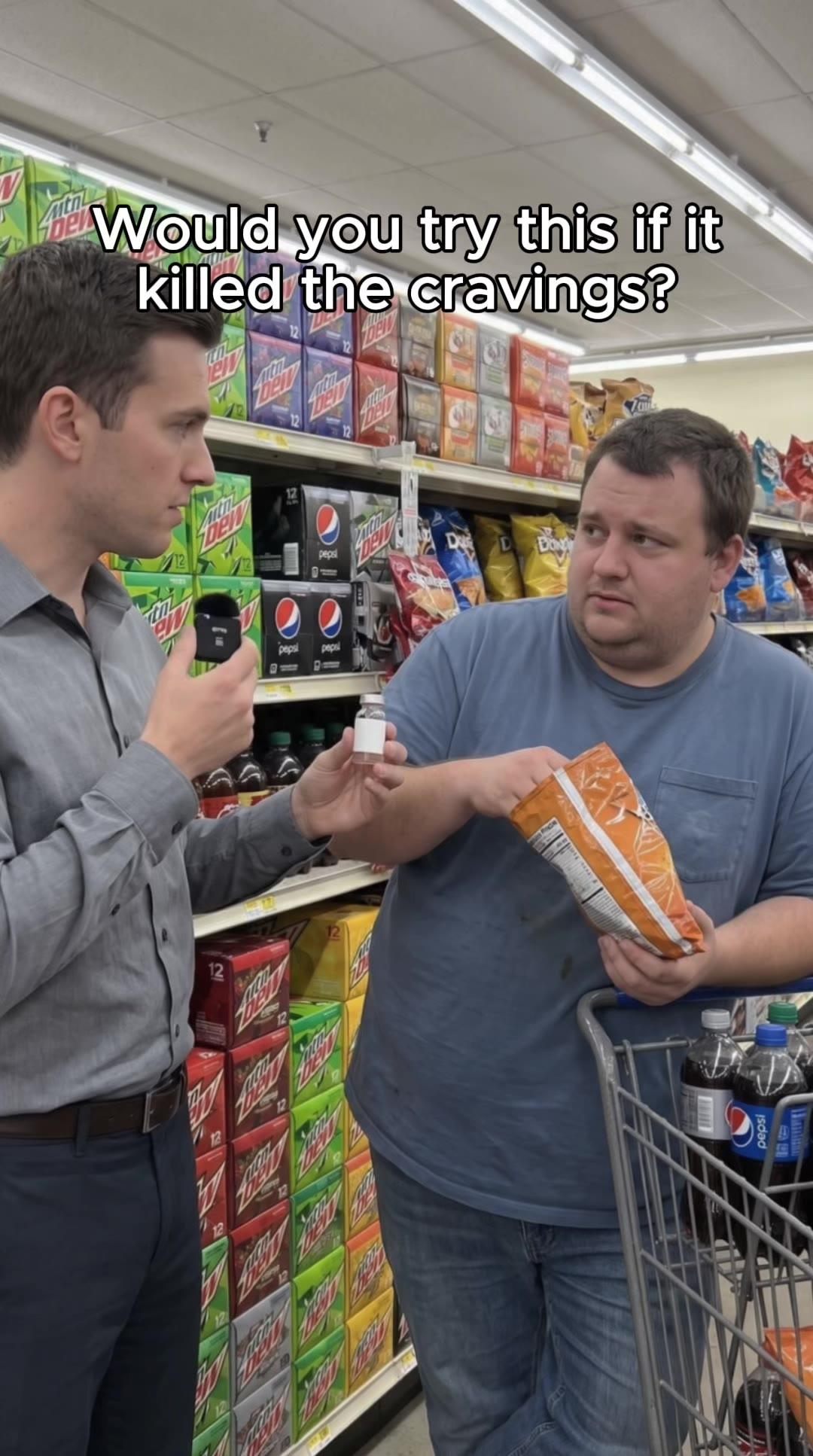
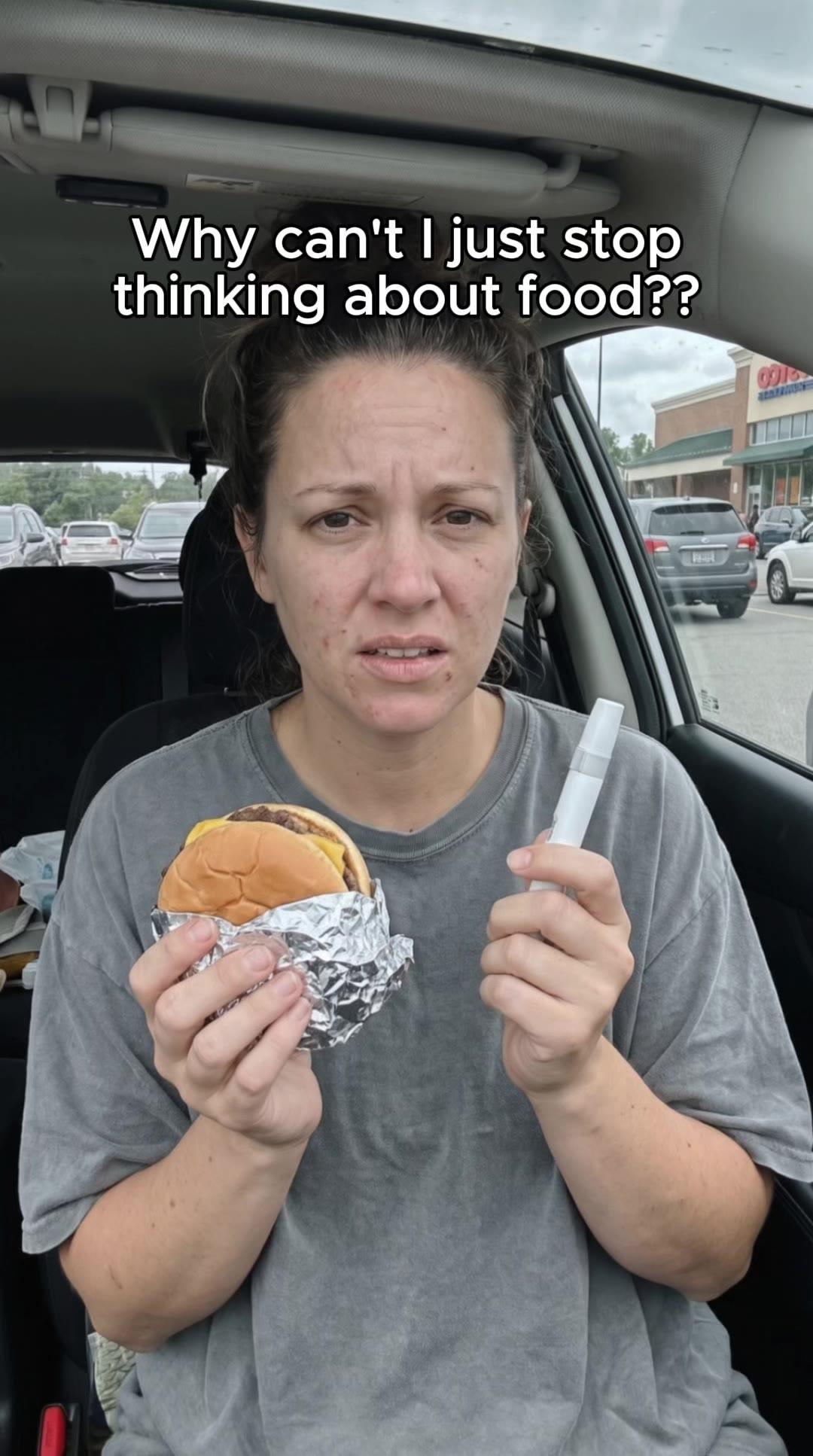
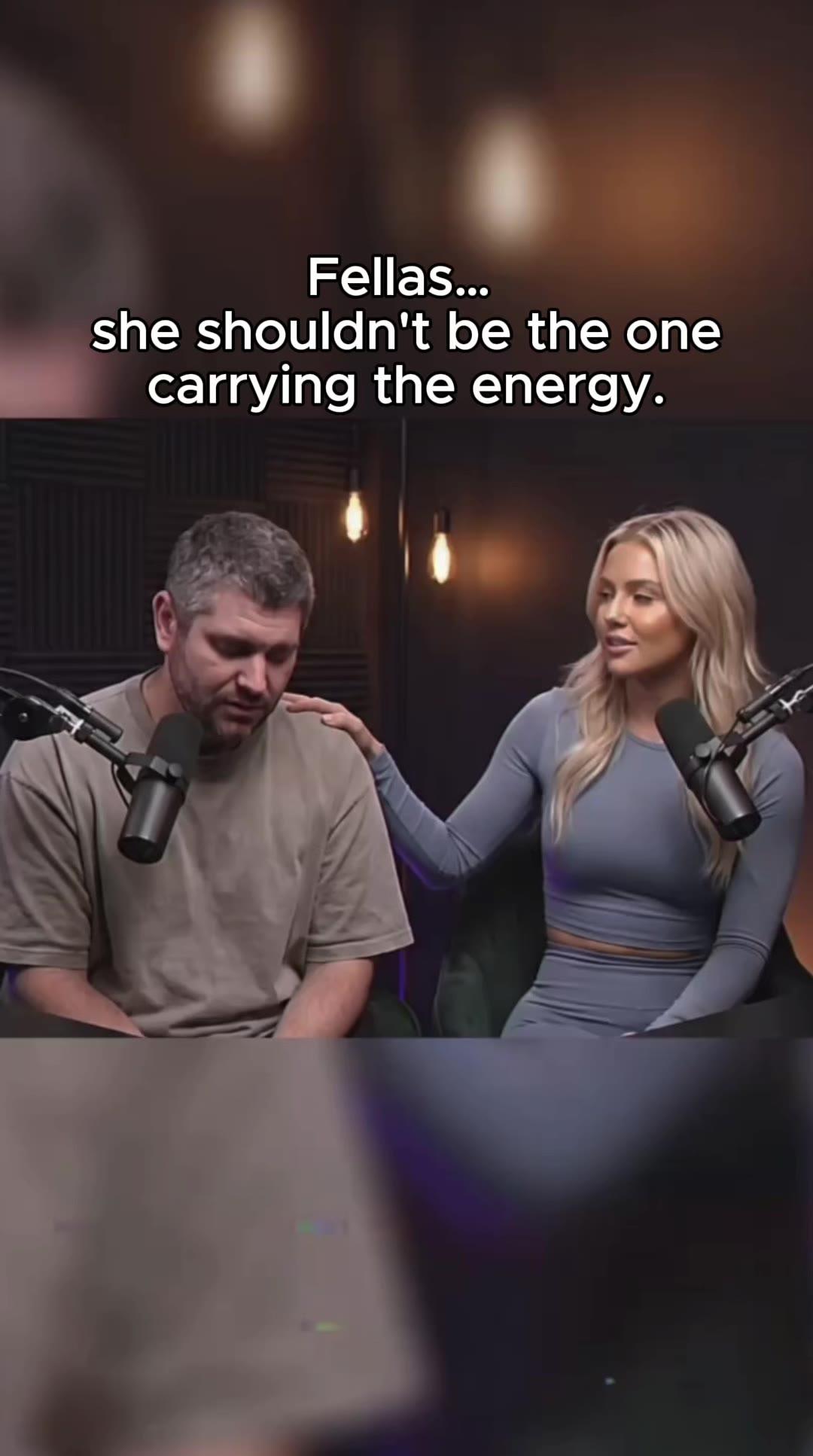
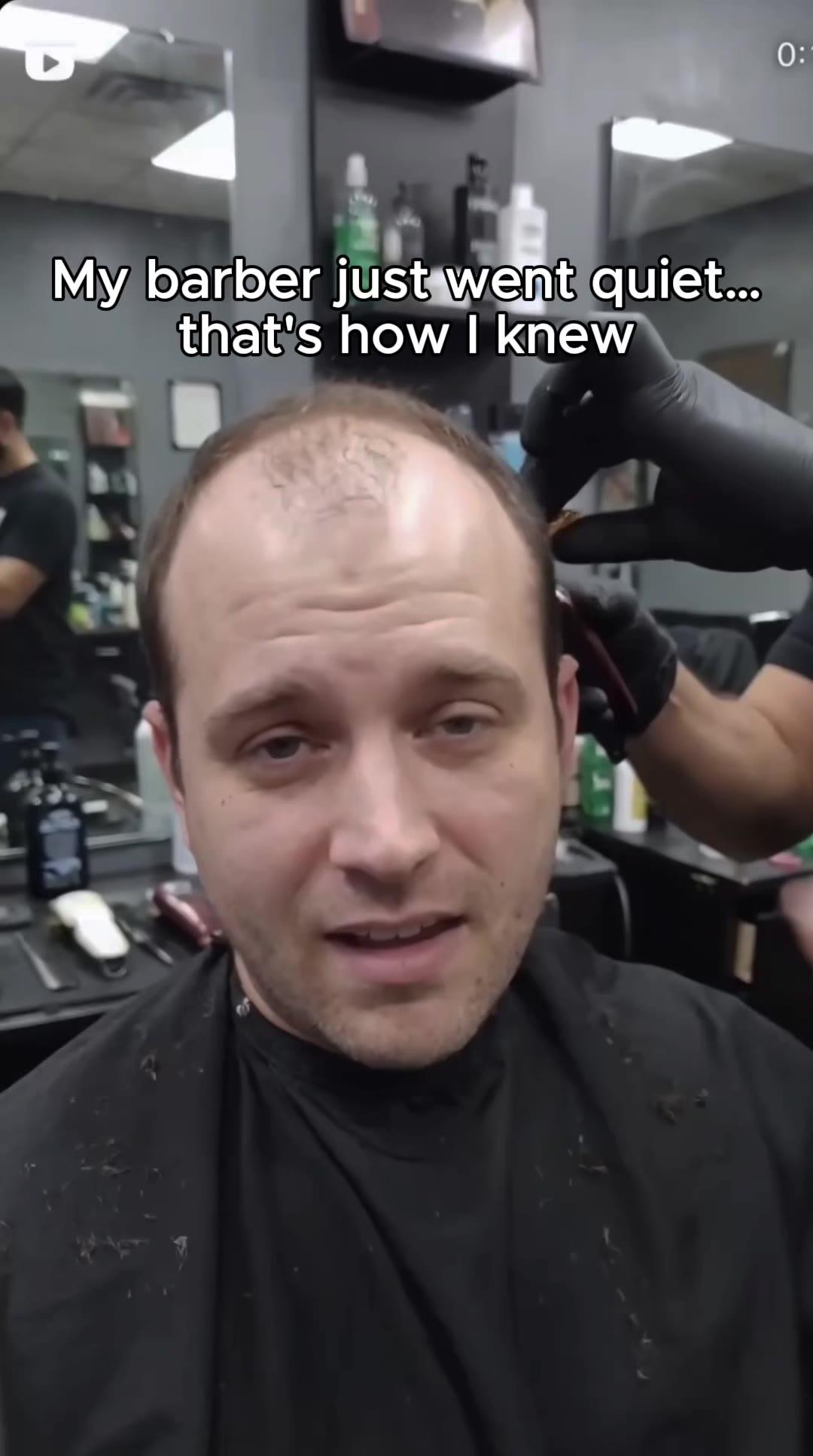

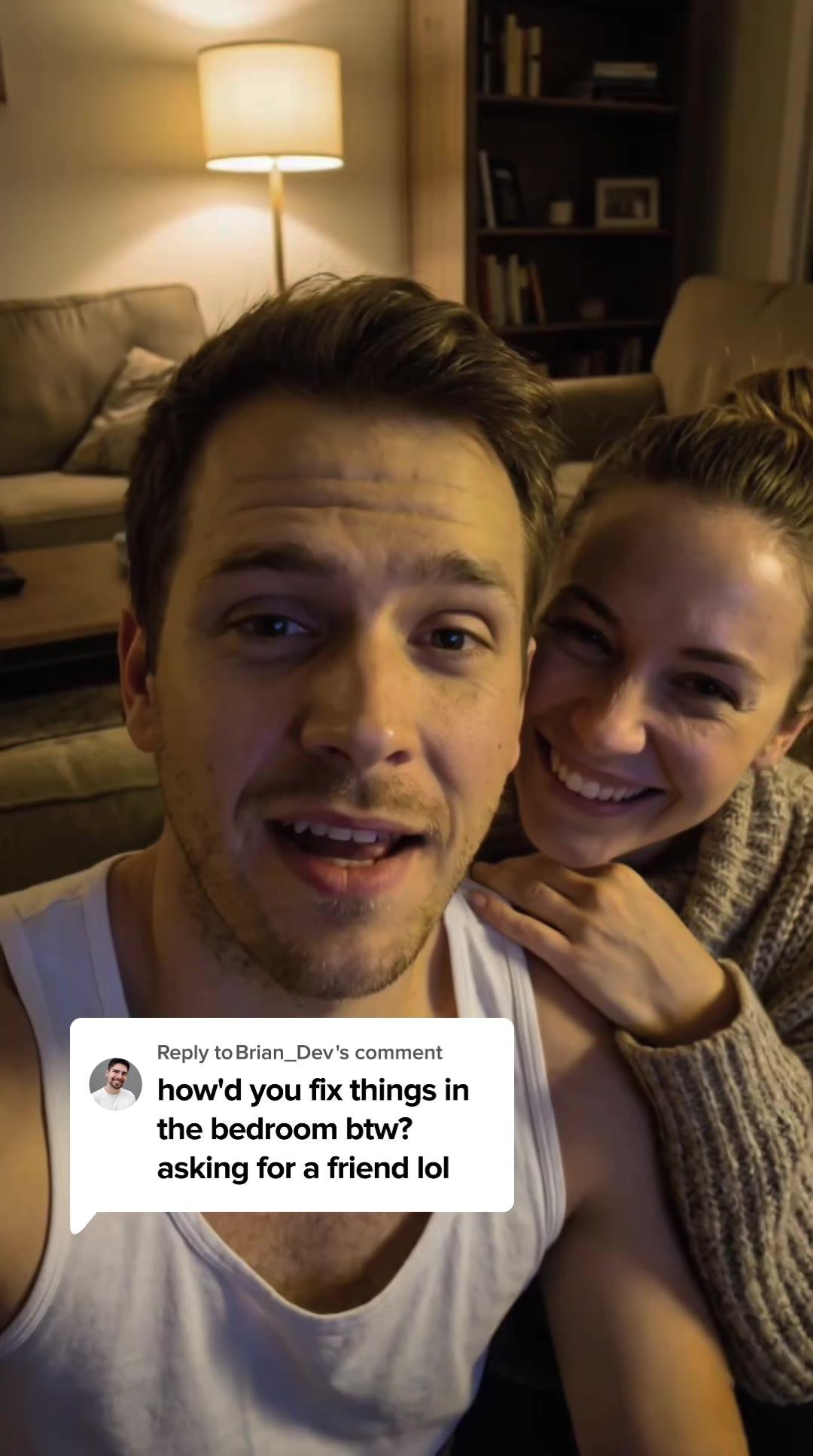

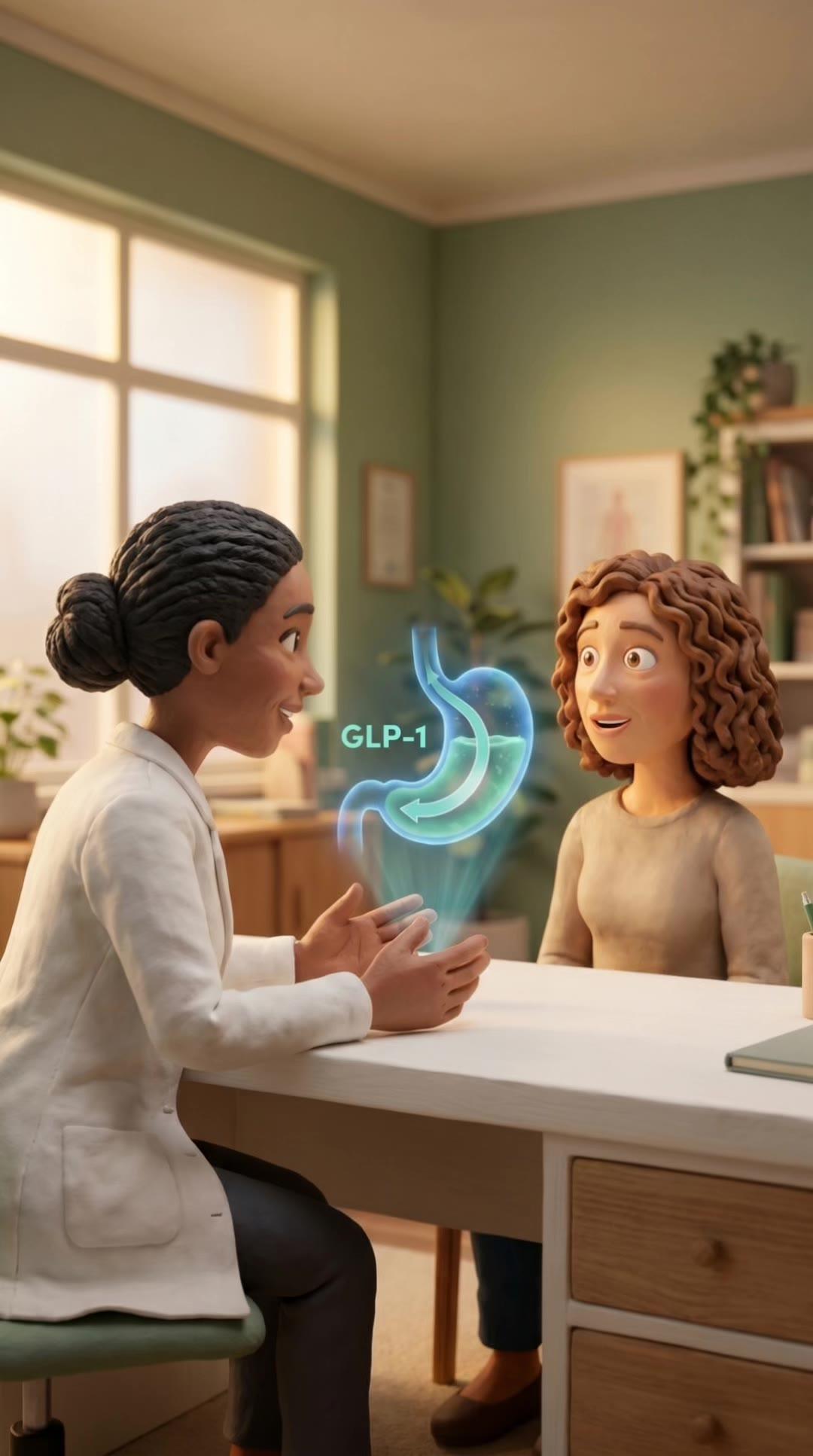
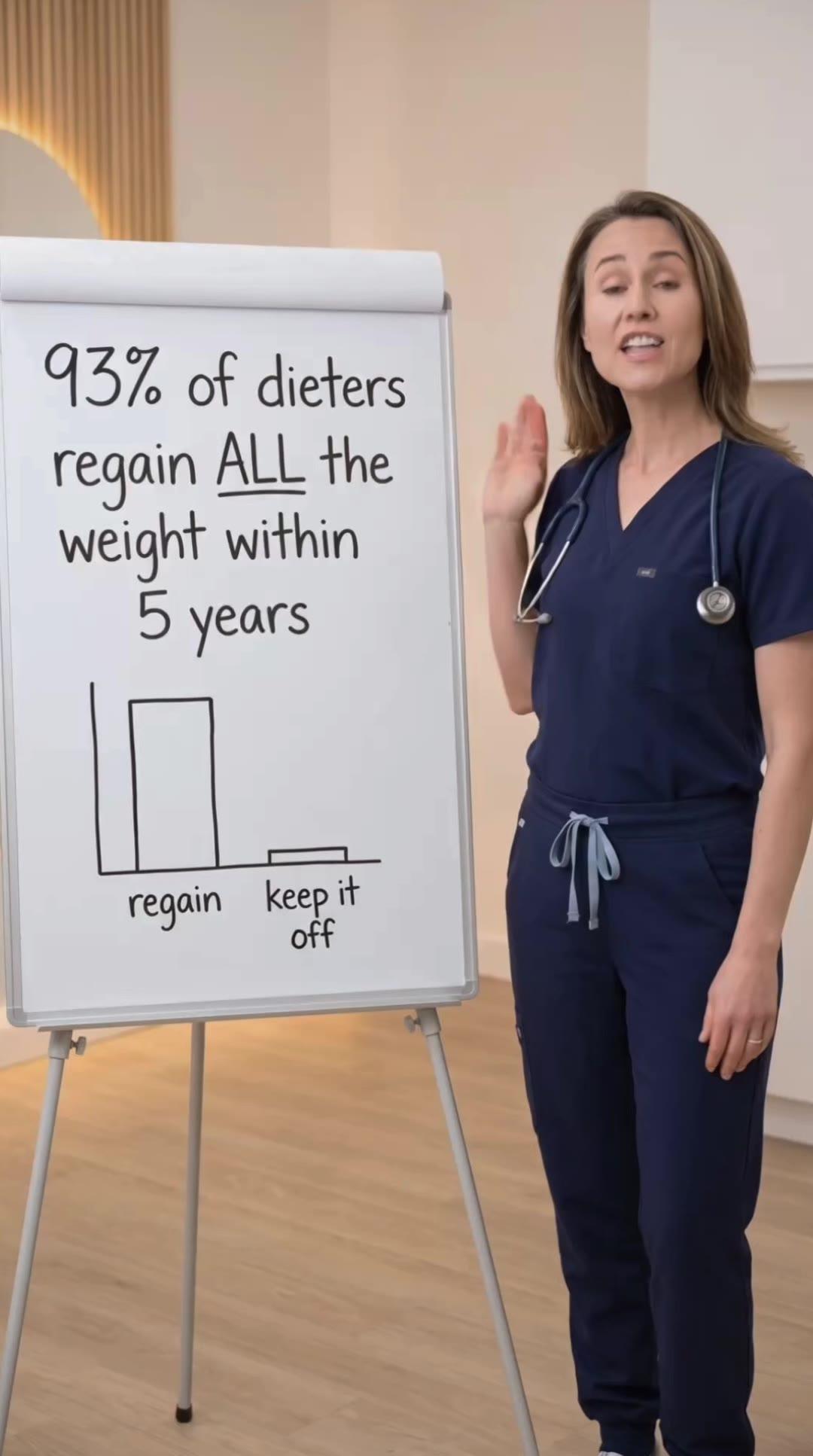
TRT video testimonials are among the highest-converting creative formats in men's health telehealth, when produced right. The audience (men 40-65) is decisive but skeptical, and a real story from someone like them often does what no provider explainer can. The challenge is that TRT testimonials face the tightest compliance window in the men's health category, and the production patterns that work for younger DTC audiences fail with this demographic.
Here is how to produce TRT video testimonials that convert and stay approved.
Who to Cast
Real patients in the target demographic (35-65), articulate but not polished, comfortable on camera but not professional. The goal is "looks like a normal guy," not "looks like a creator."
Avoid bodybuilder physiques. The audience reads aspirational physiques as commercial and the platforms read them as potential cosmetic-claim flags.
Father figures, working professionals, and former athletes resonate. The audience wants to see a version of themselves in the testimonial.
What to Ask in the Interview
"What was the specific moment you decided to look into TRT?" Specific moments produce better stories than general descriptions.
"What did the consultation experience actually feel like?" Process transparency that addresses the audience's uncertainty about telehealth TRT.
"What did you notice in the first month or two? What changed?" Allows the patient to describe specific, individual observations without making outcome guarantees.
"What do you wish you had known before you started?" Earns trust and builds the "useful information" framing the audience values.
"What would you say to a friend considering TRT?" Generates the natural recommendation language that performs well in ads.
What to Avoid Asking
"How much weight did you lose?" Specific outcome questions produce testimonials with FDA-flagged claims.
"What was your testosterone level before and after?" Lab value claims trigger platform and FDA review.
"Did you feel like a new man?" Leading questions produce overstated testimonials that read as scripted.
What to Show on Camera
The patient at home or in a natural setting. Studio lighting and stylized backdrops feel commercial.
Patient credentials or context where relevant (occupation, family, hobbies). Builds authenticity without overcomplicating the visual.
Avoid: gym shots, before-after physique imagery, visible TRT vials or syringes. All trigger platform compliance flags.
UGC formats we produce for telehealth.
See the work →Compliance Framing
Disclose at the start or end that the testimonial reflects an individual experience and results may vary. The placement and language should match Meta and FDA guidance.
Ensure the patient does not make universal outcome claims. "I felt my energy come back" survives review; "every man feels this way on TRT" does not.
Avoid lab value specifics in the testimonial. "My provider monitors my levels" works; "I went from 250 to 800 ng/dL" creates exposure.
For broader TRT claim guidance, see TRT ad claims that get rejected.
Production Quality: Lower Wins
Phone-recorded vertical video in natural lighting outperforms studio production for the TRT audience. The audience reads polished as commercial and commercial as untrustworthy.
Audio matters more than video quality. A lav mic on a phone-recorded video outperforms a beautifully shot video with bad audio.
Length and Structure
Sixty to ninety seconds is the sweet spot for cold prospecting. Long enough to tell a real story, short enough to hold attention.
Open with the specific moment that drove the consultation decision. Middle with what the experience felt like. End with the "what I would tell a friend" framing.
Where TRT Testimonials Perform Best
Retargeting audiences who started a consultation but did not complete. The patient story reduces the uncertainty driving most consultation drop-offs.
Cold prospecting on Facebook with situational hooks targeting the older male audience.
YouTube in-stream ads for research-mode audiences who watch longer-form content.
Podcast supplemental content where the brand has paid sponsorship.
The Short Version
TRT video testimonials work when you cast real patients in the target demographic, ask specific-moment and process questions instead of outcome-promise ones, keep production grounded and natural, and stay inside the compliance window on lab values and universal claims. Brands that produce TRT testimonials right have one of the highest-converting creative formats in men's health. Brands that script aspirational outcome stories get flagged and waste the casting effort.
Related Articles
UGC systems built for telehealth.
A 30-minute call. We audit your creative approach and show you exactly what a complete angle-format-hook system looks like for your vertical.