How to Choose a TRT Marketing Agency in 2026
What separates a real TRT marketing agency from a generalist that will get your account banned. Vetting criteria, the questions to ask, and the red flags that should end the conversation.
Concepts shown are internal creative studies, not client campaigns.



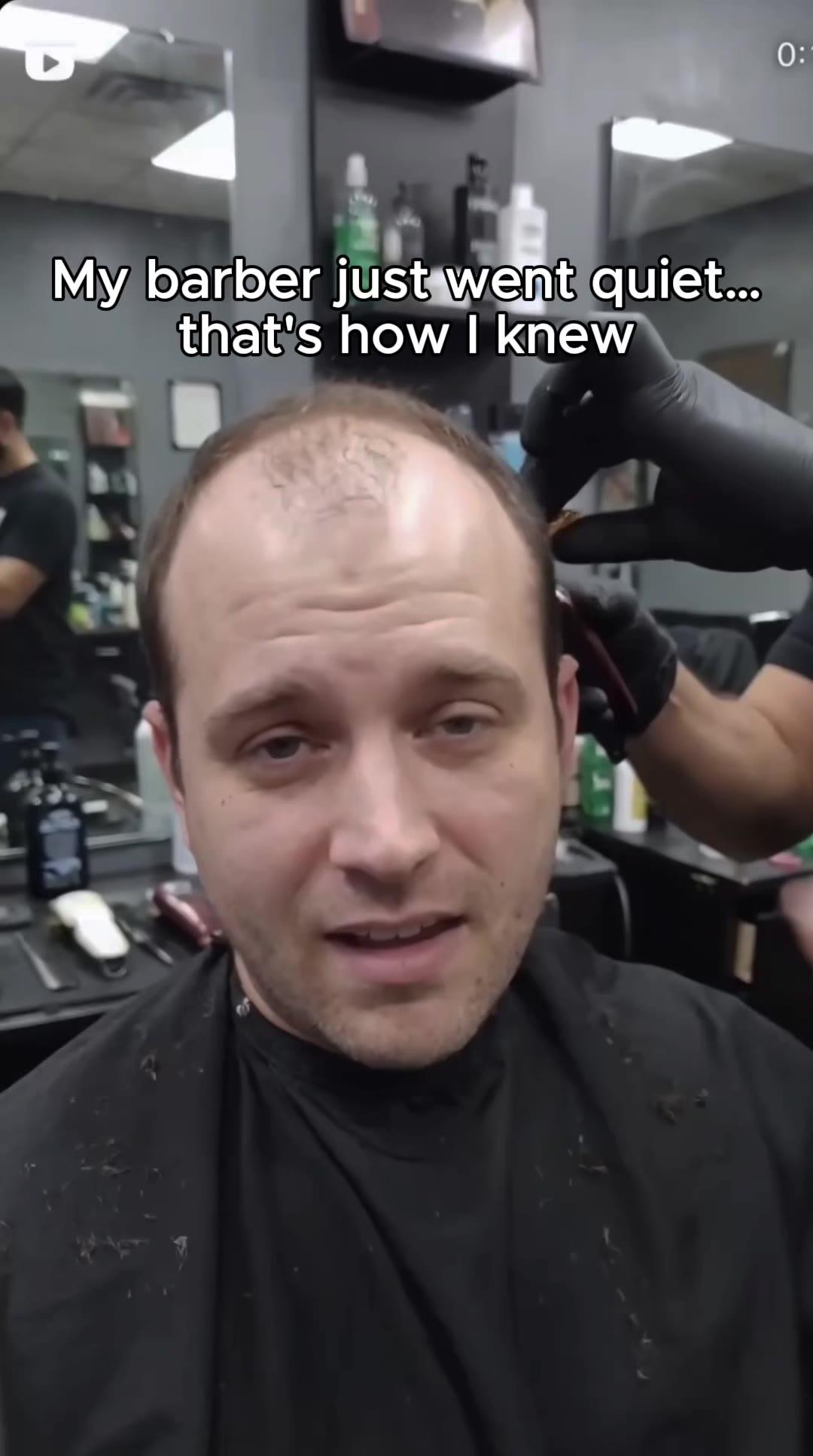




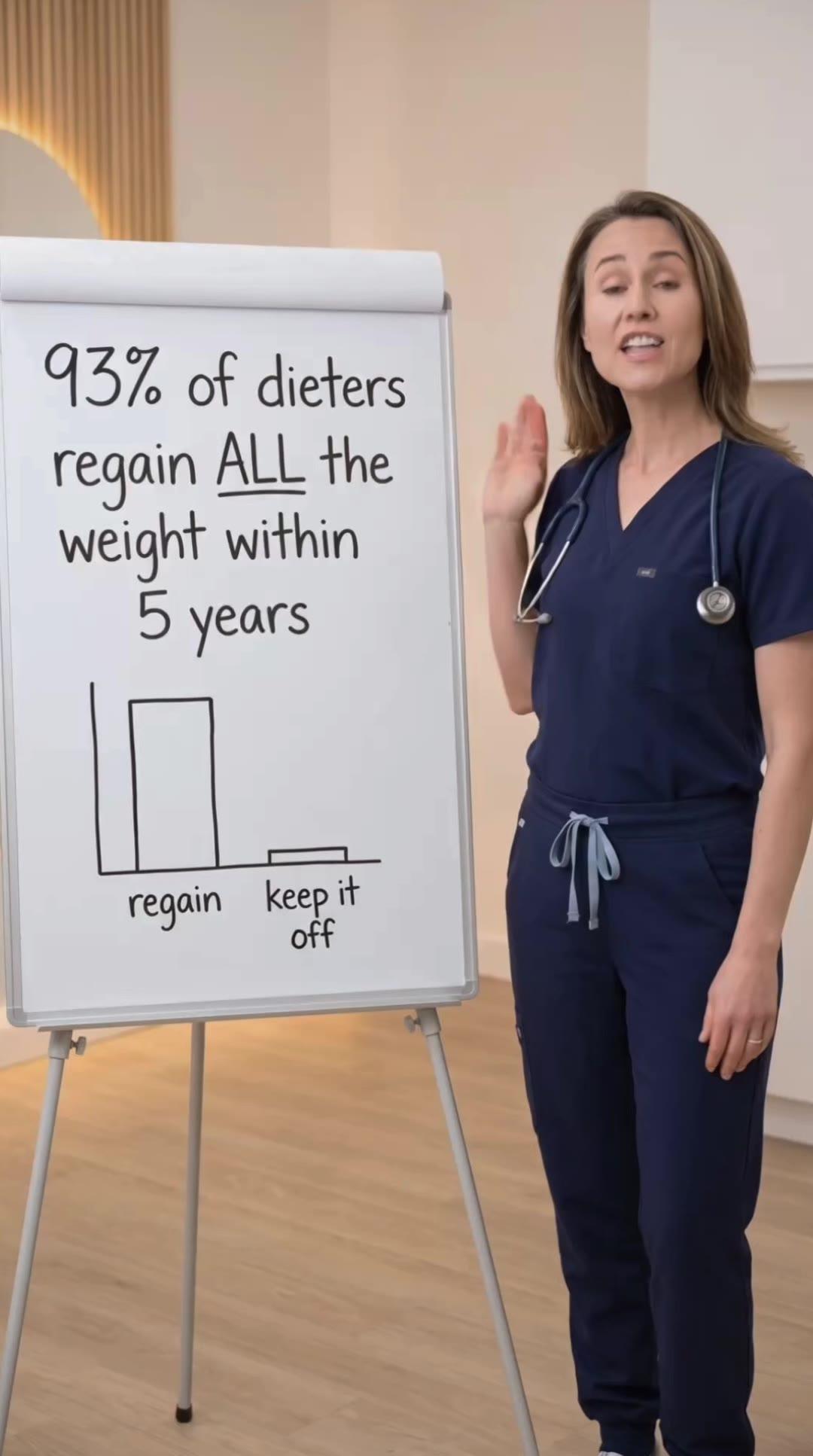
Most agencies that pitch TRT brands in 2026 have never run a compliant testosterone replacement therapy campaign at scale. They have a deck full of e-commerce case studies, a few DTC supplement clients, and a willingness to "figure out the compliance side." Three months later, the brand is rebuilding its Business Manager and unbanning a Stripe account.
A real TRT marketing agency is a narrow specialty. The audience is male 35-65, the platforms are tight on hormone-related language, the regulatory surface spans FDA, FTC, state telemedicine boards, and pharmacy compounding rules, and the creative engine that wins is built on problem-aware hooks rather than aspirational lifestyle content. This guide walks through what to look for before signing.
What a TRT Marketing Agency Actually Does
The real scope is narrower than agencies usually present. A TRT marketing agency owns paid social strategy and execution (Meta, TikTok, sometimes YouTube), creative production tuned for the TRT audience and compliance window, landing page and funnel optimization for consultation-to-purchase conversion, and ad account hygiene so the campaigns stay live.
What it does not include: medical content authorship (your medical director owns this), prescribing protocols, pharmacy operations, or anything that touches the clinical side. Agencies that blur this line either misunderstand the regulatory model or are setting up disclaimers they will hide behind when something breaks. For where the boundary actually sits, review our telehealth advertising compliance guide.
The Non-Negotiable Vetting Criteria
Real TRT case studies, not "men's health" or "wellness" case studies. Ask to see at least two TRT brands the agency has worked with, ideally one currently active. The case studies should include spend level, CAC, scaling timeline, and what went wrong. Agencies that only present clean wins are hiding the learning curve.
A creative production engine capable of 25-60 net new ads per month for a single brand. TRT creative fatigues fast — testimonial-style ads die in 3-4 weeks at $50K+ spend. Agencies that promise to "test 4-6 ads per month" cannot keep a TRT account at benchmark CPA. For volume benchmarks, see how many UGC variations a telehealth brand should test per month.
Direct experience getting TRT ads approved on Meta. Specifically: experience with hormone-related copy restrictions, compliant before/after framing, and how to handle problem-aware hooks ("Why men over 40 feel exhausted") without triggering personal attribute violations. If the agency cannot describe the difference between a compliant and non-compliant TRT hook in two sentences, they have not done the work.
A documented process for ad account recovery. TRT accounts get flagged. The question is not "do you get banned" but "how fast do you come back". Ask the agency how many TRT ad accounts they have unbanned and what their typical recovery time is. The good ones answer in days, not weeks.
Performance reporting that separates consultation cost from patient acquisition cost. Agencies that report only consultation CPA are flattering their dashboards. Agencies that report fully-loaded patient acquisition cost are doing the math that actually matters. For the framing, see telehealth patient acquisition cost benchmarks.
The Questions to Ask Before Signing
"What is your CAC range for TRT brands at $100K monthly spend, and what causes brands at that spend level to land above or below the range?" A real TRT agency has a fast, specific answer. Generalists wave their hands.
"Show me a TRT ad you produced that got flagged, and explain what you changed to get it approved." This is a credibility test. Anyone who has run TRT at scale has been flagged. Agencies that pretend they have never been flagged are either inexperienced or lying.
"What is your creative production capacity per brand per month, and how is creative reviewed for compliance before it goes live?" The answer should describe a specific volume number and a defined compliance review step. Vague answers ("we work with our clients on this") mean there is no real process.
"How do you measure incrementality between paid social, branded search, and organic?" Most agencies cannot answer this. The ones that can will give you better budget allocation than the ones that just report last-click attribution.
"What is your contract length, what are the exit terms, and what happens to creative assets if we end the engagement?" Real agencies write transparent contracts. Agencies that bury exit terms or claim ownership of creative produced under the engagement are signaling future friction.
Concepts we ship across every awareness stage.
See the work →Red Flags That Should End the Conversation
They mention "guaranteed ROAS" or "guaranteed CPA". TRT performance depends on landing page quality, pricing model, qualification gates, and competitive auction dynamics — none of which an agency controls fully. Anyone guaranteeing a number is selling a fantasy.
They want to write your medical content. The medical director owns clinical messaging. An agency that pushes to author symptom checklists, treatment protocols, or qualification language is taking on legal exposure they will offload to you when something breaks.
They have one TRT case study from 2022. The platform rules, audience saturation, and creative formats have all shifted. Pre-2024 TRT experience is interesting context but not evidence of current capability. Ask what they have shipped in the last six months.
Their proposed creative volume is below 20 ads per month. At anything above $40K monthly spend, this number is too low to maintain benchmark CPA. The agency either does not understand TRT creative fatigue or is structuring the contract to minimize their production cost at your performance cost.
They are pitching the same creative strategy they use for GLP-1 or supplements. TRT is not GLP-1 with a different product. The audience, the hook structure, the trust-building cadence, and the compliance window are all different. A real TRT marketing agency talks about TRT in TRT-specific terms.
Agency vs. In-House for TRT — Quick Frame
Below $50K monthly paid social spend, in-house is usually wrong unless you already have a paid social lead and a creative producer. The fixed costs of building both functions outweigh the savings from skipping agency fees.
From $50-250K monthly spend, agency is usually the right choice. The creative volume requirement (30-60 ads per month) is too high to build in-house cost-effectively at that scale, and the compliance specialty is hard to hire for. The agency carries the rep and recovery process across multiple brands.
Above $300K monthly, hybrid is usually the right answer — an in-house paid social lead overseeing strategy, with an agency or specialized production partner running creative volume. For the full framework, see telehealth paid social: in-house vs agency.
What a Good First 90 Days Looks Like
Days 1-30: ad account audit, creative library audit, compliance review of existing ads, landing page review, and a creative production ramp toward the agency's monthly volume. Performance during this period is unlikely to outperform your prior baseline — anyone promising day-30 lift is taking shortcuts.
Days 30-60: new creative is in market across multiple angles, audience structure is tested and tightened, retargeting logic is rebuilt, and you should see CPA trending toward vertical benchmark. The agency should be reporting weekly with creative iteration plans.
Days 60-90: the creative engine is running at full monthly volume, CPA should sit at or slightly below your pre-engagement baseline, and the agency should have a clear scaling plan for the next quarter. If you are still at the same performance you started with at day 90, the engagement is not working — have the hard conversation now, not at month six.
The Short Answer
Hire the agency that can show you real TRT case studies, runs a creative engine at the volume your spend level requires, can talk about compliance in specific terms instead of generalities, and reports patient acquisition cost the way your CFO wants to see it. Everything else is a deck.
Related Articles
Telehealth Paid Social: In-House vs. Agency, What Works When
When to build in-house vs. hire agencies for GLP-1, TRT, ED, and hair loss paid social. Cost analysis, capability requirements, transition frameworks.
How to Brief a Creative Agency for Telehealth Ads
What agencies need to produce high-performing telehealth ads. Brief templates, production specs, and compliance requirements from $50M+ in managed spend.
Telehealth Paid Social Benchmarks 2026: CPA, ROAS, CTR by Vertical
Real performance benchmarks for GLP-1, TRT, ED, and hair loss paid social. CPAs, conversion rates, ROAS, and creative performance from $50M+ managed spend.
A Founder's Guide to Budgeting UGC for a Telehealth Brand
A founder-level guide to budgeting UGC content for a telehealth brand in 2026. Creator rates, production volumes, hidden costs, and what your money actually buys.
Ready to build a testing system that scales?
A 30-minute call. We audit your creative approach and show you exactly what a complete angle-format-hook system looks like for your vertical.