TRT Ad Claims That Get Rejected (and What to Say Instead)
The specific TRT ad claims that consistently trigger platform rejections and FDA scrutiny in 2026, plus the rewrites that deliver the same message and stay approved.
Concepts shown are internal creative studies, not client campaigns.



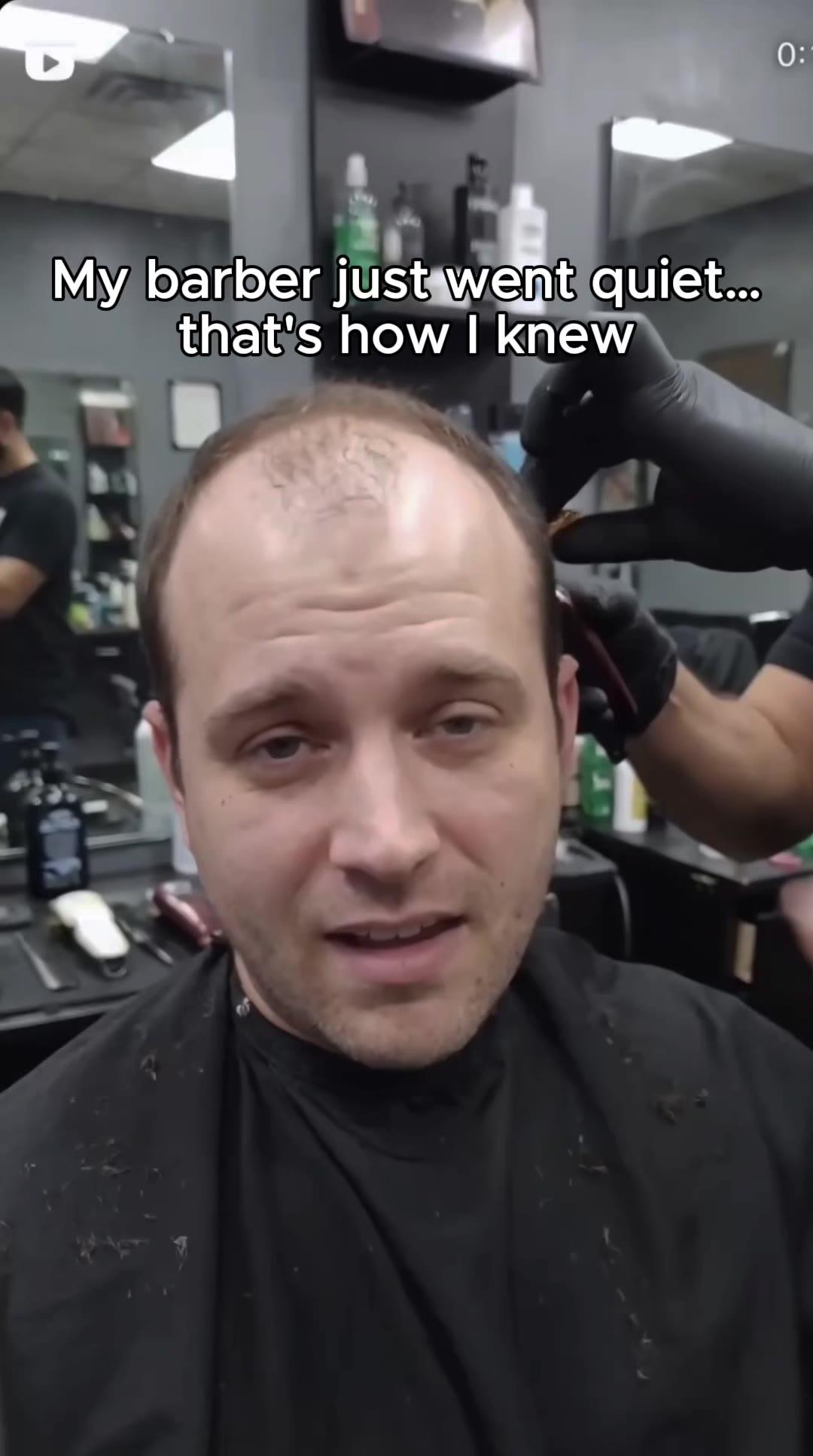




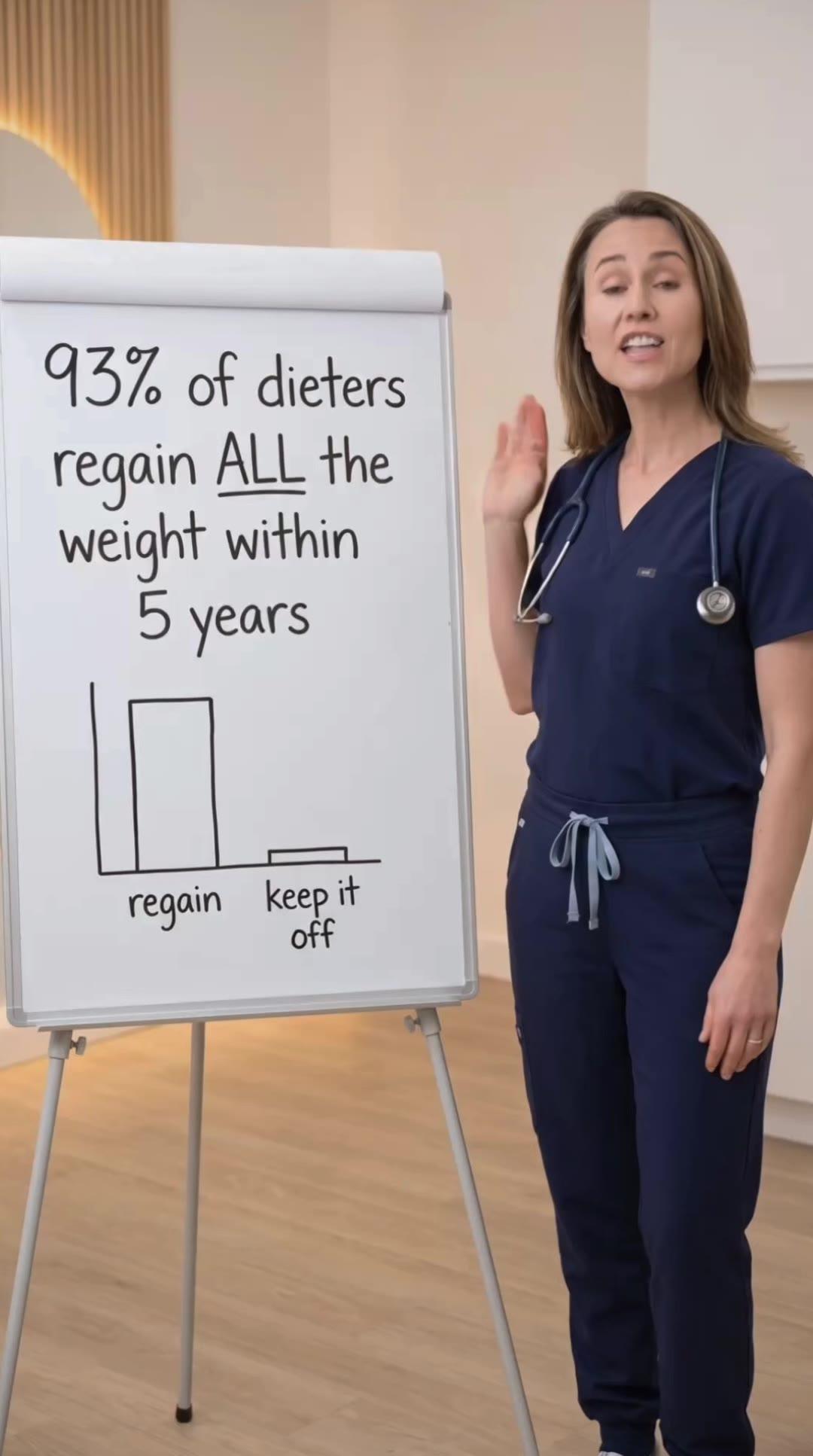
Every TRT brand running paid social has a list of ad claims that keep getting rejected. The names on the list rotate but the underlying patterns repeat. Most rejections trace back to four or five specific claim structures. Once you can spot them, the rewrites become obvious. This article walks through the patterns and the alternatives.
Here are the TRT ad claims that get rejected most often in 2026 and what to say instead.
Pattern One: Specific Testosterone Level Claims
Rejected: "Boost your testosterone to 800 ng/dL." "Restore your levels to peak ranges." Specific lab value claims trigger Meta personal-attribute flags and FDA promotional concern simultaneously.
Replacement: "We help patients work with licensed providers to address symptoms and lab values that may indicate low testosterone." Mechanism and process language, no specific number claims.
Pattern Two: Energy and Performance Guarantees
Rejected: "Feel 20 years younger in 30 days." "Get your energy back guaranteed." Outcome guarantees with specific timelines or universal claims are the most common rejection type.
Replacement: "Many of our patients report improvements in energy and performance within the first few months." Qualified, patient-reported, no guarantee.
Pattern Three: Personal-Attribute Targeting Hooks
Rejected: "Do you have low T?" "Are you a man with low testosterone?" "Struggling with low energy?" Meta's personal-attribute policy flags these reliably.
Replacement: "When men over 40 notice their energy and recovery have changed, the cause is often hormonal." Situational framing instead of personal attribute.
Pattern Four: Comparison Claims Against In-Person Clinics
Rejected: "Cheaper than your local TRT clinic." "Better than in-person testosterone treatment." Comparative claims have a high substantiation bar and usually trigger review.
Replacement: "Our telehealth model includes the bloodwork, provider visits, and ongoing supervision that comprehensive TRT requires." Service description without comparison.
Pattern Five: Body Composition Promises
Rejected: "Build muscle, burn fat, feel like yourself again." Body composition promises read as cosmetic effects and trigger both Meta cosmetic-treatment policies and FDA promotional concern.
Replacement: "TRT is part of a broader hormonal health program that some patients use alongside training and nutrition." Reframe around clinical context, not aesthetic outcome.
This is what compliant telehealth creative looks like.
See the work →Pattern Six: Libido and Sexual Health Promises
Rejected: "Restore your libido." "Get your performance back." Sexual health outcome claims trigger Meta's sexual-content policies even when clinically accurate.
Replacement: "Common symptoms patients address with TRT include changes in energy, mood, and overall well-being." Reframe around general symptom categories rather than sexual specifics.
Pattern Seven: Aggressive Pricing or Urgency
Rejected: "TRT for $99/month, today only." "Limited spots available, sign up now." Manufactured urgency reads as scam to platform reviewers in healthcare categories.
Replacement: "Membership starts at $179/month and includes provider visits, ongoing lab work, and prescription support." Transparent pricing without urgency.
Pattern Eight: Before-After Physique Imagery
Rejected: Side-by-side photos of a customer's body before and after TRT. Even with disclaimers, before-after physique imagery is flagged in 2026 at much higher rates than in earlier years.
Replacement: Patient story video where the customer talks about how their day-to-day energy and routine changed, without visual physique comparison. Story over imagery.
What Stays Approved
Mechanism-of-action explainers from licensed clinicians.
Process transparency content showing the consultation, lab work, and prescription experience.
Patient stories framed around specific, day-to-day moments rather than universal outcome claims.
Provider authority content where a named clinician explains what they look for in TRT candidates.
For broader Meta TRT compliance, see TRT advertising Meta compliance.
How to Use This List
Audit your current TRT ad library against these eight patterns. Any ads matching them are at high rejection risk. Rewrite using the replacement frame, send through your medical review process, and relaunch.
Push the patterns upstream into your creative brief so future creative does not regenerate the same rejections. Brands that internalize this discipline get rejection rates below 10% within two months.
The Short Version
TRT ad rejections in 2026 cluster around eight specific claim patterns: lab value specifics, outcome guarantees, personal-attribute hooks, comparison claims, body composition promises, sexual health language, aggressive urgency, and before-after imagery. Every pattern has a compliant rewrite that delivers the same intent. Brands that learn the rewrites scale on Meta. Brands that fight the patterns get stuck in restriction cycles.
Related Articles
TRT Advertising Meta Compliance
Meta-specific TRT advertising compliance.
How to Choose a TRT Marketing Agency in 2026
How to evaluate a TRT marketing agency.
How to Advertise Hormone Replacement Therapy Online
HRT advertising playbook for telehealth.
Compliant Ad Copy for Telehealth
Compliant copy patterns for telehealth ads.
Creative built to pass review, and convert anyway.
A 30-minute call. We audit your creative approach and show you exactly what a complete angle-format-hook system looks like for your vertical.