Video Testimonials for a Hair Loss Brand
A founder's guide to producing hair loss video testimonials. Casting, interview prompts, visual proof framing, and the patterns that convert in the most visually-driven telehealth category.
Concepts shown are internal creative studies, not client campaigns.
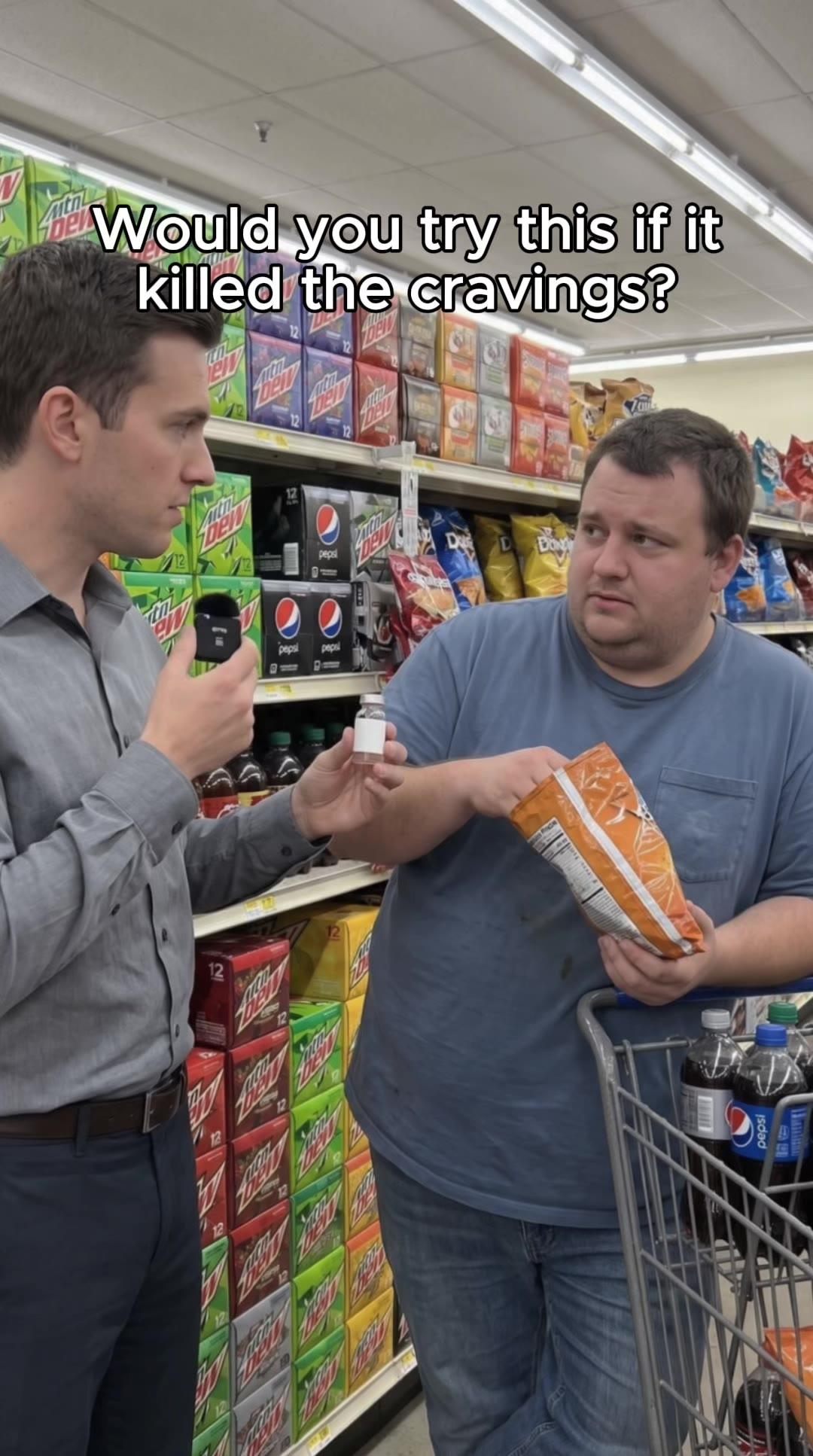
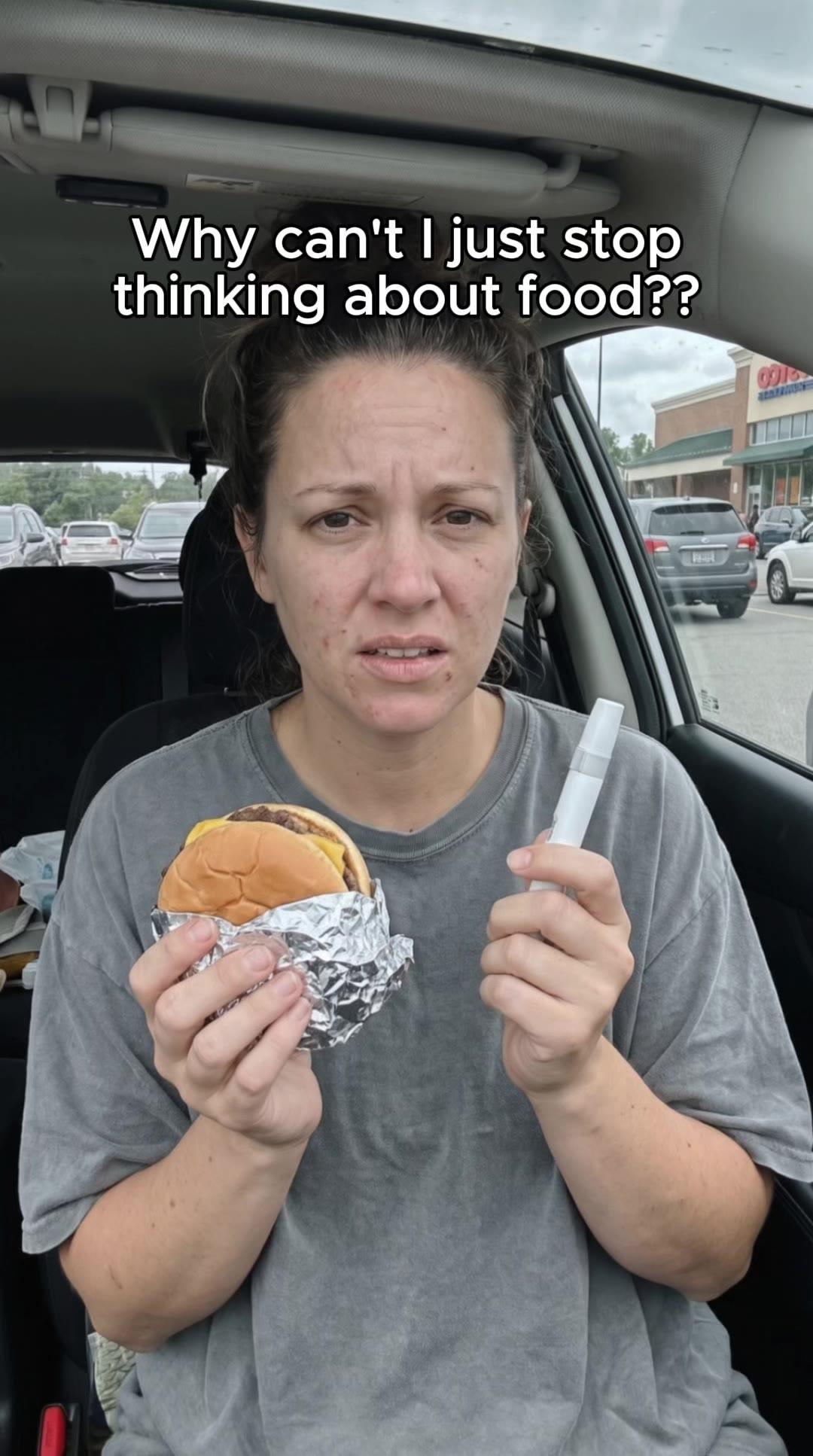
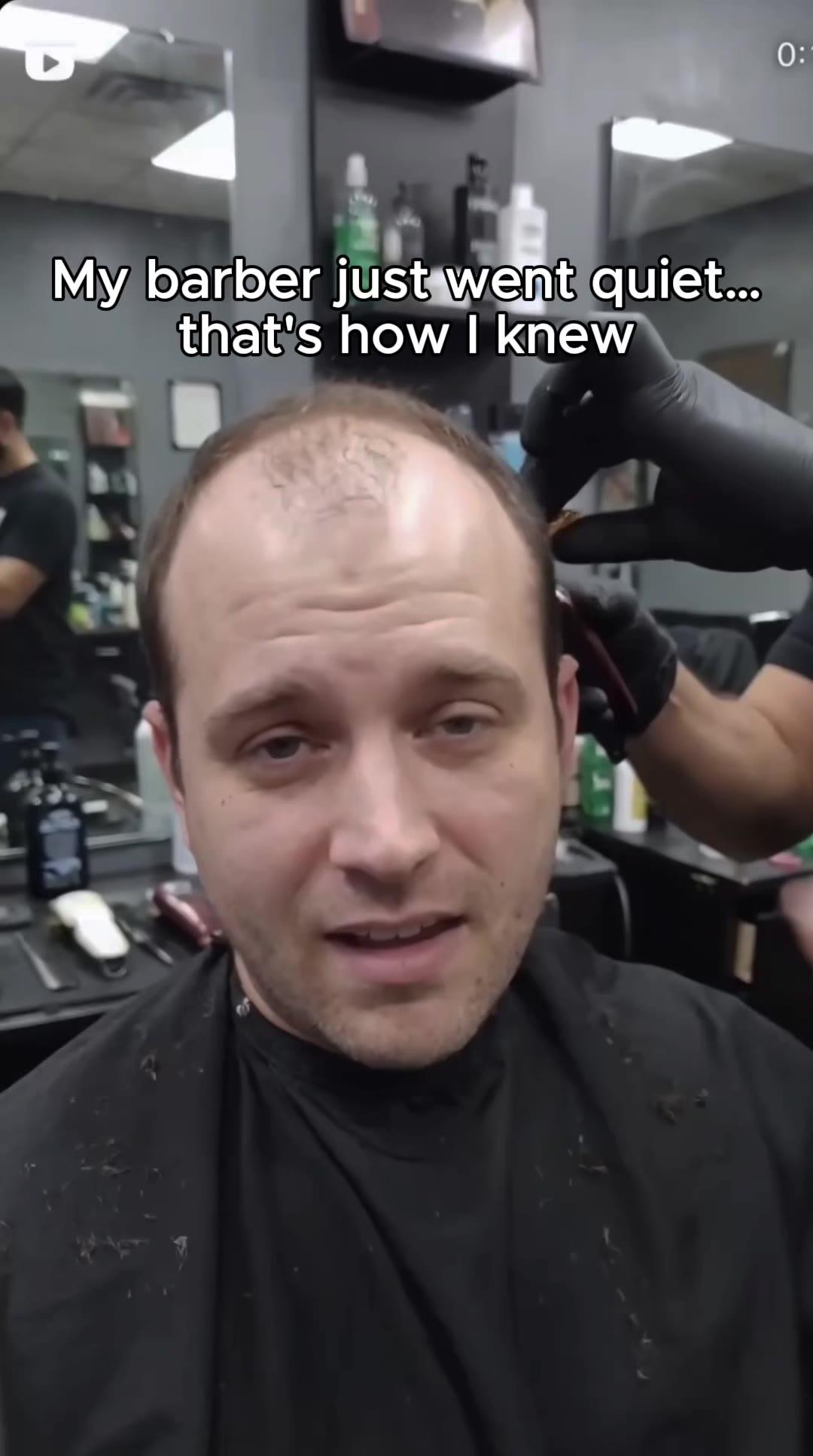

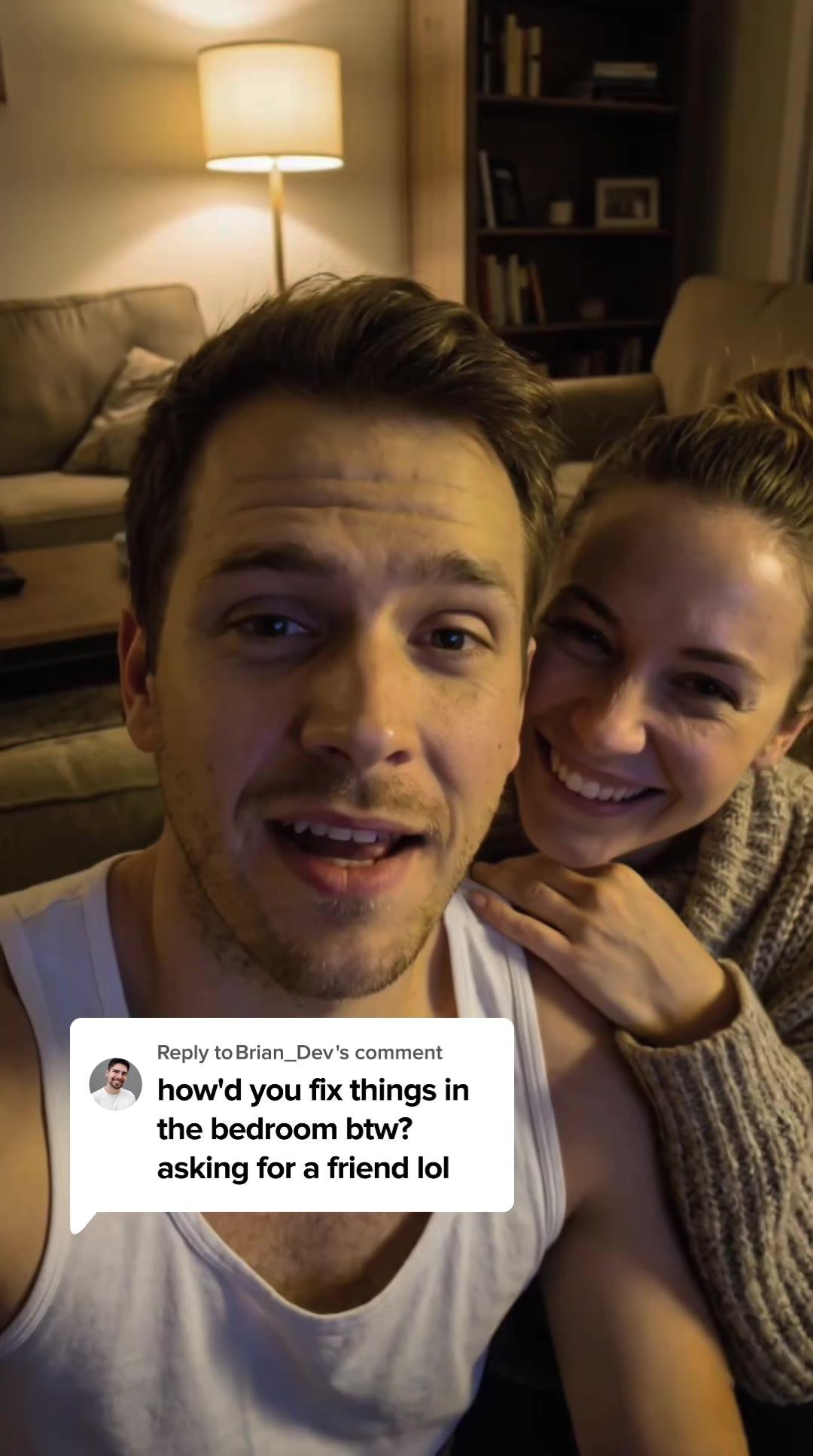

Hair loss is the most visually-driven testimonial category in telehealth. The audience wants to see proof, and visual proof when handled right is uniquely persuasive. The challenge is that the same visual proof framing that converts also draws the strictest platform scrutiny. The brands that thread the needle build hair loss testimonial libraries that compound; the brands that push too hard end up rebuilding from ad account restrictions.
Here is how to produce hair loss video testimonials that work.
Who to Cast
Real patients with documented before-and-during photos at multiple timepoints. Month one, month three, month six, month twelve. Without the timeline visual library, the testimonial cannot do what hair loss creative needs to do.
Diverse cast. Hair loss audiences are diverse, and the testimonial library that performs reflects the audience: men 25-55, women 30-55, Black men, Asian men, white men, all serving their specific audience segments.
Patient communication style. Articulate but not polished, comfortable being on camera, willing to share an experience without performing it.
What to Ask
"When did you start noticing hair loss?" Establishes the patient story and timeline credibility.
"What did you try before this?" The "second-product" framing converts well in hair loss because most candidates have tried at least one prior treatment.
"What did the consultation experience feel like?" Reduces uncertainty for the consultation booking step.
"What did you notice in the first three to six months?" Allows individual observation without making outcome guarantees.
"What would you tell someone who is hesitating?" Generates natural recommendation language.
Visual Proof Framing
If you are using before-after imagery, use it inside the video as part of the patient story, not as the opening or closing shot. The framing should be "here is what I noticed over six months" rather than "look at these results."
Consistent lighting, angle, and framing across the timeline photos. Inconsistency triggers reviewer doubt and audience skepticism.
Include the results-not-typical disclaimer prominently and at the right moment. The placement and language should match Meta and FDA guidance. For deeper guidance, see before-after claims in telehealth ads.
UGC formats we produce for telehealth.
See the work →Compliance Framing
Avoid specific percentage claims or precise regrowth numbers. "I noticed thickness returning around month five" survives review; "I regrew 40% of my hair" does not.
Mention timeline expectations explicitly. The audience that quits hair loss treatment at month two destroys retention; the testimonial helps set realistic expectations that protect downstream retention.
Document consent for the before-after photos specifically, separately from the video usage rights. Photos and video are different content types and require explicit, separate authorization.
Production Quality
Hair loss is one of the few telehealth categories where slightly higher production quality outperforms phone-recorded UGC. The audience wants clear visual proof, and lighting and shot composition matter for that purpose.
Even so, do not over-produce. Studio-style production reads as commercial. Aim for "well-lit at home" rather than "shot on a sound stage."
Length and Structure
Sixty to ninety seconds, depending on how much timeline content is included. Hair loss testimonials can support longer formats than ED or mental health because the visual content is the value driver.
Open with the "when I started noticing" hook, middle with the consultation and treatment experience, integrate the timeline visual proof in the middle-to-late section, close with the recommendation framing.
Where Hair Loss Testimonials Perform
Retargeting audiences who started research but did not book. Visual proof closes the consideration step.
Cold prospecting, especially on YouTube where the audience watches longer-form content.
Embedded in landing pages and consultation flows where visual proof reduces conversion friction.
For the broader category framing, see hair loss clinic marketing.
The Short Version
Hair loss video testimonials work when you cast diverse patients with consistent timeline visual proof, ask about the journey and consultation experience rather than outcome promises, frame visual proof inside the patient story instead of as the headline, and stay inside the compliance window on specific regrowth claims. Brands that produce hair loss testimonials right have a uniquely converting asset library. Brands that lead with aggressive before-after framing get flagged and rebuild from the restrictions.
Related Articles
Hair Loss Clinic Marketing: What Works in 2026
Hair loss clinic marketing playbook.
Hair Loss Treatment Advertising on Meta
Meta-specific hair loss compliance.
Before-After Claims in Telehealth Ads
Before-after imagery compliance.
Patient Testimonials in Telehealth Marketing
General patient testimonial framework.
UGC systems built for telehealth.
A 30-minute call. We audit your creative approach and show you exactly what a complete angle-format-hook system looks like for your vertical.