Hair Loss Clinic Marketing: What Works in 2026
A founder's guide to marketing a hair loss telehealth clinic. The creative angles, channel mix, conversion levers, and retention math behind the brands that actually scale.
Concepts shown are internal creative studies, not client campaigns.
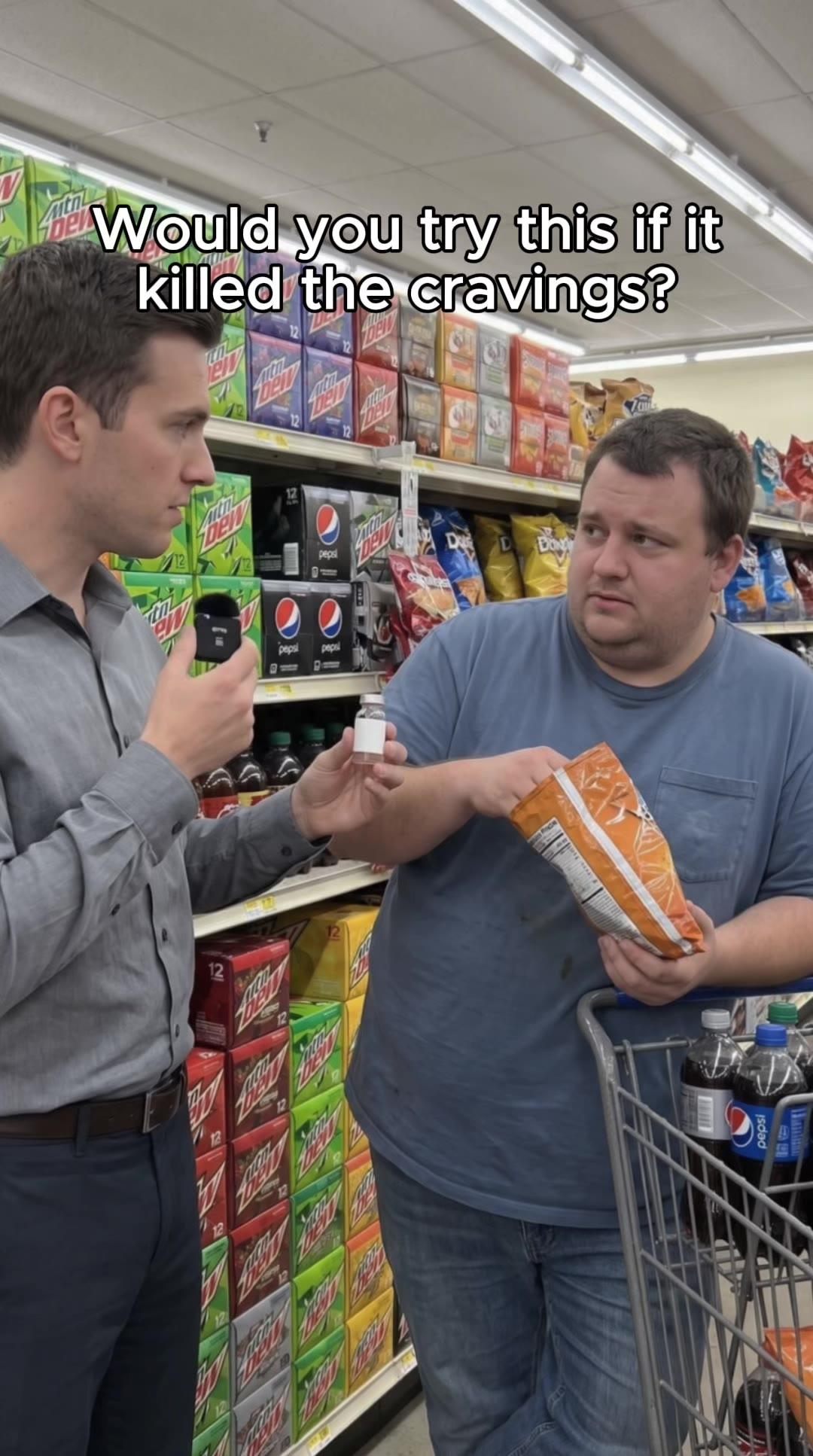
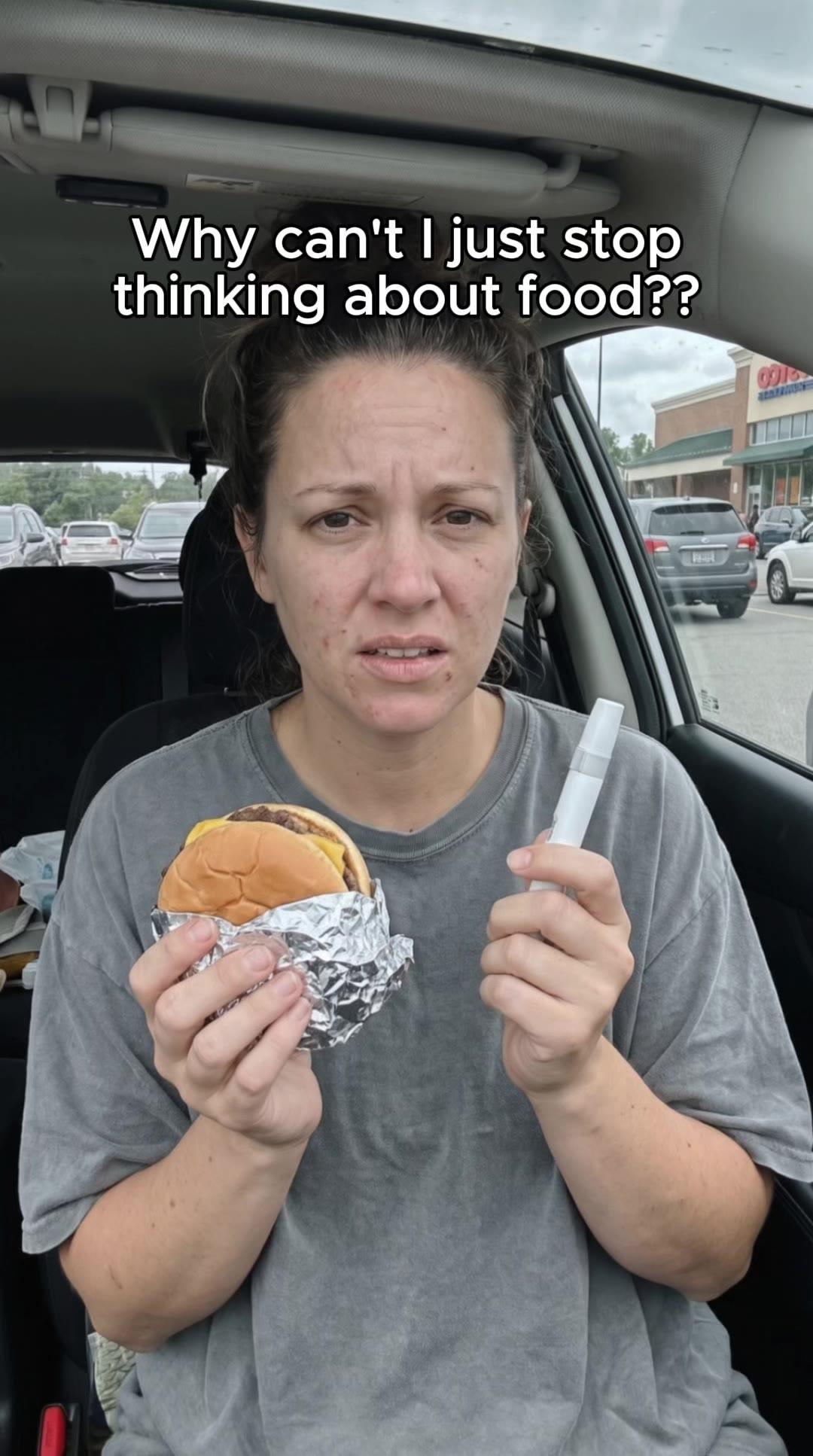

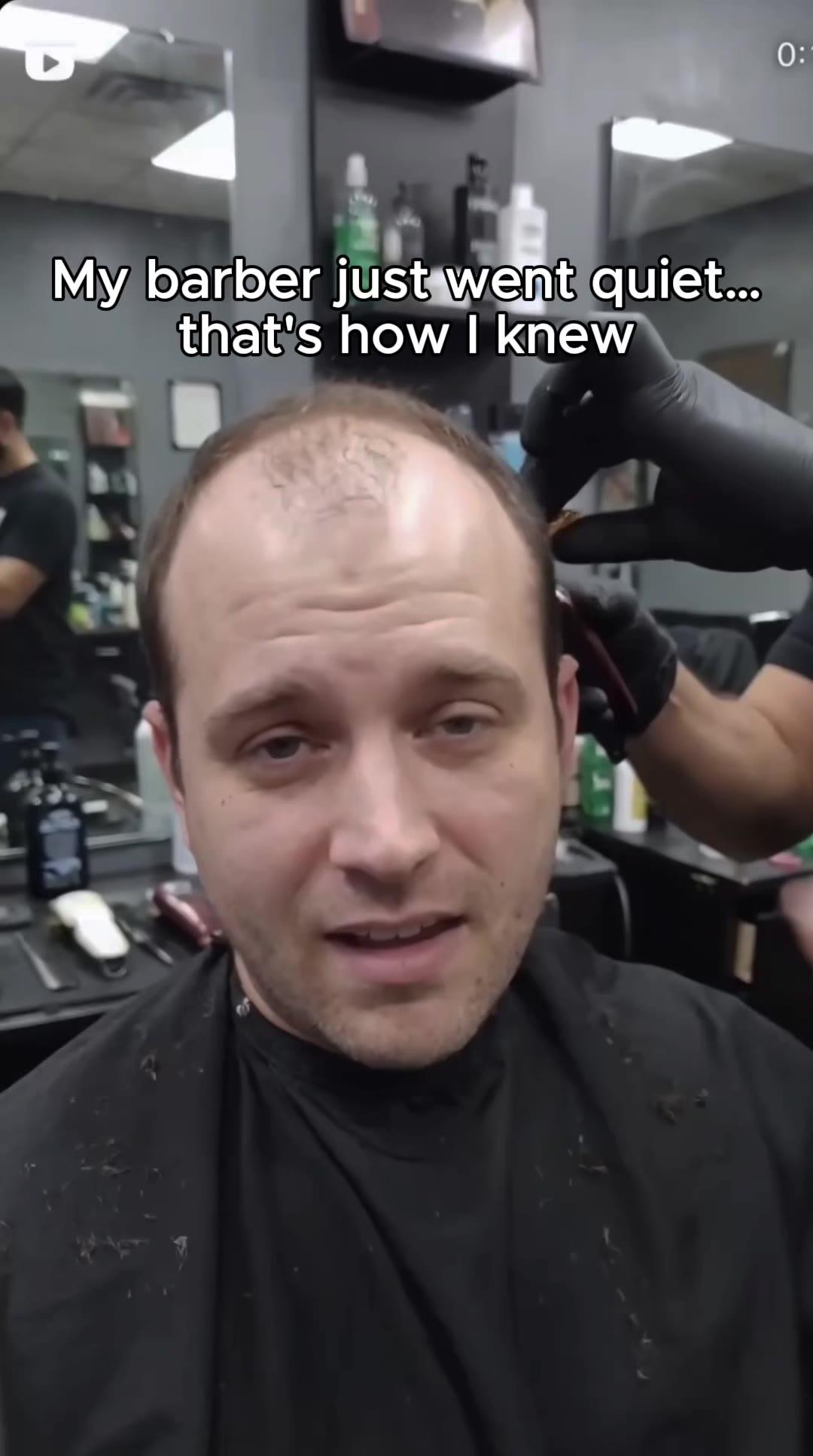



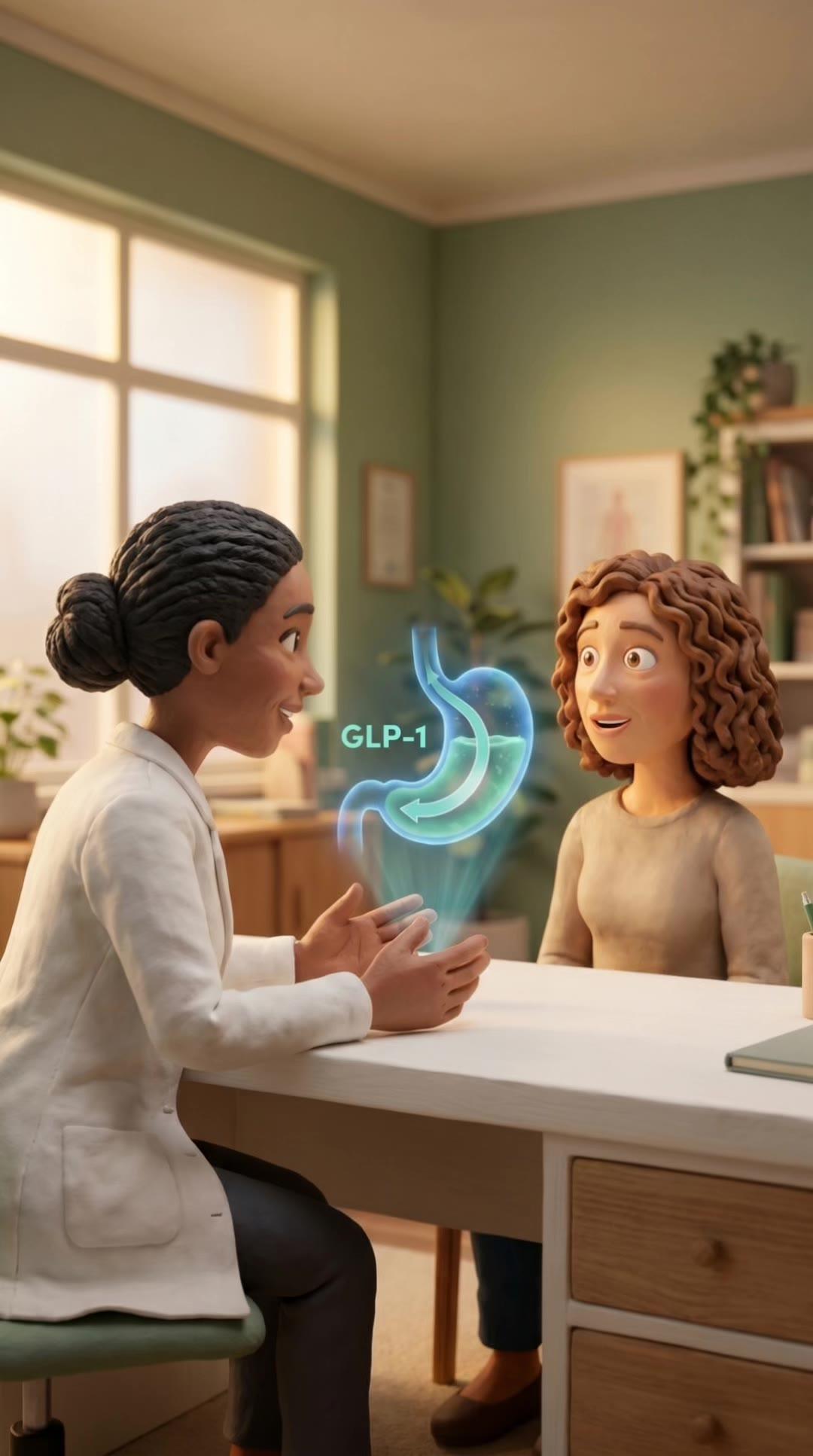
Hair loss telehealth has matured into one of the most competitive categories in 2026. The big platforms own brand recognition, the medications are commoditized, and the audience has been advertised to for half a decade. Smaller clinics still win, but they do it differently than they did in 2022. This guide is about how to actually market a hair loss telehealth clinic now.
Here is what works for hair loss clinics in 2026: positioning, creative, channels, and the retention model that decides whether the unit economics actually clear.
Positioning: Stop Trying to Win on Convenience
"Order finasteride online" was a positioning in 2020. In 2026, it is table stakes. Every hair loss telehealth brand offers the same medications, similar packaging, and similar pricing. The brands that grow are the ones that find an angle adjacent to the medication itself.
Common winning angles in 2026: catching hair loss earlier than the standard playbook recommends, treating specific patient profiles (Black men, Asian men, women, men over 50), bundling oral and topical therapy with calibrated dosing, and providing genuine dermatology-grade clinical relationships rather than transactional prescribing.
Creative That Performs in Hair Loss
Patient story videos with visual proof, framed around the timeline rather than the result. "Here is what month three looked like for me" outperforms "here is my before and after." The timeline framing is more compliant, less likely to trigger personal-attribute flags, and reads more honest to the audience.
Provider-led education on what hair loss patients commonly get wrong. "Most patients quit at month three because they expect faster results. Here is what the science actually says about the timeline." Calm authority converts better than urgency in hair loss.
Process transparency content: what the consultation looks like, what the prescription looks like, what the first month of treatment involves. Useful especially for retargeting audiences who started a consultation but did not finish. For the broader pattern library, see the best telehealth ads of 2026.
Channels: Meta First, YouTube Surprisingly Strong
Meta paid social is the volume engine for hair loss. Sixty to seventy percent of paid patients come from Facebook and Instagram. The audience profile (men 25-55, increasingly women 30-55) skews well to Meta's targeting depth.
YouTube performs surprisingly well for hair loss compared to other telehealth categories. The audience is in research mode for weeks, and YouTube content (both ad and organic) earns trust during that research window. Investing in a YouTube creative track pays back faster for hair loss than for most other telehealth verticals.
TikTok works for hair loss but only with younger demographics (25-40). The creative has to be platform-native; repurposed Meta hair loss ads underperform on TikTok consistently.
Google search, especially branded search, plays a meaningful role once paid social is generating awareness. Non-branded search for "hair loss treatment" is expensive and competitive; branded search is cheap and converts well.
Concepts we ship across every awareness stage.
See the work →Conversion Levers Specific to Hair Loss
Provider credentialing matters more in hair loss than in most categories. Dermatology adjacency, board certifications, and named providers lift conversion rates significantly because the audience is wary of "online pill mill" perceptions.
Timeline transparency matters. Patients quit hair loss treatment because they expected faster results. Setting clear expectations in the consultation and on the landing page reduces month-four churn meaningfully.
Visual proof is high-leverage when compliant. Real customer photos at month three and month six (with consent and disclaimers) outperform every other proof format. Stock or stylized proof underperforms by 40-60%.
Retention Is the Whole Game
Hair loss unit economics depend on six- to twelve-month retention because treatment timeline is long. A patient who quits at month two has a negative LTV; a patient who retains through month nine is highly profitable.
The retention investments that matter: month-three "your hair growth cycle is doing this right now" education, plateau coaching at month four when patients commonly want to quit, dose calibration when minoxidil or finasteride side effects appear, and proactive provider check-ins at month two and month six.
Brands that invest in retention infrastructure hit 70%+ six-month retention. Brands that do not sit at 40-50%, and the math does not work no matter how cheap their CAC is.
Patient Acquisition Cost Benchmarks
Hair loss fully-loaded CAC sits at $90-170 in 2026 at $50-150K monthly spend. Brands targeting men 25-45 sit at the lower end; brands targeting women or men over 50 sit at the upper end. CAC above $200 usually signals either creative or landing page problems, not paid media problems.
For comparable benchmarks across telehealth categories, see telehealth paid social benchmarks 2026.
What to Avoid
Aggressive before-after imagery without compliance framing. Platforms flag this faster in 2026 than they did even a year ago, and account restrictions follow.
Generic "thinning hair?" hooks. The audience reads them as obvious ads. Specific persona hooks outperform generic ones by 30-50% across hair loss creative.
Marketing that overpromises early results. Patients who quit at month two destroy unit economics. Setting realistic expectations in the marketing pays off in retention.
The Short Version
Hair loss clinic marketing in 2026 is about positioning beyond convenience, creative grounded in patient story and provider authority, Meta-first channel strategy with YouTube as a meaningful secondary, and retention infrastructure built around the long treatment timeline. Brands that follow this sequence scale. Brands that treat hair loss as a commodity finasteride business get squeezed out.
Related Articles
ED Clinic Marketing: What Works in 2026
Marketing playbook for ED telehealth clinics.
Hair Loss Treatment Advertising on Meta
Compliance specifics for hair loss advertising on Meta.
The Archetype, Angle, and Format System for Telehealth Creative
A three-layer framework for organizing telehealth ad creative around archetypes, angles, and formats. How the layers connect and why the order matters.
How to Get More Patients for a Telehealth Brand
Channel mix and growth levers for telehealth brands.
Ready to build a testing system that scales?
A 30-minute call. We audit your creative approach and show you exactly what a complete angle-format-hook system looks like for your vertical.