How to Get More Patients for a Telehealth Brand
A founder's guide to filling more consultations and converting more patients. Channel mix, the funnel gates that actually matter, and the retention basics that compound.
Concepts shown are internal creative studies, not client campaigns.
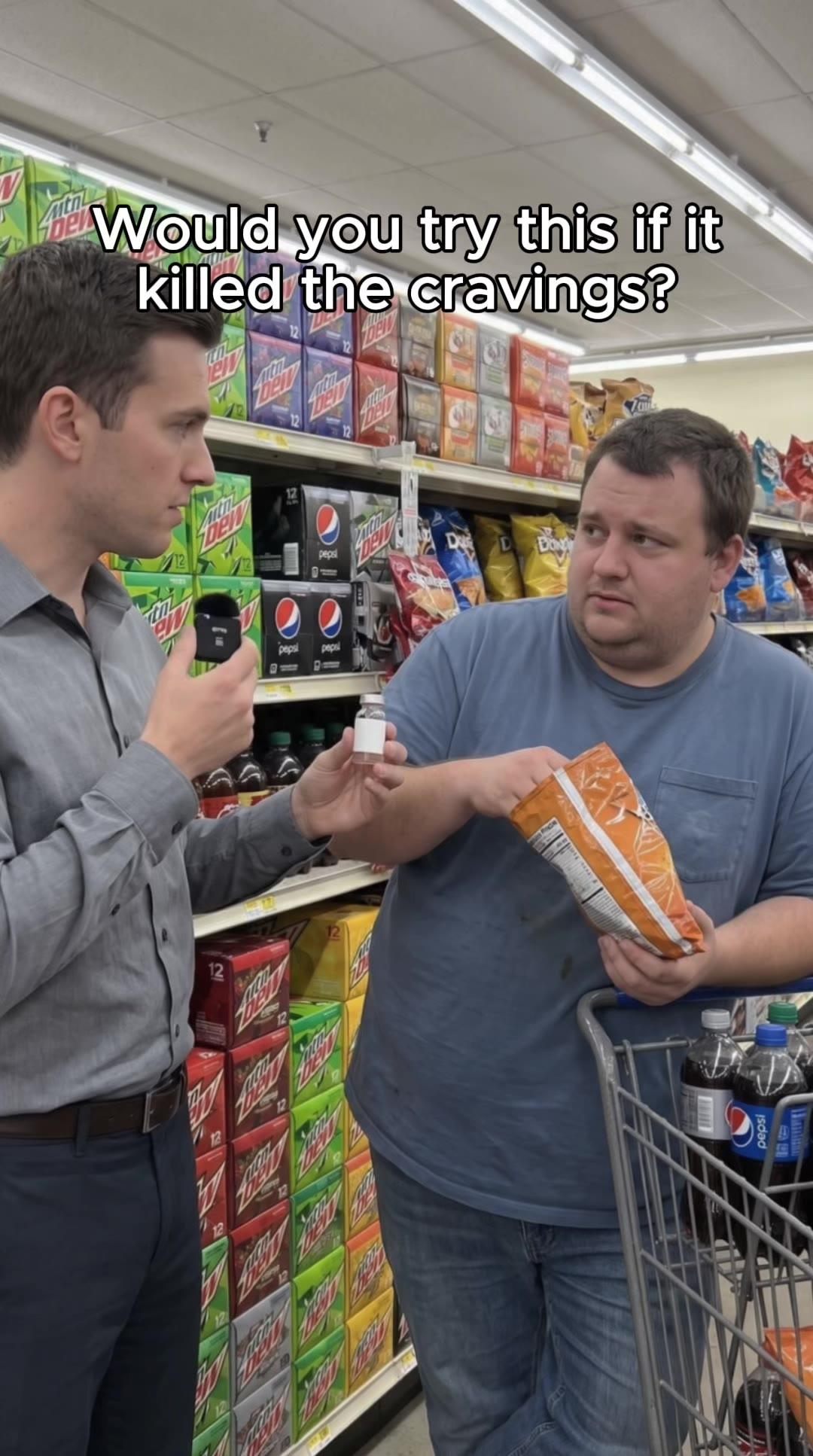
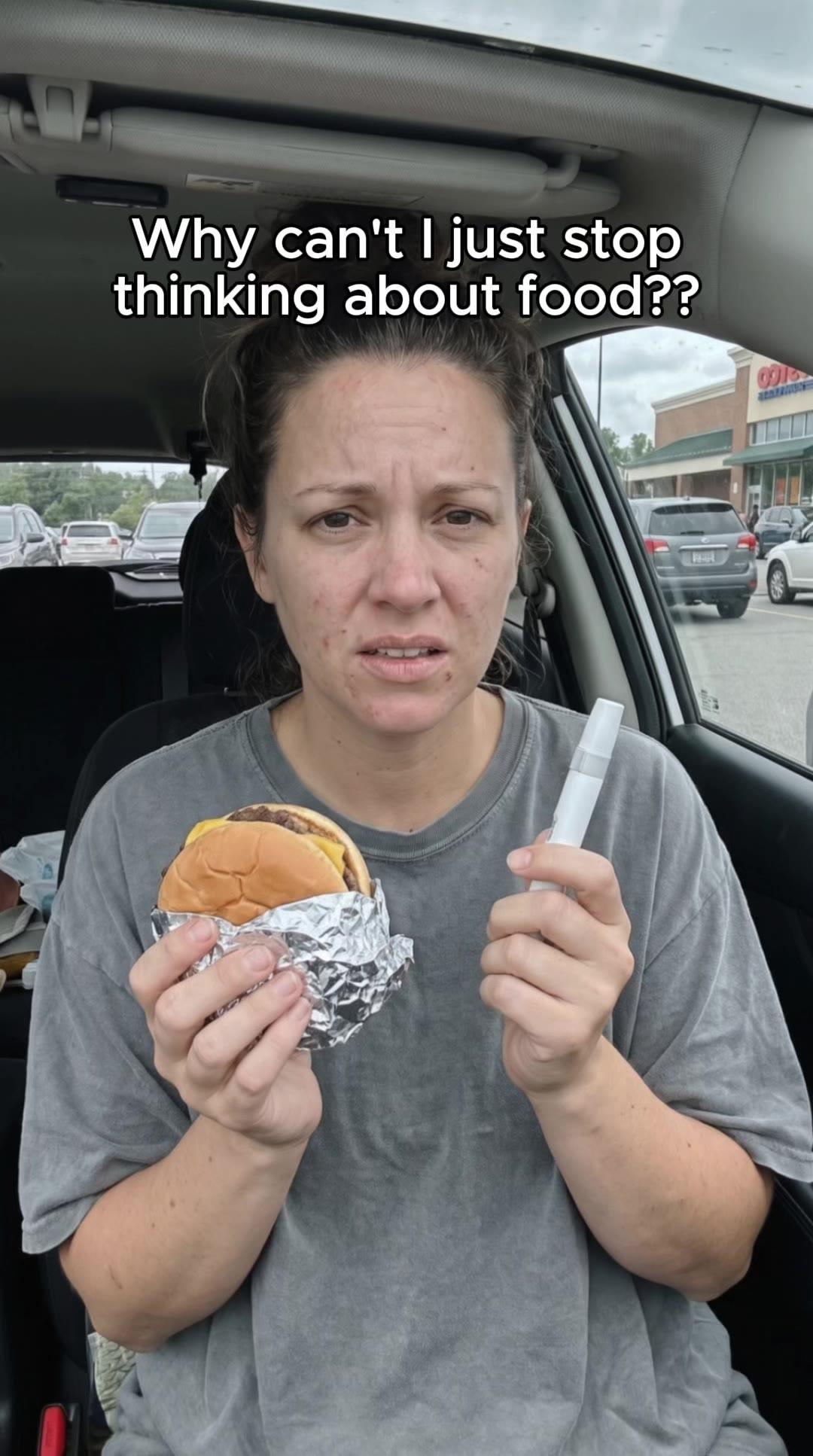

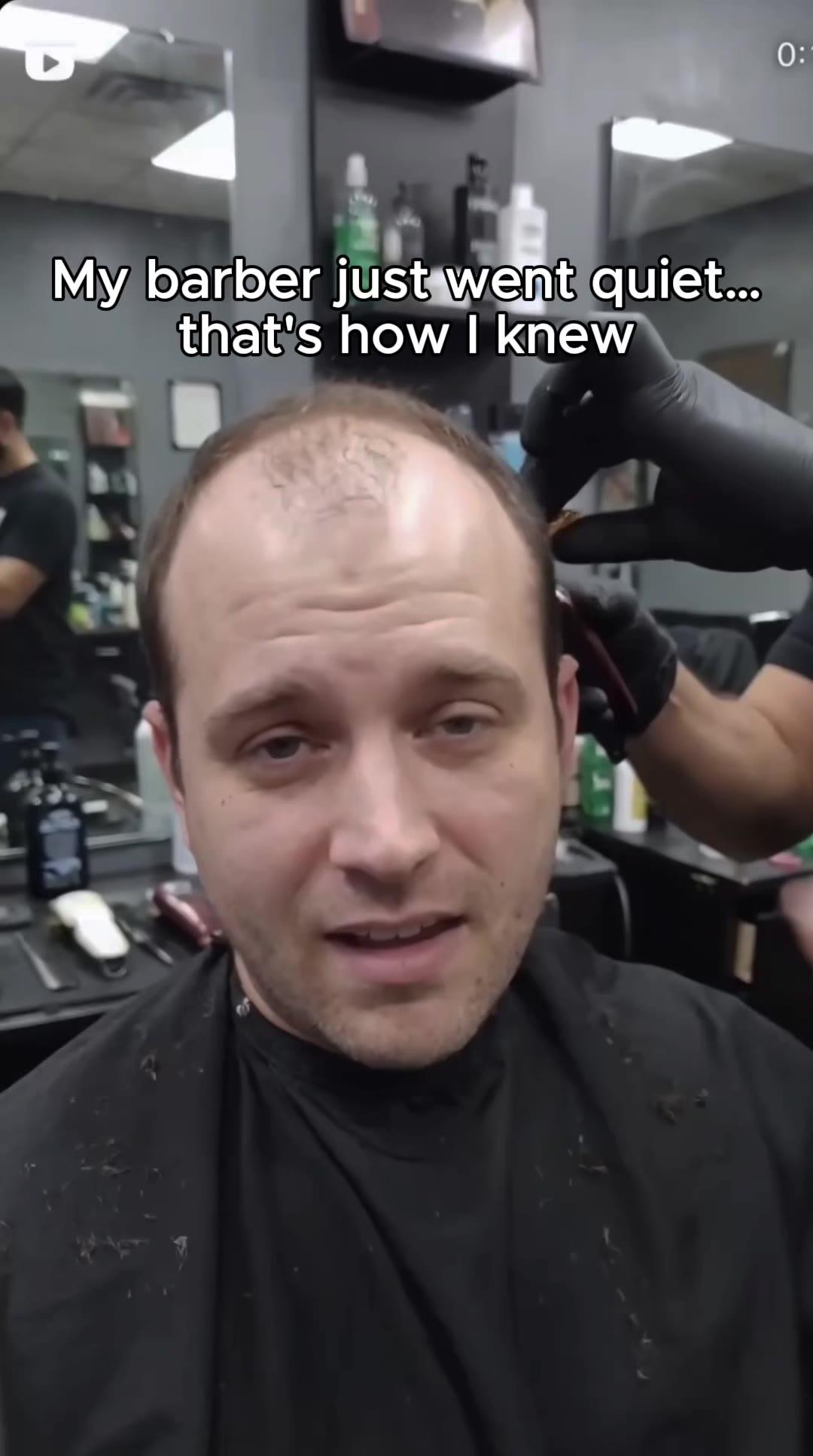



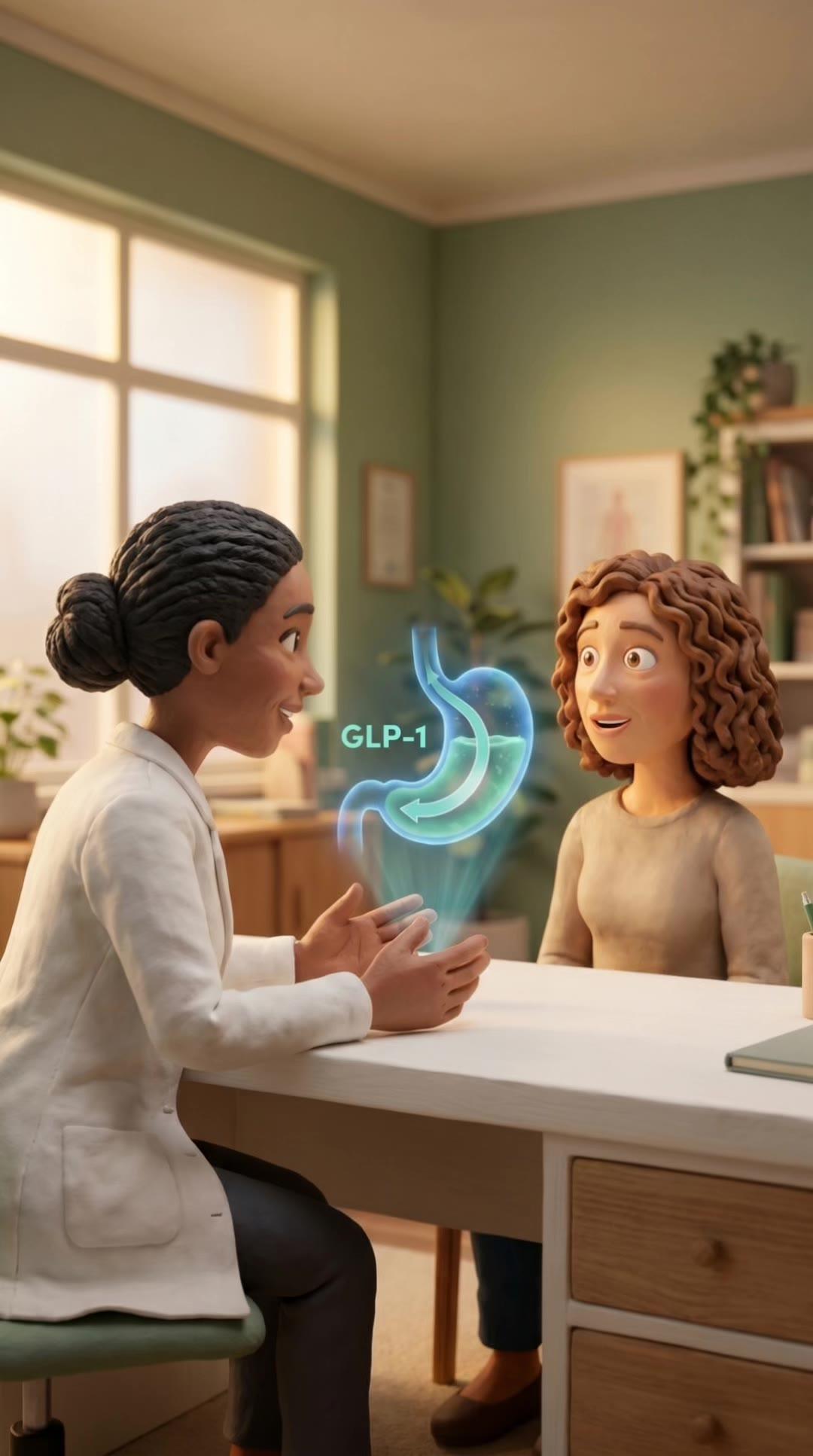
"How do I get more patients?" is the question every telehealth founder asks at some point. It is usually phrased in terms of one channel or one tactic, when the real answer is a stack of decisions across acquisition, conversion, and retention. The brands that grow have all three working at once. The brands that struggle are usually fixing one and ignoring the other two.
Here is how to think about getting more telehealth patients in 2026: what channels to use, what funnel gates to fix, and how to make sure the patients you do get actually stay long enough to be worth the cost.
Patient Acquisition Is Three Different Problems
Most founders treat patient acquisition as a single number to push down. It is actually three different problems that interact: how many people see your brand (top of funnel), how many of those people book a consultation (mid funnel), and how many of those consultations become paying patients (bottom funnel). The lever you pull depends entirely on which one is broken.
A brand stuck on top-of-funnel needs more ad spend, more channels, or more creative variety. A brand stuck on mid-funnel needs a better landing page, clearer pricing, or a smoother consultation booking flow. A brand stuck on bottom-funnel needs a better consultation experience, easier qualification, or a clearer next step after the visit. Most brands have one specific weak link and waste resources fixing the wrong one.
The Channels That Actually Work
Meta paid social is the largest patient acquisition channel for most telehealth brands. Sixty to seventy-five percent of paid patients come from Facebook and Instagram. If you are not running Meta well, that is the first thing to fix.
Google search captures patients who already know what they want. Branded search (people typing your company name) tends to be cheap and high-converting; non-branded search is more expensive but reaches earlier-stage demand. Both matter.
TikTok and YouTube can be meaningful secondary channels for the right brands, but they are not first. Build Meta and Google first, then layer TikTok and YouTube once you have proven economics.
Email and SMS to existing leads and lapsed patients is the most underrated patient acquisition channel in telehealth. Brands that win at retention often acquire 15-25% of their monthly new patients from their own owned list. For the broader channel view, see the best marketing channels for telehealth brands.
The Conversion Levers Worth Pulling
Landing page above-the-fold clarity. If a visitor cannot tell what you sell, what it costs, and what the next step is within five seconds of landing, you are losing 20-40% of paid traffic before they ever see the consultation form.
Pricing transparency. Hiding price in the hope of getting a consultation booking before the patient sees it almost always costs you more downstream. The patient hits sticker shock at the worst possible moment and disappears.
Consultation booking friction. Every extra field on the intake form costs you completion rate. Every extra step between "I want this" and "consultation booked" costs you 10-15% of demand.
Provider credentialing visibility. Patients hesitate when they cannot see who their provider will be. Real names, real photos, and real credentials lift bottom-funnel conversion 15-30% in most categories.
Concepts we ship across every awareness stage.
See the work →Retention Is a Patient Acquisition Lever
Most telehealth founders do not think about retention when they ask how to get more patients. They should. A brand with strong retention can spend more to acquire each patient and still hit healthy unit economics. A brand with weak retention has to chase cheaper and cheaper acquisition just to stay even.
If your six-month retention is below 50% in a subscription category, the highest-leverage thing you can do is fix retention before scaling acquisition. Adding ad spend to a leaky funnel just pours patients into a churning cohort.
Referral and Word of Mouth
Most telehealth brands underestimate how many patients they could acquire from existing patients. A real referral program (clear incentive, clean sharing flow, simple reward structure) can add 5-15% to monthly new patients with no paid media cost.
The brands that do this well make the existing patient feel like a hero, not a salesperson. Generic "refer a friend and get $25" programs underperform programs framed as "share something that helped you."
Paid Channels That Most Brands Skip
Reddit is increasingly viable for telehealth brands in 2026. Audiences are research-intensive, subreddit-targeted ads convert well, and the costs are competitive with mid-tier paid social.
Podcast advertising can be the highest-converting awareness channel for some telehealth categories, especially men's health and weight loss. The trade-off is the production effort and the attribution complexity.
Connected TV is starting to work for telehealth brands at scale. Most brands under $200K monthly are not ready, but at higher spend levels it adds meaningful brand awareness and downstream branded search demand.
What to Stop Doing
Stop running the same creative for two months. Telehealth audiences fatigue fast. Refresh creative every 2-3 weeks at the latest.
Stop blaming the agency before checking your landing page. Most "the agency is not delivering" complaints turn out to be landing page conversion problems the agency cannot fix unilaterally.
Stop trying to convert everyone. Tightening qualification raises mid-funnel conversion rate, lifts cohort quality, and improves retention. It is rarely the right move to widen the funnel.
The Short Version
Getting more telehealth patients in 2026 is a stack of decisions, not a single tactic. Build Meta and Google well, fix the landing page and consultation flow, invest in retention so each patient is worth more, and add channels in sequence once the core engine is working. Brands that follow the sequence grow. Brands that chase tactics one at a time stay stuck.
Related Articles
The Best Marketing Channels for Telehealth Brands
Where to invest first, second, and third as a telehealth founder.
How to Grow a Telehealth Business in 2026
The growth model behind durable telehealth brands.
How to Launch a Telehealth Brand: The First 90 Days of Marketing
A founder-level marketing launch plan.
Telehealth Patient Acquisition Cost: What to Expect in 2026
CAC benchmarks across telehealth verticals.
Ready to build a testing system that scales?
A 30-minute call. We audit your creative approach and show you exactly what a complete angle-format-hook system looks like for your vertical.