How to Launch a Telehealth Brand: The First 90 Days of Marketing
A founder's launch playbook for telehealth marketing. Platform setup, first creative, first patients, and the milestones that tell you the model is working.
Concepts shown are internal creative studies, not client campaigns.

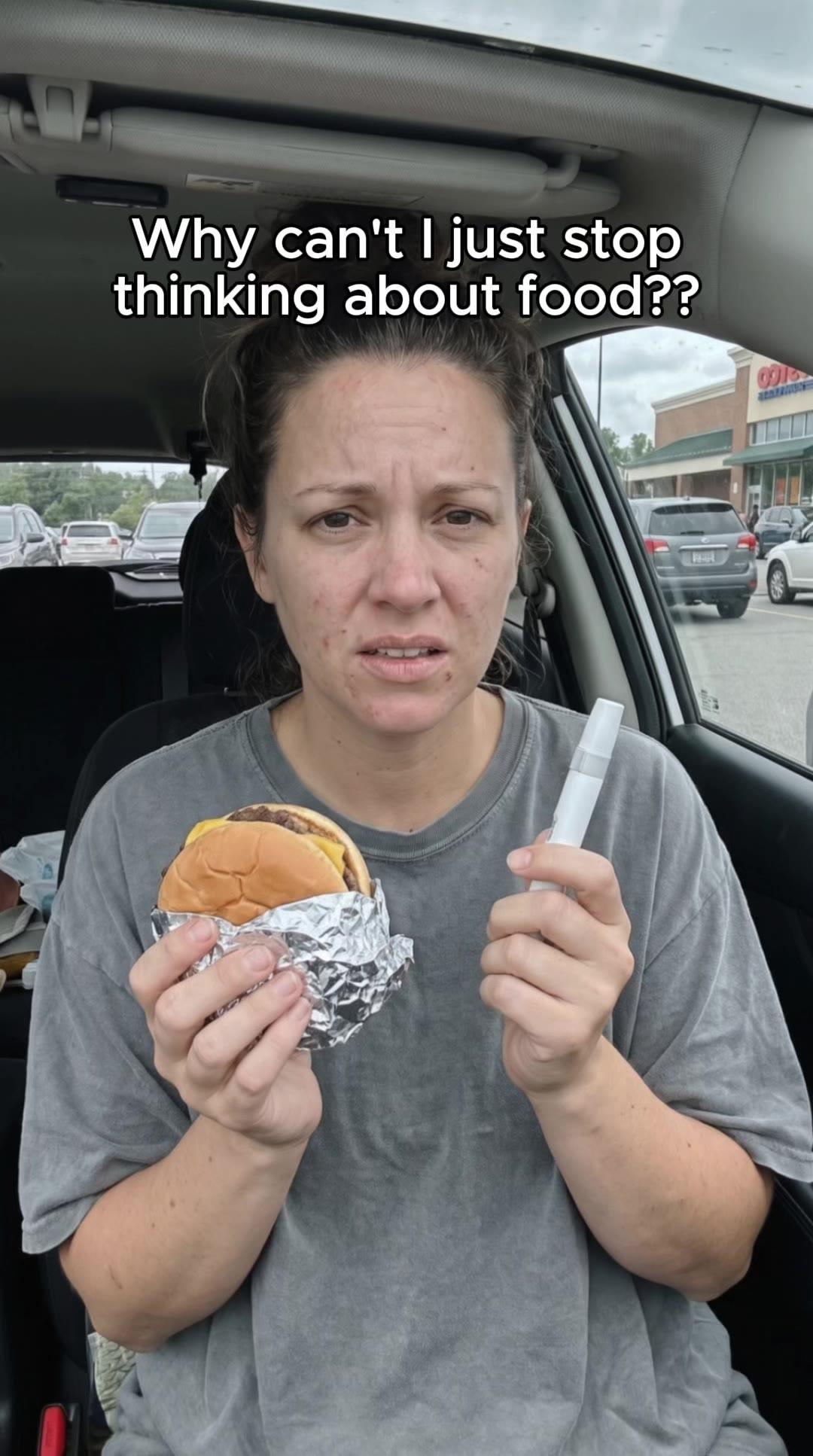

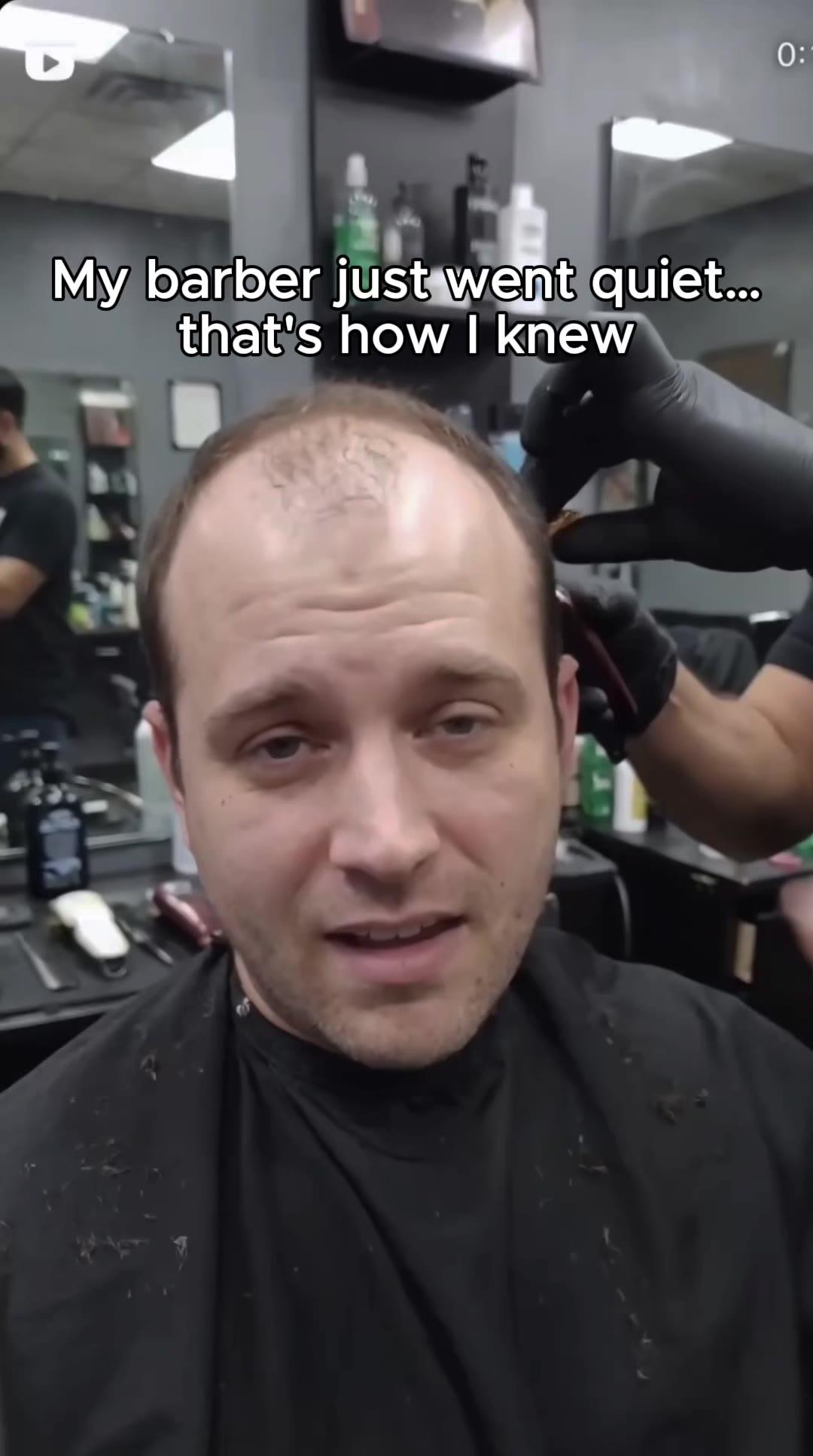




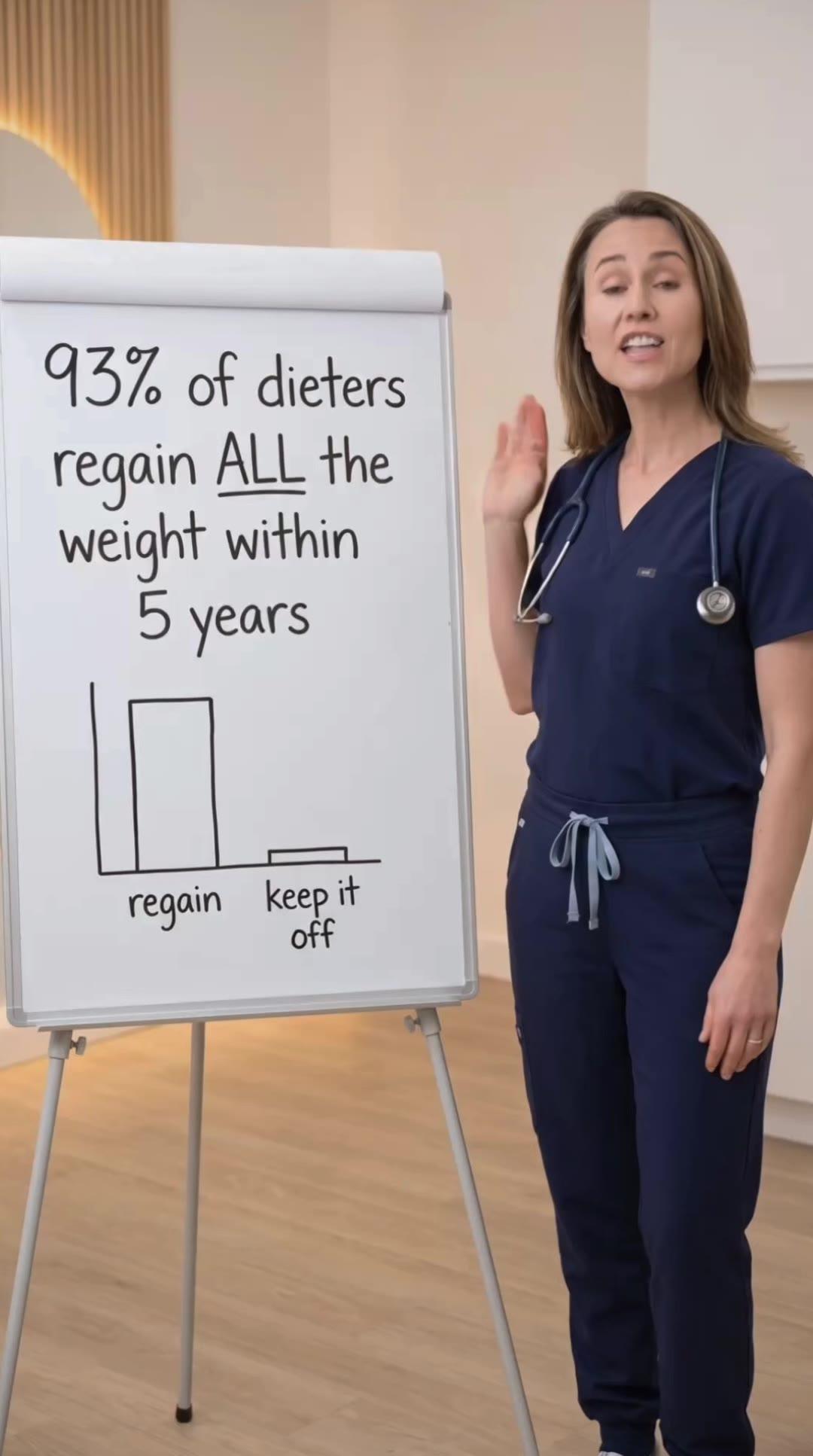
The first 90 days of marketing for a new telehealth brand decide most of what happens in year one. Get the foundation right and the engine compounds. Get it wrong and you spend month four rebuilding the basics while burning runway. This playbook is opinionated for that reason; precision in the first three months saves a year of cleanup later.
Here is what the first 90 days should look like, week by week, for a US telehealth brand launching in 2026.
Days 1-15: Foundation
Set up Business Manager, Meta ad account, Google Ads account with a clean LegitScript application in motion, and a website that maps clearly to a single category. Get a privacy policy, terms of service, and HIPAA disclosures that are real and accurate, not boilerplate copied from another brand.
Install the Meta Pixel and Conversions API on every key page. Without server-side measurement, your Meta optimization will degrade fast and the cost shows up in CAC within weeks. For why this matters, see telehealth ad performance metrics.
Brief a medical reviewer. You need someone clinical signing off on what your ads say before they go live. The cost is small relative to the platform and regulator exposure of skipping this step.
Days 16-30: Build the First Creative Batch
Produce 15-25 ads spanning three formats: provider-led explainer, patient story or testimonial-style, and educational mechanism content. Pick one positioning angle and run all three formats against it. Resist the urge to test five angles at once; first creative discipline is "pick a story and run it three ways."
Build a landing page that says what the medication is, what it costs, what the qualification gate looks like, who the provider is, and what the next step is. Hide nothing. Pages that obscure pricing or provider details perform worse than they look like they would.
Days 31-45: Launch Paid Social
Start with Meta. Allocate $1,000-2,500 per day across 3-5 ad sets with broad audience targeting and the creative batch you produced. Resist the temptation to layer audience interests heavily; Meta's algorithm prefers broad in 2026.
Spend the first 14 days observing, not optimizing. Watch which creative gets impressions, which audiences engage, what CTR ranges look like. Optimization decisions before day 14 are usually noise.
Track three numbers obsessively: click-through rate (target 1.2-2.0% on cold prospecting), landing page to consultation booking rate (target 8-15%), and consultation to first purchase rate (target 40-60% depending on category).
Days 46-60: First Optimization Cycle
Kill the bottom-quartile creative. Double down on the formats and hooks that are working. Add 10-15 new ad variants in the proven format direction. By day 60 you should be running 25-35 active ads with a clear pattern emerging on which angles convert.
Begin retargeting. Set up audiences for landing page visitors, consultation page abandoners, and consultation no-shows. Build 5-8 retargeting-specific ads with messaging tuned to where the patient dropped off.
Add Google Search if LegitScript has come through. Branded search for whatever your brand name is, plus 8-12 non-branded keyword groups for high-intent terms in your category.
Concepts we ship across every awareness stage.
See the work →Days 61-75: Scale What Is Working
If unit economics are working, increase spend by 20-30% per week, not 50-100%. Telehealth audiences respond to gradual scaling; aggressive jumps tend to inflate CAC and trigger Meta learning resets.
Add a second creative batch of 15-25 ads. The first batch will be fatiguing by now; without a second cohort of creative, performance will degrade.
Stand up an email and SMS engine for the consultation booking flow. Patients who book but do not show, no-show but eventually convert, and convert but lapse are all addressable with owned audience messaging.
Days 76-90: Read the Real Numbers
By day 90 you should have enough cohort data to read your fully-loaded patient acquisition cost honestly. Calculate it including paid media, creative production cost, agency or freelance fees, and platform overhead. This is the number that decides whether you scale, hold, or restructure.
Compare to category benchmark. GLP-1 sits at $180-320 fully-loaded CAC, TRT at $180-300, ED at $70-140, hair loss at $90-170. If you are within 25% of benchmark, the model is working. If you are 50%+ above, there is a structural problem that needs diagnosis before more spend.
What Most Founders Get Wrong in the First 90 Days
Spending too much too fast. The first 30 days are about learning, not scaling. Brands that burn through $40K in the first month usually have less to show for it than brands that spent $15K and learned more.
Testing too many angles at once. Five different positioning angles in week one produces statistically meaningless data. Pick one, give it real budget, then iterate.
Skipping the measurement foundation. No Pixel, no CAPI, no real reporting layer. Then wondering why Meta's optimization is bad in week six. The fix is upstream.
Hiring an agency before you have proof of concept. Agencies amplify what is working. They cannot create demand or fix unit economics. Spend the first 90 days proving the model yourself, then bring in agency support.
The Short Version
The first 90 days of telehealth marketing are about discipline, not scale. Build the foundation in days 1-30, launch and observe in days 31-60, optimize and scale gradually in days 61-90. Brands that follow this sequence have honest data and a working engine by day 90. Brands that skip steps spend the next 90 days fixing what they broke.
Related Articles
How to Grow a Telehealth Business in 2026
The growth model behind durable telehealth brands.
How to Get More Patients for a Telehealth Brand
Channel mix and growth levers that fill telehealth consultations.
The Best Marketing Channels for Telehealth Brands
Where to invest first, second, and third.
Paid Ads vs SEO for Telehealth Brands: Which Comes First?
When to start with paid and when to add SEO.
Ready to build a testing system that scales?
A 30-minute call. We audit your creative approach and show you exactly what a complete angle-format-hook system looks like for your vertical.