The Best Marketing Channels for Telehealth Brands
A founder's view on where telehealth growth actually comes from in 2026. The channels worth investing in, what each one delivers, and the right order to sequence them.
Concepts shown are internal creative studies, not client campaigns.

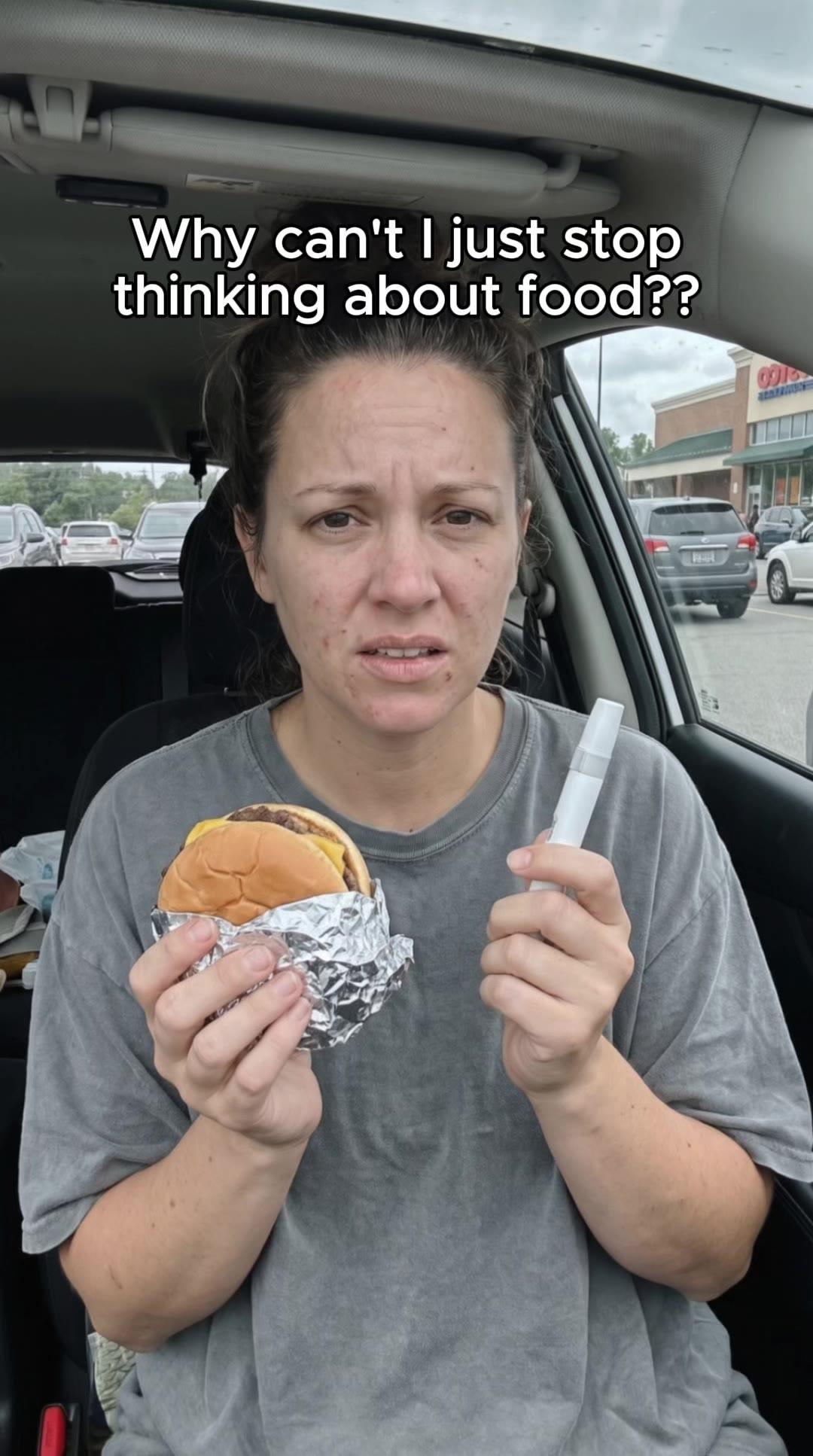

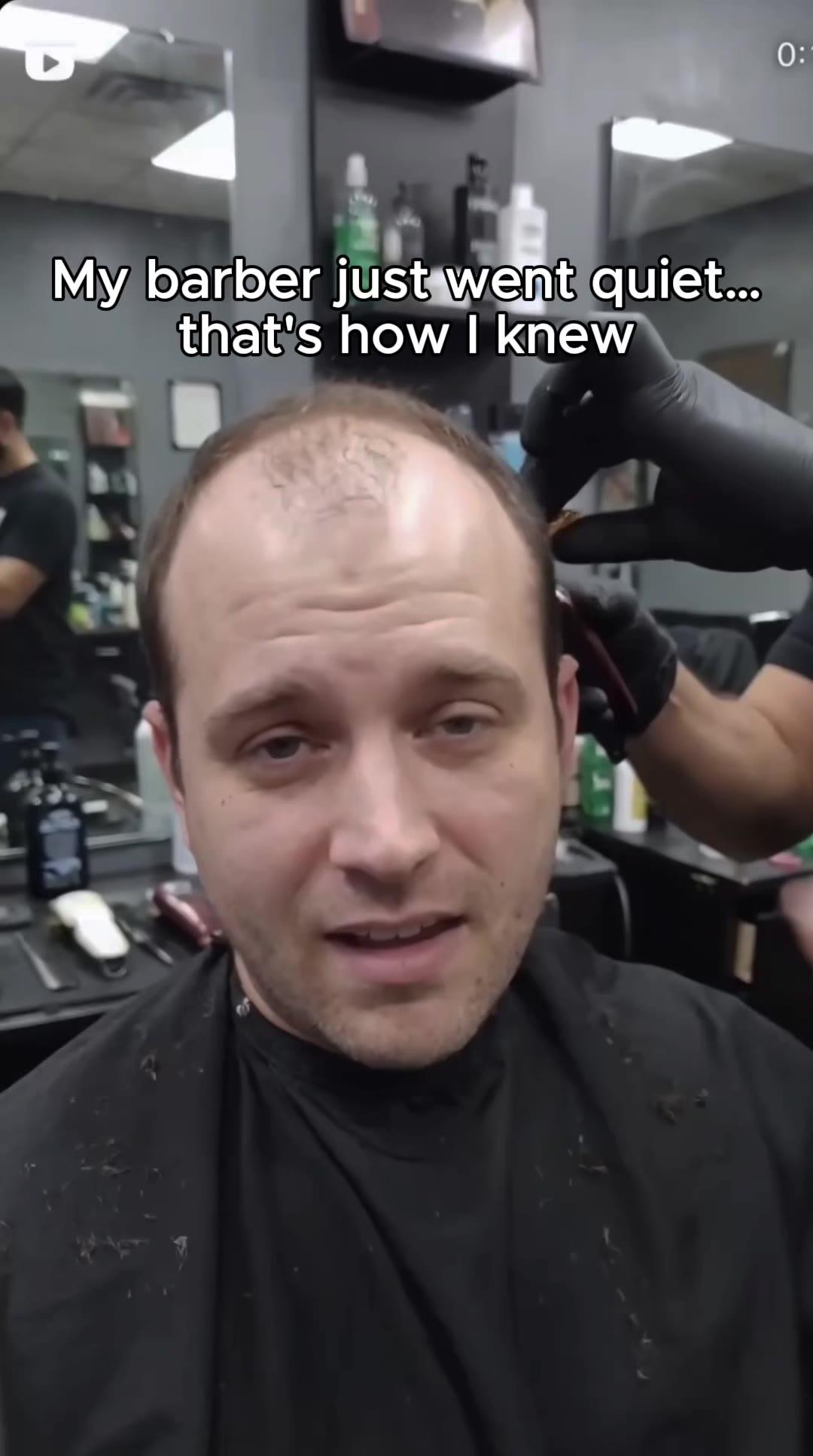



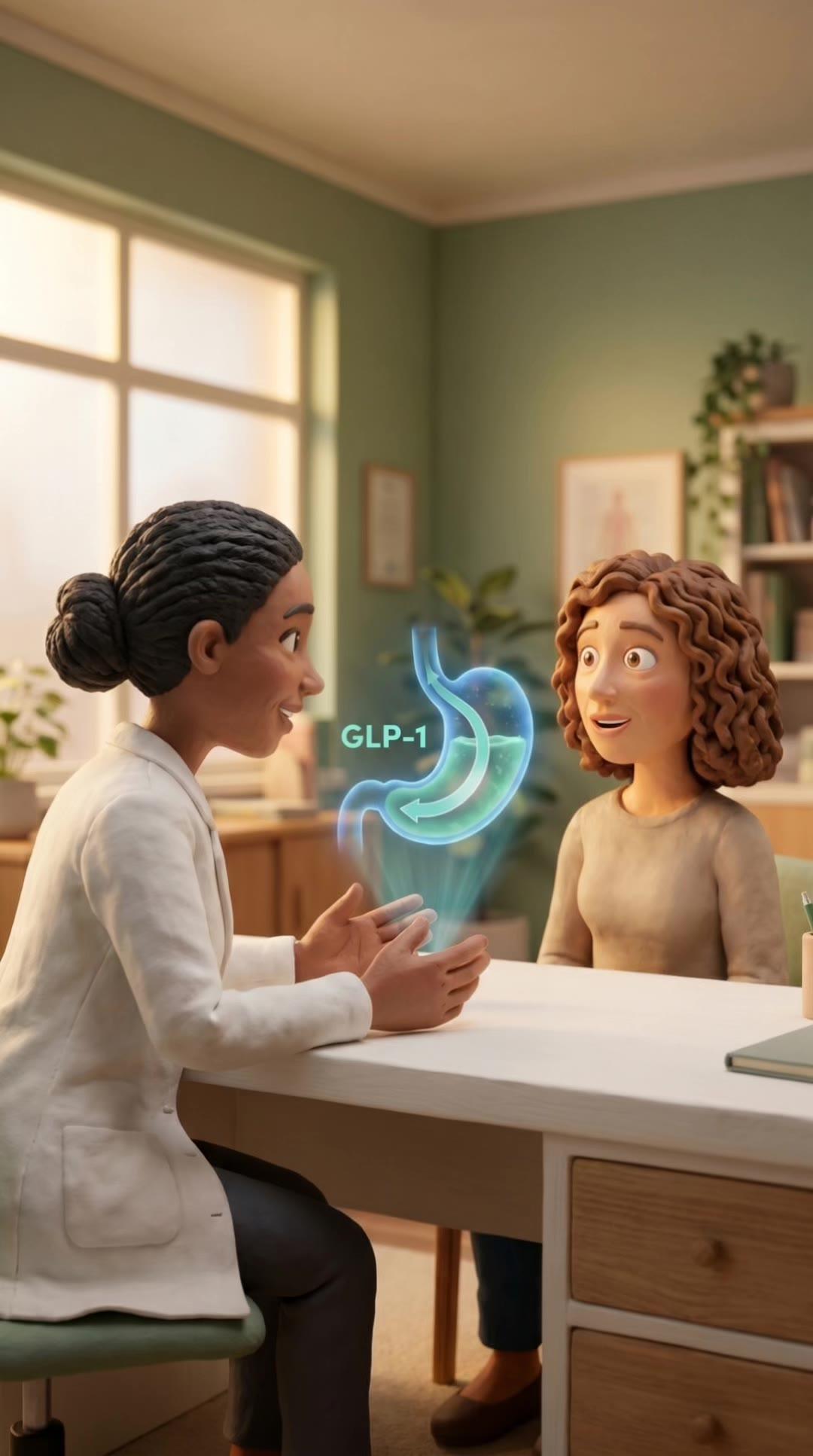
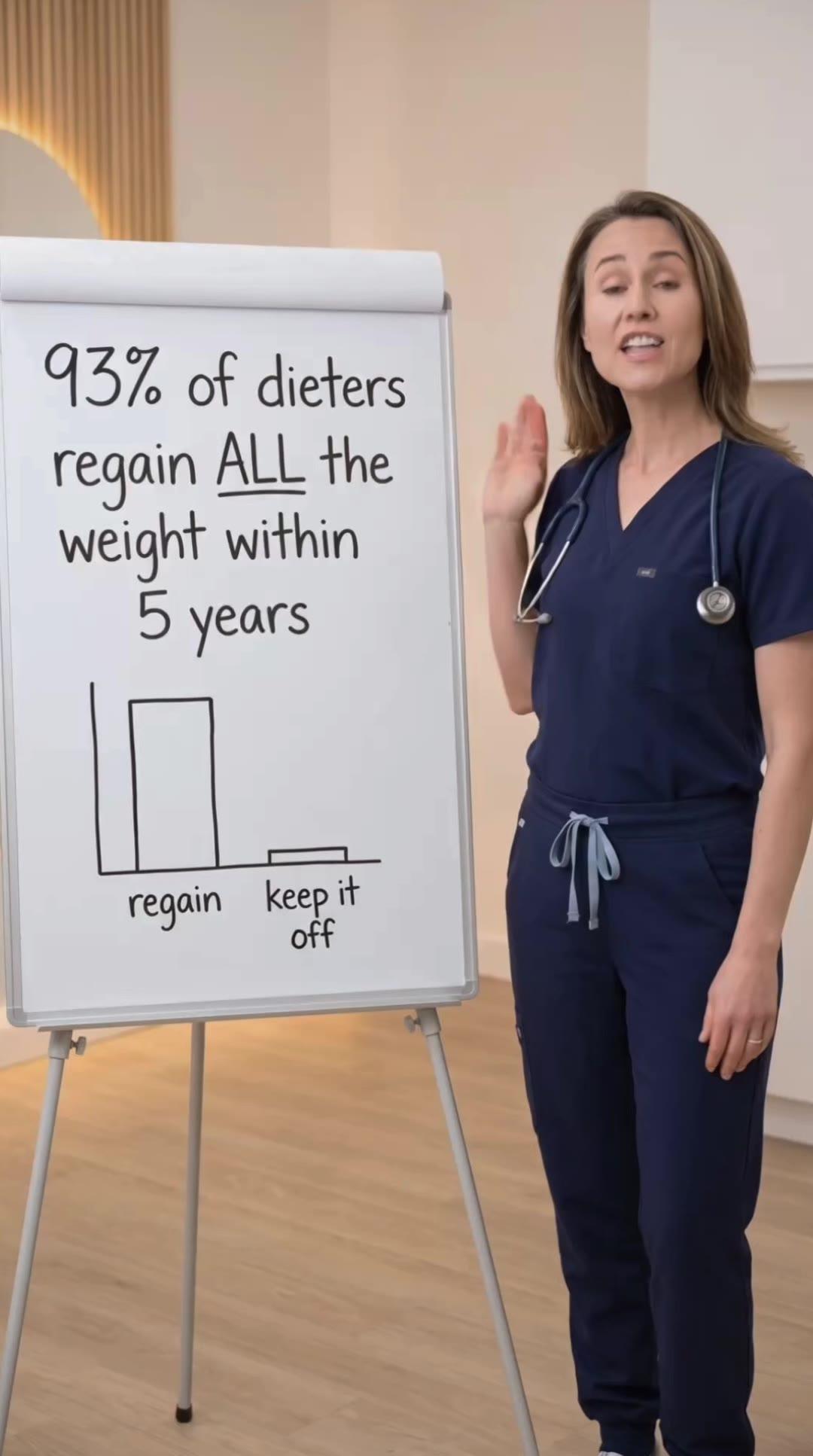
Most telehealth founders waste money on the wrong channels in the wrong order. The right answer for almost every brand is sequenced, not simultaneous. Open all eight channels at once with a $200K monthly budget and you will be doing every channel badly. Pick the right two for your stage, do them well, and add channels as the engine compounds.
Here is the honest channel ranking for telehealth brands in 2026: what works, what does not, and what to add at each stage of growth.
Tier One: Where Your First Patients Come From
Meta paid social (Facebook plus Instagram). The dominant patient acquisition channel for telehealth in 2026. Most brands acquire 60-75% of paid patients here. If you are building a telehealth brand, this is where you start.
Google search. Branded search captures the demand your other channels create; non-branded search captures patients who already know what they want. The volume ceiling is limited compared to paid social, but the conversion intent is the highest of any channel.
These two channels carry almost every telehealth brand in the early stages. Brands that try to skip them and find some clever channel that everyone else missed almost always come back to Meta and Google a year later, having burned a year of runway.
Tier Two: Where Scale Happens
TikTok. Works for some telehealth categories better than others. Hair loss, mental health, and women-focused weight loss perform well. TRT and high-priced brand-name GLP-1 are harder. TikTok requires creative built specifically for the platform; repurposed Meta ads rarely scale here.
YouTube. Strong for retargeting and brand awareness, mid-tier for direct response. Categories with longer consideration windows (TRT, peptide therapy, hair loss) benefit most. The trade-off is production cost: real YouTube creative is more expensive than Meta or TikTok.
Email and SMS to owned audiences. Most telehealth brands underuse this channel. A real owned-audience program can drive 15-25% of monthly new patient volume at near-zero variable cost.
Tier Three: Worth Adding Once the Engine Is Working
Reddit ads. Increasingly viable for telehealth in 2026. Audiences are research-intensive and convert well in categories like peptides, TRT, and mental health. Costs are competitive.
Podcast advertising. The highest-trust paid channel for telehealth. The production effort is real, attribution is messy, but the conversion quality is the highest of any paid channel. Best for men's health and weight loss.
Connected TV. Starts working at $200K+ monthly total spend. Adds brand awareness and downstream branded search demand. Premature for most brands under $100K monthly.
Influencer partnerships. Spend-efficient when sourced right, expensive and ineffective when sourced wrong. The brands that win here treat influencer as a creative production channel that feeds paid social, not as a standalone awareness play.
Concepts we ship across every awareness stage.
See the work →Channels That Look Better Than They Are
Snapchat. Performs for younger DTC brands but rarely matches Meta on telehealth conversion rates. Skip unless you have evidence of demand.
Pinterest. Works for women-focused wellness telehealth in narrow cases. Volume is limited compared to Meta. Useful as a secondary creative channel, not as a primary acquisition channel.
LinkedIn. Almost never the right channel for DTC telehealth. Useful for B2B telehealth (provider-facing services, enterprise wellness programs), but not for patient acquisition.
Traditional out-of-home advertising. Real costs, weak attribution, almost no fit for telehealth at the scale most brands are working. Skip until you are spending $500K+ monthly across all channels.
Organic Channels That Compound
SEO. Twelve to eighteen months to payback, then compounds for years. Year-two SEO traffic can carry 20-40% of new patient volume at a fraction of paid CAC. The brands that wait until year three to start SEO miss the compounding window. For an example, see peptide therapy SEO content.
Organic social. Lower direct acquisition impact than paid, but builds the brand awareness and creator pipeline that feed paid social. Worth doing if you have a real content cadence, not worth doing if you are posting twice a month.
Referral programs. Underrated and underpriced. A well-designed referral program can add 5-15% to monthly new patients at no media cost.
The Right Channel Sequence by Stage
Month 0-6: Meta paid social plus Google search. Two channels, full focus.
Month 6-12: add email/SMS to owned audiences, begin SEO investment, test one tier-two channel based on category fit.
Month 12-18: SEO traffic starts compounding, branded search demand grows, add the second tier-two channel.
Month 18+: tier-three channels become viable. Connected TV, podcast, and influencer partnerships add awareness layer behind the now-mature acquisition engine.
The Short Version
The best marketing channels for telehealth brands in 2026 are Meta and Google first, owned audiences and SEO second, and everything else sequenced behind a working engine. The order matters more than the channel list. Brands that pick the right channels but in the wrong order spend a year underperforming for no good reason.
Related Articles
How to Get More Patients for a Telehealth Brand
The channel mix and growth levers that actually fill telehealth consultations.
Paid Ads vs SEO for Telehealth Brands: Which Comes First?
When to start with paid ads and when to add SEO.
Meta vs TikTok for Telehealth Ads
Performance comparison between Meta and TikTok for telehealth advertising.
How to Launch a Telehealth Brand: The First 90 Days of Marketing
A founder-level launch plan.
Ready to build a testing system that scales?
A 30-minute call. We audit your creative approach and show you exactly what a complete angle-format-hook system looks like for your vertical.