The Best Performing UGC Formats for ED Treatment Telehealth Brands
Concepts shown are internal creative studies, not client campaigns.


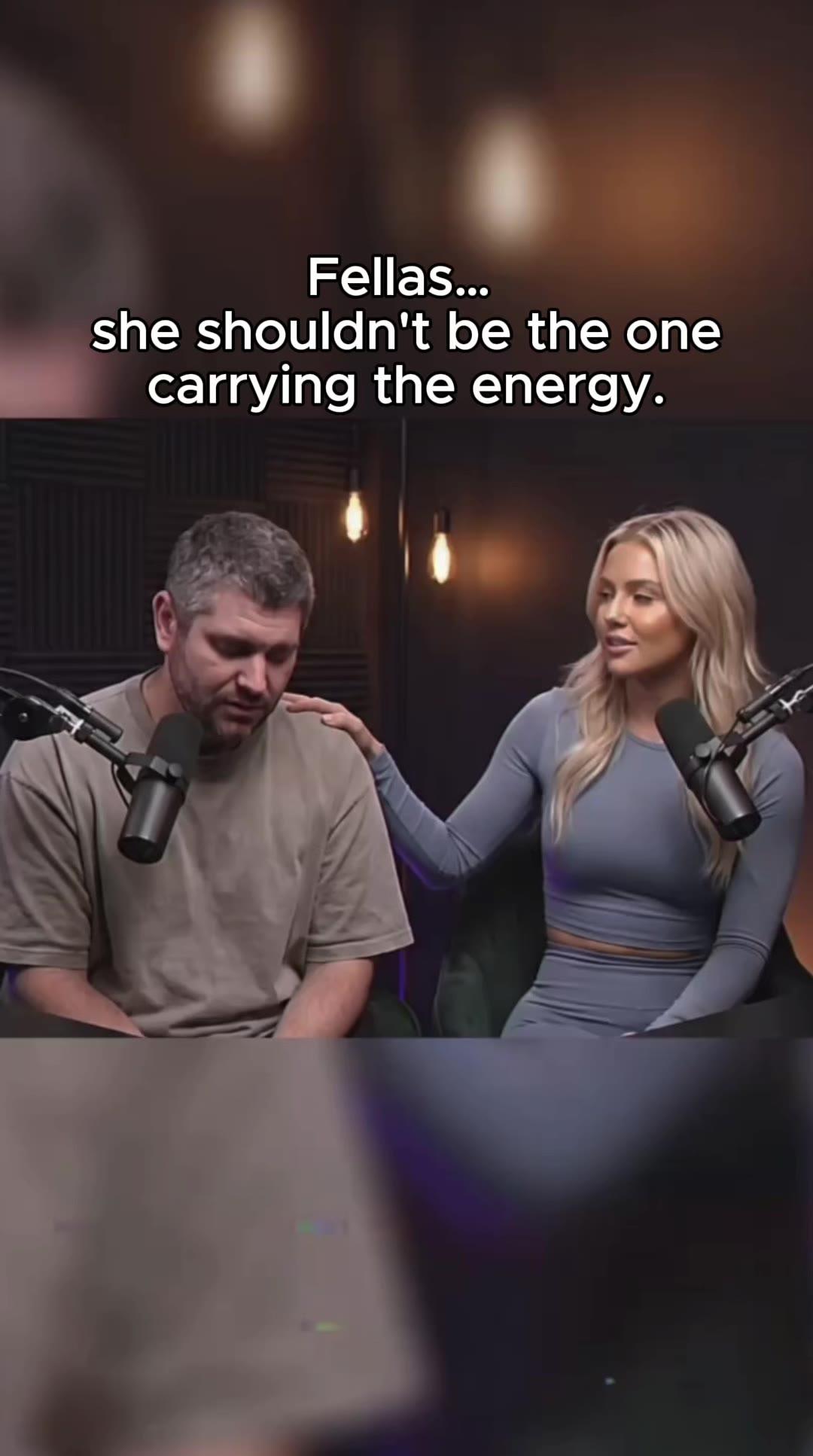
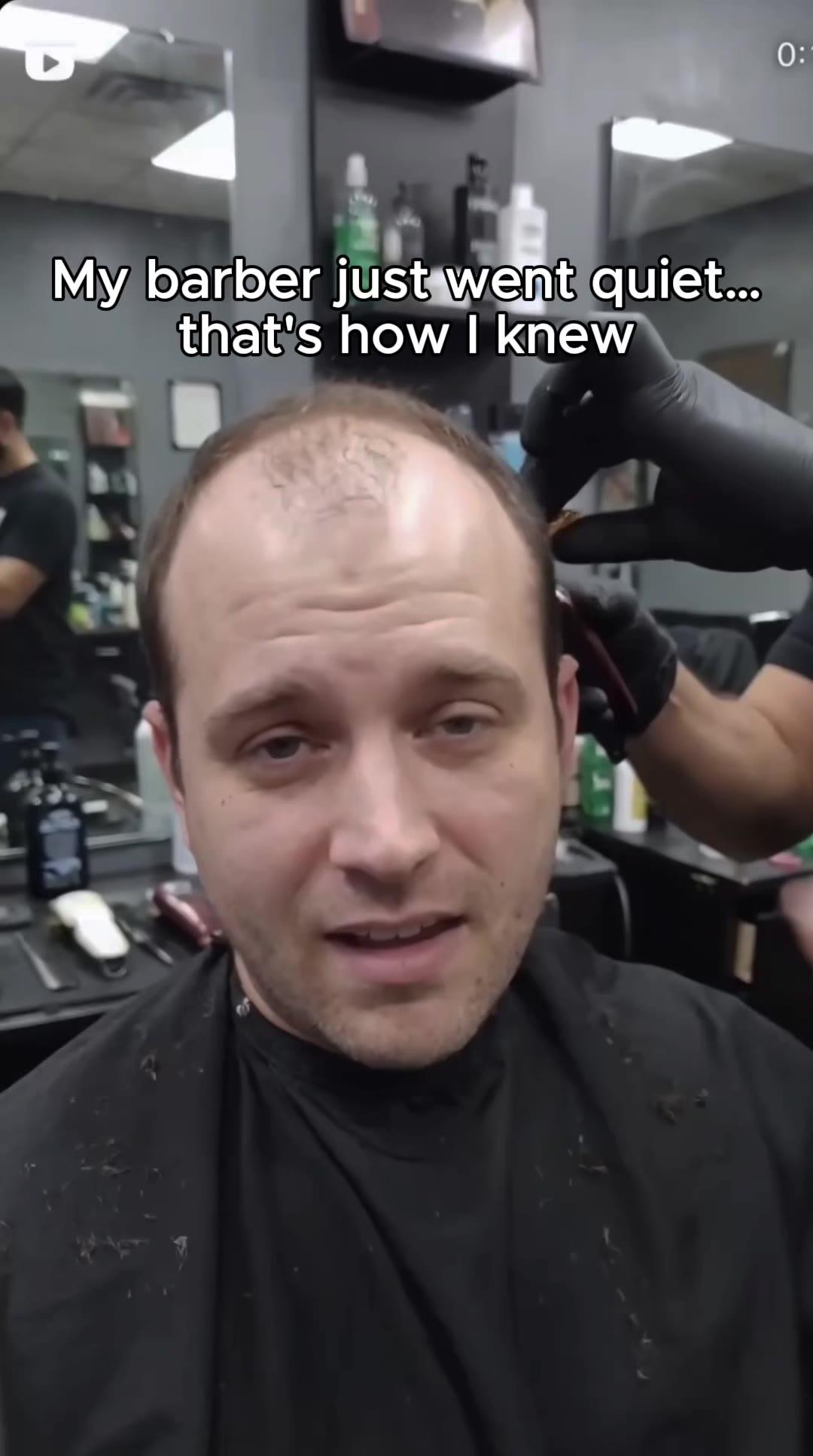

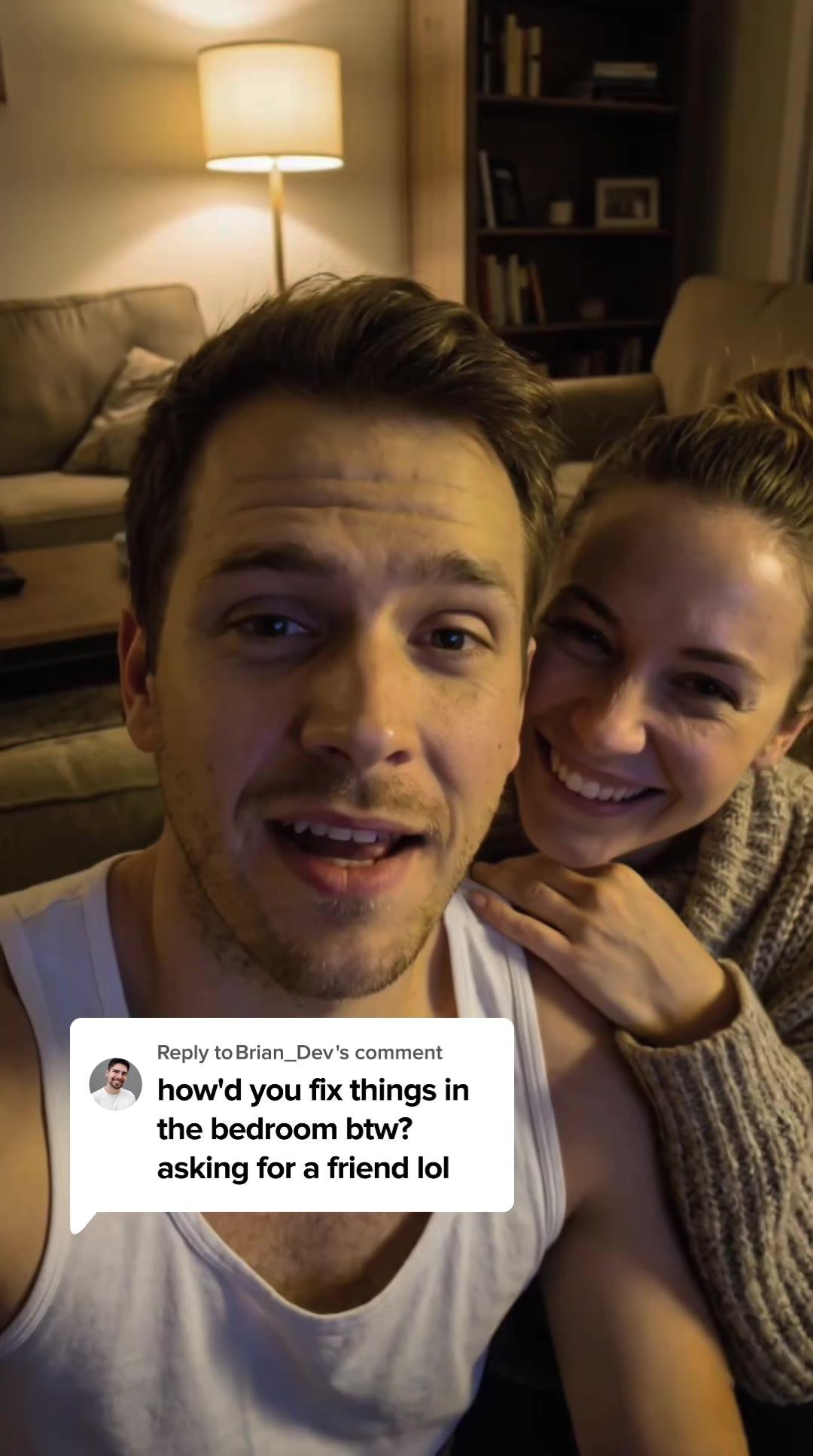

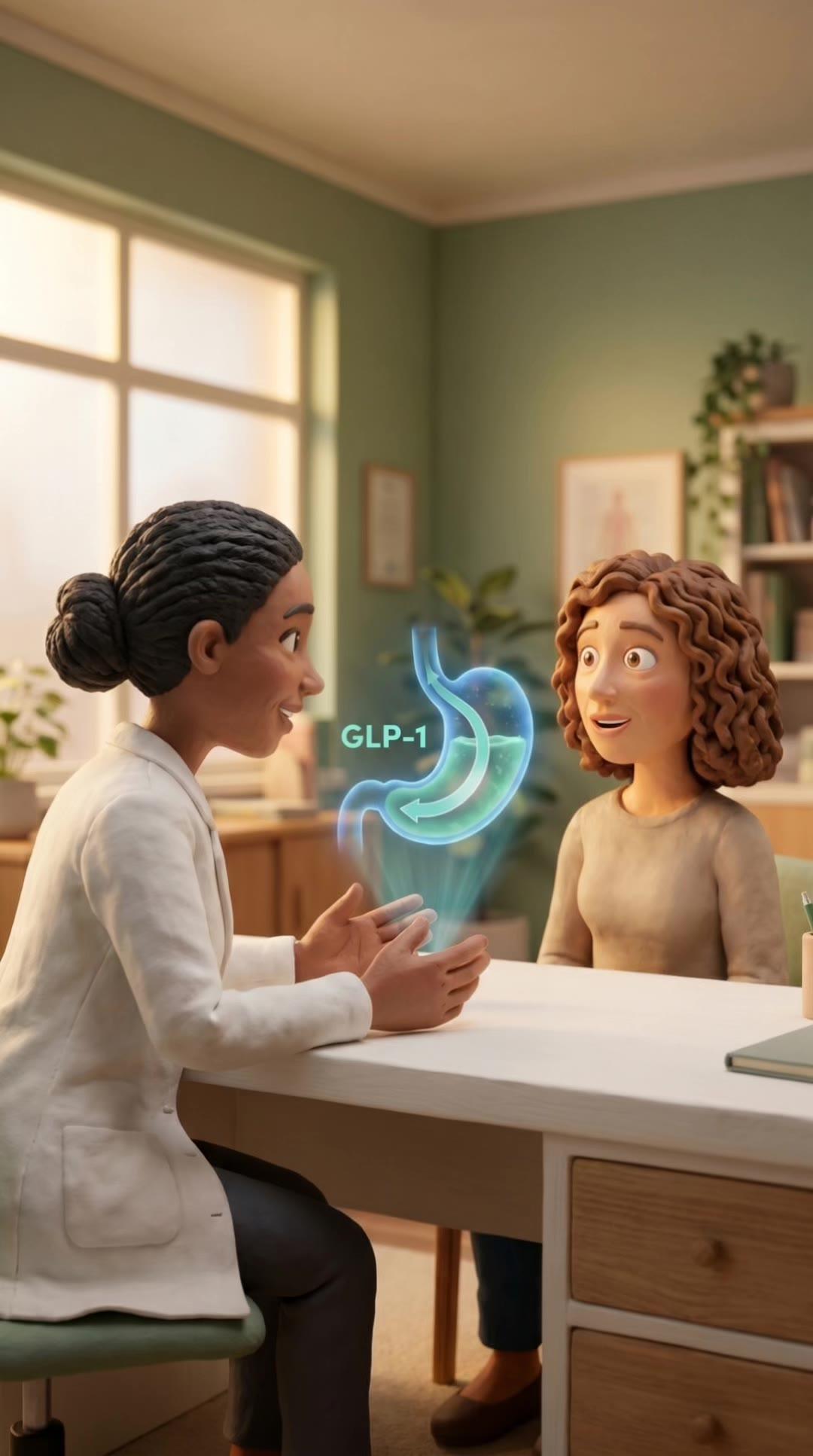
ED treatment advertising carries unique challenges. The category is sensitive, audiences are privacy-conscious, and most men won't engage with content that feels invasive or clinical. Generic UGC formats that work for GLP-1 or TRT often fail for ED brands because they don't address the specific concerns men have when considering treatment. The content needs to normalize the conversation, emphasize discretion, and position treatment as accessible without being pushy.
The best performing UGC formats for ED telehealth brands focus on process transparency, privacy reassurance, and relatable storytelling. This guide explains which formats drive conversions, which creator demographics resonate, and which messaging angles reduce friction for men considering ED treatment through telehealth.
Process Explainer Format Outperforms Testimonials
For ED treatment, process-focused UGC drives better performance than personal testimonials. Men researching ED treatment want to understand how the service works, what privacy measures are in place, and whether it's legitimate. Videos that walk through "Here's how the consultation works" or "This is what to expect from start to finish" outperform videos that say "This worked for me."
Process explainers reduce uncertainty, which is the primary barrier to conversion. Men worry about privacy, judgment from providers, and whether online treatment is real medical care. A video that explains "You fill out a form, a licensed provider reviews it, and if approved, medication ships discreetly to your door" answers these concerns without making outcome promises. It's educational, not promotional.
Keep process explainers concise: 20-30 seconds maximum. The format is straightforward: "Here's how it works — Step 1, Step 2, Step 3." No fluff, no personal backstory. Just clear information delivered confidently. This format performs well on cold traffic because it provides value upfront and reduces skepticism by demystifying the process.
Male Creators Aged 35-55 Drive Lowest CPA
Male creators in their 30s, 40s, and 50s consistently outperform younger or female creators for ED treatment ads. The target audience is predominantly men in this age range, and they respond better to creators who match their demographic. A 45-year-old man discussing ED treatment feels relatable. A 25-year-old or female creator feels mismatched, which hurts trust and conversion rates.
Test creators across age segments within the 35-55 range. Men in their 30s may respond better to creators who emphasize performance and confidence. Men in their 50s may respond better to creators who discuss health and longevity. Matching creator age to audience age improves relevance and relatability, which drives better performance.
Also consider relationship status in creator selection. Married or partnered creators who mention their relationships in passing ("My wife suggested I look into this") perform well because they signal that ED treatment is about connection, not ego. This framing resonates with men who see treatment as improving their relationships rather than fixing a personal failing.
We produce paid social creative exclusively for telehealth brands. From 18 to 200 assets per month.
Get in TouchPrivacy-Focused Messaging Reduces Friction
ED treatment ads must emphasize privacy and discretion. Men avoid seeking treatment because they don't want to discuss ED with a doctor face-to-face or pick up medication at a pharmacy. UGC that addresses these concerns directly ("Everything is private, no in-person appointments, discreet packaging") removes friction and improves conversion rates.
Use language that reinforces discretion without making it sound shameful. Instead of "No one will know," say "Completely private and delivered to your door." The first phrasing implies ED is something to hide. The second emphasizes convenience. Subtle language differences affect how viewers perceive the message. Privacy is a feature, not an escape from stigma.
Also address credibility concerns. Many men worry that online ED treatment is a scam or unsafe. Include phrases like "Licensed providers review every case" or "All medications are FDA-approved." These statements build trust and differentiate legitimate telehealth from questionable online pharmacies. Credibility messaging is especially important for audiences who've never used telehealth before.
Normalize-the-Conversation Format Reduces Shame
One of the highest-performing formats for ED brands is the "normalize the conversation" approach. Creators say things like "I found out way more men deal with this than I thought" or "Talking to a doctor about this was way less awkward than I expected." This format reduces shame by positioning ED as common and treatable, not rare or permanent.
Normalization messaging works because it gives men permission to seek help. Many men avoid treatment because they believe ED is uncommon or a sign of personal failure. When a relatable creator says "This is more common than you think" or "A lot of guys in their 40s experience this," it reframes the issue as normal. This reduces the emotional barrier to taking action.
Keep the tone matter-of-fact, not overly reassuring. Don't say "It's okay, you're not alone." That sounds patronizing. Instead, say "Turns out this is pretty common." The casual tone signals that the creator doesn't think ED is a big deal, which helps the viewer feel less self-conscious. Confidence reduces shame more effectively than empathy in this context.
UGC formats we produce for telehealth.
See the work →Avoid Relationship or Intimacy Imagery
ED treatment ads should avoid romantic or intimate imagery. No bedroom scenes, no couples holding hands, no suggestive visuals. These images trigger platform compliance issues and make viewers uncomfortable. The best performing ED UGC is filmed in neutral settings: home office, living room, car, or outdoors. The creator speaks directly to camera with no visual context that implies intimacy.
Focus on the creator's face and message, not visual storytelling. ED treatment is a conversation topic, not a visual one. The power of the content is in what the creator says, not what's shown on screen. Simple, direct-to-camera delivery outperforms produced content with b-roll or lifestyle imagery. Less is more for this category.
Also avoid language that references sexual performance or satisfaction. Platforms flag content that's too explicit, and audiences find it uncomfortable. Instead, focus on confidence, relationships, or health. "I wanted to feel more confident" performs better than "I wanted better performance." The former is aspirational; the latter is clinical and awkward.
Short-Form Content Drives Better CTR for Cold Traffic
For cold audiences, 15-20 second videos outperform longer formats. ED treatment isn't an impulse topic. Men don't watch 60-second ads about ED unless they're actively researching. Short-form content hooks attention quickly and drives clicks without requiring a big time investment. The goal is to get viewers to the landing page where they can read more, not to explain everything in the ad.
Effective short-form structure for ED ads: Hook (3 seconds) — "I finally talked to a doctor about ED." Message (12 seconds) — "The whole process was private and way easier than I expected." CTA (5 seconds) — "If you're curious, check it out." Total runtime: 20 seconds. This format delivers enough value to drive curiosity without overstaying its welcome.
For retargeting, 30-45 second videos work better because warm audiences want more detail. These viewers have already visited your site and are evaluating whether to move forward. Longer videos can address objections, explain pricing, or walk through the consultation process. Match video length to audience intent: cold traffic gets short hooks, warm traffic gets detailed explanations.
Credentialed Creators Add Trust for Skeptical Audiences
For audiences skeptical about online ED treatment, credentialed creators like PAs, nurses, or health coaches improve performance. These creators can explain the medical process credibly without making treatment claims. They position telehealth as legitimate medical care, not an online gimmick. Credentialed creators work especially well for educated, higher-income audiences who value professional authority.
When using credentialed creators, focus on education: "Here's how telemedicine for ED works" or "What to expect during an online consultation." Avoid having credentialed creators make personal testimonials. It's inappropriate for a healthcare professional to say "I use this service." Their role is to educate, not endorse. Clarity on their role protects both the creator and your brand from compliance issues.
Credentialed creators cost more ($400-$700 per video) but drive 15-25% lower CPA for skeptical audiences. If your audience is questioning whether online ED treatment is real or safe, credentialed creators answer that concern. For audiences who trust their doctor's advice, a nurse or PA explaining the process carries weight. Match creator type to audience mindset.
Test Contrarian Hooks That Challenge Assumptions
Contrarian hooks work well for ED brands because they challenge the assumption that seeking treatment is embarrassing or complicated. Hooks like "I thought talking to a doctor about ED would be awkward, but it wasn't" or "I assumed online treatment wasn't real, but I was wrong" disarm skepticism by acknowledging it upfront. The creator's initial doubt mirrors the viewer's, which builds rapport.
Contrarian hooks also signal that the creator was skeptical too, which makes their eventual decision to try telehealth more credible. If the creator started as a believer, their message feels like an ad. If they started skeptical and changed their mind, it feels like a genuine recommendation. Skepticism-to-satisfaction is a powerful narrative for audiences who share those doubts.
Test multiple contrarian angles: cost ("I thought this would be expensive"), legitimacy ("I didn't think online treatment was real"), or privacy ("I was worried about discretion"). Different audiences have different primary concerns. Performance data will reveal which concern is most common among your target customers. Double down on the contrarian hook that addresses their biggest friction point.
Measure Performance by Demographic Segment
ED treatment audiences aren't monolithic. Men in their 30s have different concerns than men in their 50s. Test UGC formats and creators across age segments and measure performance separately. You may discover that process explainers work best for men 35-45, while normalization messaging works better for men 50+. Segment-specific creative strategies drive better overall performance.
Also test relationship status as a targeting variable. Married or partnered men may respond differently than single men. Messaging that emphasizes relationship improvement may resonate with partnered men. Messaging that emphasizes confidence or personal health may work better for single men. Test both angles and allocate budget based on which drives better CPA for each segment.
Finally, track whether certain formats drive better long-term retention. A video that drives low CPA but high churn isn't as valuable as one that drives moderate CPA with strong retention. For ED brands, lifetime value depends on ongoing prescription refills. Optimize for customers who stay, not just those who sign up. Format testing should consider both acquisition cost and retention rate.
Need help creating UGC that performs for your ED telehealth brand? Book a call or explore our creative services.
UGC systems built for telehealth.
A 30-minute call. We audit your creative approach and show you exactly what a complete angle-format-hook system looks like for your vertical.