Long-Form vs Short-Form UGC for Telehealth: Which Converts
Concepts shown are internal creative studies, not client campaigns.

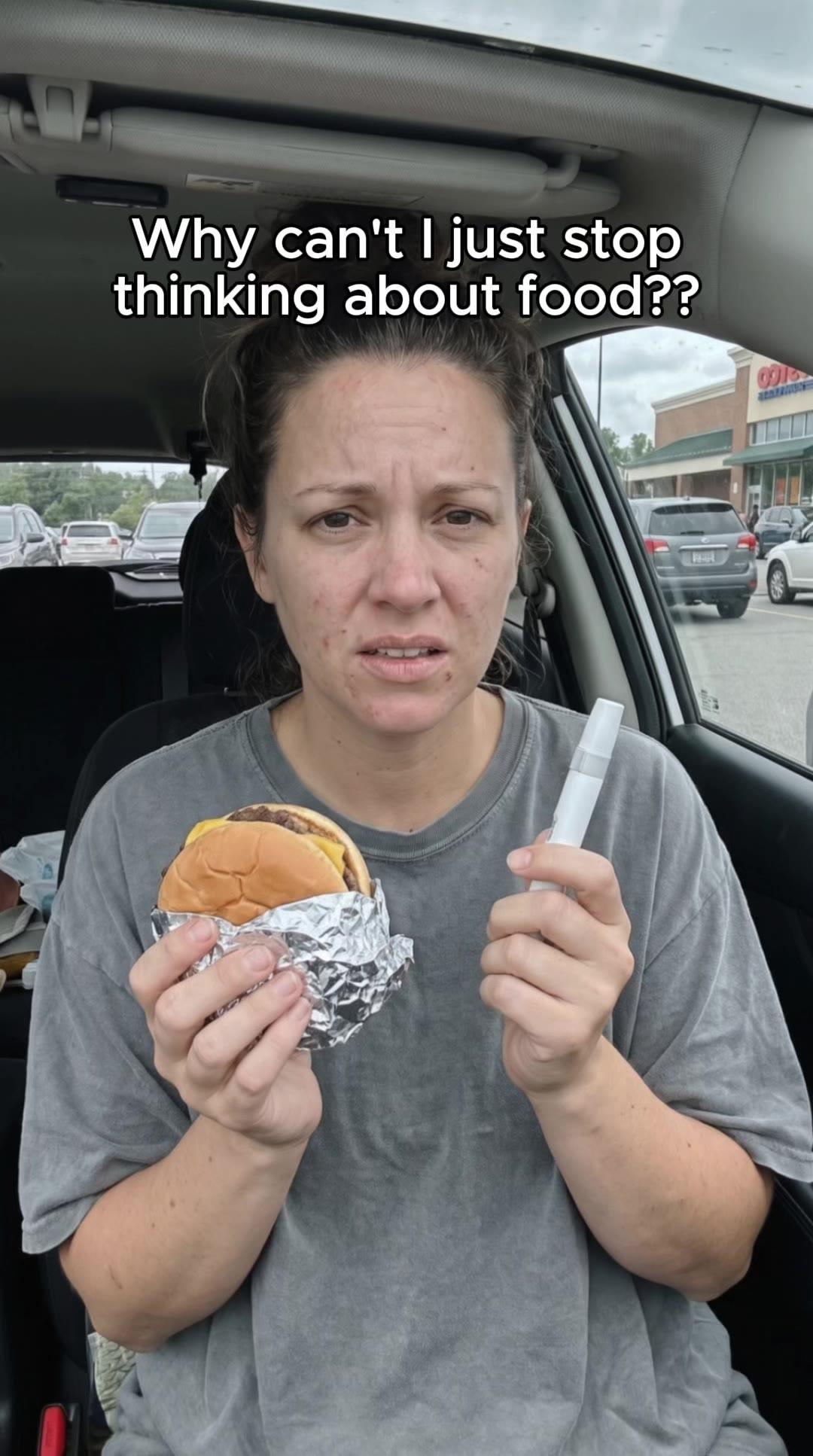
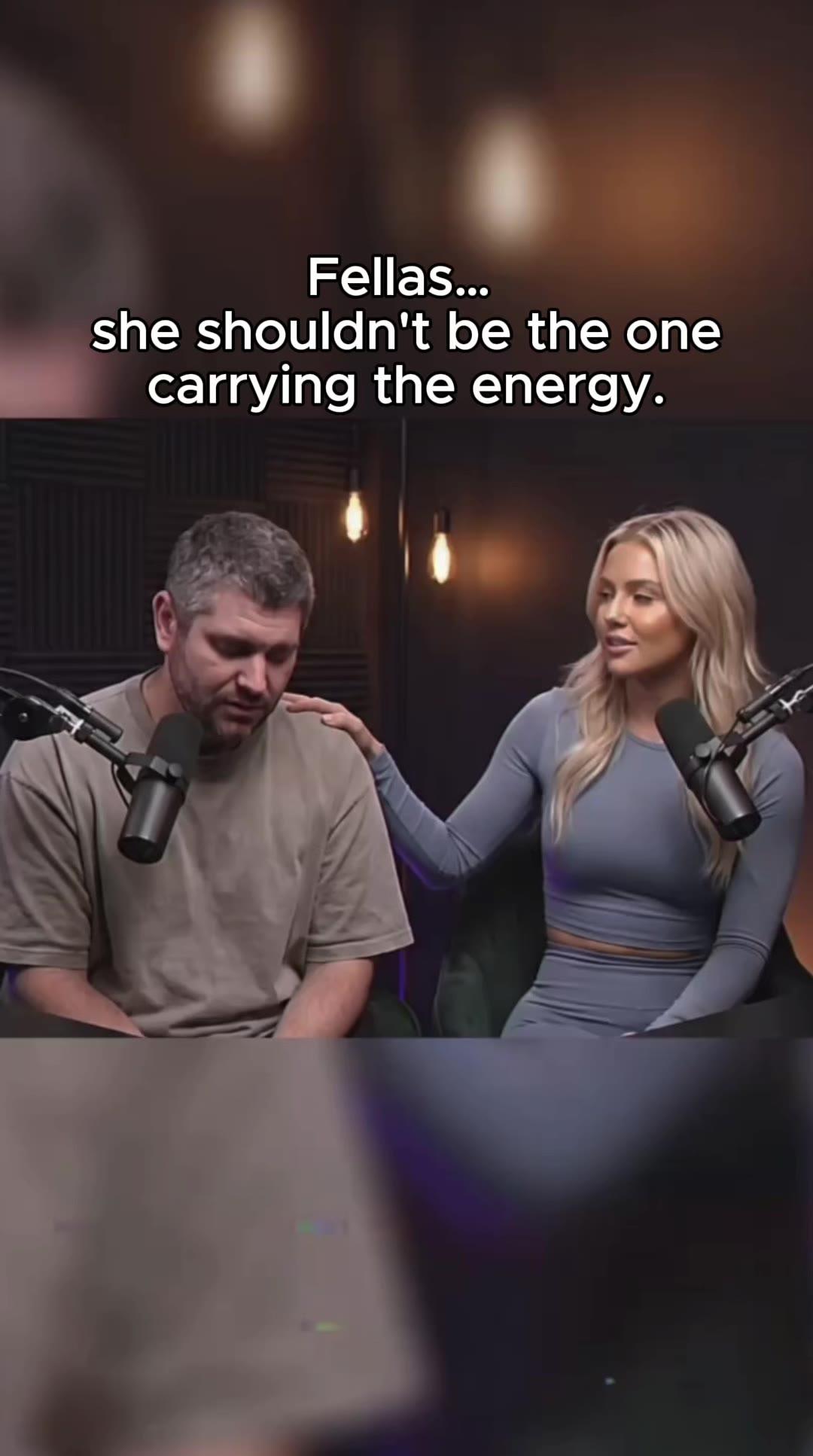
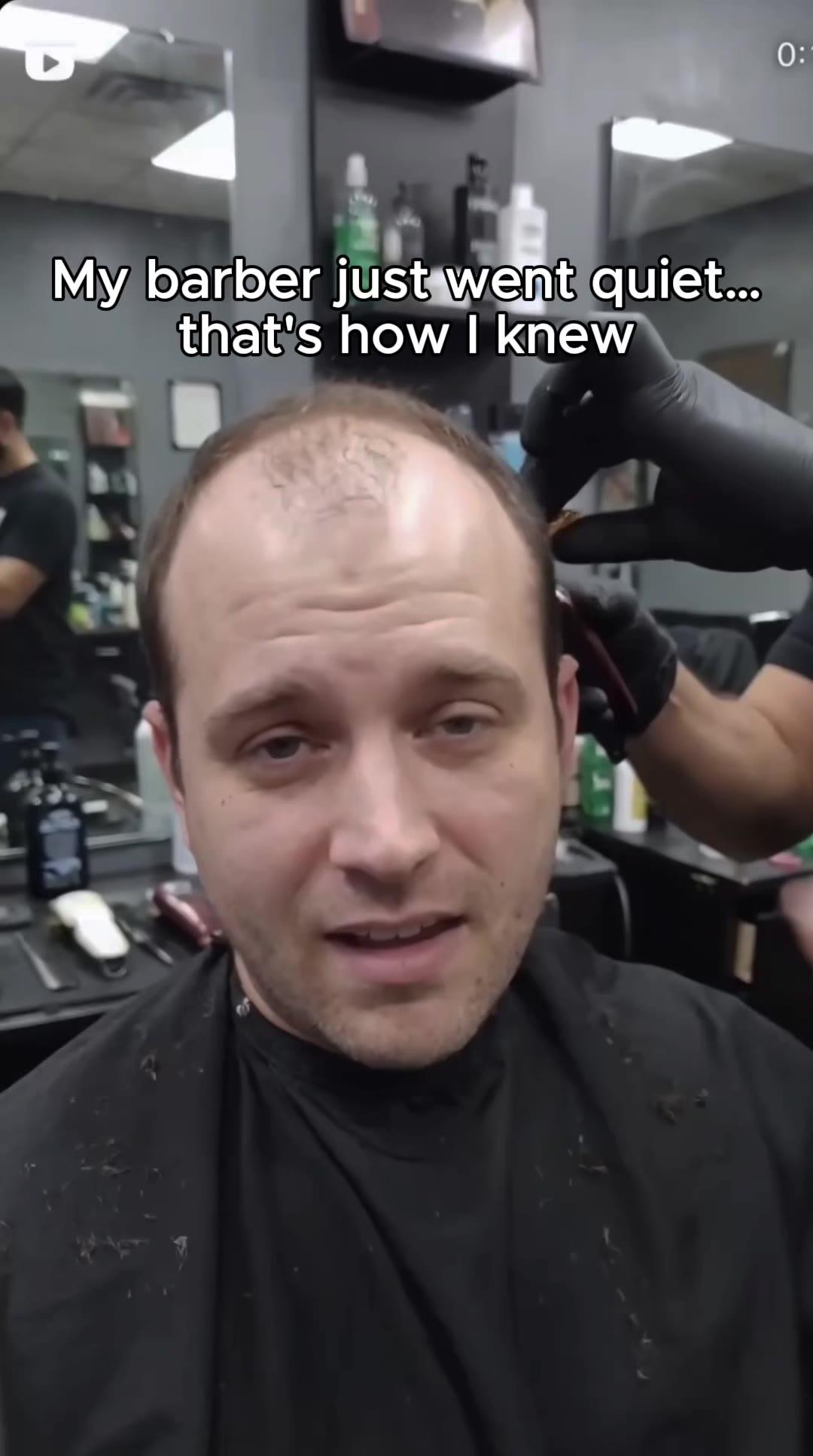

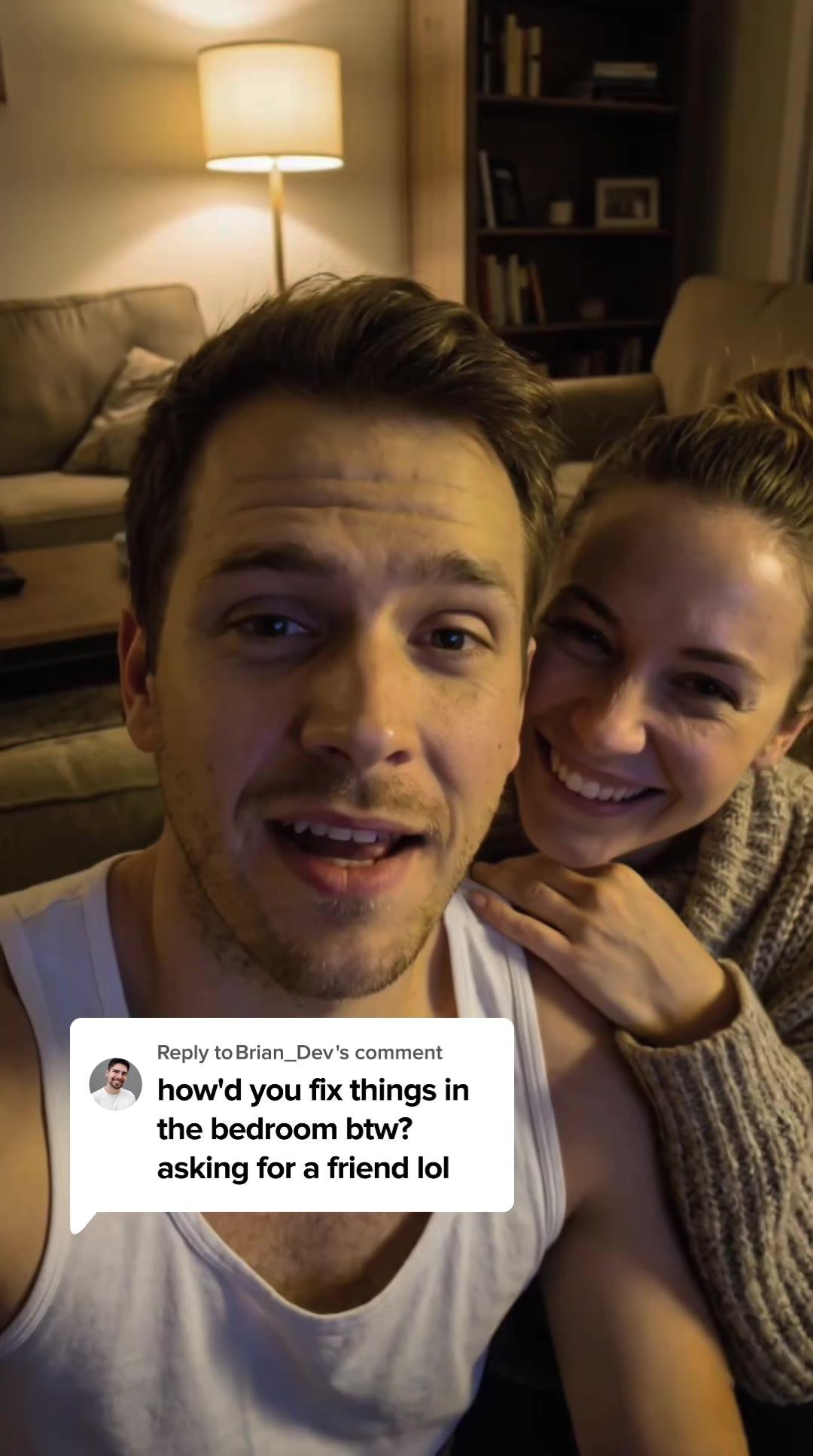


Telehealth brands argue endlessly about video length. Some swear by 15-second clips that hook fast and drive clicks. Others insist 45-60 second videos perform better because they build trust and address objections. The truth is both formats work, but for different audiences, platforms, and stages of the funnel. The mistake is treating video length as a binary choice rather than a tactical decision.
Short-form UGC works best for cold traffic, TikTok, and top-of-funnel awareness. Long-form UGC works better for retargeting, YouTube, and audiences who need more information before converting. This guide explains when to use each format, how performance differs by platform, and how to structure videos for maximum impact regardless of length.
Short-Form UGC Performance for Cold Traffic
For cold audiences who've never heard of your brand, short-form UGC (15-30 seconds) outperforms longer content. Cold viewers have low attention spans and high scroll rates. If your video doesn't hook in the first three seconds and deliver value within 20, they're gone. Short-form content respects this reality by getting to the point immediately.
Short-form videos also cost less to test. You can produce 10 variations of a 15-second video faster than you can produce three 60-second videos. More tests mean more data, which improves your chances of finding winners. For brands spending heavily on cold traffic acquisition, short-form content provides better ROI because you can iterate faster and cheaper.
On TikTok, short-form content is mandatory. Videos over 30 seconds see completion rates drop sharply, which hurts algorithmic distribution. TikTok rewards watch time and completion rate, so keeping videos under 25 seconds maximizes the chance viewers watch to the end. This doesn't mean TikTok audiences don't want information; it means they want it delivered quickly.
We produce paid social creative exclusively for telehealth brands. From 18 to 200 assets per month.
Get in TouchLong-Form UGC Performance for Warm Audiences
For retargeting audiences who've visited your site or engaged with past content, longer videos (45-60 seconds) often drive better conversion rates. Warm audiences already know your brand exists and are evaluating whether to move forward. They want more detail, objection handling, and reassurance. Long-form content provides this without feeling rushed or incomplete.
Long-form videos also work better for high-consideration purchases. GLP-1, TRT, and ED treatments aren't impulse buys. Customers want to understand the process, what to expect, and whether the service is legitimate. A 15-second video can't answer those questions. A 60-second video can walk through the consultation process, address common concerns, and still maintain pacing.
On YouTube, long-form content is expected. YouTube viewers are accustomed to 5-10 minute videos and won't watch ads shorter than 15 seconds because they skip them immediately. Pre-roll ads in the 30-60 second range perform well because they align with viewer expectations. YouTube Shorts (under 60 seconds) are the exception, but even Shorts audiences tolerate longer content than TikTok users.
How to Structure Short-Form UGC for Maximum Impact
Short-form UGC needs to be ruthlessly efficient. Every second must serve a purpose. The structure is simple: hook (0-3 seconds), value or curiosity (3-18 seconds), and CTA (18-20 seconds). No introductions, no filler, no slow builds. Get to the point immediately and leave viewers wanting more.
The hook is everything in short-form content. Test hooks like "I didn't expect this," "Here's what nobody tells you," or "This surprised me." These hooks create curiosity without making medical claims. Avoid weak hooks like "Let me tell you about my experience" or "I want to share something." They don't create urgency or pattern interrupts, so viewers scroll past.
After the hook, deliver one clear message. Don't try to explain the entire service in 15 seconds. Pick one angle: the process is simple, telehealth is legitimate, or the consultation is free. Single-message videos perform better than videos that cram multiple points into a short timeframe. Clarity beats comprehensiveness when time is limited.
How to Structure Long-Form UGC for Engagement
Long-form UGC allows for storytelling, objection handling, and depth. The structure expands to: hook (0-5 seconds), problem or context (5-20 seconds), solution or explanation (20-45 seconds), and CTA (45-60 seconds). This format builds trust by walking viewers through a complete narrative rather than delivering a soundbite.
Even in long-form content, the hook needs to be strong. Don't waste the first five seconds on introductions or disclaimers. Start with the most interesting part of the story: "I finally talked to a doctor about my energy levels and here's what I learned." The hook should promise value that justifies the viewer investing 60 seconds of their time.
Use the middle section to address objections or explain the process. For GLP-1 brands, explain what the consultation involves. For TRT brands, address privacy concerns. For ED treatment, normalize seeking help. The goal is to remove friction so viewers feel comfortable taking the next step. Long-form content lets you tackle objections that short-form can't address.
UGC formats we produce for telehealth.
See the work →Platform-Specific Length Preferences
Meta favors 15-30 second videos for feed placements and 60 seconds for in-stream video ads. Meta's algorithm optimizes for engagement, and shorter videos drive higher engagement rates because they're easier to watch fully. However, Meta's audience skews older and more patient than TikTok's, so 45-second videos still perform well if the pacing is tight.
TikTok penalizes videos over 30 seconds in terms of organic reach. The algorithm prioritizes watch time and completion rate, so longer videos that viewers don't finish hurt distribution. For TikTok, keep videos under 25 seconds for cold traffic and under 45 seconds for retargeting. Even educational content needs to be concise on TikTok.
YouTube pre-roll ads perform best at 30-60 seconds. Shorter ads get skipped immediately. Longer ads (90+ seconds) work for highly engaged audiences but are rarely worth the production cost for telehealth brands. YouTube Shorts should be under 60 seconds by definition, but aim for 30-45 seconds to match platform norms. Shorts that are too short feel incomplete to YouTube audiences.
When to Test Multiple Lengths From the Same Content
Don't choose between short-form and long-form. Produce long-form content and edit multiple short-form variations from it. Film a creator delivering a 60-second script, then cut three 15-20 second variations with different hooks. This approach maximizes value from each creator shoot without requiring separate filming sessions for each length.
Test the long-form version on retargeting audiences and YouTube. Test the short-form cuts on cold traffic and TikTok. Compare performance to see which format drives better CPA for each audience and platform. Often, different formats win in different contexts. Testing reveals which length to prioritize for future production.
Also test hybrid formats: 30-40 second videos that split the difference between short and long-form. These videos are long enough to tell a story but short enough to maintain attention. Hybrid formats often outperform both extremes for mid-funnel audiences who need more than a hook but less than a full narrative.
Pacing Matters More Than Length
A tight 60-second video outperforms a sluggish 15-second video every time. Pacing is about information density, not clock time. If every second delivers value, viewers stay engaged regardless of length. If the video drags or repeats itself, viewers bail even if it's short. Focus on pacing first, length second.
Edit out pauses, filler words, and dead space. Use quick cuts to maintain momentum. Add text overlays or b-roll to keep the visual interesting. Even talking-head content can feel fast-paced if the editing is tight. Viewers don't consciously notice good pacing, but they feel it. Slow pacing kills performance regardless of content quality.
Test different pacing styles for the same script. Film a creator delivering the same message in a calm, conversational tone and a fast, energetic tone. Cut each version tightly and compare performance. Often, the faster version drives better CTR even if some viewers find it too intense. Energy and pacing signal value, which reduces scroll rates.
Cost and Production Considerations
Short-form content is cheaper and faster to produce. Creators can film three 15-second videos in the same session they'd use for one 60-second video. Editing is also faster because there's less footage to review. If you're producing 50+ videos per month, short-form content reduces production time and cost per asset.
Long-form content requires more scripting, filming, and editing time. Creators need to deliver longer performances without mistakes, which often means multiple takes. Editing 60-second videos takes 2-3x longer than editing 15-second videos. For high-volume production, this time compounds. Only invest in long-form if performance justifies the extra cost.
Track cost per conversion, not cost per video, when comparing formats. A $200 long-form video that drives $50 CPA is more valuable than a $100 short-form video that drives $80 CPA. The production cost is irrelevant if the performance doesn't justify it. Use performance data to allocate budget toward the format that delivers the best return.
Audience Intent Determines Optimal Length
Cold audiences want quick answers to "What is this?" Use short-form content that hooks fast and drives curiosity. Warm audiences want detailed answers to "Is this right for me?" Use long-form content that builds trust and addresses objections. Hot audiences want confirmation to "Should I do this now?" Use any length, but focus on removing final friction.
Match format to intent, not guesswork. If you're targeting people searching for "GLP-1 cost" or "telehealth ED treatment," they're researching and open to longer content. If you're targeting broad health and wellness audiences, they're not actively looking and need short hooks. Intent determines format, not platform or creative preference.
Test both formats across all stages of the funnel. Sometimes short-form content works for warm audiences because it re-engages them quickly. Sometimes long-form content works for cold audiences because it builds trust upfront. Testing reveals what works for your specific audience and offer. Don't assume short-form is always for cold traffic and long-form is always for retargeting.
Need help optimizing video length and pacing for your telehealth UGC ads? Book a call or explore our creative services.
Related Articles
- UGC Ads for Telehealth: What Works and What Gets Rejected
- UGC Hook Formulas That Work for Telehealth Brands
- How to Repurpose UGC Across Meta, TikTok and YouTube for Telehealth
- TikTok UGC for Telehealth: What the Algorithm Rewards
- How Many UGC Variations Should a Telehealth Brand Test Per Month
- Podcast-Style UGC for Telehealth Brands
UGC systems built for telehealth.
A 30-minute call. We audit your creative approach and show you exactly what a complete angle-format-hook system looks like for your vertical.