How to Use Customer Reviews in Telehealth Marketing
A founder's guide to sourcing, surfacing, and deploying customer reviews in telehealth marketing without running afoul of FTC and platform rules.
Concepts shown are internal creative studies, not client campaigns.
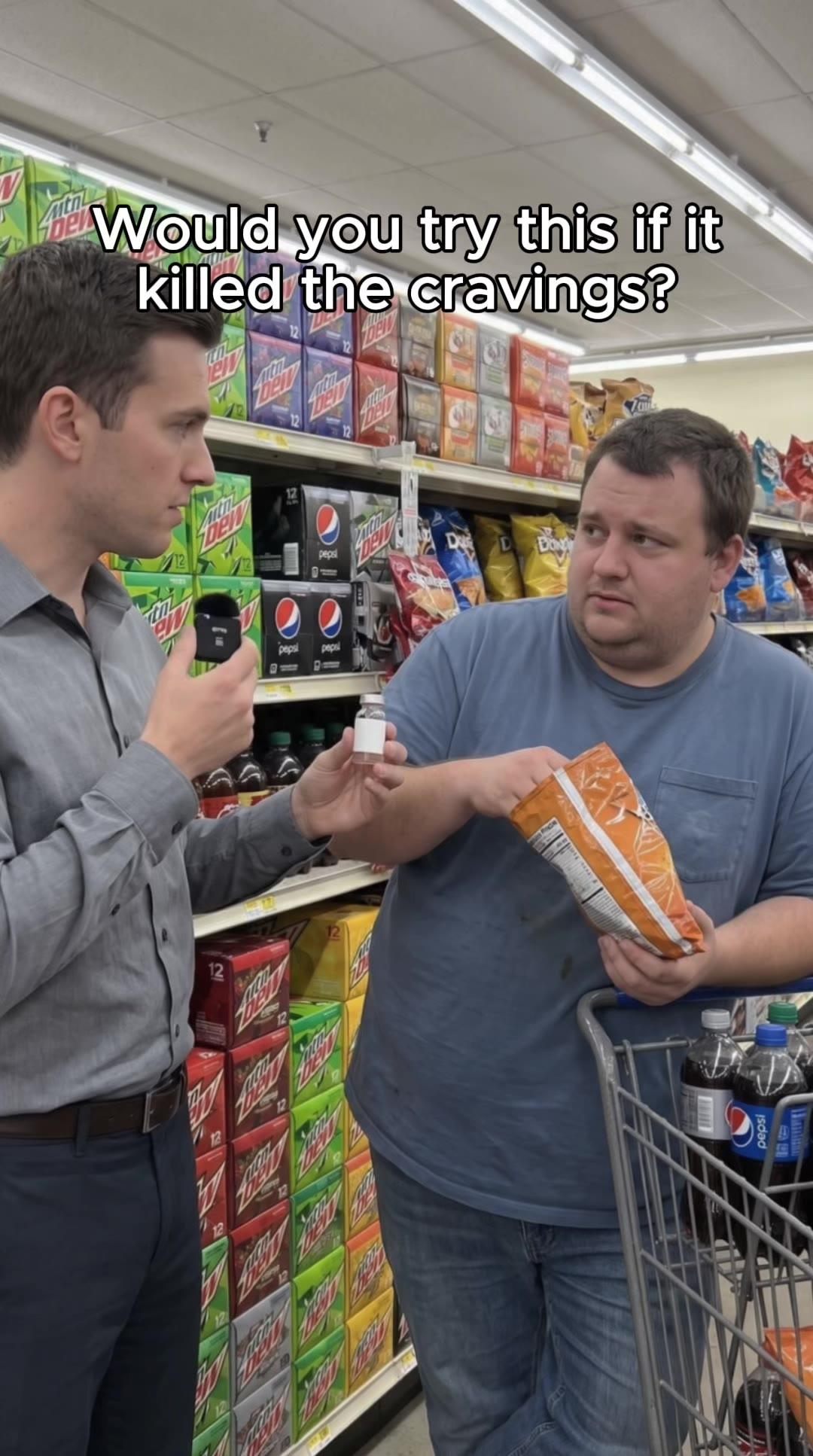







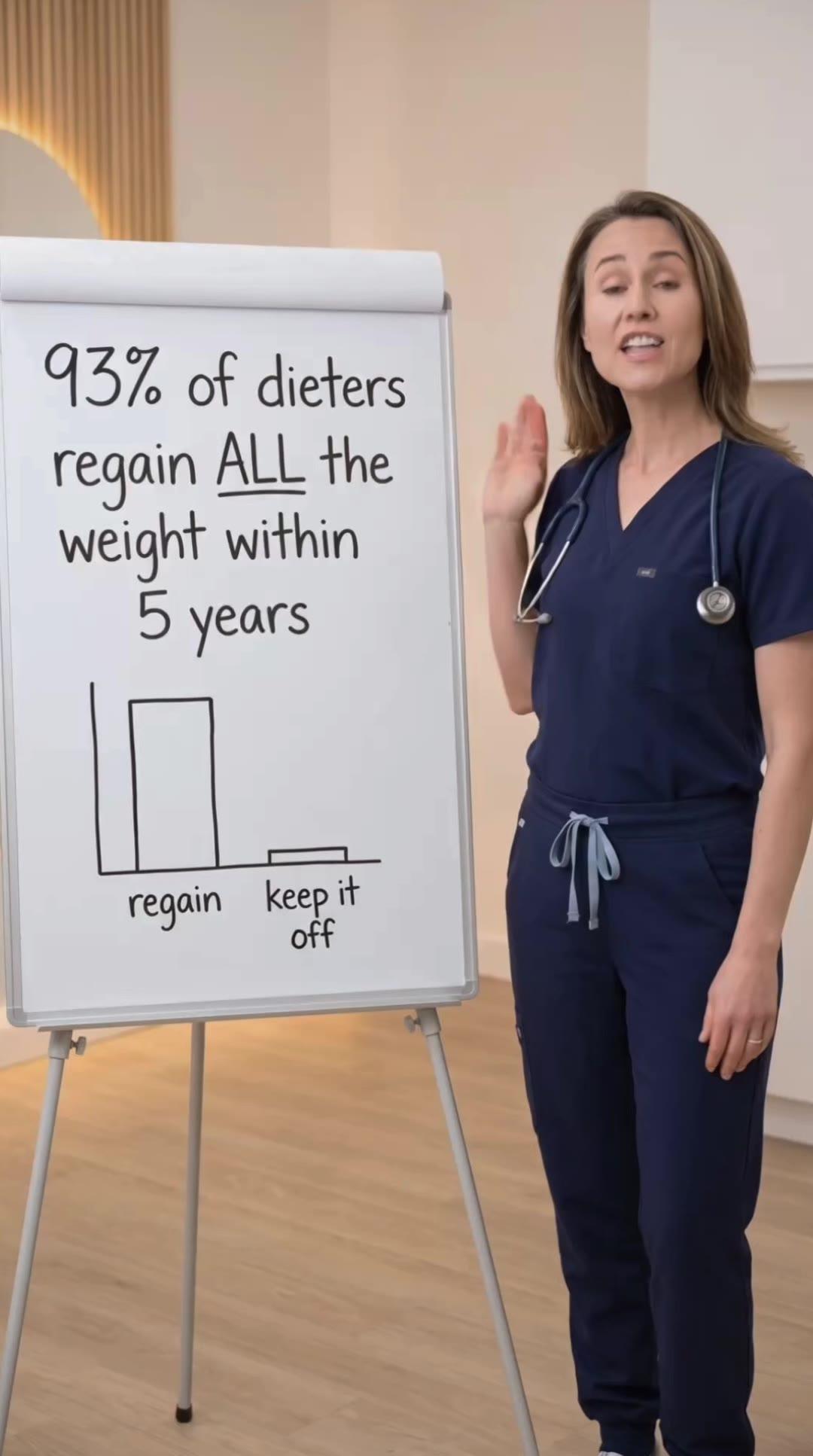
Customer reviews are an underused asset in telehealth marketing. Most founders collect them somewhere (Trustpilot, Google, internal NPS) and never surface them in the funnel beyond a logo block on the website. That is leaving conversion lift on the table. Reviews, surfaced right, build trust at every stage from cold ad to landing page to consultation booking.
Here is how to use customer reviews in telehealth marketing in 2026.
Sourcing Reviews the Right Way
Ask at the right moment. The strongest reviews come from patients hitting clinical milestones: month one progress, dose calibration success, a first refill. Automated post-milestone outreach yields higher volume and better quality than generic review requests.
Make it easy. A direct link to a review form on Google, Trustpilot, or your platform of choice. Asking a patient to figure out where and how to leave a review reduces participation by 60-80%.
Do not incentivize. FTC guidance is clear that paying for reviews requires disclosure, and most platforms prohibit it. Authentic reviews matter more than volume.
Where Reviews Move Conversion
Above the fold on the landing page. Specific review snippets (not just star ratings) lift conversion 10-20% in most telehealth categories.
Inside the consultation booking flow. Reviews placed at the consultation form step reduce abandonment by reinforcing the decision in the moment of friction.
In retargeting ad copy. Quote a specific review in retargeting creative to address the hesitation the audience is feeling.
In email and SMS nurture sequences. Reviews work well in cart-abandon recovery and no-show follow-up.
What Reviews Should Look Like
Specific and detailed beats generic. "The bloodwork process was easier than expected and Dr. Chen took her time on the consultation" outperforms "great service, fast shipping."
Process-focused reviews build trust more than outcome-focused reviews. Outcome claims in reviews require careful framing to avoid FTC and platform issues.
Real names and locations (with consent) outperform anonymized reviews. The audience reads anonymized as either fake or risky.
Compliance Considerations
FTC endorsement rules require that reviews be authentic, that material connections (compensation, employment, free product) be disclosed, and that suppression of negative reviews be avoided.
For telehealth specifically, FDA promotional rules apply to outcome-focused reviews. A review that says "I lost 30 pounds in 8 weeks" inherits the same FDA scrutiny as the brand making the claim directly.
For deeper coverage, see testimonial rules for telehealth ads.
UGC formats we produce for telehealth.
See the work →Handling Negative Reviews
Respond promptly and publicly. A measured response to a critical review often builds more trust than the original review damages. Audiences read response patterns as much as they read individual reviews.
Do not delete or hide negative reviews. Suppression is an FTC issue and a credibility issue.
Use negative review patterns to improve operations. If three patients independently mention a slow shipping experience, the fix is operational, not a marketing problem.
Review Volume Targets
For trust-building, 50-200 reviews with consistent quality usually matters more than 1,000+ reviews of inconsistent quality. The audience reads the first 5-10 reviews and the overall rating; bulk volume past that point yields diminishing returns.
For SEO benefit (Google Local pack rankings, organic search visibility), more reviews help, but the marginal value drops past ~100 reviews per location or service.
Combining Reviews with Other Trust Signals
Reviews work best alongside named providers, transparent pricing, and clear state availability. They are one trust signal among several; brands that lean entirely on reviews while obscuring other trust elements underperform brands that build a layered trust foundation.
The Short Version
Customer reviews in telehealth marketing in 2026 are a high-leverage asset most brands underuse. Source them at clinical milestones, surface them above the fold and in the consultation flow, respond to negatives publicly, and respect the FTC and platform rules on authenticity. Brands that build a real review program lift conversion across the funnel. Brands that collect reviews and let them sit on Trustpilot leave material conversion on the table.
Related Articles
Using Patient Testimonials in Telehealth Marketing
Using patient testimonials in telehealth marketing.
Testimonial Rules for Telehealth Ads
The compliance rules around testimonials.
Patient Stories Telehealth UGC
How to produce patient stories for telehealth UGC.
Can You Use Patient Stories in Telehealth Ads?
Plain-English compliance answer on patient stories.
UGC systems built for telehealth.
A 30-minute call. We audit your creative approach and show you exactly what a complete angle-format-hook system looks like for your vertical.