The FDA GLP-1 Warning Letter Waves Explained
The FDA sent two waves of warning letters to GLP-1 telehealth companies in September 2025 and March 2026. What triggered them, who they targeted, and what you need to change in your advertising.
Concepts shown are internal creative studies, not client campaigns.
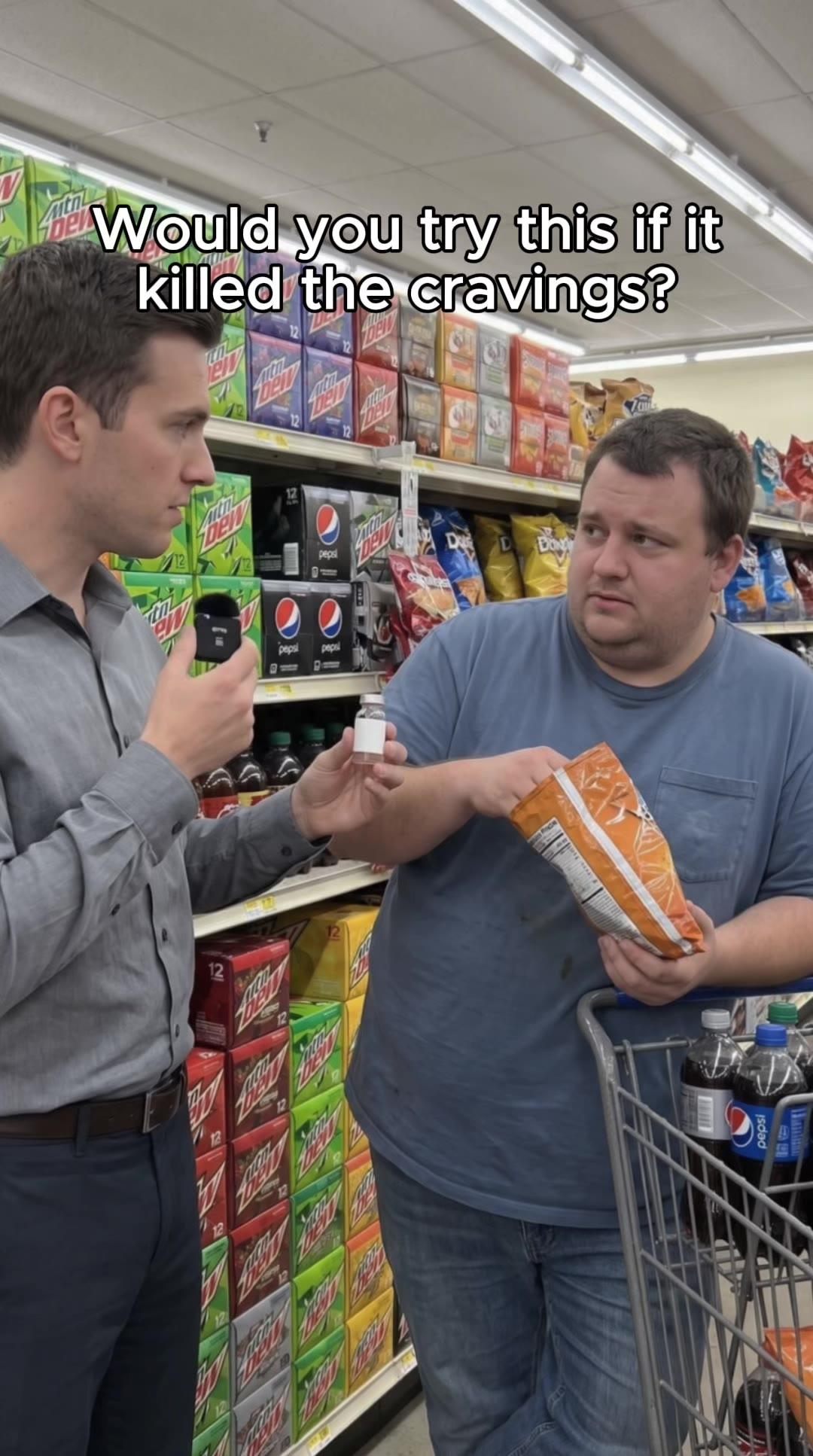
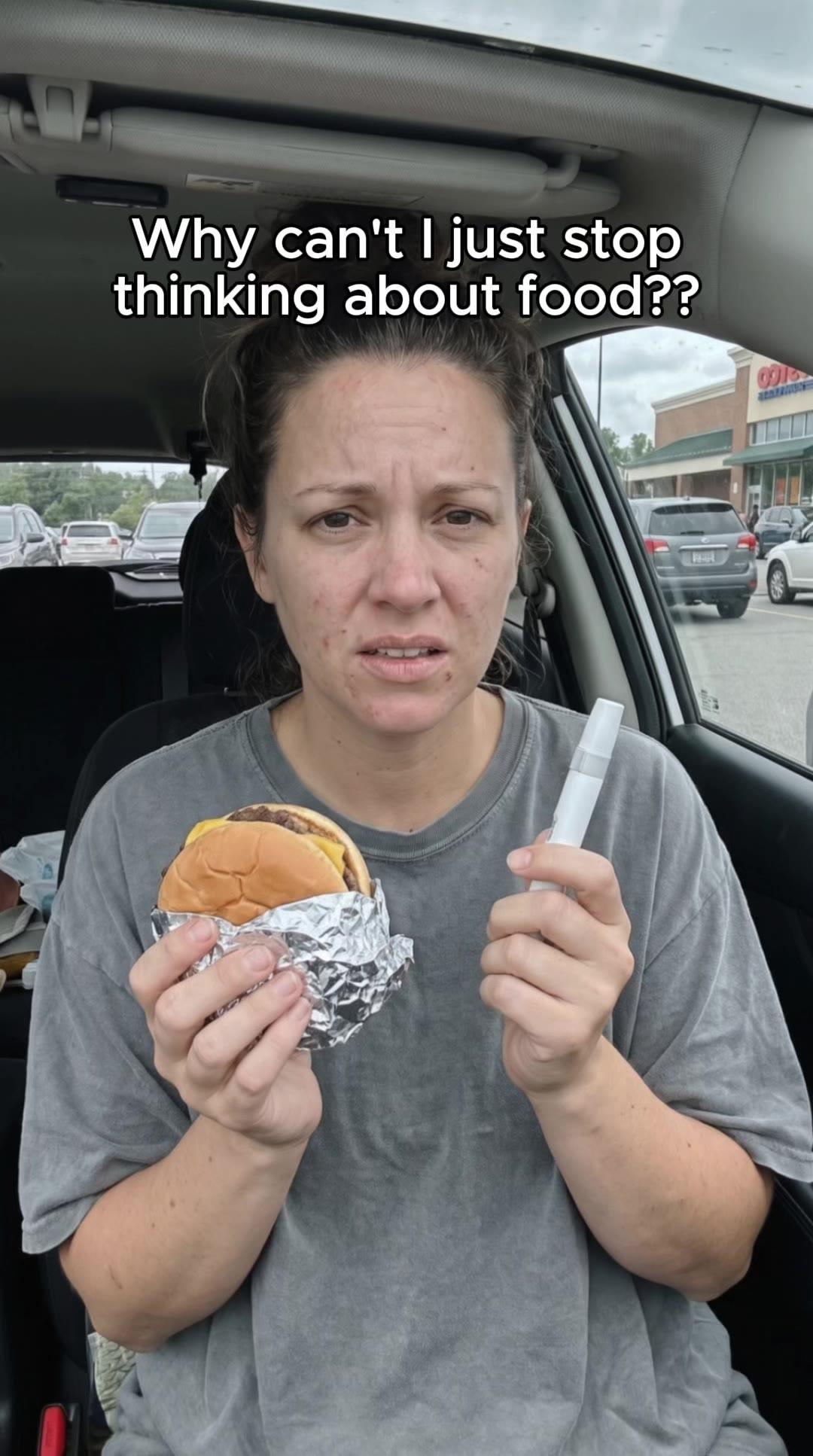
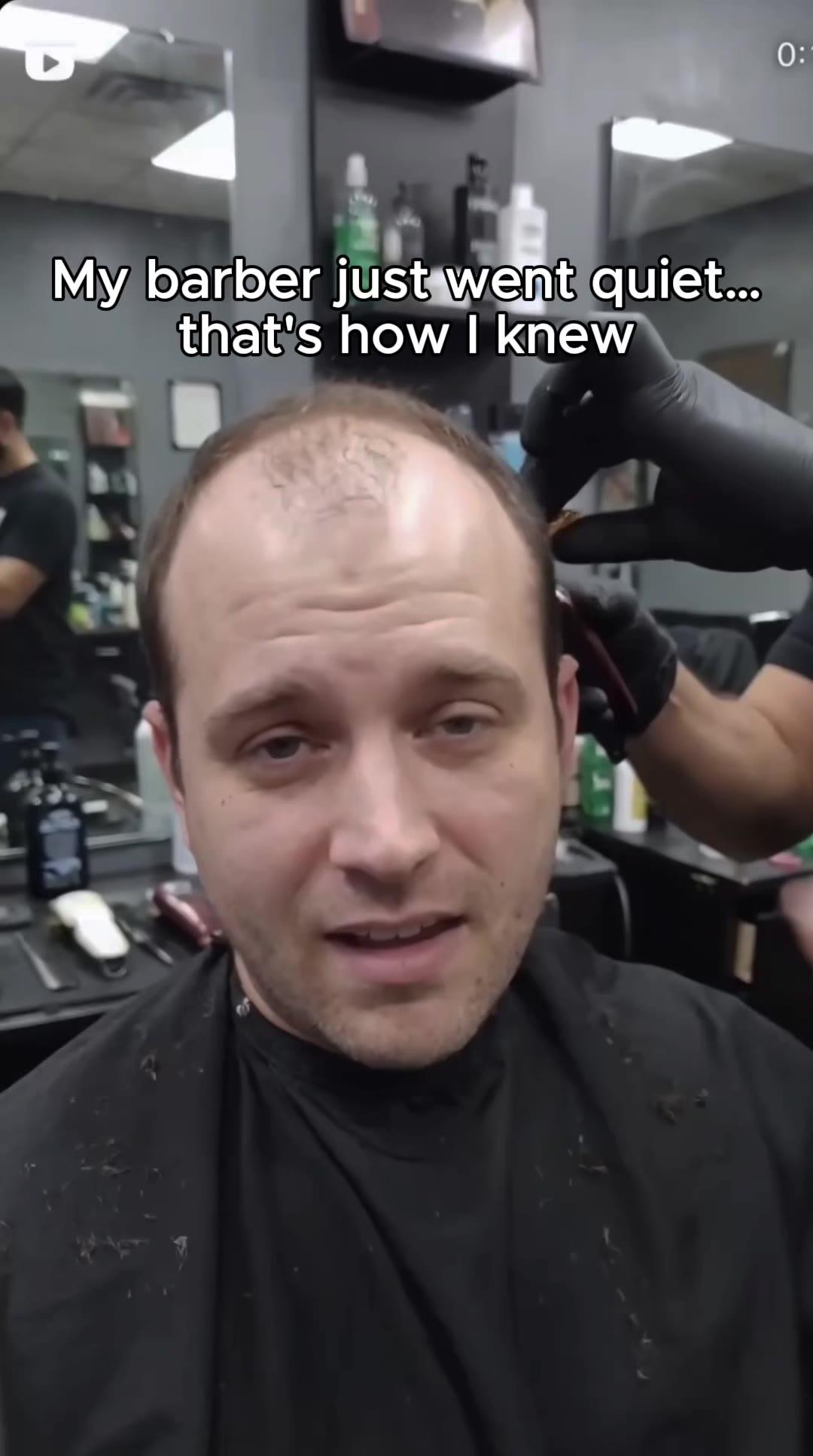



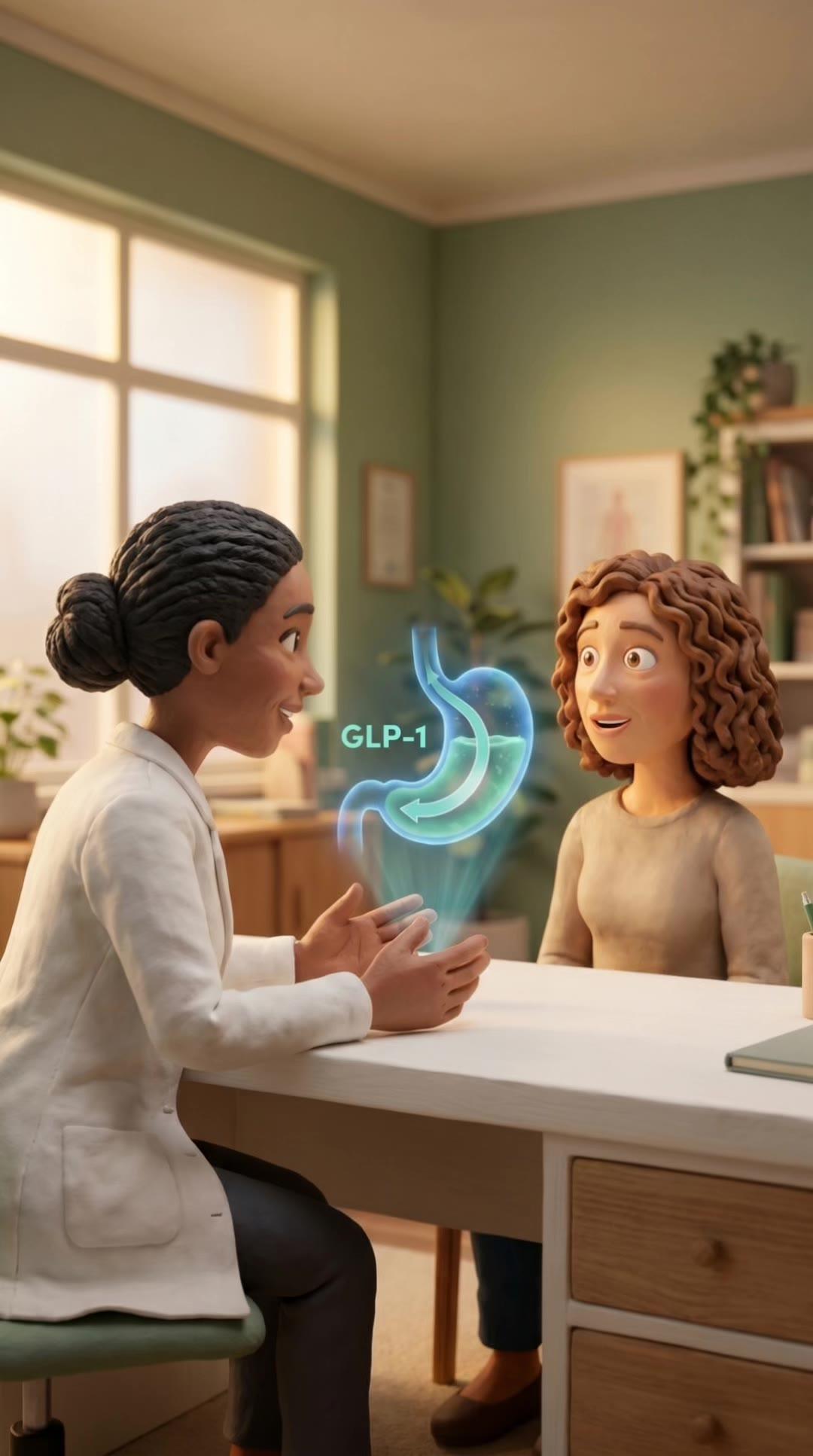
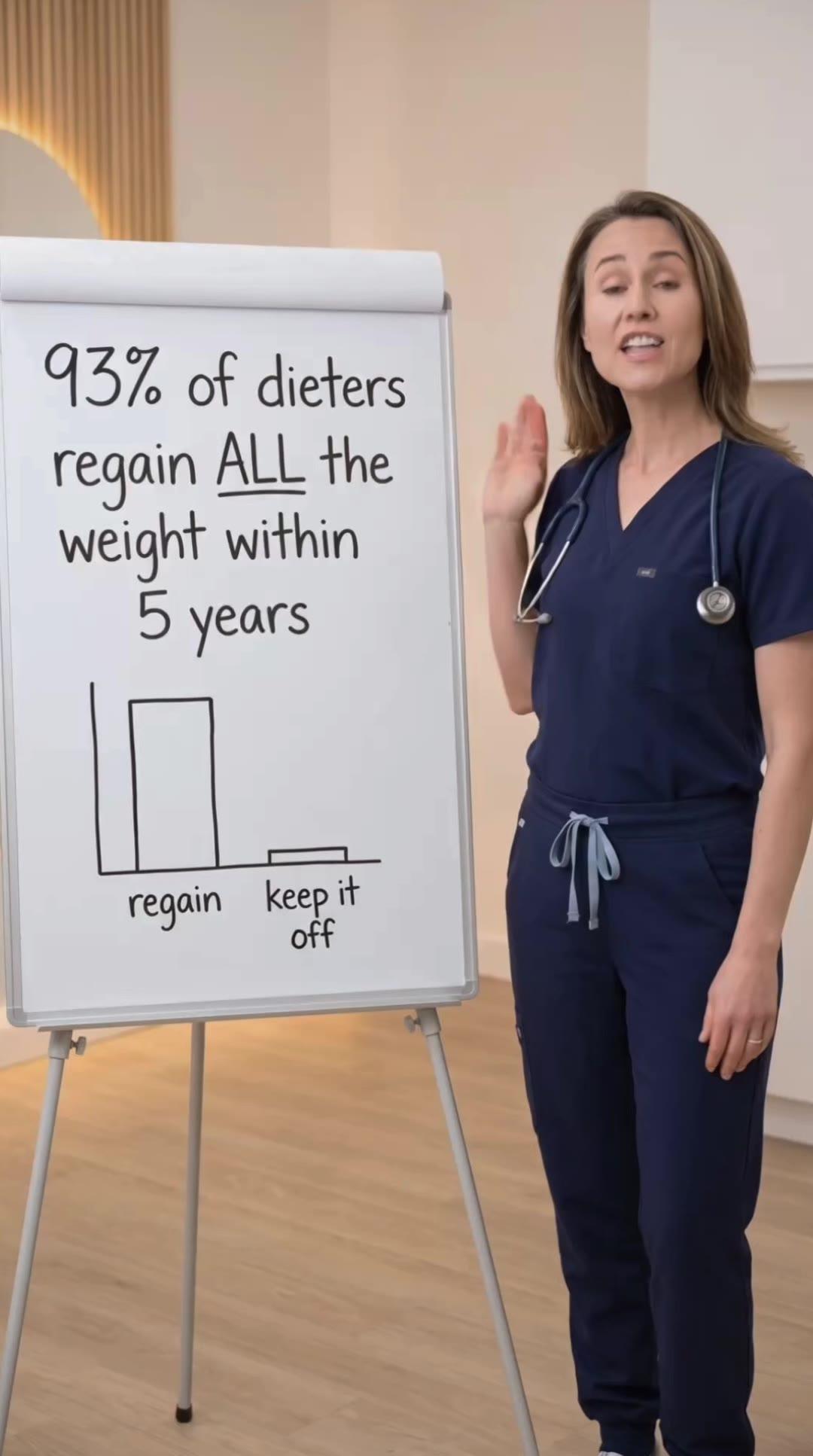
The FDA GLP-1 warning letter waves were not random enforcement. Both the September 2025 and March 2026 campaigns targeted specific patterns the FDA had identified across dozens of telehealth companies advertising compounded semaglutide and tirzepatide. Understanding what triggered each wave — and how the FDA selected its targets — gives you a practical guide to the claims that put your brand at risk right now.
It is worth being clear about what FDA warning letters are and are not. A warning letter is not a lawsuit, and it is not a criminal referral. It is the FDA telling a company that it has identified violations of federal law and expects prompt corrective action. But warning letters are public record. They are published on the FDA website, they attract media coverage, and they trigger follow-up inspections. For a telehealth brand that depends on paid advertising to acquire patients, a warning letter can disrupt ad account access on Meta and Google almost immediately — both platforms monitor FDA enforcement activity.
The September 2025 Wave
The first wave of FDA warning letters in September 2025 focused on a single claim pattern: companies describing compounded semaglutide as "the same as Ozempic" or "identical to Wegovy." This language appeared across ads, landing pages, email sequences, and patient intake flows at dozens of telehealth brands. The FDA's objection was grounded in its authority over prescription drug labeling and advertising. Compounded semaglutide is not FDA-approved. Ozempic and Wegovy are. Describing them as equivalent — either explicitly or through strong implication — misleads patients about the regulatory status and clinical validation of what they are receiving.
The September wave also targeted brands that were using the brand names Ozempic, Wegovy, and Mounjaro prominently in their own advertising — a practice that creates confusion about whether patients are receiving the branded drug or a compounded version. Several companies had entire landing pages built around the Ozempic brand name, with their own service mentioned only in fine print. The FDA treated this as misbranding under 21 U.S.C. § 352. The fixes required were sweeping: new landing pages, new ad copy, updated email flows, and revised intake documents — all within 15 working days of receiving the letter.
The March 2026 Wave
The second wave, sent in March 2026, targeted a different set of violations. Where September focused on comparative claims between compounded and branded products, March focused on efficacy and safety claims in direct-to-consumer advertising. Companies in this wave were alleged to have made disease claims — statements implying their GLP-1 products treated or cured specific health conditions — without the clinical substantiation required for those claims to be made in advertising for a non-FDA-approved product.
The March 2026 letters also addressed the promotion of compounded semaglutide through paid social advertising during a period when FDA had declared compounded semaglutide off the shortage list for some formulations. Some companies continued to advertise compounded semaglutide as a shortage-protected product after FDA's shortage declaration had changed, which the FDA viewed as making false statements about the product's regulatory status. This is a moving target: shortage status changes, and your advertising claims about compounding legality need to reflect current FDA determinations, not the status from the previous quarter.
How the FDA Selects Warning Letter Recipients
The FDA does not review every ad on the internet. Its Office of Prescription Drug Promotion (OPDP) uses a combination of consumer complaints, competitor complaints, and systematic media monitoring to identify brands making problematic claims at scale. In the GLP-1 space, the volume of consumer complaints to the FDA and FTC about misleading weight loss advertising was unusually high — which moved this category to the top of OPDP's review queue. The brands that received warning letters were not necessarily the worst actors; they were often the brands running the highest ad spend, which gave them the largest footprint for FDA reviewers to identify.
This means that scaling your GLP-1 advertising increases your regulatory exposure, not just your patient volume. Brands spending $500K per month on GLP-1 ads are far more visible to FDA monitoring than brands spending $50K per month — and the claims in those high-spend campaigns are reviewed more scrutinously. The FDA rules for telehealth advertising apply at every spend level, but enforcement risk scales with visibility.
This is what compliant telehealth creative looks like.
See the work →What to Remove from Your Advertising Today
Based on the two waves of warning letters, the highest-risk content patterns in GLP-1 telehealth advertising are: comparative claims to branded drugs ("same active ingredient as Ozempic"), disease treatment claims without clinical substantiation, use of brand names Ozempic, Wegovy, Mounjaro, or Zepbound to describe your own compounded product, shortage-status claims that may no longer reflect current FDA determinations, and efficacy percentages derived from branded drug clinical trials applied to compounded products. Each of these appeared in one or both waves of FDA letters. See our guide to why you can\'t claim compounded GLP-1 is the same as Ozempic for a detailed breakdown of the equivalence claim problem.
Landing pages require the same review as ads. The FDA does not limit its review to the ad creative itself — it reviews the entire promotional pathway, including the landing page the ad leads to, the intake questionnaire, the welcome email, and any other patient-facing materials that make representations about the product. A compliant ad linked to a non-compliant landing page is still a violation. Your compliance review process needs to cover the full conversion path, not just the top-of-funnel creative.
What Safe GLP-1 Advertising Looks Like After the Warning Letters
The warning letters actually make safe GLP-1 advertising simpler to define. You can advertise a GLP-1 telehealth service that connects patients with licensed healthcare providers who may prescribe compounded semaglutide or tirzepatide. You can describe what the program includes — provider consultations, medication if clinically appropriate, ongoing monitoring. You can describe patient outcomes in testimonials as long as you disclose what typical results look like. You cannot make disease claims, you cannot imply FDA approval, and you cannot describe your compounded product as equivalent to a branded medication.
The brands that came through the warning letter waves in best shape were the ones that had already separated their service advertising from their product claims. Advertising the access to care — the ability to consult with a licensed provider who can evaluate whether GLP-1 therapy is appropriate — is substantially safer than advertising the medication itself. This framing shift protects you across both FDA and FTC jurisdictions and tends to perform well creatively because it centers the patient experience rather than the drug. Review your full claim set against the compliant telehealth ad claims guide before your next campaign launch.
Related Articles
FDA Rules for Telehealth Advertising: What You Can and Can't Say
FDA regulations for prescription medication advertising in telehealth. Disease claims, treatment efficacy, and compliance requirements for 2026.
Why You Can't Claim Compounded GLP-1 Is the Same as Ozempic
The FDA's specific objection to equivalence claims in compounded semaglutide advertising — and safer language to use instead.
How to Advertise GLP-1 Weight Loss on Facebook in 2026
Complete compliance guide for advertising semaglutide and tirzepatide telehealth services on Meta. What claims work, what gets banned, and how to scale.
Making Compliant Claims in Telehealth Ads: The Complete Guide
What health claims you can make in telehealth advertising. Efficacy statements, outcome claims, and how to communicate benefits compliantly.
Creative built to pass review, and convert anyway.
A 30-minute call. We audit your creative approach and show you exactly what a complete angle-format-hook system looks like for your vertical.