Why You Can't Claim Compounded GLP-1 Is the Same as Ozempic
The FDA has specifically targeted equivalence claims in compounded semaglutide advertising. Why these claims violate federal law, the regulatory logic behind the prohibition, and what language is actually safe to use.
Concepts shown are internal creative studies, not client campaigns.
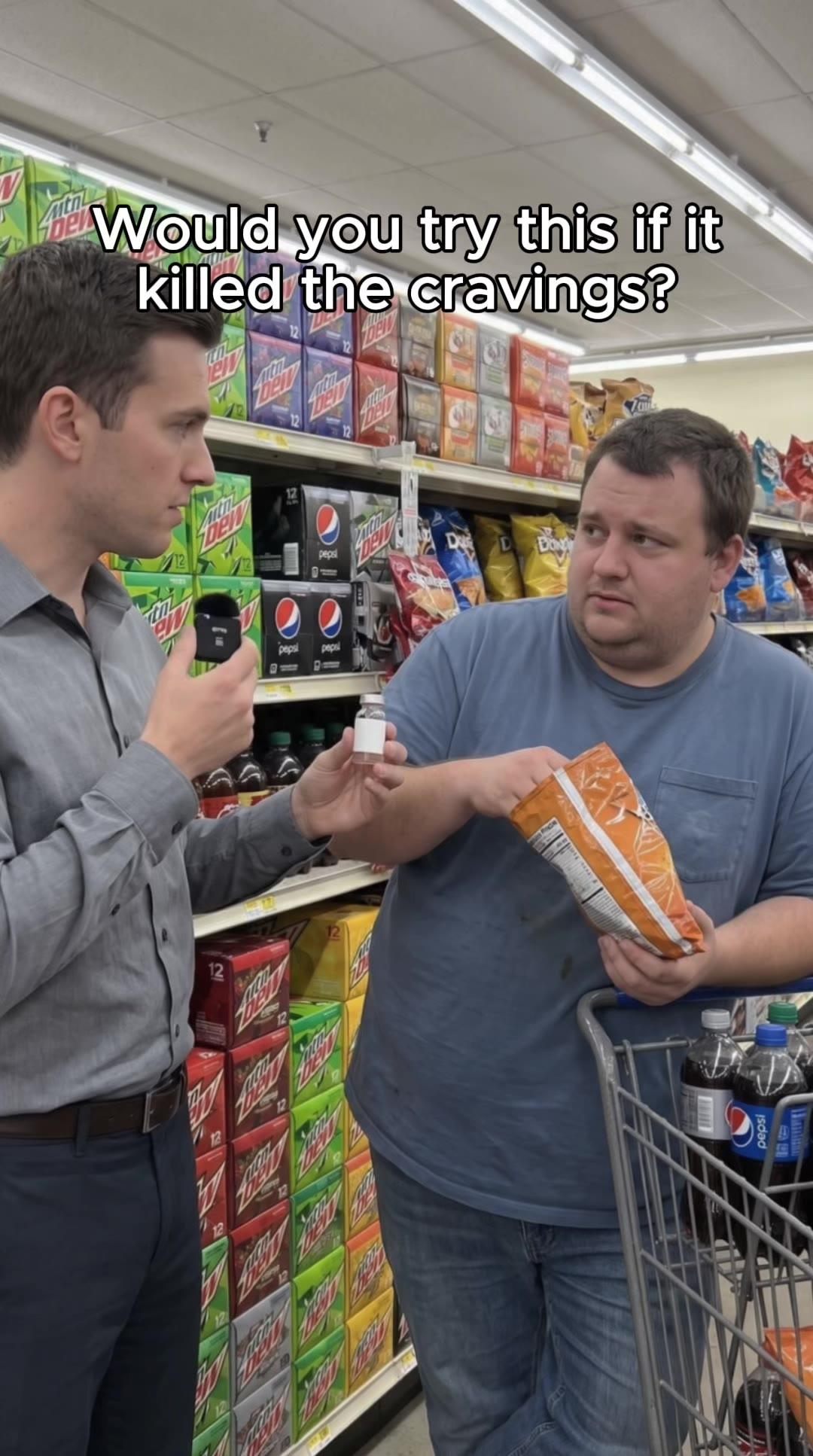
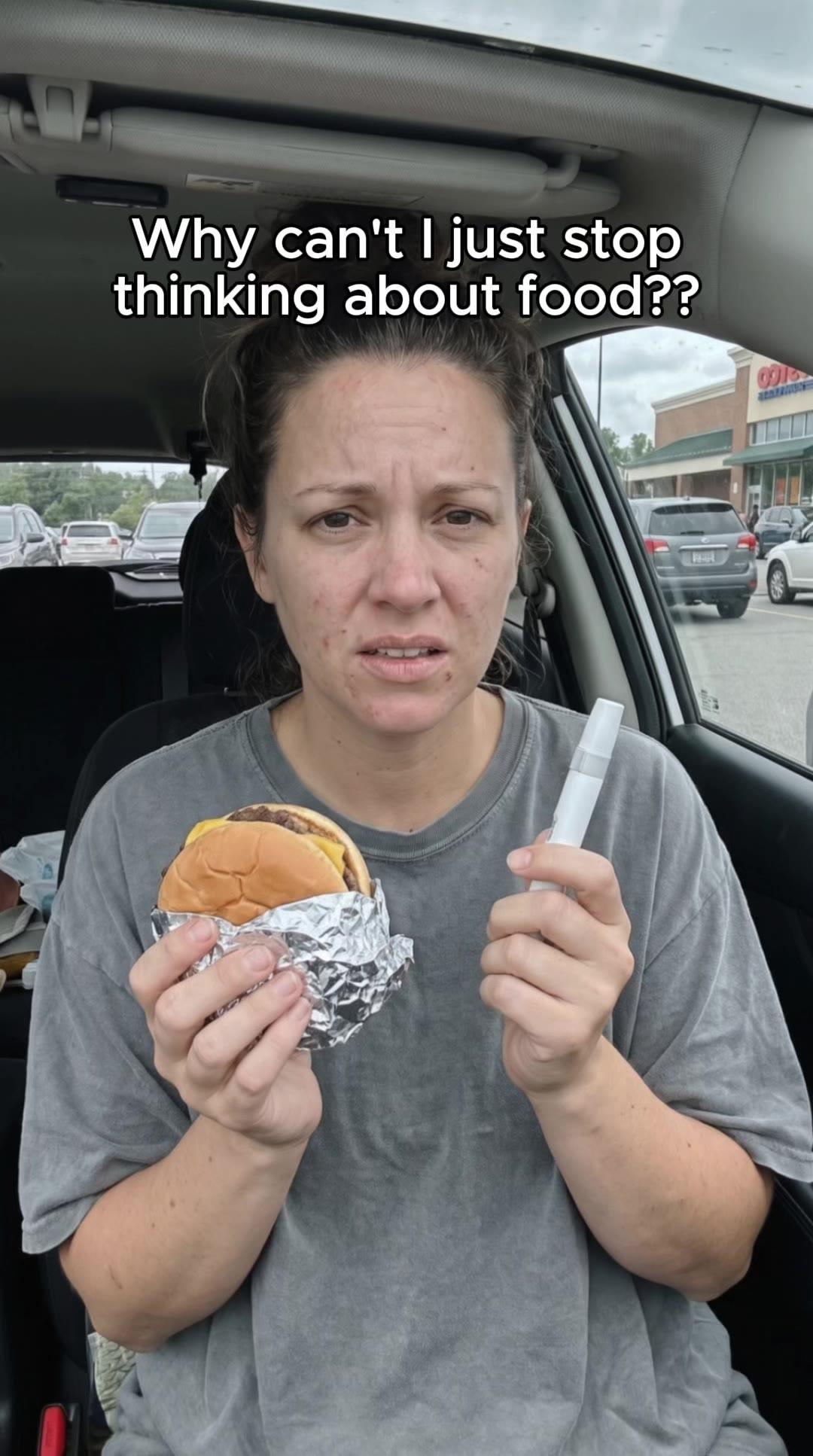

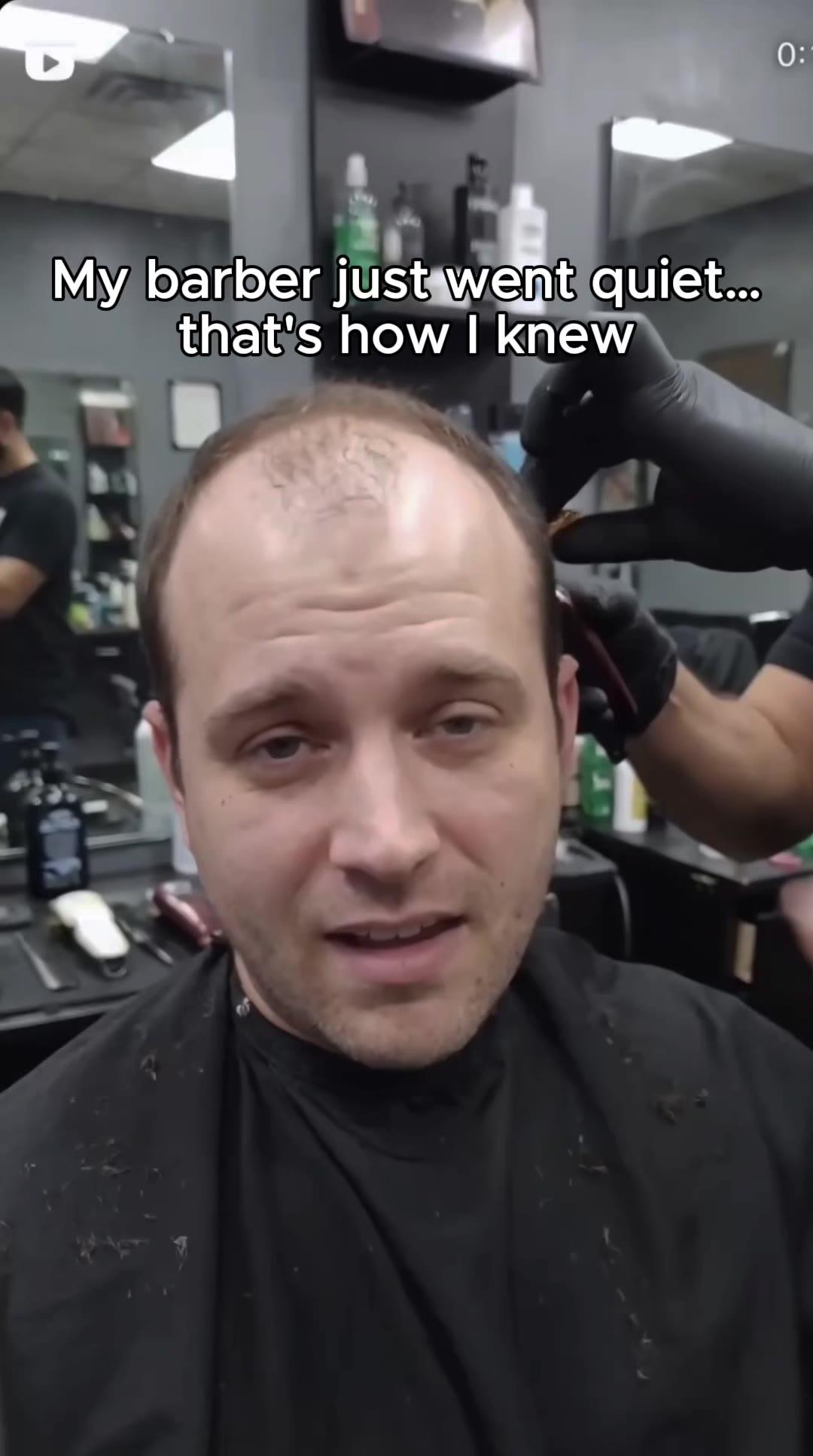



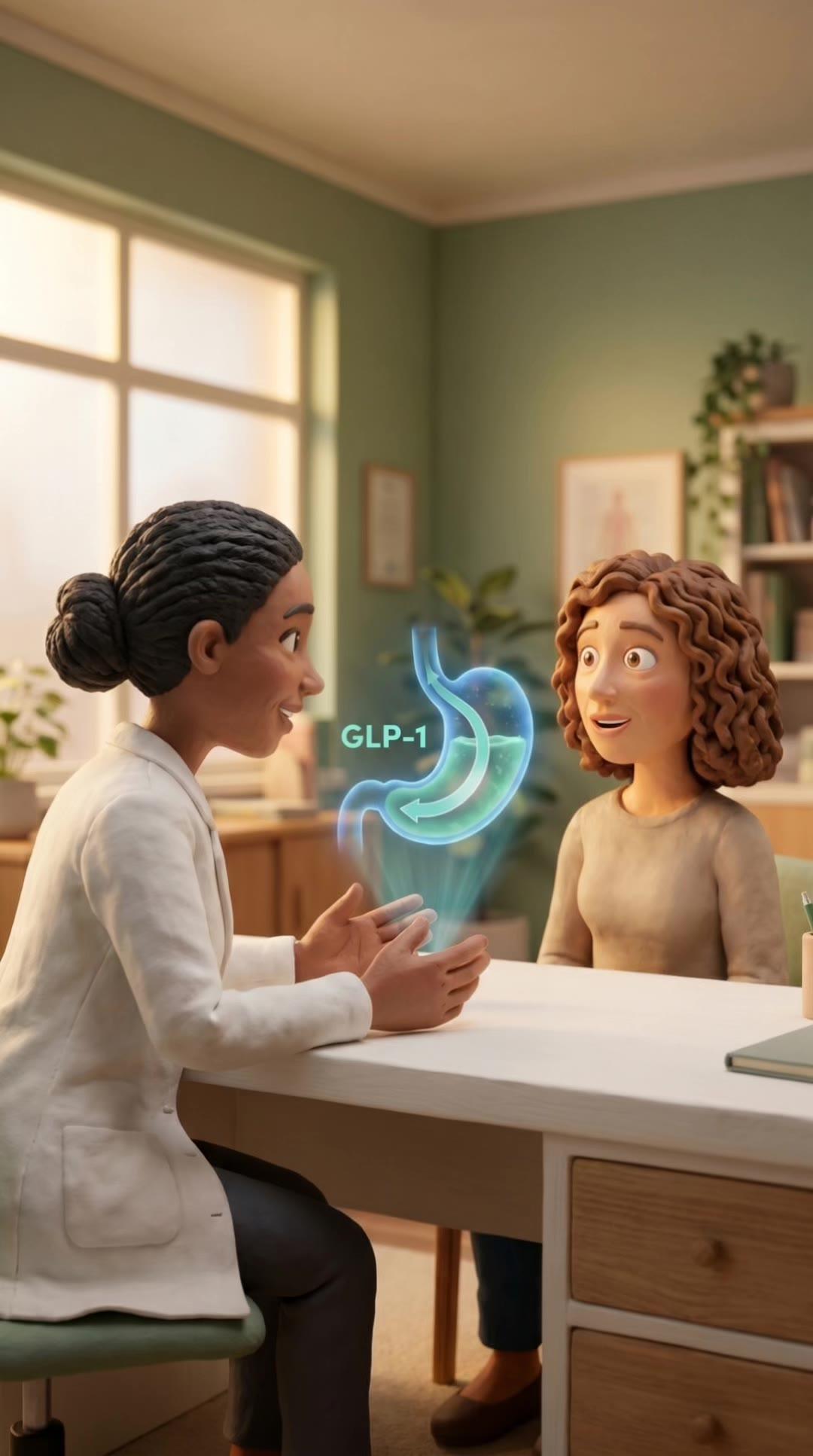
Claiming that your compounded GLP-1 product is "the same as Ozempic" is one of the highest-risk statements a telehealth brand can make in its advertising. This specific equivalence claim was the primary target of the FDA's September 2025 warning letter wave, and the agency has made clear it intends to continue pursuing brands that use this language — in ads, on landing pages, in emails, and in patient intake materials. The risk is not theoretical. It is grounded in a specific legal framework, and understanding that framework helps you write GLP-1 advertising that performs without creating regulatory exposure.
The prohibition on equivalence claims is not arbitrary. It reflects a meaningful regulatory distinction between FDA-approved drugs and compounded preparations that most founders and marketers do not fully understand. Once you understand the distinction, the claim restriction makes sense — and safer language becomes much easier to write.
What FDA Approval Actually Means for a Drug
When Novo Nordisk brought Ozempic to market, it submitted a New Drug Application containing manufacturing specifications, clinical trial data covering safety and efficacy in specific patient populations, stability data showing the drug maintains potency through its shelf life, and proposed labeling that the FDA reviewed and approved. Every batch of Ozempic manufactured must conform to those approved specifications. Pharmacies dispensing Ozempic are dispensing a product whose identity, purity, potency, and quality have been verified through an FDA-regulated process.
Compounded semaglutide does not go through this process. A 503A compounding pharmacy produces semaglutide from bulk drug substance using its own formulation, without submitting safety or efficacy data to the FDA for that specific product. This does not mean compounded semaglutide is unsafe — licensed compounders follow USP standards and state pharmacy board oversight. But it does mean the FDA has not verified that the compounded product is equivalent to Ozempic in identity, purity, potency, or bioavailability. That is the regulatory gap that makes equivalence claims legally problematic.
The Salt Form Distinction
The equivalence claim problem has a specific technical dimension that the FDA has emphasized in its warning letters: many compounding pharmacies use semaglutide sodium or semaglutide acetate as the bulk substance, rather than the semaglutide base used in Ozempic and Wegovy. The FDA has indicated that these are different chemical entities. A drug compounded from semaglutide sodium is not the same active ingredient as the semaglutide in Ozempic — it is a different salt form. This means that even the narrow claim "contains the same active ingredient" may be factually incorrect depending on which bulk substance your compounding pharmacy uses.
Even where the same base form of semaglutide is used, the compounded product has not been tested for bioequivalence to the branded drug. Bioequivalence testing measures whether a drug is absorbed at the same rate and to the same extent as the reference listed drug. Compounded preparations are not required to demonstrate bioequivalence. So claiming your product is "the same" — even using the correct active ingredient — implies a level of demonstrated equivalence that does not exist for compounded products.
How Platforms Treat Equivalence Claims
Meta and Google do not independently enforce FDA drug advertising policy the way they enforce their own platform policies. But the two intersect in a predictable way. When the FDA sends warning letters, those letters are published publicly. Meta and Google both monitor regulatory enforcement actions against advertisers on their platforms. A brand that receives an FDA warning letter about its GLP-1 advertising is at material risk of having its ad account flagged or suspended by the platform — not because Meta cares about the FDA's salt form distinction, but because a public warning letter signals that the brand is running advertising the FDA has determined to be unlawful.
This creates a secondary practical reason to avoid equivalence claims beyond the direct FDA risk. If your ad account is suspended because of FDA enforcement action, your entire paid acquisition channel goes dark — not just the specific ad that triggered the letter. Protecting your ad account access is as important as protecting against direct regulatory liability. See how the FDA GLP-1 warning letter waves have affected brands across the industry.
This is what compliant telehealth creative looks like.
See the work →The Language That Is Actually Safe
Safer alternatives to equivalence claims focus on what your service provides rather than making comparisons to branded drugs. You can say that your telehealth program connects patients with licensed providers who can prescribe compounded semaglutide where clinically appropriate. You can describe compounded semaglutide as containing semaglutide, a GLP-1 receptor agonist, without claiming it is identical to any branded product. You can reference the mechanism of action — GLP-1 receptor agonists help regulate appetite and blood sugar — without tying that mechanism to the Ozempic brand.
What you cannot do is use phrases like "same active ingredient as Ozempic," "bioidentical to Wegovy," "compounded Ozempic," "generic semaglutide," or any construction that implies your product is equivalent to, a version of, or derived from an FDA-approved branded product. You also should not use the brand names Ozempic, Wegovy, Mounjaro, or Zepbound in your advertising in a way that could confuse patients about whether they are receiving the branded drug. This includes using those brand names in ad headlines, landing page titles, or domain names for your service.
What Happens If You Receive a Warning Letter
FDA warning letters require a written response within 15 working days. The response must acknowledge the specific violations alleged, describe the corrective actions you have taken or will take, and provide a timeline for completing those actions. This is not optional — failing to respond promptly and substantively escalates the matter significantly. The FDA's next step after an ignored or inadequate warning letter response can include referral to the Department of Justice for injunction proceedings, seizure of products, or criminal charges.
The corrective actions required are sweeping. You must remove or correct the offending claims across every channel where they appear — ads, landing pages, emails, patient intake materials, social media profiles, and any third-party content you control. Document every change you make and the date you made it. This documentation becomes part of your response to the FDA and demonstrates good-faith corrective action. Brands that respond quickly and thoroughly fare substantially better in the follow-up review than those that argue the merits of the FDA's interpretation. Review the FDA advertising rules in full before launching any GLP-1 campaign.
Making the Framing Shift Work Creatively
The equivalence claim is often used in GLP-1 advertising because founders believe patients need the Ozempic comparison to understand what the product is. But patient research suggests this is less true than assumed. By 2025, consumer awareness of GLP-1 medications — semaglutide, tirzepatide, GLP-1 receptor agonists — was at an all-time high. Most patients who are actively searching for GLP-1 telehealth services already understand what semaglutide is without needing the Ozempic comparison. They are not confused about the category; they are looking for access, affordability, and a trustworthy provider.
This means the Ozempic comparison claim has lower marginal creative value than most founders assume, while carrying very high regulatory risk. Removing it and replacing it with service-focused messaging — "get a prescription for compounded semaglutide from a licensed provider without the insurance fight" — is both safer and often more persuasive for the patient who is actually ready to convert. Your GLP-1 Facebook advertising can drive strong performance without equivalence claims.
Related Articles
The FDA GLP-1 Warning Letter Waves Explained
The FDA sent two waves of warning letters to GLP-1 telehealth companies in September 2025 and March 2026. What triggered them and what to change.
How to Advertise GLP-1 Weight Loss on Facebook in 2026
Complete compliance guide for advertising semaglutide and tirzepatide telehealth services on Meta. What claims work, what gets banned, and how to scale.
FDA Rules for Telehealth Advertising: What You Can and Can't Say
FDA regulations for prescription medication advertising in telehealth. Disease claims, treatment efficacy, and compliance requirements for 2026.
Compounded vs Name-Brand Medication Advertising Rules
How FDA and FTC rules differ for advertising compounded versus brand-name medications — and what that means for your GLP-1 or TRT telehealth brand.
Creative built to pass review, and convert anyway.
A 30-minute call. We audit your creative approach and show you exactly what a complete angle-format-hook system looks like for your vertical.